The latest installment of the popular tech podcast, Pixelated, episode 109, offered a comprehensive deep dive into the most recent developments shaping the smartphone industry. Hosts Damien, Abner, and Will convened to meticulously analyze the significant announcements stemming from Samsung’s recent Galaxy Unpacked event, critically assess the enduring impact and unique positioning of the original Google Pixel Fold, and engage in a forward-looking discussion regarding the long-term viability and prospective evolution of modern flip phones within the increasingly competitive mobile market. This episode serves as a vital resource for enthusiasts and industry observers seeking informed perspectives on pivotal trends and product strategies from two of the sector’s leading innovators.
Dissecting Samsung’s Latest Innovations from Galaxy Unpacked
Samsung’s Galaxy Unpacked events are perennial fixtures on the global technology calendar, serving as the primary platform for the South Korean electronics giant to unveil its flagship devices and innovative technologies. Typically held biannually, these events generate immense anticipation, often dictating market trends for the subsequent months. While the specific "this week’s" Unpacked event referenced in the podcast would likely pertain to the January 2024 launch of the Galaxy S24 series, or potentially a mid-year reveal focused on foldables and wearables, the podcast’s discussion centered on the broader implications of Samsung’s recent strategic directions. The January 2024 Unpacked, for instance, introduced the Galaxy S24, S24+, and S24 Ultra, marking a significant push into artificial intelligence with the debut of "Galaxy AI."
Timeline of Recent Key Samsung Unpacked Events:
- February 2023: Unveiled the Galaxy S23 series, showcasing enhanced camera capabilities and performance.
- July 2023: Introduced the Galaxy Z Fold 5 and Z Flip 5, alongside new Galaxy Watch and Tab devices, emphasizing refined foldable designs and improved durability.
- January 2024: Launched the Galaxy S24 series, with a pronounced focus on integrating on-device and cloud-based AI features.
The Galaxy S24 series, a likely focal point of the Pixelated discussion, represented a pivotal moment for Samsung. The most prominent feature, Galaxy AI, brought a suite of intelligent tools designed to enhance communication, productivity, and creativity. Capabilities such as "Circle to Search with Google," real-time call translation, generative AI for photo editing, and AI-powered summarization for notes aimed to redefine user interaction with smartphones. This strategic pivot underscored Samsung’s commitment to leading the charge in the AI-driven smartphone era, positioning itself as a direct competitor to Google’s own AI-centric Pixel devices and Apple’s integrated ecosystem.

From a hardware perspective, the S24 Ultra maintained its premium status with a titanium frame, a flat display, and the integrated S Pen, while the S24 and S24+ received iterative upgrades to their displays, cameras, and processors. The deployment of Qualcomm’s Snapdragon 8 Gen 3 for Galaxy across most markets (and Samsung’s Exynos 2400 in others) signaled a commitment to peak performance. The podcast hosts likely delved into the efficacy of these AI features, their practical utility for everyday users, and how they stack up against existing AI offerings from competitors. The broader implication of Samsung’s AI strategy is a move towards a more personalized and intuitive mobile experience, potentially influencing how other manufacturers approach their future device development.
The Enduring Legacy and Impact of the Original Pixel Fold
Google’s entry into the foldable smartphone market with the Pixel Fold in June 2023 was met with a mixture of anticipation and scrutiny. As a first-generation device from a company renowned for its software prowess and computational photography, the Pixel Fold carried the weight of high expectations. The Pixelated hosts’ discussion on its legacy is particularly pertinent, given that the device has now been in the market for several months, allowing for a more informed assessment of its strengths, weaknesses, and overall market contribution.
Key Specifications and Features of the Original Pixel Fold:
- Launch Date: June 2023
- Display: 5.8-inch external OLED, 7.6-inch internal foldable OLED
- Processor: Google Tensor G2
- Camera System: Triple rear camera (48MP main, 10.8MP ultrawide, 10.8MP telephoto with 5x optical zoom)
- Battery: 4,821 mAh
- Price: Starting at $1,799
The Pixel Fold distinguished itself with a design philosophy that favored a wider, more traditional smartphone aspect ratio for its external display, making it more comfortable to use when folded compared to Samsung’s narrower Galaxy Z Fold series. This design choice was a significant talking point, with many critics appreciating the usability of the external screen. When unfolded, the internal display offered a more tablet-like experience, suitable for multitasking and media consumption.
However, the Pixel Fold faced several challenges. Its initial price point of $1,799 placed it squarely in the premium segment, directly competing with established foldable devices. Critics also noted its thicker and heavier profile compared to some rivals, and concerns were raised about the durability of its internal display and hinge mechanism, a common challenge for early foldable technology. Software optimization, while generally strong for Google devices, still had room for improvement in fully leveraging the unique foldable form factor for all applications.

The podcast discussion likely explored how the Pixel Fold’s arrival solidified Google’s commitment to the foldable space, signaling that this form factor is not a fleeting trend but a significant area of future innovation for the Android ecosystem. Despite its initial imperfections, the Pixel Fold provided valuable insights for Google, paving the way for potential improvements in future iterations. Its existence stimulated competition, pushing other manufacturers to innovate further in design, durability, and software integration for foldables. The legacy of the original Pixel Fold is not just about its sales figures, which were modest compared to traditional flagships, but about its strategic importance in shaping Google’s hardware ambitions and influencing the broader foldable market’s trajectory. It served as a proof-of-concept, demonstrating Google’s ability to build premium hardware that integrates seamlessly with its software and AI capabilities, even in a nascent product category.
The Evolving Landscape and Future Trajectory of Flip Phones
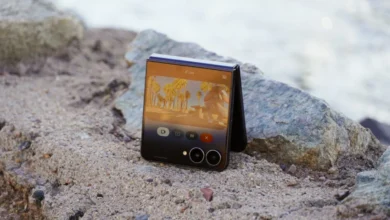
The conversation around the future of flip phones is particularly timely, given the burgeoning interest in foldable devices. In the context of modern smartphones, "flip phones" refer specifically to clamshell-style foldable phones, such as Samsung’s Galaxy Z Flip series, Motorola’s Razr, and OPPO’s Find N Flip. These devices offer a compact form factor when folded, appealing to users seeking portability and a touch of nostalgia for the flip phones of the early 2000s, while providing a full-sized smartphone experience when unfolded.
Market Growth and Analyst Projections:
The foldable smartphone market, while still a niche segment, has demonstrated robust growth. According to reports from IDC and Counterpoint Research, shipments of foldable phones grew significantly year-over-year. For instance, Counterpoint Research projected that global foldable smartphone shipments would reach 22.7 million units in 2023, representing a 43% year-on-year increase. This growth is largely driven by improved technology, decreasing (though still premium) prices, and increased consumer awareness. Clamshell foldables, like the Z Flip, often account for a larger share of these shipments compared to book-style foldables due to their more accessible price points and wider appeal as a stylish, compact device.
Advantages of Modern Flip Phones:
- Portability: Their primary appeal is the ability to fold into a much smaller, pocket-friendly form factor.
- Durability (Improved): While initial concerns existed, newer generations feature improved hinge designs and display protection.
- Novelty and Style: They offer a distinctive aesthetic and user experience that stands out from conventional slab phones.
- Secondary Screen Utility: External displays (e.g., Samsung Z Flip’s Flex Window) have become increasingly functional for notifications, quick replies, and camera previews.
- Unique Use Cases: The ability to partially fold allows for "Flex Mode" features, enabling hands-free video calls or media consumption.
Challenges and Hurdles:
Despite their appeal, flip phones face several challenges that the Pixelated hosts likely addressed:

- Durability Concerns: While improved, the long-term durability of foldable displays and hinges remains a topic of scrutiny for consumers. Creases in the display are also an aesthetic and tactile consideration.
- Price: While generally more affordable than book-style foldables, flip phones still command a premium over comparable non-foldable flagships.
- Battery Life: The compact design often necessitates smaller batteries, leading to concerns about all-day battery performance, especially with dual displays.
- Software Optimization: Ensuring all apps and the operating system fully leverage the foldable form factor and secondary screens requires ongoing development.
- Market Adoption: Despite growth, foldables represent a small fraction of the overall smartphone market, limiting economies of scale.
Key Players and Innovation:
Samsung has been a pioneer in the flip phone segment with its Galaxy Z Flip series, continuously refining the design, hinge mechanism, and software experience. Motorola has revived its iconic Razr brand with foldable iterations, focusing on a premium design and user experience. Other manufacturers like OPPO, Huawei, and Tecno have also entered the clamshell foldable market, bringing diverse designs and price points. The competition is driving rapid innovation in hinge technology, display materials, and software features tailored for the unique form factor.
Industry analysts generally concur that foldables, including flip phones, are not a passing fad but a growing segment of the smartphone market. However, their journey to mainstream adoption hinges on several factors: continued price reduction, further enhancements in durability and battery life, and the development of truly compelling software experiences that leverage the unique form factor beyond mere novelty. The Pixelated discussion likely explored whether flip phones will eventually replace traditional smartphones for a significant user base or if they will remain a premium, niche product catering to specific preferences for style and portability. The consensus leans towards a future where foldables coexist with traditional smartphones, offering consumers more choice and innovation in design and functionality.
The Critical Role of Tech Podcasts in Industry Discourse
Platforms like Pixelated play an indispensable role in the broader technology ecosystem. In an era of rapid innovation and constant product releases, podcasts offer a dynamic and in-depth medium for analysis, commentary, and community engagement. Unlike fleeting news headlines, dedicated tech podcasts provide hosts the opportunity to engage in nuanced discussions, dissect complex technical specifications, and offer informed perspectives that go beyond surface-level reviews.
Damien, Abner, and Will, through their consistent production of Pixelated, contribute significantly to the tech dialogue. Their expertise allows for a critical examination of product announcements, market trends, and strategic decisions made by tech giants. For listeners, these podcasts offer an invaluable resource for staying abreast of the latest developments, understanding the implications of new technologies, and forming educated opinions. The interactive nature of podcasts, often inviting listener feedback and questions, fosters a vibrant community of tech enthusiasts, making the consumption of tech news a more engaging and participatory experience.
In conclusion, Pixelated episode 109 offered a timely and insightful exploration into the current state and future trajectory of the smartphone industry. By meticulously analyzing Samsung’s strategic push into AI with the Galaxy S24 series, reflecting on the foundational legacy of Google’s original Pixel Fold, and forecasting the evolving role of modern flip phones, the hosts provided a comprehensive overview of the key forces shaping mobile technology. The discussions underscored the industry’s continuous drive towards innovation, personalization, and diverse form factors, signaling a dynamic future where consumer choice and technological advancement remain at the forefront. As manufacturers continue to push the boundaries of design and functionality, platforms like Pixelated will remain crucial in demystifying these developments for a global audience.