Samsung Galaxy Z Flip 8, Z Fold 8, and Z Fold 8 Ultra Achieve Unprecedented Performance with Qualcomm Snapdragon 8 Elite Gen 5 Chip

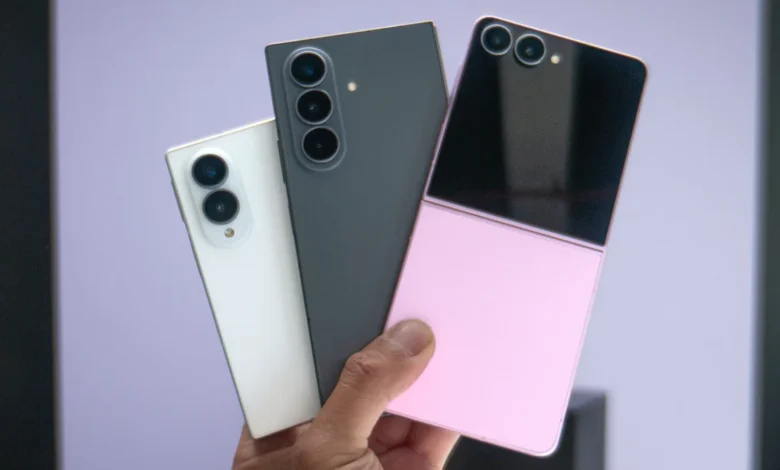
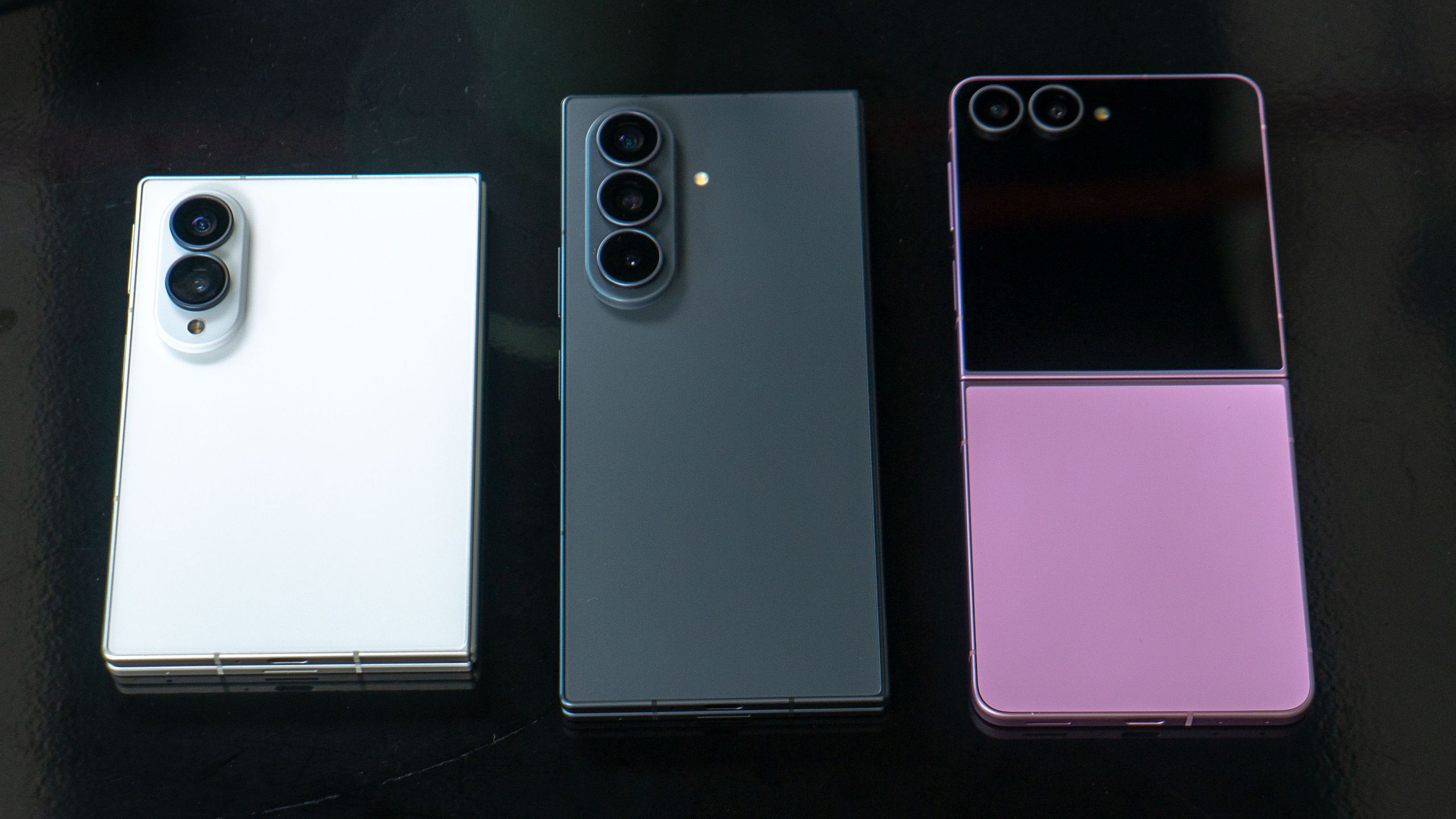
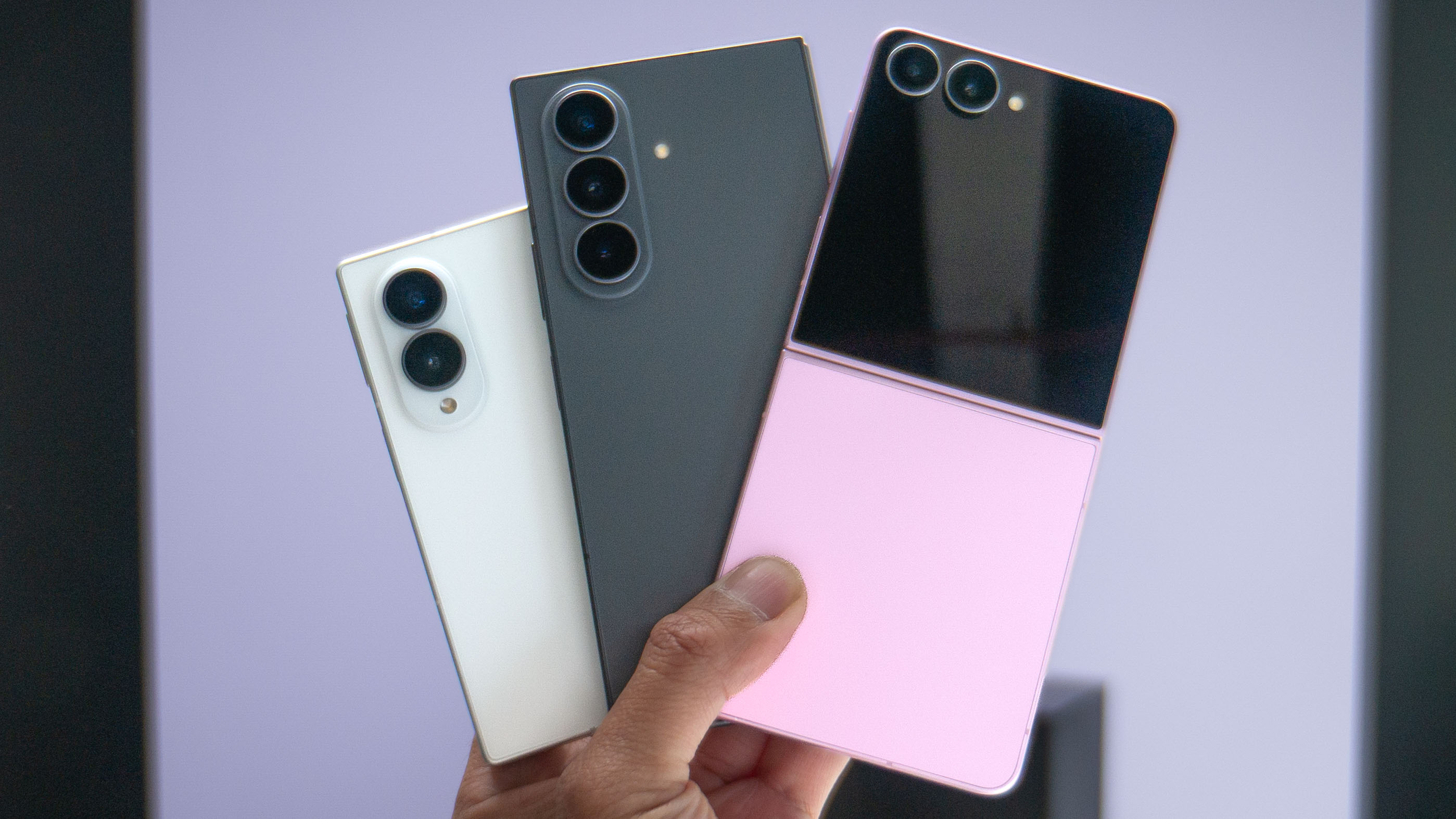
Samsung’s highly anticipated 2026 foldable smartphone lineup, unveiled at the recent Galaxy Unpacked event, has set a new benchmark for mobile device performance, with all three models – the Galaxy Z Flip 8, the Galaxy Z Fold 8, and the premium Galaxy Z Fold 8 Ultra – sharing a crucial component: Qualcomm’s cutting-edge Snapdragon 8 Elite Gen 5 chipset. This strategic decision marks a significant departure from previous years, where Samsung often diversified its foldable offerings with its in-house Exynos processors. The unified approach this year promises a more consistent and powerful user experience across the entire foldable range, a move that has been met with considerable industry interest and consumer anticipation.
The integration of the Snapdragon 8 Elite Gen 5 across the board is a substantial development. In the preceding year, Samsung had strategically employed its Exynos 2500 chipset in the Galaxy Z Flip 7, reserving Qualcomm’s flagship silicon exclusively for the more expansive Galaxy Z Fold 7. This year’s strategy, however, places all three foldable contenders on an equal footing in terms of raw processing power. Initial benchmark tests conducted by Tom’s Guide reveal that these devices are indeed the most powerful foldables to have ever passed through their testing labs, signifying a notable leap forward in foldable technology. While the unified chipset ensures a baseline of high performance, subtle variations in the results from rigorous testing do offer insights into which device ultimately reigns supreme within the new lineup, highlighting the nuanced differences in their internal optimizations and thermal management.
The Snapdragon 8 Elite Gen 5 represents the zenith of mobile processor technology from Qualcomm, designed to deliver unparalleled speed, efficiency, and advanced AI capabilities. Its inclusion in Samsung’s foldable devices is expected to translate into smoother multitasking, more fluid gaming experiences, and faster execution of demanding applications. For consumers, this means that whether they opt for the compact flip form factor or the expansive tablet-like display of the Fold series, they can expect a top-tier performance that rivals, and in many cases surpasses, traditional flagship smartphones.
A Strategic Shift: Embracing Qualcomm Across the Board
Samsung’s decision to equip all three of its 2026 foldable models with Qualcomm’s Snapdragon 8 Elite Gen 5 chipset represents a significant strategic alignment. This unified approach contrasts sharply with the company’s strategy in 2025, where the Galaxy Z Flip 7 was powered by Samsung’s own Exynos 2500, while the Galaxy Z Fold 7 received the Qualcomm Snapdragon 8 Gen 3 for Galaxy. This differentiation often led to discussions about performance parity and perceived value between the two models.
By adopting a singular, high-performance chipset across the entire 2026 foldable range, Samsung aims to:
- Ensure Consistent Performance: Users can expect a uniform level of speed and responsiveness regardless of which foldable they choose, eliminating concerns about one model being significantly underpowered compared to another.
- Streamline Development and Optimization: A single chipset simplifies the development process, allowing Samsung’s engineers to focus on optimizing software and hardware integration for maximum efficiency and performance.
- Leverage Qualcomm’s Strengths: The Snapdragon 8 Elite Gen 5 is renowned for its advanced CPU and GPU capabilities, as well as its sophisticated AI engine, which can power next-generation mobile experiences.
- Enhance Market Appeal: Presenting a unified front of top-tier performance across all foldable models can simplify marketing efforts and appeal to a broader audience seeking the best in mobile technology.
This move suggests a strong confidence in Qualcomm’s silicon and a potential recalibration of Samsung’s internal chip development priorities, at least for its foldable segment. It also signals a commitment to pushing the boundaries of what foldable devices can achieve in terms of raw power and computational capability.
Rigorous Testing Reveals Performance Peaks
To ascertain the real-world performance of these new devices, comprehensive benchmark tests were conducted. The primary benchmarks employed were Geekbench 6, a widely recognized tool for measuring CPU performance, and 3DMark, which assesses graphical processing capabilities. These tests provide quantifiable data that allows for direct comparisons between the new Samsung foldables and their predecessors, as well as key competitors in the foldable market.
Galaxy Z Flip 8 vs. Fold 8 vs. Fold 8 Ultra: Geekbench 6 Performance Analysis
Geekbench 6 results provide a clear picture of the raw processing power of the CPUs within these devices. The tests measure single-core performance, which is crucial for everyday tasks and the responsiveness of individual applications, and multi-core performance, which is vital for demanding operations like video editing, complex multitasking, and gaming.
| Device | Geekbench 6 (Single-Core) | Geekbench 6 (Multi-Core) |
|---|---|---|
| Galaxy Z Flip 8 | 3,627 | 11,215 |
| Galaxy Z Fold 8 | 3,659 | 11,020 |
| Galaxy Z Fold 8 Ultra | 3,733 | 11,457 |
| Galaxy Z Flip 7 | 2,286 | 8,079 |
| Galaxy Z Fold 7 | 3,052 | 9,735 |
The data from Geekbench 6 unequivocally places the Galaxy Z Fold 8 Ultra at the apex of performance within Samsung’s new foldable family. It achieved an impressive single-core score of 3,733 and a commanding multi-core score of 11,457. This not only makes it the most powerful device in the current lineup but also demonstrates a significant leap over its predecessor, the Galaxy Z Fold 7, which scored 3,052 in single-core and 9,735 in multi-core performance. This represents a substantial generational improvement, with the Ultra model exhibiting approximately 22.3% higher single-core power and a 17.7% boost in multi-core performance.
An intriguing trend emerges when comparing the standard Galaxy Z Fold 8 and the Galaxy Z Flip 8. While the Galaxy Z Fold 8 posted a slightly higher single-core score of 3,659, the compact Galaxy Z Flip 8 surprisingly outperformed it in multi-core performance, reaching 11,215 compared to the Fold 8’s 11,020. This nuanced difference suggests that while both devices share the same core processing architecture, Samsung’s software and thermal optimizations may be playing a role in how these scores manifest.
The most dramatic year-over-year improvement is evident in the Galaxy Z Flip 8. Its single-core score of 3,627 represents a staggering 59% increase over the Galaxy Z Flip 7’s 2,286. Similarly, its multi-core performance jumped by an impressive 39%, from 8,079 on the Flip 7 to 11,215 on the new model. This substantial leap underscores the transformative impact of migrating from the Exynos 2500 to the Snapdragon 8 Elite Gen 5, effectively bridging a significant performance gap that previously existed between Samsung’s flip and fold models.
Galaxy Z Flip 8 vs. Fold 8 vs. Fold 8 Ultra: 3DMark Wild Life Unlimited Analysis
The 3DMark Wild Life Unlimited benchmark is critical for evaluating the graphics processing capabilities of a smartphone, simulating intense gaming scenarios and high-fidelity visual rendering. This test is particularly relevant for foldable devices, which often serve as portable entertainment hubs.
| Device | 3DMark Wild Life Unlimited (Score) | 3DMark Wild Life Unlimited (FPS) |
|---|---|---|
| Galaxy Z Flip 8 | 29,723 | 177.9 |
| Galaxy Z Fold 8 | 26,608 | 165.3 |
| Galaxy Z Fold 8 Ultra | 30,980 | 185.51 |
| Galaxy Z Flip 7 | 19,144 | 114.64 |
| Galaxy Z Fold 7 | 20,529 | 123.83 |
In the realm of graphical performance, the Galaxy Z Fold 8 Ultra once again establishes itself as the undisputed leader. It shattered the 30,000-point barrier, achieving a remarkable score of 30,980 and an average frame rate of 185.51 frames per second (fps). This level of graphical prowess is exceptionally high and indicates the device’s capacity to handle the most demanding mobile games and graphically intensive applications with exceptional fluidity.
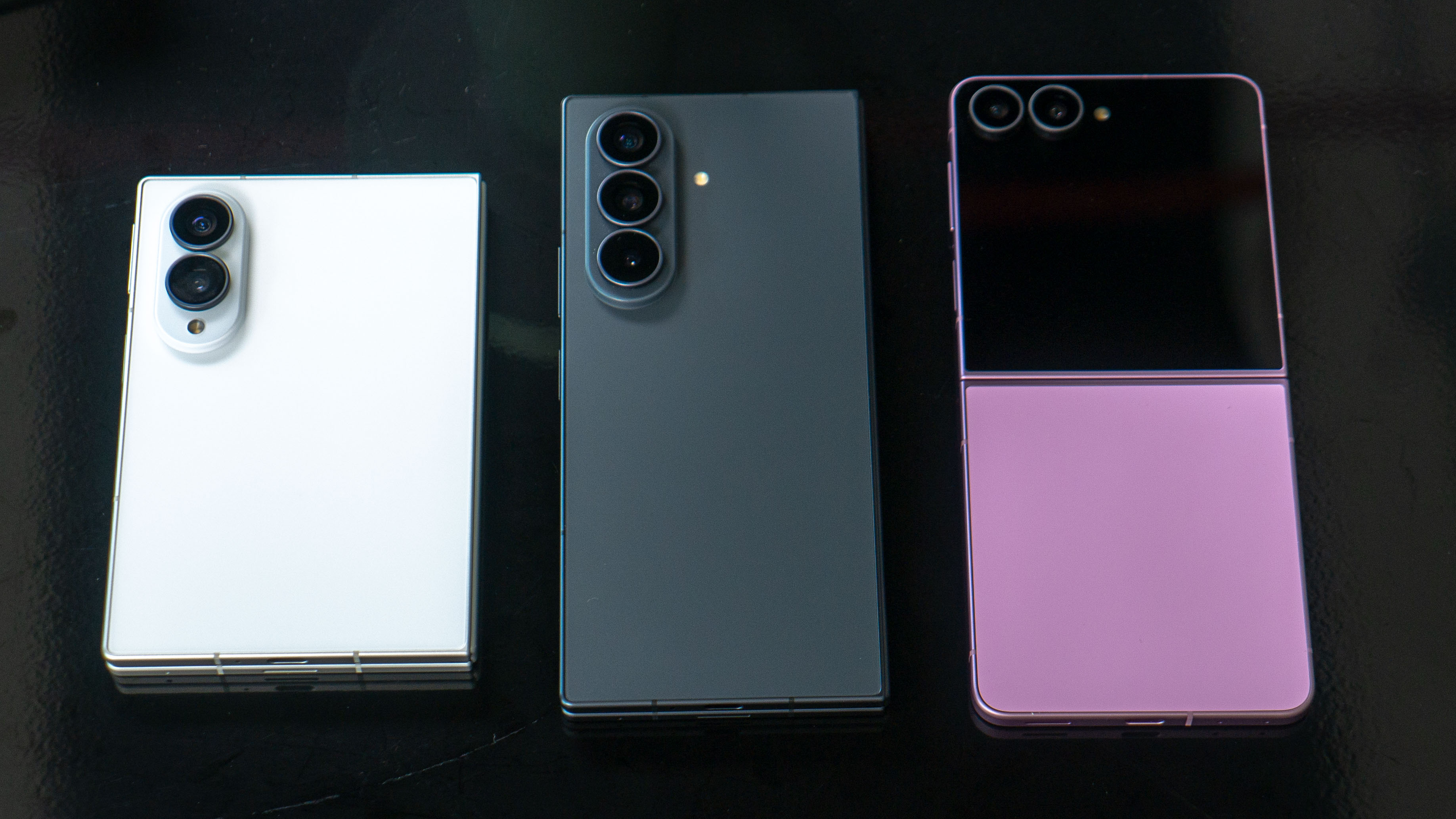
The Galaxy Z Flip 8 also demonstrates outstanding graphical capabilities, securing the second position with a score of 29,723 and an average of 177.90 fps. This performance surpasses that of the standard Galaxy Z Fold 8, which registered 26,608 points and 165.30 fps. While all three new foldables offer substantial graphical muscle for mobile gaming, the Ultra and the Flip 8 notably edge out the standard Fold 8 in peak rendering speeds, which is crucial for users who demand an absolutely seamless visual experience without any stuttering or frame drops.
The generational leap in graphics performance is again most pronounced for the Galaxy Z Flip 8. Its 3DMark score is a remarkable 55.3% higher than that of the Galaxy Z Flip 7 (19,144), and its average frame rate has seen an equally impressive boost of 55.2% (from 114.64 fps). This substantial improvement highlights the immense benefit of transitioning from the Exynos architecture to the Snapdragon platform for graphics-intensive tasks.
The Galaxy Z Fold 8 Ultra also exhibits significant year-over-year growth, delivering a 50.9% increase in its overall score and a 49.8% jump in frame rate performance compared to the Galaxy Z Fold 7. This translates directly to a smoother and more immersive gaming experience on Samsung’s flagship foldable.
Comparative Performance: Facing the Competition
To contextualize Samsung’s performance gains, the new foldables were benchmarked against key competitors in the market, including models from Motorola and Google.
Competitor Benchmarks: Geekbench 6 and 3DMark
| Device | Geekbench 6 (Single-Core) | Geekbench 6 (Multi-Core) | 3DMark Wild Life Unlimited (Score) | 3DMark Wild Life Unlimited (FPS) |
|---|---|---|---|---|
| Motorola Razr Ultra (2026) | 2,886 | 8,982 | 24,437 | 146.33 |
| Motorola Razr Fold | 2,711 | 9,134 | 21,580 | 129.23 |
| Google Pixel 10 Pro Fold | 2,344 | 6,332 | 13,306 | 79.68 |
| Samsung Galaxy Z Flip 8 | 3,627 | 11,215 | 29,723 | 177.9 |
| Samsung Galaxy Z Fold 8 | 3,659 | 11,020 | 26,608 | 165.3 |
| Samsung Galaxy Z Fold 8 Ultra | 3,733 | 11,457 | 30,980 | 185.51 |
Against its primary rivals, Samsung’s new foldable lineup demonstrates a clear performance advantage. The Galaxy Z Flip 8 significantly outperforms the Motorola Razr Ultra (2026), boasting a 25.7% lead in single-core speeds and a 24.9% advantage in multi-core performance.
In the book-style foldable category, the Galaxy Z Fold 8 Ultra asserts its dominance. It delivers a remarkable 43.6% higher graphical performance than the Motorola Razr Fold and an even more staggering 132.8% lead in single-core performance and 80.9% in multi-core performance when compared to the Google Pixel 10 Pro Fold. These figures underscore Samsung’s commitment to pushing the envelope in the premium foldable segment, offering a substantial upgrade for users transitioning from other brands or older models.
The performance gap between the new Samsung foldables and their competitors highlights the benefits of the unified Snapdragon 8 Elite Gen 5 strategy. It suggests that Samsung is not only maximizing its own device potential but also setting a higher bar for the entire foldable smartphone industry.
Implications of the Performance Leap
The widespread adoption of the Snapdragon 8 Elite Gen 5 chipset across Samsung’s 2026 foldable lineup carries significant implications for the future of mobile technology.
- Enhanced User Experience: Users can anticipate a more fluid and responsive experience across all aspects of their foldable devices. This includes faster app loading times, smoother animations, improved multitasking capabilities, and the ability to run more demanding applications and games without compromise.
- AI Integration and Future Applications: The advanced AI capabilities of the Snapdragon 8 Elite Gen 5 will likely unlock new features and functionalities, particularly in areas such as computational photography, real-time language translation, and personalized user experiences. This could lead to more intelligent and intuitive interactions with mobile devices.
- Gaming on Foldables: The substantial improvements in graphical performance make foldable devices even more attractive for mobile gamers. The ability to render complex 3D environments at high frame rates on larger, immersive displays opens up new possibilities for mobile gaming.
- Competitive Landscape: Samsung’s strong performance metrics will likely put pressure on other manufacturers to match or exceed these benchmarks. This could accelerate innovation and lead to further advancements in chipset technology and foldable device design across the industry.
- Democratization of High Performance: By offering the same flagship processor across its entire foldable range, Samsung is making top-tier performance more accessible. Consumers no longer have to opt for the most expensive model to experience the highest level of speed and responsiveness, though the Ultra model still leads in overall optimization and premium features.
The Verdict: A New Era for Foldables
Samsung’s strategic decision to equip the entire Galaxy Z 8 series with Qualcomm’s Snapdragon 8 Elite Gen 5 chipset has undoubtedly paid dividends. The benchmark results clearly indicate that all three devices represent substantial generational leaps in both CPU processing power and graphical performance.
The Galaxy Z Fold 8 Ultra stands out as the pinnacle of performance, consistently topping the charts in every tested metric and asserting its dominance over competitors like the Google Pixel 10 Pro Fold and the Motorola Razr Fold. It represents the ultimate foldable experience for those who demand the absolute best in power and capability.
However, the Galaxy Z Flip 8 emerges as a surprise hero. Its remarkable performance, particularly the massive year-over-year improvements over the Flip 7, demonstrates that compact foldables can now deliver flagship-level power, challenging the notion that high performance is solely the domain of larger devices. Its ability to compete closely with, and in some multi-core scenarios, even surpass the standard Fold 8 is a testament to Samsung’s optimization efforts and the raw power of the Snapdragon chip.
While the standard Galaxy Z Fold 8 remains a dependable and powerful device, it is the Ultra and the Flip 8 that showcase the most exciting advancements. Samsung’s 2026 foldable lineup is not merely an iterative upgrade; it sets a new benchmark for what foldable smartphones can achieve, ushering in a new era of mobile computing where power, versatility, and innovative form factors converge. The unified approach with Qualcomm’s top-tier silicon has clearly paid off, delivering an exceptional user experience that is set to redefine expectations in the premium smartphone market.