Amazon Devices Reappear at Prime Day Prices During Best Buy’s "Black Friday in July" Sale


Good news for consumers who may have missed out on the deeply discounted Amazon devices offered during the recent Prime Day event. In a strategic move to capture market share and offer continued value, Best Buy has brought back a selection of Amazon’s popular hardware at their Prime Day price lows as part of its ongoing "Black Friday in July" sales initiative. This promotion, which extends for a week, presents a second opportunity for shoppers to acquire these sought-after smart home and entertainment products at significant savings, exclusively through Best Buy’s retail and online channels.
The "Black Friday in July" sale, a retail tactic increasingly adopted by major electronics vendors to stimulate mid-year sales, has become a significant event on the consumer electronics calendar. Best Buy’s participation this year, featuring a curated selection of Amazon-branded devices, indicates a strong collaboration and a shared objective to drive sales during a traditionally slower retail period. While Amazon’s own Prime Day is a global e-commerce phenomenon, this Best Buy event underscores the importance of third-party retailers in extending the reach and accessibility of popular product lines.
Key Deals and Product Categories
The current Best Buy promotion encompasses a broad spectrum of Amazon’s ecosystem, with prices starting as low as $21 for select items. This aggressive pricing strategy aims to attract a wide range of consumers, from those looking to build out their smart home infrastructure to individuals seeking affordable upgrades for their entertainment systems.
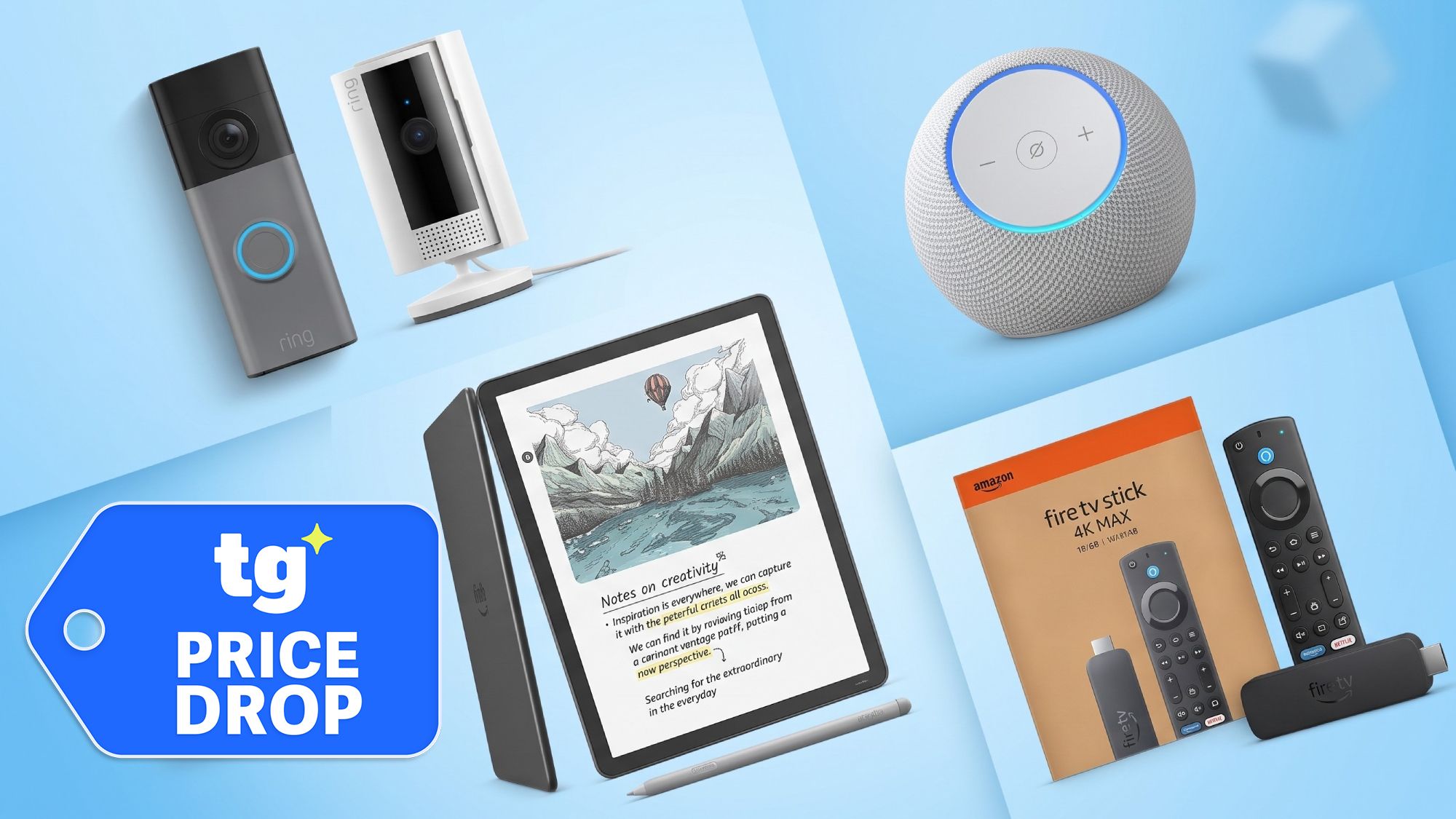
Among the most notable offers are significant discounts on devices from Amazon’s subsidiary brands, including Ring, Blink, and eero. Ring doorbells and security cameras, known for their home security capabilities, are available at attractive price points. Similarly, Blink’s range of affordable wireless security cameras, which have gained popularity for their ease of installation and long battery life, are also part of the sale. The eero mesh Wi-Fi systems, designed to eliminate dead zones and provide robust internet connectivity throughout the home, are also featured, offering consumers a chance to improve their home networking performance at a reduced cost.
Furthermore, the sale extends to Amazon’s popular 4K Fire TV devices. These smart televisions and streaming sticks offer access to a vast library of content and a user-friendly interface powered by Amazon’s Fire TV OS. The availability of these devices at Prime Day pricing suggests a concerted effort to clear inventory and capitalize on consumer demand for streaming technology.
One particularly highlighted deal within the sale is the Amazon Echo Show 8 (latest model) available for $124. This smart display, featuring an 8-inch HD screen with spatial audio and integration with Alexa, has been a consistent performer in the smart home market. The reported price of $124 represents a new low for the device throughout the year, making it a compelling purchase for consumers looking to leverage voice-controlled smart home management, entertainment, and communication. The Echo Show 8’s versatility, allowing users to manage smart home devices, stream music and videos, make video calls, and access information via Alexa, positions it as a central hub for modern living.
Background and Context of the "Black Friday in July" Strategy
The concept of a "Black Friday in July" sale emerged as a response to shifting consumer shopping habits and the desire for retailers to create additional high-traffic sales periods beyond the traditional holiday season. Initially pioneered by Amazon itself with its Prime Day event, other retailers have adopted similar mid-year sales to compete for consumer attention and spending.
Amazon Prime Day, typically held in July, has evolved from a single-day event to a multi-day shopping extravaganza, offering deep discounts across nearly all product categories sold on its platform. The success of Prime Day has prompted competitors, including Best Buy, to launch their own counter-programming sales events. Best Buy’s "Black Friday in July" sale is designed to draw shoppers away from Amazon’s platform and into its own ecosystem, leveraging its brick-and-mortar presence and its established reputation for electronics.
This year’s iteration of Best Buy’s mid-year sale is particularly noteworthy for its focus on Amazon’s own branded devices. This move suggests a complex dynamic in the retail landscape, where even direct competitors can engage in mutually beneficial promotional activities. For Best Buy, offering Amazon devices at competitive prices allows them to attract a broader customer base, many of whom are already invested in the Amazon ecosystem. For Amazon, partnering with a major retailer like Best Buy extends their reach and allows them to capture sales from consumers who prefer to shop at physical stores or through other online platforms.
The timeline of these sales events is crucial. Following the conclusion of Amazon’s Prime Day, consumers who may have experienced stockouts or hesitated due to the sheer volume of deals now have a second chance. This also allows shoppers who may not be Amazon Prime members to access similar pricing without the requirement of a subscription service.
Analysis of Implications and Consumer Impact
The availability of Amazon devices at Prime Day prices through Best Buy has several significant implications for consumers and the broader retail market.
Firstly, it intensifies competition within the consumer electronics sector. By offering these attractive price points, Best Buy is directly challenging Amazon on its own turf, even as it sells Amazon’s products. This competition ultimately benefits consumers through lower prices and a wider array of purchasing options.
Secondly, it highlights the growing interconnectedness of the retail landscape. The lines between online-only retailers and traditional brick-and-mortar stores are increasingly blurred. Best Buy’s ability to effectively compete with Amazon’s pricing strategies demonstrates the evolving nature of retail, where partnerships and strategic promotions play a vital role.
Thirdly, for consumers invested in the Amazon ecosystem, this sale provides an excellent opportunity to expand their collection of smart devices or upgrade existing ones. The Echo Show 8, for instance, can serve as a central command for managing other smart home devices, making it a valuable addition for existing Alexa users. Similarly, discounts on Ring, Blink, and eero can encourage wider adoption of smart home security and robust home networking solutions.
The timing of the sale also offers a strategic advantage. For many, the summer months present opportunities for home improvements or redecorating, during which time smart home technology can be integrated. The "Black Friday in July" sale provides an opportune moment to invest in these technologies at a reduced cost, before the rush of the holiday season.
Broader Impact on the Smart Home Market
The aggressive pricing of Amazon devices by Best Buy has broader implications for the smart home market. The affordability of these devices makes smart home technology more accessible to a wider demographic, potentially accelerating adoption rates. As more consumers integrate smart devices into their homes, the demand for interoperability and seamless integration across different brands and platforms is likely to increase.
The success of these mid-year sales also suggests a future trend where retailers will continue to experiment with sales events outside of the traditional holiday calendar. This could lead to more frequent promotional periods, offering consumers ongoing opportunities to purchase electronics at discounted prices.
From a market perspective, the collaboration between Amazon and Best Buy on this scale signals a mature market where even dominant players recognize the value of strategic partnerships to reach different customer segments. It underscores that while brand loyalty exists, price and convenience often play a deciding role in consumer purchasing decisions.
Looking Ahead: Future Retail Dynamics
The continued success of events like Best Buy’s "Black Friday in July" sale will likely influence how retailers approach promotional strategies in the coming years. The ability to leverage popular product lines from competing brands, as seen with Amazon devices at Best Buy, could become a more common tactic.
For consumers, staying informed about these staggered sales events is crucial to maximizing savings. The presence of multiple retailers offering similar deals at different times means that patience and awareness can lead to significant financial benefits, especially when purchasing high-value electronics.
The current promotion at Best Buy serves as a timely reminder that the retail landscape is dynamic and often presents unexpected opportunities for consumers to acquire desired products at favorable prices. As the "Black Friday in July" sale continues, shoppers are encouraged to explore the full range of discounted Amazon devices and capitalize on these savings before the promotion concludes. The ongoing efforts by retailers to create compelling mid-year sales events underscore a commitment to providing value and stimulating consumer spending throughout the year.