Legendary WWII Submarine Crosses Lake Michigan For First Repairs In 50 Years

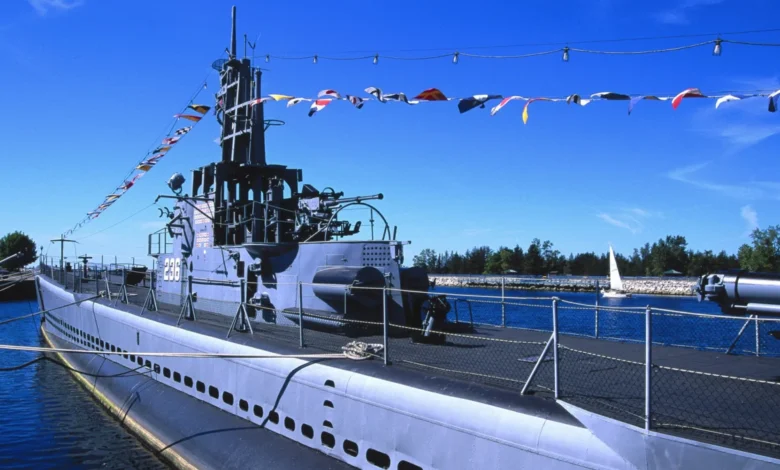
The USS Silversides, a celebrated Gato-class submarine that played a pivotal role in the Pacific Theater during World War II, has embarked on a historic journey across Lake Michigan for its first major repairs in over half a century. This monumental undertaking, which saw the venerable vessel towed without its propellers for a grueling 20-hour voyage, marks a critical milestone in the ongoing efforts to preserve one of America’s most decorated naval assets. Typically a star attraction at the USS Silversides Submarine Museum in Muskegon, Michigan, the submarine is now dry-docked at Fincantieri Bay Shipbuilding, where it will undergo an extensive, multi-million dollar restoration project designed to ensure its structural integrity and continued accessibility to the public for decades to come.
A Journey Across Lake Michigan: A Logistical Feat
The journey itself was a testament to meticulous planning and coordination, transforming a routine maintenance requirement into a public spectacle. Departing from its long-standing berth in Muskegon, the USS Silversides (SS-236), a vessel measuring 311 feet in length and displacing 1,526 tons submerged, was carefully maneuvered into the open waters of Lake Michigan. Despite retaining operational diesel engines, the decision was made to tow the submarine, primarily due to the specialized nature of the dry-docking procedure and the need to avoid unnecessary wear on its internal systems given the extensive repairs anticipated. The arduous 20-hour tow required the expertise of specialized tugboats, navigating the often-unpredictable waters of Lake Michigan. This complex operation involved close collaboration with maritime authorities, including the U.S. Coast Guard, to ensure a safe passage for the historic submarine, a process that captivated onlookers along the shoreline and generated considerable media attention. The sight of the massive, dark hull moving gracefully across the vast lake, a silent echo of its wartime prowl, served as a powerful reminder of its enduring legacy and the national significance of its preservation.
The Illustrious Career of USS Silversides (SS-236)
The USS Silversides entered service on December 15, 1941, just days after the devastating attack on Pearl Harbor, thrusting it immediately into the maelstrom of World War II. As a Gato-class submarine, it was part of the U.S. Navy’s second generation of mass-produced submarines during the conflict, renowned for their robust design and formidable offensive capabilities. Over the course of its distinguished wartime career, primarily in the Pacific Theater, the Silversides earned a reputation as one of the most successful American submarines. Under the command of several captains, most notably Commander Creed Burlingame, the Silversides completed 14 war patrols, sinking 23 confirmed Japanese ships. This impressive tally amounted to more than 90,000 tons of enemy cargo and military vessels destroyed, a critical contribution to the Allied war effort to cripple Japan’s supply lines and naval power.
Its combat record is replete with acts of daring and tactical brilliance. One notable incident occurred during its fourth war patrol in January 1943, when the Silversides launched an attack against a Japanese convoy off the coast of New Guinea. Despite a malfunction that caused one of its torpedoes to become stuck in its tube, the crew, under extreme pressure and in enemy waters, performed an emergency procedure to remove the live torpedo, showcasing exceptional bravery and ingenuity. For its extraordinary service and combat prowess, the USS Silversides was awarded 12 battle stars, placing it among the top five most successful U.S. Navy submarines of World War II. It also received the Presidential Unit Citation, one of the highest honors for a military unit, further cementing its place in naval history. After the war, the Silversides was decommissioned in 1946 and eventually preserved, arriving in Muskegon in 1987 to become the centerpiece of its dedicated museum.
The Gato-Class: Backbone of the Pacific Fleet
The Gato-class submarines were instrumental to the U.S. Navy’s strategy in the Pacific. More than 70 Gato-class boats were constructed during World War II, forming the backbone of the American submarine fleet. These submarines were an evolution from earlier classes, featuring improved range, speed, and armament. Measuring 311 feet in length with a beam of 27 feet, they were powered by four diesel engines for surface propulsion and two electric motors for submerged operations, allowing them to achieve surface speeds of over 20 knots and submerged speeds of around 9 knots. Their armament typically included ten 21-inch torpedo tubes (six forward, four aft) and a deck gun, usually a 3-inch or 4-inch, along with anti-aircraft guns.
While they may not have possessed the rapid diving capabilities of some British or German counterparts, Gato-class submarines offered significant advancements in crew comfort, a crucial factor for extended patrols in the tropical Pacific. Unlike many other wartime vessels, they featured air conditioning, a luxury that greatly improved habitability and crew efficiency in sweltering conditions. Each sailor also had a bunk, a stark contrast to the "hot bunking" often practiced on other submarine types where sailors shared bunks on different shifts. These features, combined with their robust design and the skill of their crews, enabled the Gato-class to conduct highly effective patrols, inflicting devastating losses on Japanese shipping and playing a critical role in cutting off vital resources to the Japanese war machine. The success of the Silversides is a direct reflection of the overall effectiveness and strategic importance of the entire Gato-class fleet.
A Half-Century in Waiting: The Urgent Need for Restoration
The current dry-docking represents the first major repair and restoration effort for the USS Silversides in more than 50 years, a testament to the initial quality of its preservation but also a stark reminder of the relentless march of time and the corrosive power of the elements. Historic vessels, especially those exposed to the weather and water as museum ships, require continuous maintenance to counteract degradation. After five decades, the need for comprehensive structural evaluation and repairs has become critical to ensure the submarine’s long-term viability and public safety.
The anticipated repairs, estimated at $3.5 million, will address decades of wear and tear. Key aspects of the restoration include a thorough structural inspection to identify areas of corrosion, metal fatigue, or other damage to the hull and internal framework. Workers will meticulously clean the hull, removing layers of marine growth and old coatings, before undertaking necessary steel repairs. This often involves welding in new steel plates to replace weakened sections, a process that demands specialized skills to maintain the vessel’s historical integrity while ensuring its structural soundness. Finally, new protective coatings will be applied, including anti-corrosive paints and sealants, to safeguard the submarine against the harsh environment of Lake Michigan and prolong its life for many more decades. These preventative measures are crucial for maintaining the vessel afloat and accessible, preventing further deterioration that could lead to irreparable damage.
The Multi-Million Dollar Endeavor: Funding and Expertise
The ambitious $3.5 million restoration project for the USS Silversides is a significant financial undertaking that relies on a combination of federal grants, private donations, and community support. A substantial contribution of $750,000 has been secured through the Save America’s Treasures Grant Program, administered by the National Park Service (NPS) within the U.S. Department of the Interior. This highly competitive program provides critical funding for the preservation of nationally significant cultural and historic resources, underscoring the USS Silversides’ recognized importance as a national treasure.
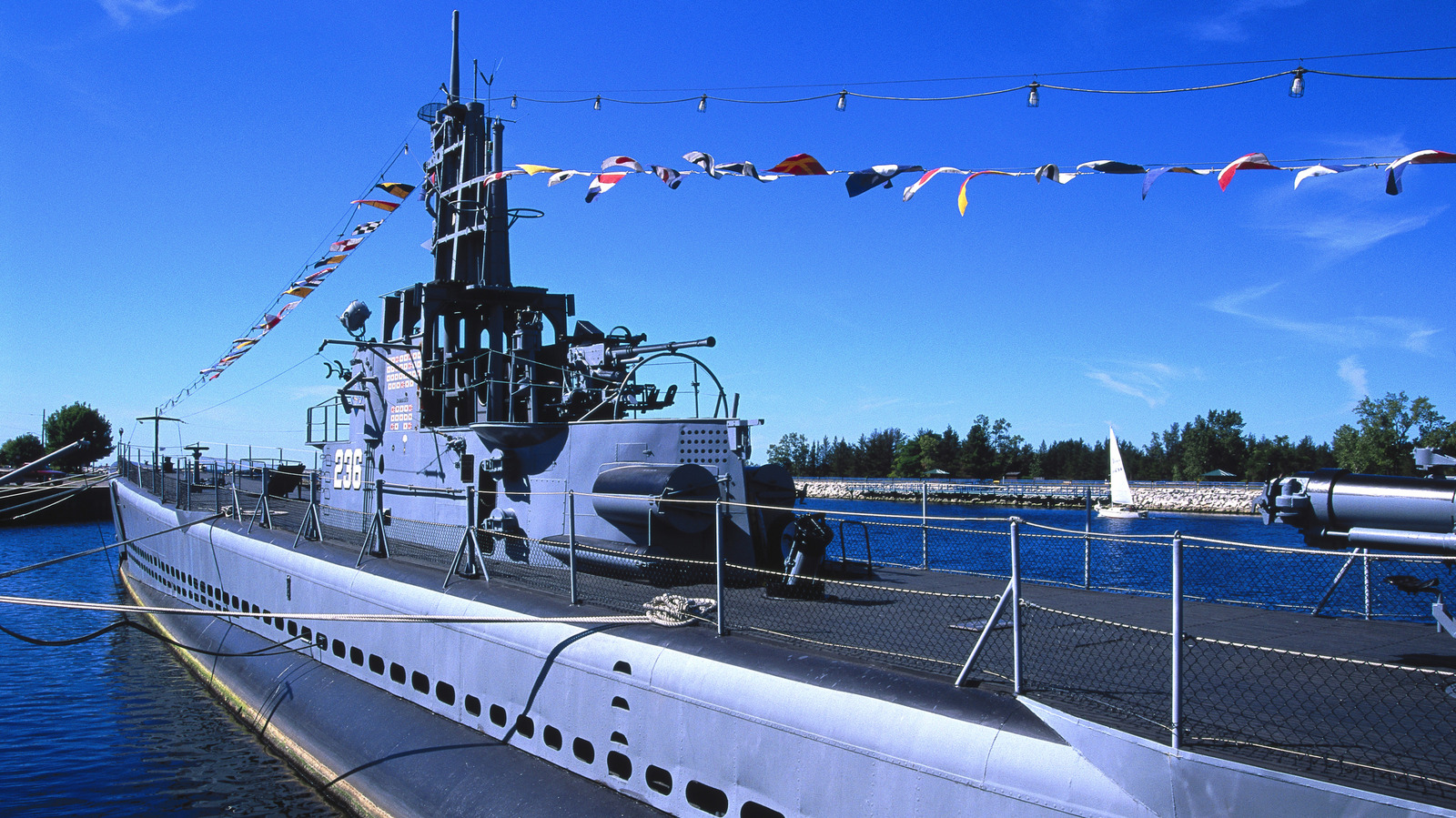
"The USS Silversides is more than just a submarine; it’s a floating monument to the bravery and sacrifice of an entire generation," stated a representative from the National Park Service, emphasizing the significance of the grant. "Our program is dedicated to ensuring that these irreplaceable artifacts of American history are preserved for future generations, and the Silversides certainly exemplifies the spirit of national valor we aim to protect."
The remaining balance of the project cost, approximately $2.75 million, is being raised through a dedicated fundraising campaign spearheaded by the USS Silversides Submarine Museum. This effort includes soliciting donations from individuals, corporations, and philanthropic organizations, as well as organizing community events. The museum has established an online donation portal, allowing supporters from across the nation to contribute directly to the dry-dock work, highlighting the broad appeal and patriotic sentiment associated with preserving such a historic vessel.
The choice of Fincantieri Bay Shipbuilding in Sturgeon Bay, Wisconsin, as the repair facility, speaks to their specialized expertise in handling large, complex marine projects, including those involving historic vessels. "It’s an immense honor to contribute to the preservation of such a historically significant vessel," commented a spokesperson for Fincantieri Bay Shipbuilding. "Our team brings decades of experience in shipbuilding and repair, and we are committed to applying the highest standards of craftsmanship to ensure the USS Silversides returns to Muskegon in pristine condition, ready to inspire for another half-century."
Sustaining the Legacy: Museum Operations During Dry-Dock
While the star attraction is temporarily absent, the USS Silversides Submarine Museum remains steadfast in its mission to educate and inspire. The museum will continue to welcome visitors until the submarine’s anticipated return in mid-October 2026. Recognizing the impact of the submarine’s absence, the museum plans to introduce new waterfront experiences and expand its existing exhibits. These initiatives might include augmented reality tours of the submarine’s interior, showcasing its current state of repair and the intricate work being done. There are also plans for enhanced land-based displays focusing on the broader context of World War II submarine warfare, the lives of submariners, and the technological advancements of the era. Educational programs for schools and public lectures by naval historians or veterans are also being considered to keep the story of the Silversides and its crew alive.
"Though the Silversides is temporarily away, its spirit of courage and innovation remains vibrantly within our walls," stated Cheryl Eberly, Executive Director of the USS Silversides Submarine Museum. "We see this period not as a pause, but as an opportunity to innovate our visitor experience, deepen our educational offerings, and remind everyone of the incredible sacrifices made during WWII. We invite everyone to continue visiting and supporting our efforts as we eagerly await her triumphant return." The museum’s Gift Shop also continues to operate, with proceeds directly supporting its ongoing operations and the restoration fund.
Statements from Stakeholders
The widespread support for the USS Silversides’ restoration reflects its deep historical and cultural resonance.
"The Silversides is more than just a museum piece; it’s a direct link to a pivotal moment in American history and a powerful educational tool," emphasized Dr. Eleanor Vance, a naval historian specializing in World War II. "Its preservation ensures that future generations can physically connect with the sacrifices made and the technological marvels developed during that era. Projects like this are vital for maintaining our collective memory."
Local officials in Muskegon have also voiced their enthusiastic support. "The USS Silversides is a cornerstone of our community’s identity and a significant driver of tourism," remarked Mayor Ken Johnson of Muskegon. "We are incredibly proud of its legacy and are fully committed to supporting the museum’s fundraising efforts. Its return will be a moment of great celebration for our city."
Beyond the Hull: The Broader Impact of Preservation
The extensive restoration of the USS Silversides carries implications far beyond the immediate structural repairs. It underscores the profound commitment to historical preservation in the United States, acknowledging the enduring value of physical artifacts in understanding our past. For many, these vessels are not just steel and machinery; they are memorials to the men and women who served, tangible reminders of human courage, ingenuity, and sacrifice.
The project also has a significant educational impact. By preserving the Silversides, the museum continues to offer an immersive learning experience, allowing visitors to step inside a piece of history and gain a firsthand appreciation for the realities of submarine warfare. This experiential learning is invaluable for students and adults alike, fostering a deeper understanding of World War II and the critical role played by the U.S. Navy.
Furthermore, the restoration project provides an economic boost to the region, creating jobs in specialized shipbuilding, historical conservation, and related support services. It reinforces the importance of heritage tourism, drawing visitors to Muskegon and contributing to the local economy.
As the USS Silversides undergoes its transformation, it stands as a testament to the nation’s resolve to honor its heroes and preserve its heritage. Its return in 2026 will not merely be the re-berthing of a ship, but a reaffirmation of the enduring legacy of the Greatest Generation, ready to inspire and educate for another half-century and beyond. The journey across Lake Michigan was more than a logistical challenge; it was a passage into a revitalized future for a true American legend.