
The Apple HomeView, a $299 smart display that merges the aesthetic sensibilities of the iconic iMac G4 with the modern functionality of the Apple Watch, has officially entered the competitive smart home market. Designed as a dedicated interface for the revamped Siri and the Apple Home ecosystem, the device serves as a central hub for users deeply embedded in the company’s hardware environment. Available in both tabletop and wall-mounted configurations, the HomeView represents Apple’s most aggressive move yet to consolidate control over home automation, security, and personal media.
Design Evolution and Hardware Specifications
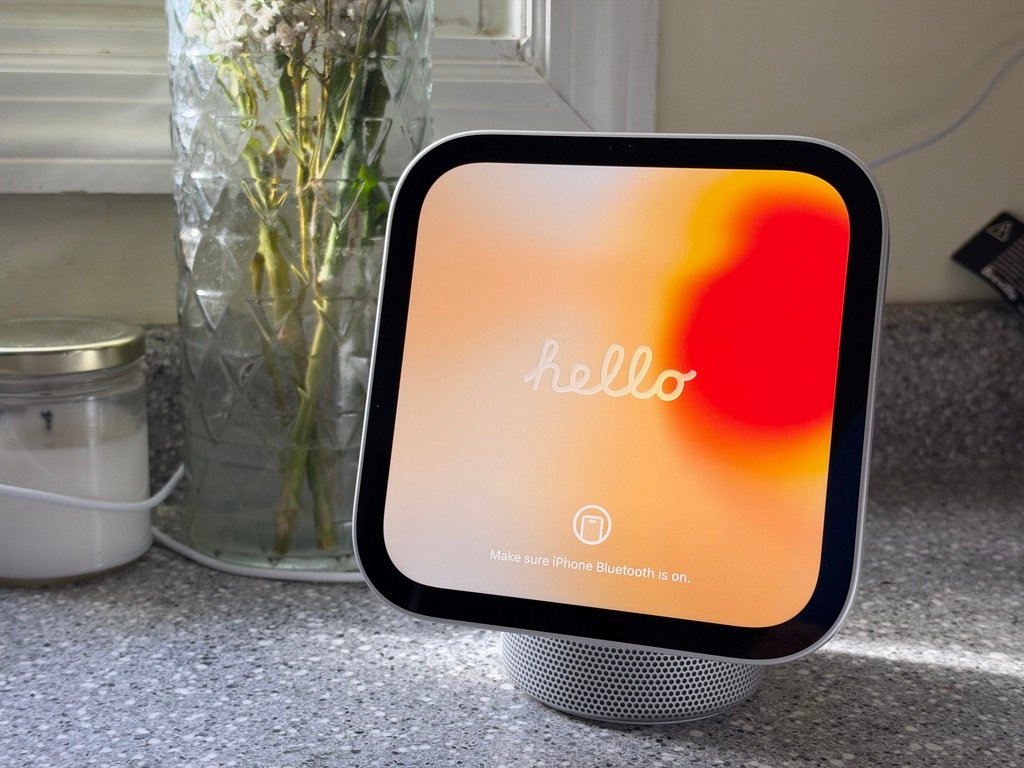
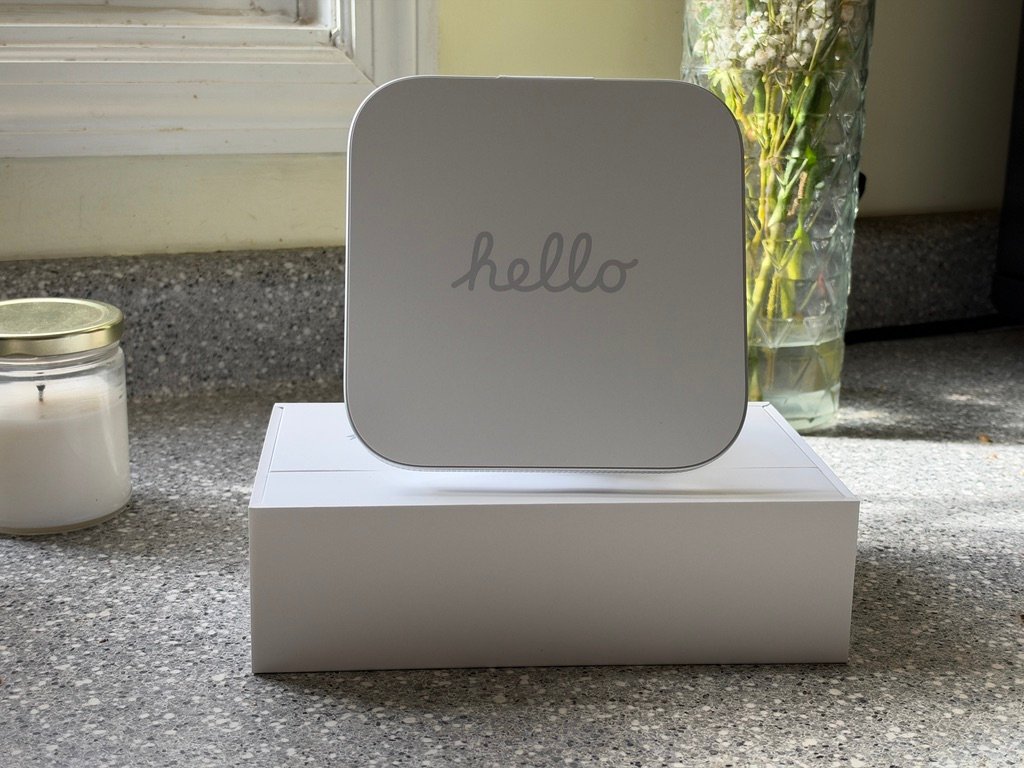
The HomeView marks a departure from the minimalist smart speakers Apple has produced over the last decade. The tabletop version features a 7-inch square touchscreen mounted on a weighted, domed aluminum base. This physical design provides significant stability for interaction, allowing the screen to tilt to accommodate various sightlines without wobbling. The device is available in four finishes: silver, starlight, rose pink, and space gray.
Internally, the HomeView is powered by the A18 chip, which is utilized here primarily for on-device processing of voice commands and facial recognition. The audio architecture consists of a down-firing woofer and two force-canceling passive radiators in the base, complemented by two custom full-range drivers integrated into the display panel. This setup allows the device to project sound with a clarity that surpasses smaller smart speakers, utilizing computational audio to adjust output based on the display’s orientation.
The wall-mounted variant offers a sleeker profile by omitting the speaker base, but this comes with logistical trade-offs. The unit requires a Schneider Home mount, sold separately for $59.95, and necessitates an external power supply of at least 20W.
Deployment and Chronology of the Ecosystem
The journey to the HomeView began with Apple’s gradual pivot toward the "Matter" smart home standard, a cross-industry protocol designed to improve interoperability between devices. Following the announcement of the updated Siri AI—which leverages Apple Intelligence to process personal context—the company needed a physical interface capable of handling the increased data load locally.
The device requires an iPhone or iPad running iOS 27.2 or later for initial synchronization. Upon first boot, the HomeView utilizes a "handshake" process that validates the user’s Apple ID through a nearby device. This setup period, while straightforward, highlights the device’s dependence on the wider ecosystem. Unlike competing tablets that allow for standalone app store access, the HomeView functions primarily as a mirror and extension of the user’s mobile hardware, pulling apps like Safari, Music, and TV from the paired phone.
Data Privacy and Security Architecture
A central pillar of the HomeView’s value proposition is its privacy-first design. Apple has implemented a "Secure Exclave" within the A18 chip to manage the device’s camera and microphone inputs. The system can identify up to six registered household members via facial recognition, ensuring that personal data—such as calendar appointments, messages, and reminders—is only displayed when the recognized individual’s device is present and unlocked.
According to technical specifications provided by Apple, this data is processed locally rather than in the cloud. This architectural choice is intended to mitigate concerns regarding the constant monitoring of private spaces. However, the reliance on an iPhone being physically nearby can lead to latency in device handoffs, as the HomeView and the smartphone negotiate which unit should respond to a specific voice command.
Smart Home Integration and Compatibility
The HomeView is strictly optimized for the Apple Home ecosystem, supporting both HomeKit and the newer Matter standard. This presents a clear limitation for households that rely on third-party security cameras, smart locks, or climate control systems that lack native compatibility. During testing, devices such as Ring cameras did not integrate into the HomeView’s "Home Camera" interface, which is designed to display up to nine live feeds simultaneously.
For consumers currently using non-compatible hardware, the HomeView necessitates a significant investment in transition. Apple has partnered with manufacturers like LG and Schneider to offer a curated suite of accessories that are guaranteed to function with the HomeView’s interface. This strategy effectively creates a "walled garden" for the home, prioritizing security and seamless connectivity over universal hardware support.
Performance in Domestic Utility
Beyond its role as a control hub, the HomeView is positioned as a kitchen utility. Its "Cooking Mode" provides a dedicated interface that strips away web clutter to present recipes in a clear, step-by-step format. The display brightness, which ranges from 0.3 to 500 nits, ensures visibility in high-glare environments while dimming to a non-intrusive glow for nighttime use.
The device’s audio capabilities were evaluated for both music playback and podcast consumption. While the HomeView does not replace dedicated audiophile-grade speakers, its use of Dolby Atmos via computational audio provides a spatial experience that is unexpectedly robust for a device of its size. Accelerometers within the base adjust the EQ based on the screen’s tilt, ensuring that the sound profile remains consistent whether the user is standing at a counter or sitting at a table.
Implications and Market Impact
The introduction of the HomeView suggests a broader shift in Apple’s strategy toward the "ambient computing" market. By tethering the HomeView to the iPhone, Apple is reinforcing the value of its mobile devices while simultaneously capturing the wall-mounted control space.
Industry analysts suggest that the HomeView’s $299 price point positions it as a premium option in a market saturated with lower-cost, plastic-heavy smart displays. The success of the product will likely depend on the rate of Matter adoption among third-party manufacturers. If the HomeView can successfully act as a bridge for a diverse range of smart appliances, it could become the definitive standard for home automation. Conversely, if it remains restricted to the Apple-only ecosystem, it may face limited appeal outside of the existing customer base.

Summary of Technical Considerations
- Audio: Dual-driver display, down-firing woofer, and passive radiators.
- Connectivity: Requires iOS/iPadOS 27.2+ for full integration.
- Privacy: Secure Exclave processing for camera and microphone inputs.
- Interoperability: Native support for HomeKit and Matter-enabled devices.
- Maintenance: No physical volume controls; relies on touch gestures and voice commands.
As the smart home landscape matures, the HomeView serves as a case study in integration. While it offers a polished, secure, and aesthetically pleasing experience for Apple users, the requirement for a specific set of compatible accessories remains a hurdle for broader market penetration. For those already committed to the Apple ecosystem, the HomeView offers a functional, high-quality solution for home management, provided the user is prepared to align their other smart devices with Apple’s stringent compatibility standards.
Future iterations of the hardware are expected to address current limitations, such as the lack of native thermostat integration and the occasionally conflicting handoff between the HomeView and a nearby iPhone. Until then, the device stands as a specialized, premium tool that successfully delivers on its promise of simplifying the complex, often fragmented world of modern home automation.