Meta Expands Its Muse AI Ecosystem to Wear OS and Apple Watch With New Wrist-Based Integration

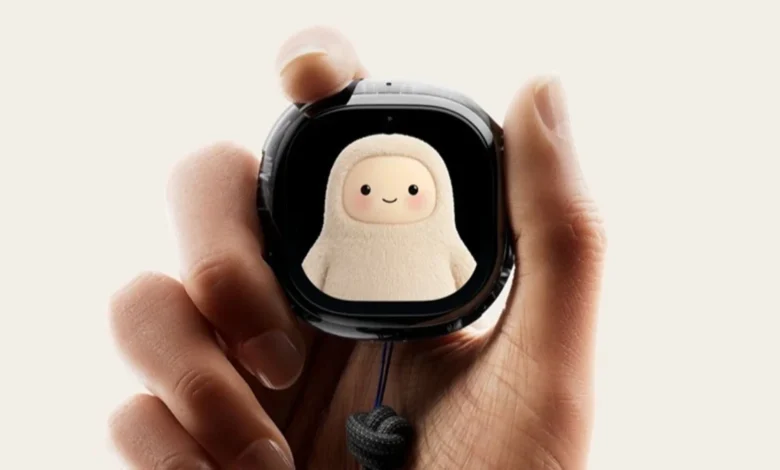
Meta Platforms is continuing to aggressively scale its artificial intelligence footprint, announcing that its consumer-focused Muse AI assistant is officially expanding to major smartwatch platforms, including Google’s Wear OS and the Apple Watch. The update, revealed through a brief post on the social media platform X by the official Muse account, signals a strategic pivot by Meta to embed its conversational intelligence directly into everyday wearable hardware.
The announcement, highlighted by the tagline "Works around the clock, and now on your wrist," introduces the whimsical, avatar-driven assistant to millions of smartwatch users globally. By extending Muse AI to both Android-powered wearables and Apple’s watchOS ecosystem, Meta is bypassing traditional smartphone interfaces to offer a more immediate, ambient computing experience. While the initial social media disclosure was succinct, industry analysts note that the integration will likely allow users to manage quick queries, receive real-time notifications, dictate and respond to messages, and interact with the AI assistant’s distinct visual persona directly from their wrists.
This development represents the latest milestone in a rapid rollout strategy for Meta’s Muse ecosystem. The push into wearable technology underscores a broader industry race among tech giants to capture the emerging ambient computing market, where voice and quick-glance interfaces supersede traditional app navigation.
Chronology of the Muse Ecosystem
The origins of Meta’s Muse AI initiative trace back to earlier this year when the company introduced the underlying foundational architecture, highlighted by the debut of the Muse Spark large language model (LLM). Meta positioned Muse Spark as a departure from massive, generalized models, describing it as "small and fast by design, yet capable enough to reason through complex questions." The architecture relies on a multi-agent system designed to distribute tasks across specialized AI modules to enhance both speed and accuracy. Furthermore, Meta integrated specialized knowledge bases into the model, including training data vetted by more than 1,000 medical professionals to handle health-related inquiries with greater precision.
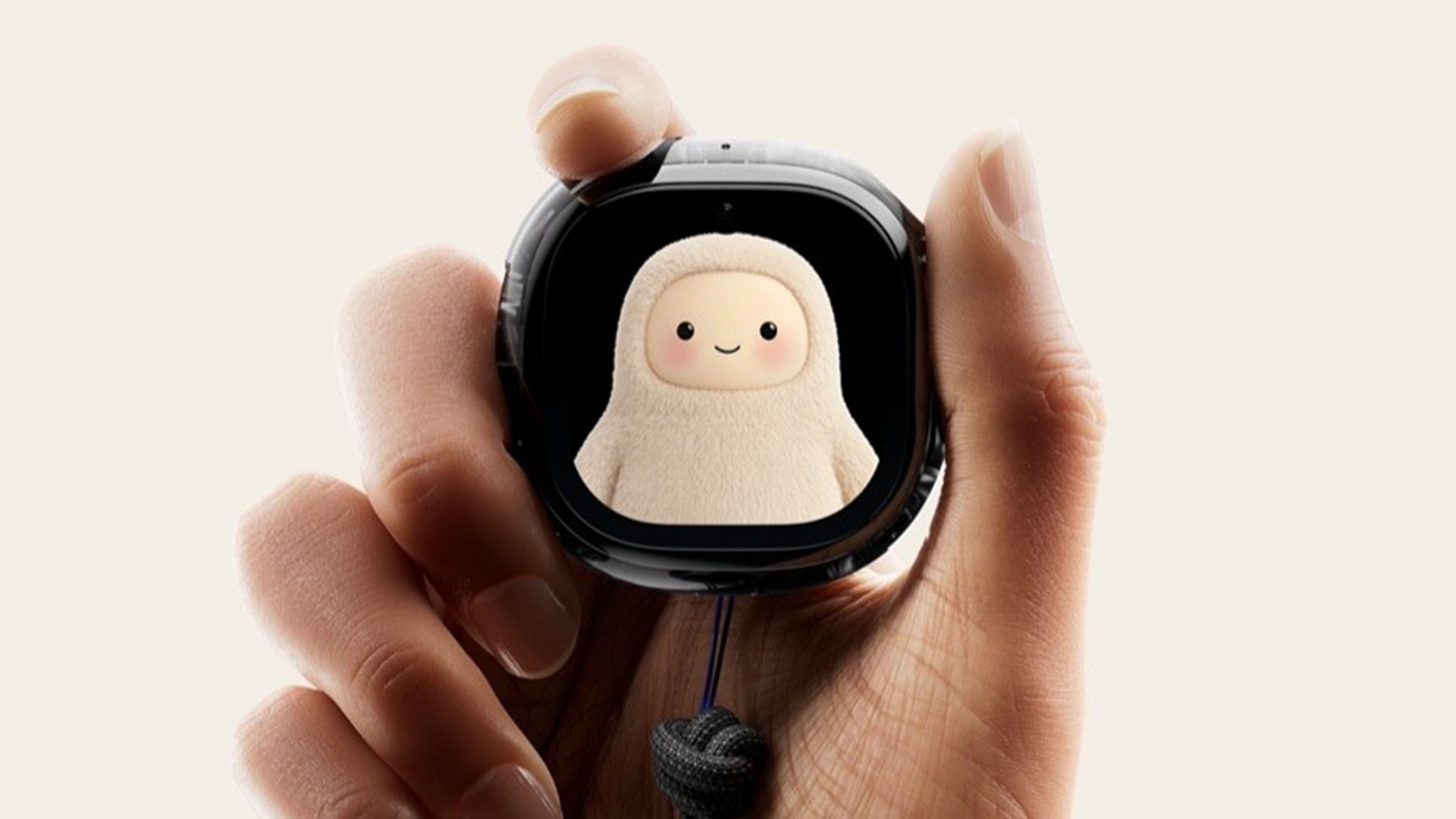
The consumer hardware push gained momentum in September, when Meta surprised the tech industry by revealing the "Muse Charm"—a standalone, pocket-sized device reminiscent of a modern, connected Tamagotchi. The Muse Charm featured a 2-inch OLED touchscreen, a built-in camera, a microphone, and high-quality speakers, all designed to maintain a persistent connection to the Muse AI via 5G networks.
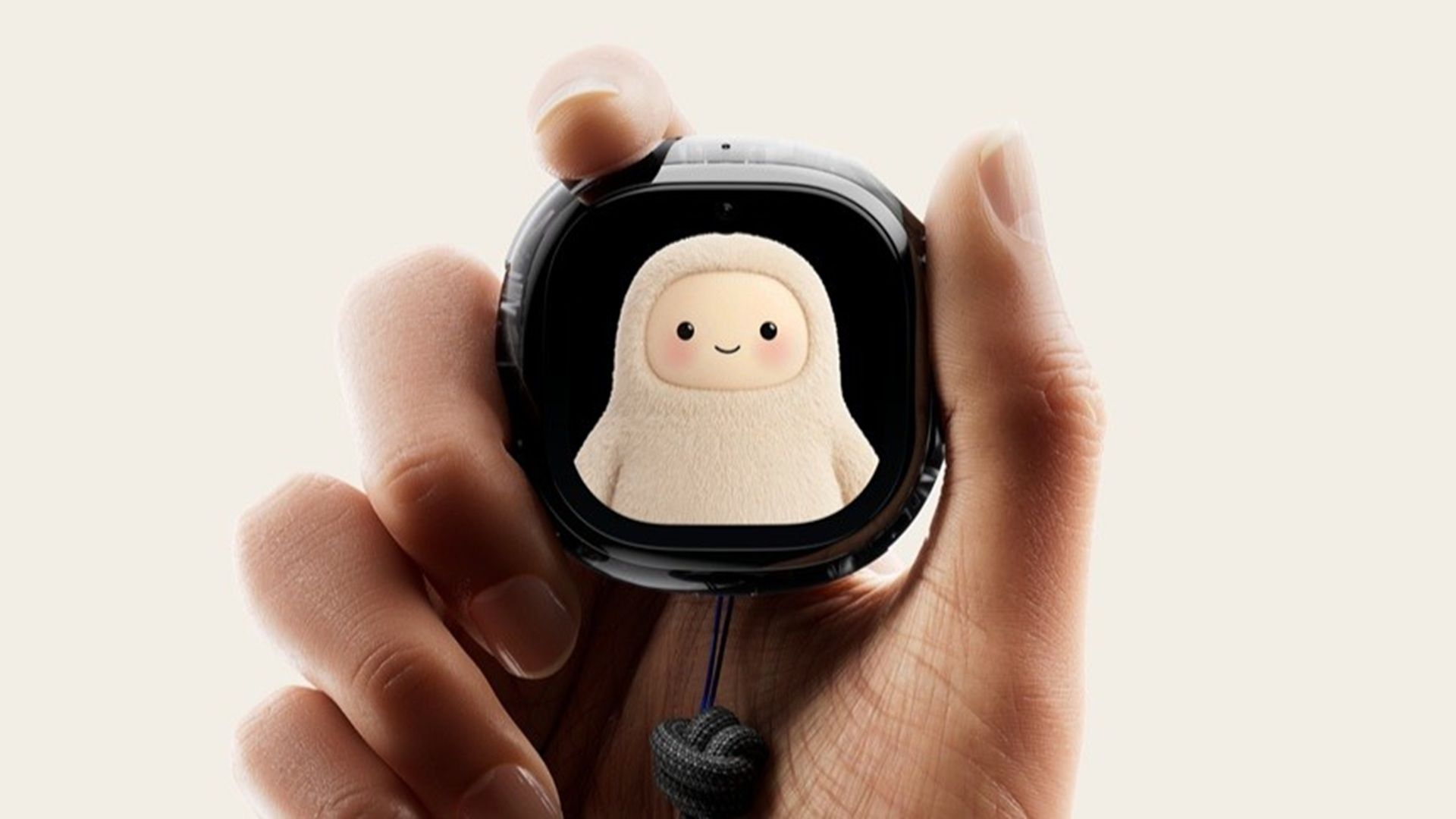
During the initial hardware showcase, Meta Chief Executive Officer Mark Zuckerberg emphasized the utility of the form factor. "We’ve packed a lot of technology with this little guy," Zuckerberg stated. "So, if you’re not wearing glasses, this is going to be by far the fastest way to talk to your Muse and to show it what’s going on around you."
The inclusion of an onboard camera gave the Muse Charm distinct real-world capabilities, allowing users to point the device at physical objects—such as foreign-language signage or complex diagrams—and receive immediate contextual explanations from the AI. However, the announcement of the Muse Charm also raised questions regarding product positioning, as its pricing and functionality threatened to overlap with existing smartwatches and smart glasses. The newly announced integration with Wear OS and Apple Watch appears to address part of this hardware overlap, allowing Meta to capture smartwatch users without requiring them to purchase a standalone companion gadget like the Muse Charm.
Technical Capabilities and "People-First" Design Philosophy
Meta’s broader strategy for Muse AI centers around what executives have termed a "people-first" era of artificial intelligence. Unlike enterprise-focused models designed for code generation or dense data analysis, Muse is optimized for personal companionship, daily organization, and intuitive human-computer interaction.
Under the hood, Muse Spark utilizes a multi-agent framework. By dividing complex user requests into discrete tasks handled by specialized background agents, the system minimizes latency—a critical engineering requirement for wearable devices with constrained thermal envelopes and battery capacities. Battery management remains one of the primary technical hurdles for wrist-worn AI integrations; running complex neural networks locally on a smartwatch is typically infeasible, meaning the Wear OS and Apple Watch integrations likely rely on a hybrid architecture that offloads heavy computations to cloud infrastructure while maintaining a lightweight client interface on the watch.
The user interface on wearables leverages the visual identity established during the Muse Charm reveal. Users interacting with the assistant on their wrists will encounter the same animated, expressive avatar designed to foster a sense of continuous engagement. This anthropomorphic design choice is deliberate, aiming to build user loyalty and transform the assistant from a utilitarian tool into a persistent digital companion.
Industry Implications and Competitive Landscape
Meta’s entry into the wearable AI space places it in direct competition with established ecosystems. Apple has steadily integrated its own intelligence features—Apple Intelligence—into watchOS, while Google continues to weave Gemini deeper into the Wear OS fabric through Pixel Watches and partner devices.
By making Muse AI platform-agnostic—supporting both Wear OS and watchOS—Meta is employing a distribution strategy reminiscent of its successful cross-platform messaging apps, Facebook Messenger and WhatsApp. Instead of locking the assistant behind a proprietary hardware wall like the Ray-Ban Meta smart glasses or the standalone Muse Charm, Meta is meeting consumers on the hardware they already own.
Market analysts suggest that this multi-platform approach could significantly accelerate user acquisition for the Muse ecosystem. Smartwatch owners represent a high-intent demographic accustomed to quick interactions, fitness tracking, and voice dictation. Integrating an advanced LLM into this environment opens new use cases for hands-free productivity, localized translations, and rapid information retrieval.
However, privacy advocates and security researchers are likely to scrutinize the expansion closely. Wearables continuously collect sensitive biometric, location, and behavioral data. Integrating an always-on AI assistant capable of capturing audio and visual cues—or interacting deeply with personal messaging and health metrics—raises important questions regarding data governance, user consent, and how Meta plans to handle and store telemetry generated from wrist-based interactions.
Looking Ahead
As Meta continues to deploy Muse across smartphones, dedicated pocket accessories, and now mainstream wristwear, the company is systematically building a ubiquitous AI layer that operates independently of any single device category.
The immediate success of the Wear OS and Apple Watch integrations will depend heavily on software optimization, battery efficiency, and the practical utility of the features available on smaller screens. As consumers grow increasingly comfortable with ambient AI assistants embedded in their daily routines, Meta’s cross-platform strategy may prove to be a crucial test of whether an AI persona can successfully transition from novelty gadgetry to an indispensable daily utility.