Xiaomi 18 Pro First Impressions A New Standard for Compact Flagship Performance

The global smartphone landscape is bracing for a significant shift as Xiaomi prepares to officially launch its latest flagship, the Xiaomi 18 Pro, in Paris on November 17, 2026. Following a cycle dominated by the release of the Google Pixel 11 Pro and the Vivo X500 Pro, the Xiaomi 18 Pro enters a highly competitive market segment. Early access to the global model reveals a device that prioritizes a balance between high-end computational power and a compact physical footprint, a design philosophy that distinguishes it from the larger, "Max" variants typical of modern premium smartphone lineups.

Design and Physical Construction
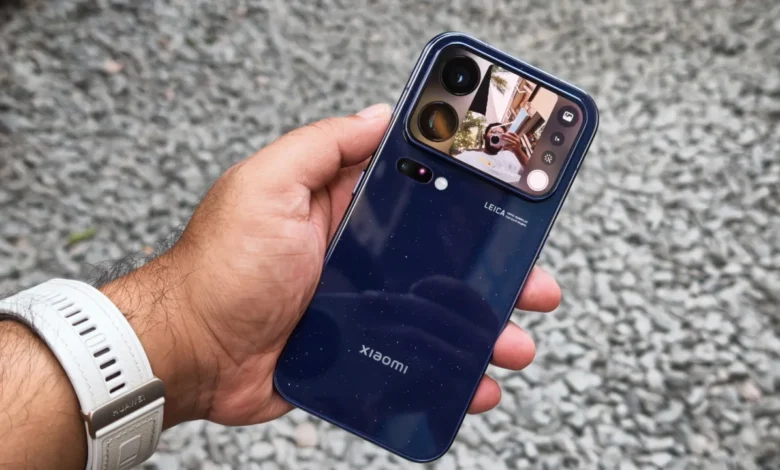
The Xiaomi 18 Pro utilizes a Cosmic Blue finish characterized by a high-gloss, reflective glass back. The chassis is constructed from a refined aluminum alloy, emphasizing durability and a premium tactile experience. Measuring approximately 200 grams, the device aligns with current industry standards for flagship weight, positioning it firmly between the lightweight Vivo X500 Pro and the more substantial Google Pixel 11 Pro.
The aesthetic design incorporates an expansive camera module on the rear, which serves as both a functional and visual centerpiece. By integrating a secondary display directly into this housing, Xiaomi has moved away from purely decorative camera bumps, instead utilizing the space for utilitarian purposes. This approach mirrors trends seen in high-end mobile engineering where real estate optimization is paramount. The device includes a protective case in the box, a necessary inclusion given the susceptibility of the glass finish to fingerprints and environmental debris. Notably, the European retail package omits a charging brick, aligning with the broader industry trend toward reducing electronic waste.

The Utility of Secondary Display Integration
The inclusion of a secondary rear display marks a continued commitment from Xiaomi to unconventional hardware interfaces. While secondary screens have appeared in previous iterations of Xiaomi’s flagship line, the implementation in the 18 Pro focuses on specific, high-frequency user tasks.
Data from early field testing indicates that the primary utility for this display is in high-resolution photography. By acting as a viewfinder for the rear-facing camera array, the screen allows users to bypass the limitations of front-facing sensors, which historically possess smaller optics. The secondary display supports camera parameter adjustments, enabling a more professional workflow for solo content creators. Furthermore, the UI for this display is optimized for rapid interactions, including music playback control and the management of "Lumi," an animated interface component designed to provide real-time status updates.

Software Ecosystem and HyperOS 4
The Xiaomi 18 Pro operates on HyperOS 4, the latest iteration of the company’s proprietary Android-based interface. A central focus of this update is user-level customization, offering deep integration of system themes, Always-On Display (AOD) configurations, and granular control over visual elements such as lock screen transitions and biometric animation triggers.
From a performance perspective, the integration of the Snapdragon 8 Elite Gen 6 processor ensures that the software remains fluid under load. However, the OS introduces a bifurcated control center, splitting the notification shade and quick settings tray into separate swipe-down gestures. This design choice, while increasingly common among major smartphone manufacturers, has been a subject of debate within the user community, as it necessitates a two-gesture approach for basic system interactions.

To mitigate motion sickness during transit, Xiaomi has introduced "Motion Assist," a feature designed to stabilize visual output when the device is used in a moving vehicle. This inclusion underscores a move toward software-driven accessibility features, mirroring the functional priorities observed in the latest Android 17 builds from competitors.
Display Technology and Privacy Innovations
The primary display of the Xiaomi 18 Pro features a symmetrical, thin-bezel design that approaches an edge-to-edge aesthetic. Beyond color accuracy and refresh rate specifications, the device introduces a sophisticated "Privacy Display" mode. Unlike traditional privacy screen protectors that physically darken the display, Xiaomi’s software-based implementation utilizes viewing-angle restriction technology.

Initial analysis suggests that the Xiaomi 18 Pro maintains higher levels of brightness and color fidelity when privacy mode is active compared to existing implementations found on devices like the Samsung Galaxy S26 Ultra. This represents a technical trade-off: while the privacy effect is less visually obstructive to the user, it provides a sufficient barrier against side-angle visibility, a feature increasingly demanded by enterprise users and privacy-conscious consumers.
Leica-Enhanced Camera Infrastructure
The camera system remains a focal point of the Xiaomi 18 Pro, featuring a 200MP main sensor alongside a 200MP telephoto lens with a 75mm-equivalent focal length. The telephoto unit is notable for its 1/1.56-inch sensor size, which significantly improves light gathering capabilities compared to previous generations.

A key differentiator is the collaboration with Leica, which introduces a new "Leica Original" shooting mode. This mode aims to provide a neutral color interpretation, diverging from the traditional Leica Vibrant or Leica Authentic modes that are known for their heavy contrast and deliberate vignetting. This addition provides photographers with a more versatile toolset for post-processing, catering to users who prefer a "flatter" image profile for subsequent editing. The omission of LOFIC (Lateral Overflow Integration Capacitor) technology on this specific model—a feature reserved for the "Pro Max" tier—suggests that Xiaomi intends to segment its market by emphasizing raw resolution on the Pro model while reserving advanced sensor-stacking technologies for its top-tier ultra-flagships.
Market Context and Implications
The launch of the Xiaomi 18 Pro occurs at a critical juncture in the 2026 fiscal year. With global smartphone shipments fluctuating, manufacturers are under increased pressure to differentiate their products beyond simple iterative improvements.

- Strategic Positioning: By launching the device in Paris, Xiaomi is signaling a continued focus on the European market, a region where premium compact devices have seen consistent, albeit niche, demand.
- Technological Convergence: The integration of 200MP sensors into a compact form factor challenges the long-held industry assumption that high-end photography requires a bulky physical chassis.
- Software Sustainability: The inclusion of advanced privacy and motion-sickness mitigation software indicates that Xiaomi is shifting its R&D focus toward "quality of life" features, which often drive brand loyalty more effectively than raw benchmark scores.
Future Outlook
While the Xiaomi 18 Pro demonstrates significant promise in its initial evaluation, several key metrics remain to be tested. Industry analysts are currently waiting for comprehensive data regarding the thermal management of the Snapdragon 8 Elite Gen 6 under sustained, high-intensity gaming sessions. Furthermore, battery longevity remains a primary concern for any device housing such a high-resolution display and power-intensive sensor array.
The transition from a "first impressions" phase to a full-scale market rollout requires consistent performance across diverse network environments and sustained software support. As of mid-November 2026, the sentiment among early testers suggests that the Xiaomi 18 Pro is not merely another "slab" smartphone, but a calculated response to a market that is simultaneously demanding more power and more portability. Whether the device can sustain this momentum after the November 17 launch event will depend on the final pricing strategy and the availability of software updates that address the current UI fragmentation in HyperOS 4.

As Xiaomi continues to refine its ecosystem, the 18 Pro stands as a testament to the brand’s iterative approach to hardware—a process that combines legacy optical expertise with modern, AI-driven software solutions. The success of this device will likely influence the design language for the next generation of Xiaomi flagships, potentially setting a new benchmark for how secondary displays and high-resolution imaging can coexist within a compact, consumer-friendly form factor.