Vari Electric Standing Desk with TechTrack Review: A New Standard for Modular Workspace Ergonomics

The market for ergonomic office furniture has expanded exponentially over the last five years, driven by the global shift toward remote and hybrid work environments. Amidst a saturated landscape of white-labeled, generic standing desks, the new Vari Electric Standing Desk with TechTrack emerges as a significant departure from the standard "slab-on-legs" design. By integrating a proprietary modular track system directly into the desktop, Vari is attempting to solve the chronic issue of workspace clutter and accessory instability. With a starting price point of $949—currently discounted to $760—this desk positions itself as a premium, utility-focused solution for professionals who require a highly organized, stable, and adaptable workstation.
The Evolution of the Standing Desk Market
To understand the significance of the TechTrack, one must analyze the recent history of the standing desk industry. Between 2019 and 2024, the demand for height-adjustable desks saw a compound annual growth rate (CAGR) estimated at over 10%. However, this rapid growth led to a proliferation of nearly identical products. Many manufacturers utilize the same manufacturing hubs in East Asia, resulting in desks that share identical motor components, control boxes, and frame geometries, differing only in branding and laminate color.
Vari, a company that initially gained market share through its desktop converters before pivoting to full-desk solutions, has sought to differentiate itself by prioritizing the "ecosystem" approach. The introduction of the TechTrack represents a strategic move to lock users into a modular environment where the desk surface is not merely a platform, but an active component of the workspace architecture.
Engineering and Technical Specifications
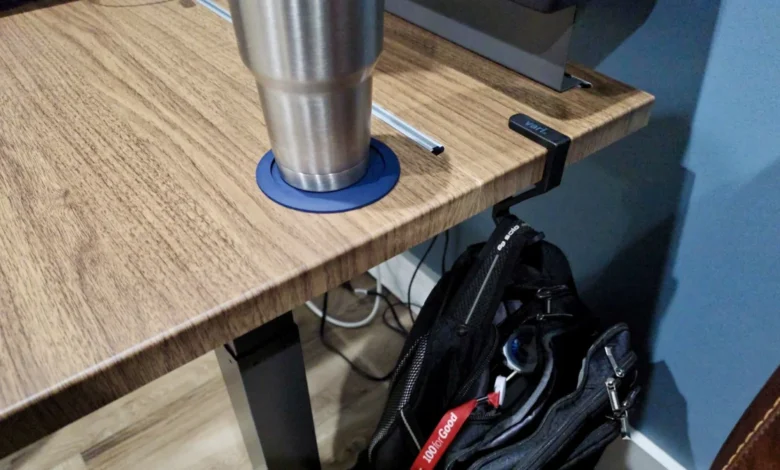
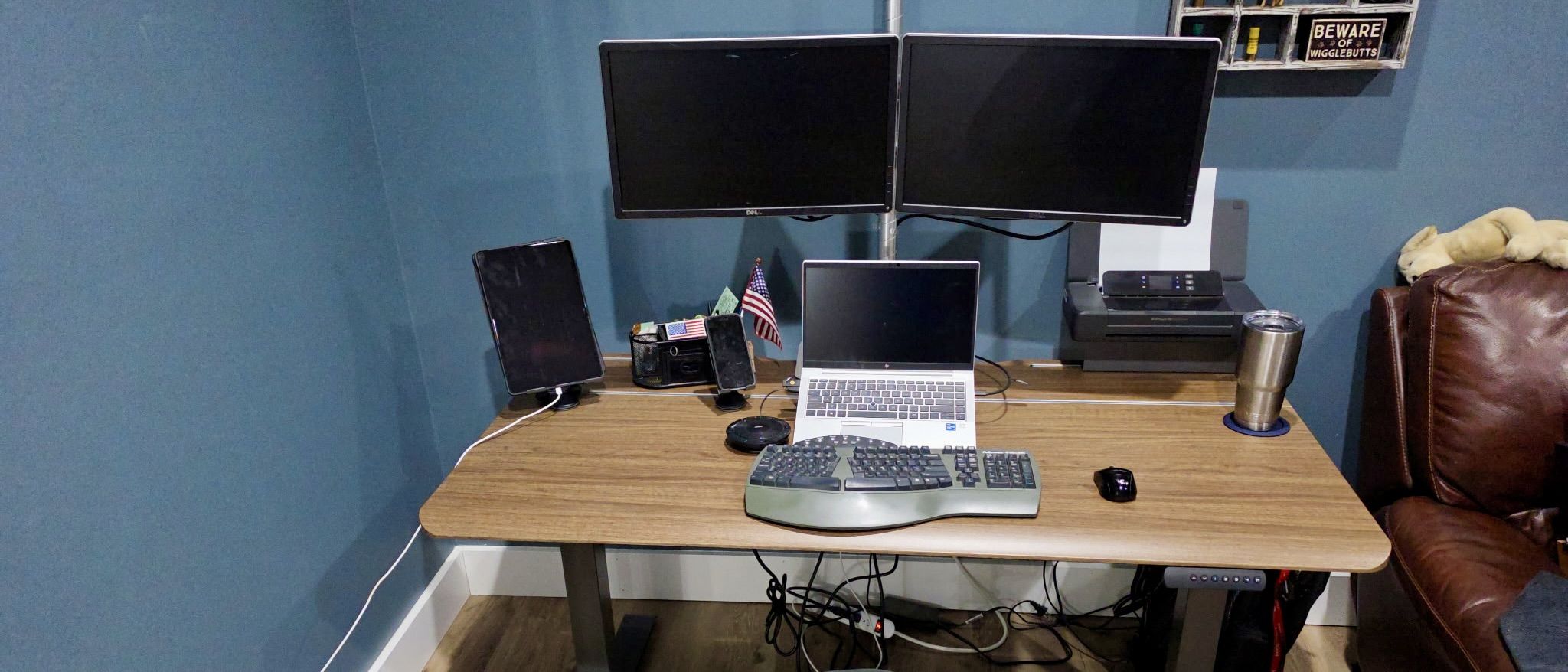
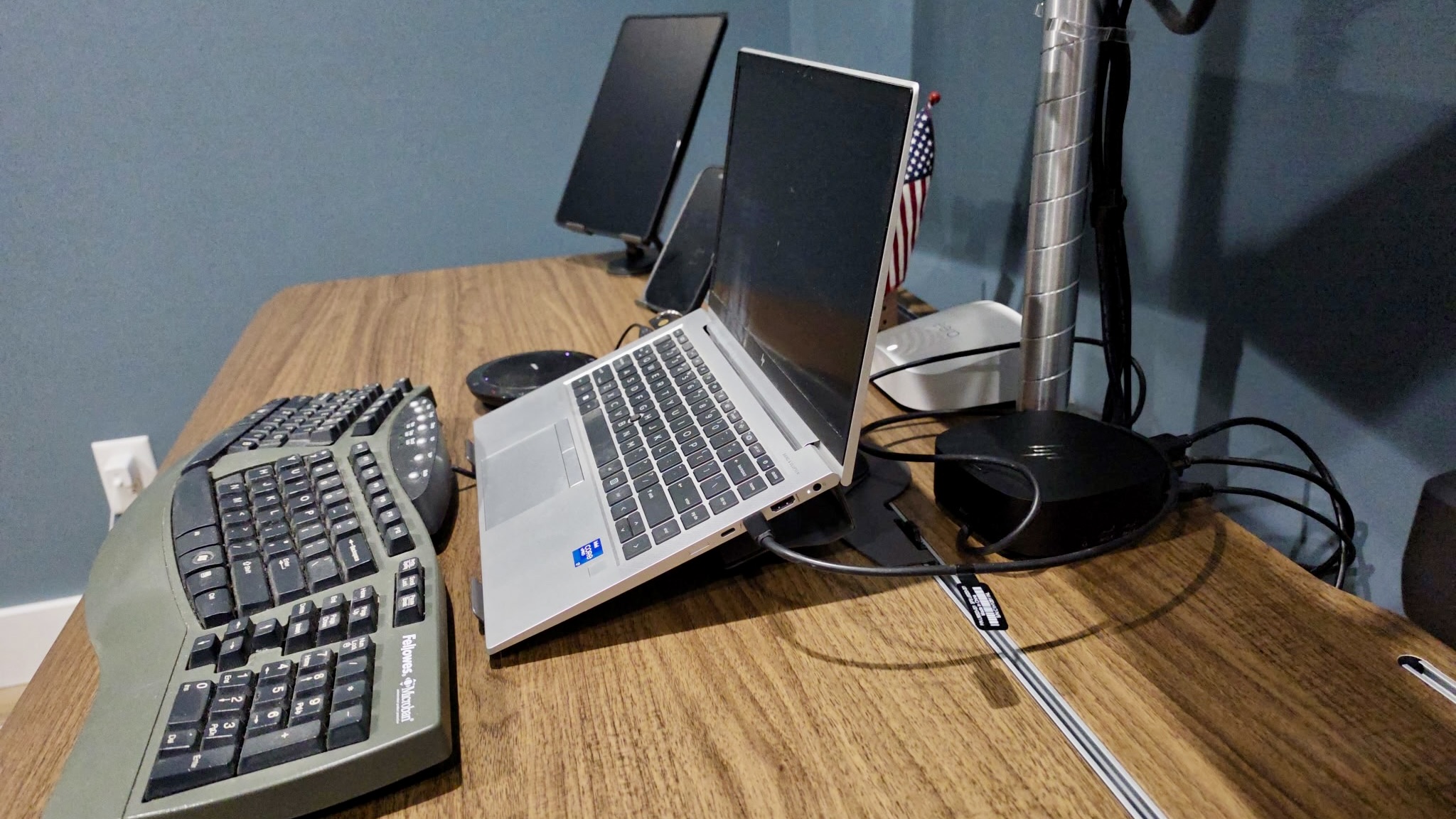
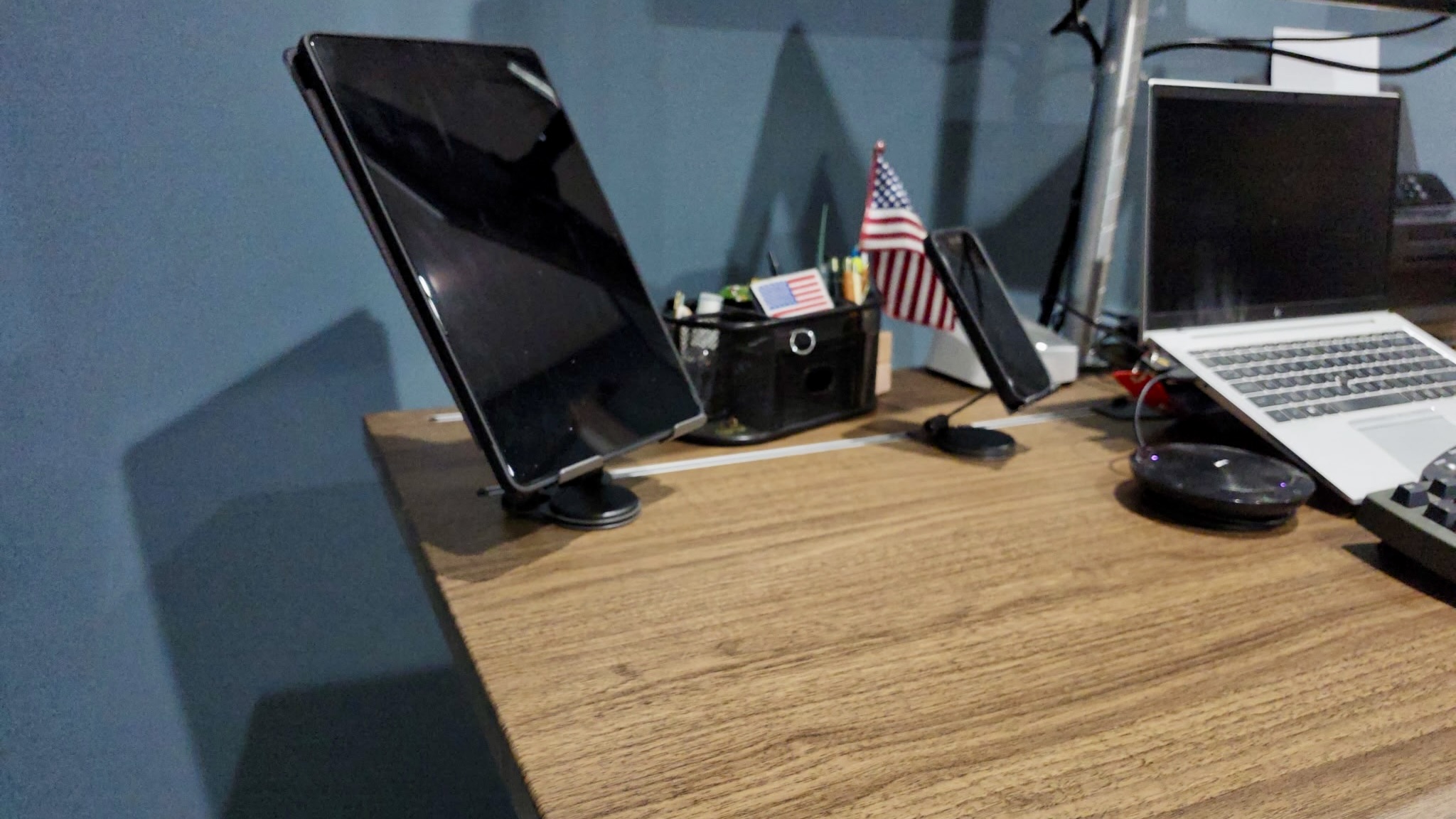
The core innovation of this model is the integrated rail system. Unlike traditional desk shelves or clamp-on mounts that often compromise the aesthetic of a desk or require damaging hardware, the TechTrack is recessed into the surface. This design allows for the seamless attachment of proprietary accessories, including tablet stands, laptop risers, and utility shelves.
From a structural perspective, the desk addresses the primary concern of heavy-duty users: lateral stability at maximum extension. The unit features a dual-motor lift system capable of supporting significant weight loads without the "wobble" often associated with lighter-duty, single-motor desks. During extensive testing, the desk maintained rigidity even when positioned at its maximum height, suggesting that the frame geometry and weight distribution were engineered for enterprise-level use. The motors operate within a decibel range that is largely unobtrusive, a critical factor for home office environments where audio-visual fidelity during meetings is a priority.
Assembly and User Experience
Vari has maintained its reputation for user-friendly assembly, a factor that contributes significantly to the total cost of ownership. The assembly process is streamlined, with clear instructions that emphasize protecting the desktop finish. A recurring issue in the industry is damage incurred during the setup phase; Vari mitigates this by recommending that users assemble the frame while the desktop remains within its protective shipping packaging.
This design choice highlights a maturation in the product category: manufacturers are beginning to recognize that the user experience starts the moment the box is opened. By reducing the complexity of the assembly process, the company minimizes the potential for human error, which in turn reduces support tickets and returns.
Market Positioning and Competitive Analysis
When compared to competitors, the Vari Electric Standing Desk with TechTrack occupies a "prosumer" niche. While it is more expensive than entry-level budget desks, it is significantly more affordable than bespoke, solid-wood artisan desks that lack electronic height adjustment. The value proposition is found in the versatility of the accessories.
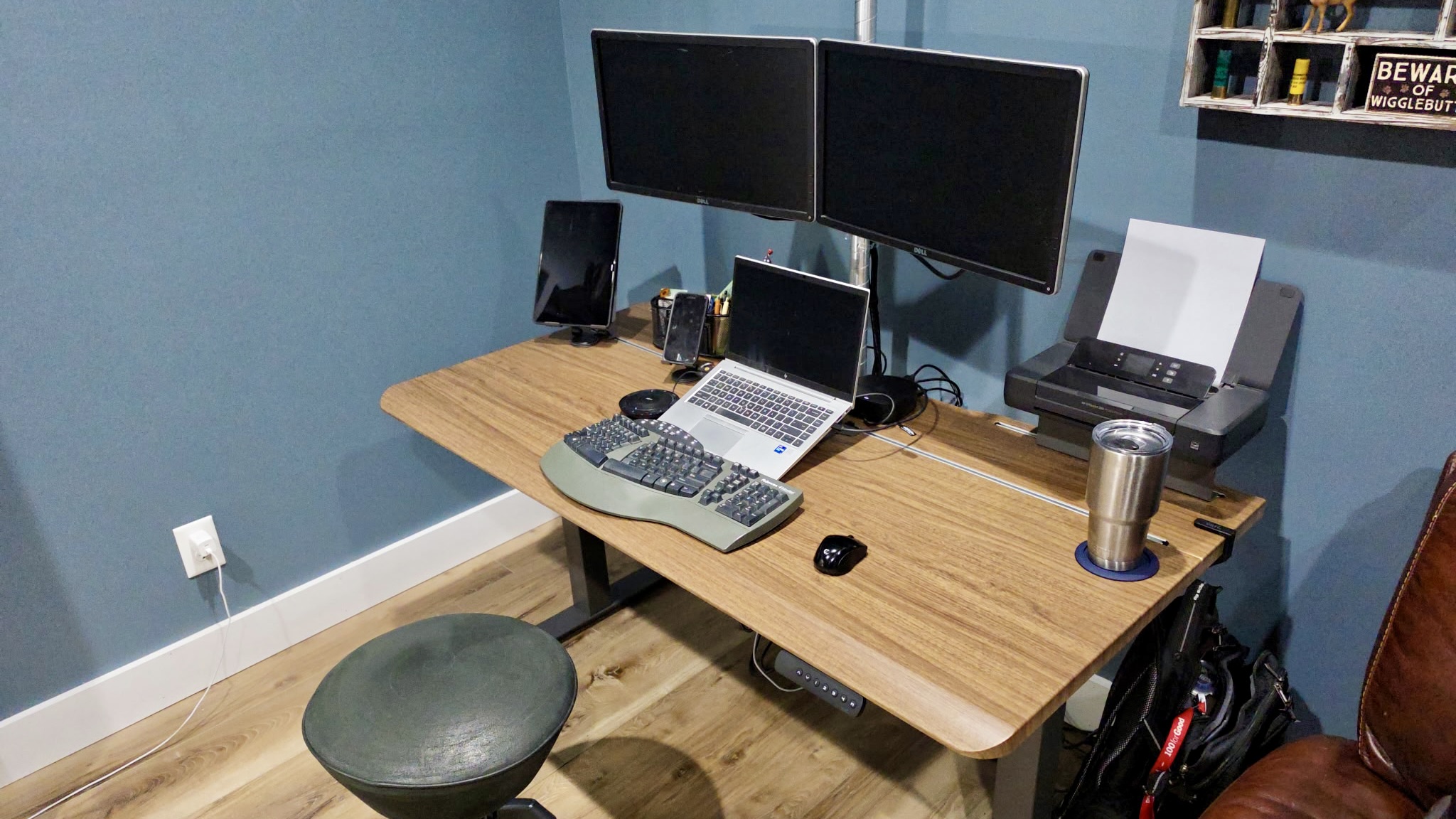
Industry analysts note that modularity is the current trend in office furniture. As workstations shrink in footprint—especially in urban apartment environments—the ability to move vertical space into the "third dimension" via the track system provides an ergonomic advantage that traditional desks cannot match. By keeping the desktop surface clear of peripheral clutter, the user gains a more efficient working area, which research suggests can lead to improved cognitive focus and reduced task-switching latency.
The Economic Context of Modern Workspaces
The decision to invest in a premium workstation is increasingly viewed through the lens of long-term health and productivity. The physical toll of sedentary work is well-documented, with musculoskeletal disorders representing one of the leading causes of workplace absenteeism. Corporations are increasingly subsidizing these purchases for employees, viewing them as a long-term investment in human capital.
Vari’s current discount pricing strategy, bringing the entry point down to $760, suggests a push for market penetration among individual professionals. Whether this price remains competitive in the long term depends on the availability of third-party accessory support. If Vari keeps the TechTrack a "walled garden," its success will be tethered to the quality and frequency of their own accessory releases.
Long-term Reliability and Maintenance
In testing environments, the desk has shown consistent performance over a 150-day cycle. This is a critical metric for potential buyers, as the longevity of the electrical components—specifically the actuators and the control board—is the most common failure point for standing desks. The build quality, particularly the surface coating and the structural integrity of the frame, suggests that the desk is designed to outlast typical entry-level models by a factor of two or three.
Implications for Future Design
The integration of a functional track system into the desk surface serves as a potential blueprint for future workspace design. As we move toward a future where "desk-to-cloud" integration becomes more common—such as built-in wireless charging, cable management channels, and biometric height adjustment—the TechTrack provides the necessary infrastructure to house these technologies.
Ultimately, the Vari Electric Standing Desk with TechTrack is not just a piece of furniture; it is a platform. For the professional who views their desk as their primary tool, the investment in a stable, organized, and modular environment is justifiable. While casual users may find the cost difficult to reconcile, the data suggests that for those who spend eight or more hours a day at their workstation, the ergonomic and organizational benefits provided by this system offer a tangible return on investment. As the hybrid work model stabilizes into a permanent fixture of the global economy, products that facilitate professional efficiency within a smaller home footprint will likely continue to lead the market.