The Evolution of the TikTok Ecosystem
For years, the comment section on TikTok has served as a digital town square where jokes are iterated upon, cultural debates are staged, and creators build intimate relationships with their audiences. With more than 1.7 billion comments posted daily, the sheer volume of interaction has necessitated tools that allow for more nuance and personality.
Historically, the platform focused on vertical video as its primary medium. However, as the creator economy has matured, the pressure to maintain "stickiness"—the ability to keep users within the app for extended sessions—has grown. By introducing richer media formats into the comments, TikTok is effectively shrinking the barrier between content creators and their followers, turning the comment section into a secondary, decentralized social network within the application.

Detailed Breakdown of New Interactive Features
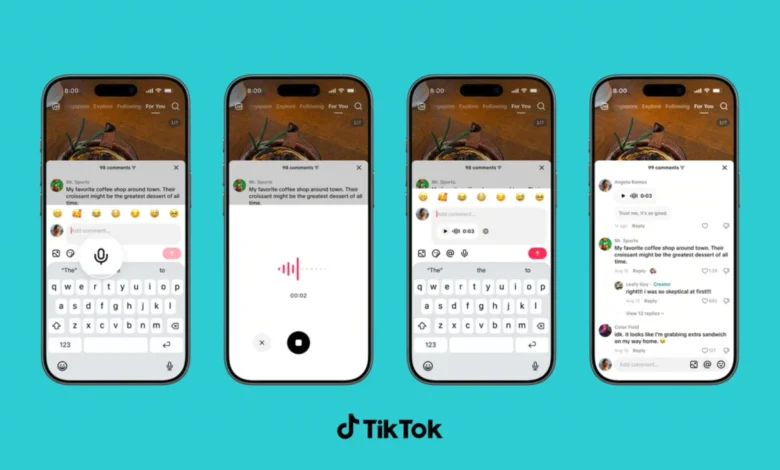
The rollout, which occurs in phases starting September 3, 2026, introduces four distinct functionalities:
- Voice Comments: Perhaps the most radical departure, this feature allows users to record and upload audio clips up to 60 seconds in length. This is designed to facilitate more emotive communication, allowing for laughter, singing, or spoken reactions that text cannot capture.
- Comment Polls: Available immediately upon launch, creators can now initiate polls directly within the comment threads. This tool is positioned as a feedback mechanism, allowing creators to crowdsource ideas for future content, resolve creative disputes, or engage in real-time community decision-making.
- Photo Carousel Comments: Addressing the limitations of static images, users can now post "photo dumps" containing up to nine images in a single comment. This mirrors the trend of multi-image posts seen on competing platforms and allows for more complex storytelling in response to videos.
- Live Photo Integration: Users can now upload Live Photos directly from their device’s camera roll. This adds a layer of kinetic energy to the comments, moving away from static reaction memes toward more fluid, high-fidelity visual responses.
Safety and Content Moderation Challenges
The introduction of voice-based interaction brings significant challenges regarding platform safety. While text-based moderation has reached a high level of efficiency through automated filters, analyzing audio content in real-time is computationally more complex and prone to errors.
TikTok has stated that all new comment features will fall under the purview of its existing Community Guidelines. To mitigate the risk of harassment or inappropriate content, the platform is deploying a sophisticated moderation stack that includes speech-to-text transcription. This system converts audio to text, which is then processed by existing AI-driven moderation tools to detect violations. Furthermore, the company maintains a robust human-moderation team to handle reports and complex contextual violations that automated systems might overlook. The platform has restricted these features to users aged 18 and older to provide an additional layer of protection for younger demographics.

Industry Context and Strategic Implications
The shift toward richer comment features is not happening in a vacuum. Major social media platforms have been engaged in a long-standing arms race to capture the attention of Gen Z and Alpha audiences. By allowing comments to become "content in their own right," TikTok is incentivizing users to spend more time in the comment section.
Data analysts suggest that these changes could significantly alter the creator-to-follower dynamic. When a creator asks a question in a video and the audience responds with voice notes, the resulting "conversation" becomes a hybrid form of content that keeps both the creator and the commenter engaged for longer durations. This "content-within-content" model creates a flywheel effect: higher engagement in the comments increases the overall visibility of the video, which in turn generates more views and comments.
A Chronology of Platform Iterations
To understand the significance of this update, one must look at the trajectory of TikTok’s feature development:

- 2020: Introduction of "Reply with Video," which allowed creators to address comments by filming a new video. This was the first major step in blurring the lines between comment and content.
- 2022: Expansion of text limits and the introduction of improved comment filtering tools to combat cyberbullying.
- 2024: The beta testing of long-form video, signaling a shift toward more professionalized content.
- 2026: The current deployment of multimodal comment tools, marking the transition from a video-viewing app to a fully interactive, media-rich community platform.
Broader Impact on Digital Culture
The transition to a more vocal and visual comment section will likely have a profound impact on digital culture. The ability to "shout" into a comment section via voice notes adds a visceral element to online interaction. While this allows for more authentic community building, it also invites a higher level of noise.
Industry observers have noted that this change reflects the "group chat"ification of social media. As users move away from public broadcasting toward more enclosed, intimate digital spaces, TikTok is attempting to replicate that feeling of a private group chat within a public, algorithmically-driven environment.
Expert Perspectives
While official company statements emphasize the "creative possibilities" of these updates, privacy advocates have urged caution regarding the data collection implications of voice-based comments. The processing of audio data—even for the purpose of moderation—requires a high degree of transparency.

From the creator perspective, the response has been largely positive. Influencers who rely on audience feedback have expressed excitement about the ability to run polls and host deeper conversations without forcing their followers to move to external platforms like Discord or Telegram. By keeping the conversation inside the TikTok app, creators can maintain better control over their audience and leverage the platform’s native tools to cultivate their brand.
Future Outlook
As these features become fully integrated into the global user base, the platform will likely face a new set of moderation hurdles. The ability to leave voice notes is a high-bandwidth feature, and its success will depend on how well TikTok manages the potential for "spammy" audio or low-quality content.
However, the trend is clear: the era of the static text comment is fading. In the coming years, we can expect to see even more immersive features in the comment sections of major platforms. Whether this leads to a more vibrant community or a more chaotic digital environment remains to be seen. What is certain is that TikTok has once again raised the stakes for what a social media application can be, effectively turning every comment thread into a potential stage for user-generated performances.

As the digital landscape continues to evolve, the distinction between the "creator" and the "commenter" will continue to blur. With these new tools, every user is empowered to contribute to the narrative, turning the app’s comment section into a dynamic, ever-changing, and increasingly loud reflection of modern digital life. The platform has effectively invited its 1.7 billion daily commenters to stop just watching the video, and instead, start participating in the production itself.