The iPhone Duo didn’t reinvent Android foldables, but I fear the copycats anyway

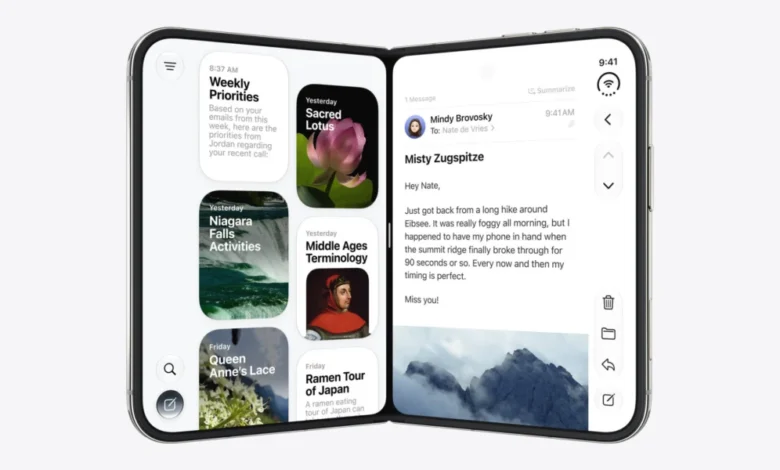
The release of the iPhone Duo serves as a direct response to the trajectory of the mobile market, which has seen Android manufacturers, most notably Samsung and Google, iterate on foldable technology for over half a decade. While the iPhone Duo does not necessarily reinvent the mechanical engineering behind foldable screens, it brings the distinct Apple ecosystem integration to a device class that has struggled with software consistency and hardware reliability in its infancy.
A Chronology of the Foldable Evolution
To understand the significance of the iPhone Duo, one must look at the timeline of foldable development. The concept of a flexible display device surfaced in earnest around 2018 and 2019, when early prototypes promised to replace tablets and phones with a single, portable unit.
- 2019: The launch of the original Samsung Galaxy Fold introduced the public to the technical challenges of foldable displays, including hinge durability and screen creasing.
- 2020-2022: A period of rapid iteration followed, with companies like Motorola, Huawei, and eventually Google (with the Pixel Fold) entering the fray. During this time, the primary competition centered on hinge physics, battery density in thin chassis, and software multitasking capabilities.
- 2023-2024: The market shifted toward "thin and light" designs, with manufacturers focusing on making foldables feel as pocketable as standard slab smartphones.
- 2026: Apple enters the market with the iPhone Duo, effectively validating the foldable form factor as a permanent pillar of the premium mobile segment.
Apple’s deliberate wait allowed the company to observe the failure points of early competitors—such as debris ingress in hinges and display delamination—and engineer a solution that prioritizes longevity.
Technical Specifications and Engineering Choices
The iPhone Duo arrives with a chassis designed for durability, utilizing aerospace-grade materials that Apple has perfected across its iPad and Mac lines. The hinge mechanism, a proprietary design, is engineered to distribute tension evenly across the display, significantly reducing the "crease" that has long plagued foldable panels.
Data from the initial launch reveals a focus on display technology that matches the ProMotion capabilities found in the iPhone 17 and 18 series. By leveraging LTPO (Low-Temperature Polycrystalline Oxide) backplane technology, the Duo maintains an efficient power profile, ensuring that the larger internal screen does not compromise the device’s daily battery performance.
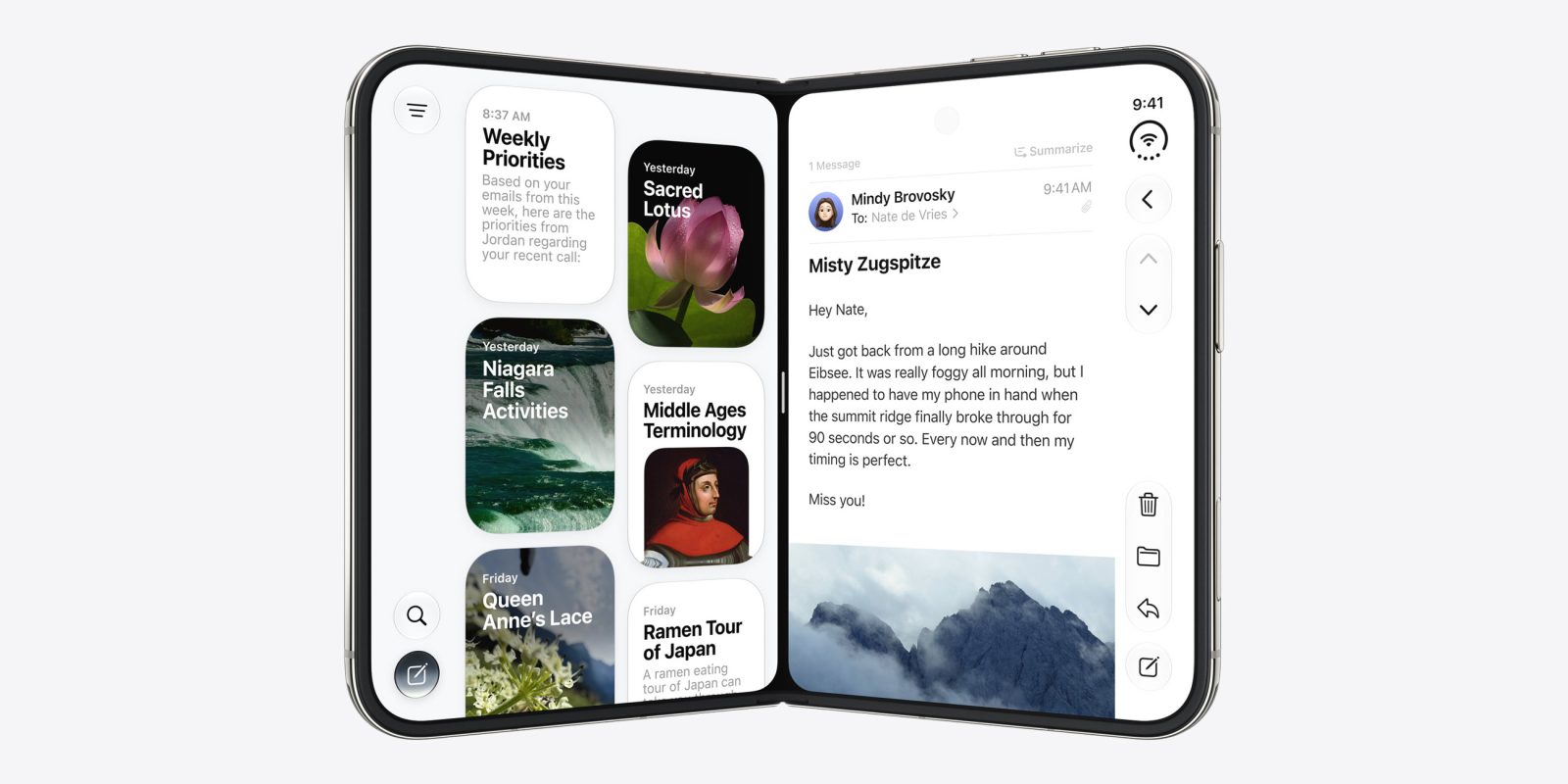
Furthermore, the software suite, branded as "DuoOS," introduces a unique split-view multitasking architecture. This allows users to drag and drop elements between apps with a level of fluidity that exceeds current Android-based implementations. The integration of the A-series Pro chips provides the necessary overhead for these complex multitasking workflows, cementing the device’s position as a productivity tool rather than a novelty item.
Market Implications and Competitive Landscape
The entry of Apple into the foldable arena creates a ripple effect throughout the entire mobile ecosystem. For Android manufacturers, the iPhone Duo acts as a benchmark. While companies like Samsung have historically led in volume, Apple’s influence in the premium price bracket ($1,500+) will likely pressure competitors to refine their own software experiences.
Industry analysts note that Apple’s primary challenge is not the hardware itself, but the "app-gap." Developers who have previously ignored the tablet-sized aspect ratios of Android foldables are now incentivized to optimize their applications for the iPhone Duo. This creates a rising tide that will likely benefit the entire industry. As the application ecosystem matures, the utility of the foldable form factor increases, potentially accelerating the transition from traditional bar-style smartphones to foldable alternatives.
Official Responses and Industry Outlook
While official press releases from Apple focus on the "seamless integration of hardware and software," statements from competitors suggest a sense of guarded anticipation. A spokesperson from a leading Android manufacturer noted that "the entry of a new major player in the foldable category validates the years of R&D we have invested in this space, and we expect this to drive further consumer interest and innovation across the entire category."
Financial analysts tracking the sector have adjusted their forecasts for 2027, predicting a 15% increase in the total addressable market for foldable devices. The consensus is that the iPhone Duo will not replace the standard iPhone series in the short term, but rather establish a new tier of "Pro-Plus" devices for enterprise users, creatives, and power users who demand expanded screen real estate.
The Sustainability and Durability Factor
A critical aspect of the iPhone Duo’s release is the focus on repairability and long-term sustainability. Given that foldables have historically been viewed as fragile, Apple has invested heavily in a repair ecosystem that allows for individual component replacement, including the hinge and the screen assembly. This move is intended to address the skepticism from enterprise clients who previously avoided foldables due to the high cost of out-of-warranty repairs.

By implementing these standards, Apple is effectively setting a new "industry standard" for how foldable devices should be serviced, placing further pressure on competitors to improve their own supply chain and repair accessibility.
Analysis: Beyond the Hype
The iPhone Duo is not a device designed to shock the consumer with radical design changes or experimental tech. Instead, it is a statement of industrial maturity. By focusing on the user experience—the way the screen transitions, the way apps adapt to the fold, and the way the battery manages the increased power draw—Apple is attempting to solve the "foldable friction" that has kept the average consumer tethered to traditional smartphones.
The broader impact of this launch will be felt in the coming 18 to 24 months. If the iPhone Duo sees high adoption rates, it will likely mark the beginning of the end for the traditional slab smartphone as the standard for high-end mobile computing. We are witnessing a shift in the computing paradigm, moving from a static display to an adaptive one.
In conclusion, the iPhone Duo stands as a testament to the idea that being first is rarely as important as being right. By waiting for the technology to stabilize and for the supply chain to catch up to the requirements of such a complex device, Apple has positioned itself to capture the premium market segment with a product that feels less like an experiment and more like an essential evolution of the mobile phone. The competition, now faced with the most formidable player in the space, will be forced to elevate their offerings, ultimately leading to a more robust, durable, and functional market for foldable devices worldwide. As the industry looks toward the next quarter, all eyes will be on sales data and user feedback to see if the "Duo" nameplate becomes as synonymous with quality as the iPhone brand itself.