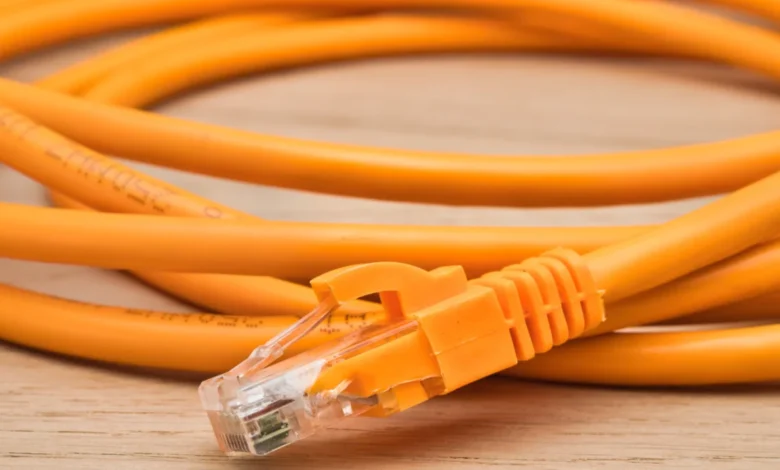
For the modern home office or gaming setup, the wired network remains the gold standard for reliability, speed, and minimal latency. While wireless technology has made significant strides in recent years, the physical Ethernet cable—the unsung hero of network infrastructure—remains the backbone of stable data transmission. However, unlike perishable goods or software licenses, hardware cables often exist in a state of indefinite utility, leading many consumers to wonder whether these components possess a finite lifespan. In truth, Ethernet cables do not carry an expiration date, yet they are not immune to the laws of physics or the wear and tear of daily environmental exposure. Understanding the longevity of these cables requires an examination of their material composition, the conditions of their deployment, and the evolving technological standards that render older cables obsolete.
The Mechanics of Longevity: Material Science and Construction
At their core, Ethernet cables are sophisticated bundles of copper wire, often twisted in pairs to mitigate electromagnetic interference (EMI). The longevity of these cables is primarily determined by the quality of the conductors and the durability of the thermoplastic outer jacket.
Industry experts often distinguish between two primary conductor materials: solid pure copper and Copper-Clad Aluminum (CCA). Pure copper conductors are significantly more durable and offer superior conductivity. They are less prone to oxidation and can withstand more physical manipulation over time. Conversely, CCA cables—often marketed as a cost-effective alternative—are brittle. Aluminum is more susceptible to fatigue and oxidation when exposed to air, meaning that a CCA cable may lose its signal integrity in a fraction of the time it takes for a high-quality solid copper cable to degrade.
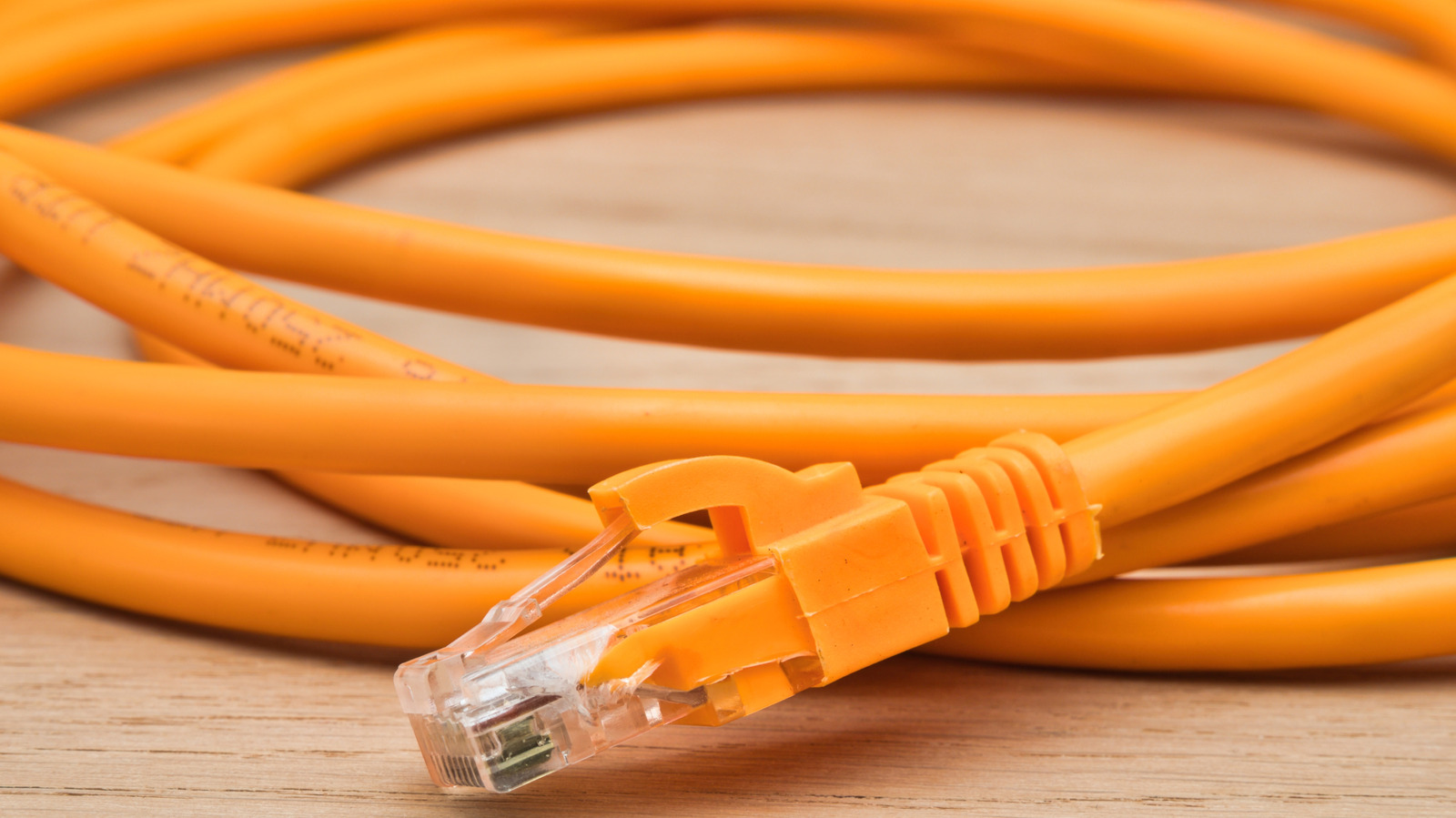
The protective jacket, typically made of Polyvinyl Chloride (PVC) or Low Smoke Zero Halogen (LSZH) compounds, serves as the primary barrier against the elements. If these materials are subjected to ultraviolet (UV) radiation from direct sunlight, the plasticizers within the jacket can leach out, causing the cable to become brittle and eventually crack. Once the outer shell is compromised, moisture and oxygen can reach the copper, leading to corrosion that will inevitably degrade the network signal.
A Chronology of Reliability
While there is no "best by" date stamped on the packaging of a Cat6 or Cat7 cable, field experience suggests that a properly installed Ethernet cable in a climate-controlled indoor environment can maintain peak performance for 15 to 25 years.
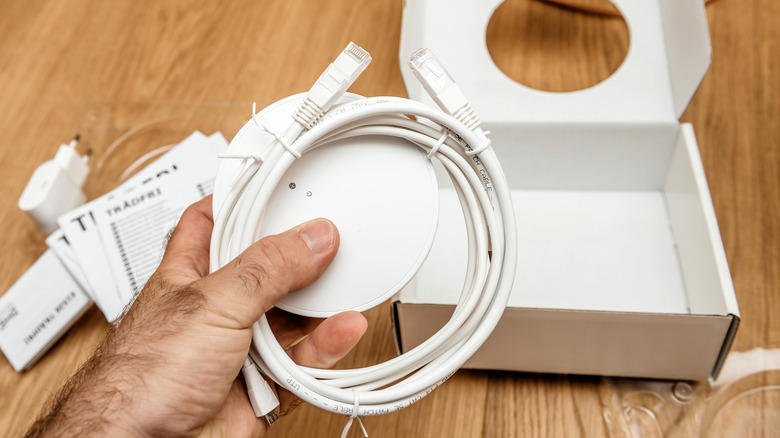
In the late 1990s and early 2000s, when structured cabling became the standard for office buildings, contractors utilized high-grade plenum-rated cabling that, in many instances, remains operational today. These installations benefited from being hidden within walls or ceiling plenums, protected from physical trauma and fluctuating temperatures. However, the lifespan of a consumer-grade "patch cable"—the shorter, more flexible cords used to connect a PC to a wall jack—is significantly shorter. Due to frequent plugging and unplugging, as well as the risk of being stepped on or bent at sharp angles, these cables often require replacement within five to seven years.
Factors Influencing Early Failure
The failure of an Ethernet cable is rarely a sudden, catastrophic event; rather, it is usually a slow degradation of data packets. Several environmental and physical factors accelerate this decline:
- Bend Radius Violations: Every Ethernet cable has a minimum bend radius. Forcing a cable around a tight corner at a 90-degree angle can permanently deform the internal twisted pairs, altering the cable’s characteristic impedance and leading to signal reflections, which manifest as packet loss or slowed throughput.
- Thermal Stress: Power over Ethernet (PoE) technology allows cables to carry electrical power alongside data. If a cable is of poor quality, the resistance in the wire can cause heat buildup. Over long periods, this thermal cycling can degrade the insulation, leading to short circuits or permanent loss of transmission capability.
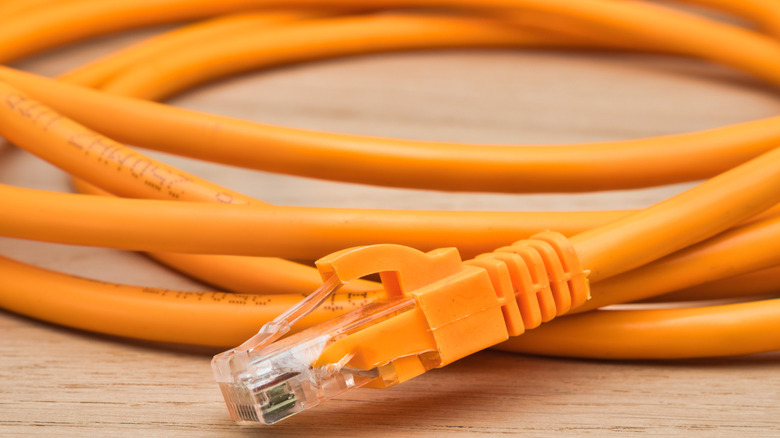
- Connector Fatigue: The RJ45 connector is the most vulnerable point of any cable. The plastic retention clip, which secures the cable into the port, is prone to snapping. Furthermore, the gold-plated pins inside the connector can become oxidized or flattened after thousands of connection cycles, leading to intermittent connectivity.
Assessing the Need for Replacement
Network engineers suggest a proactive, rather than reactive, approach to cable management. Users should consider replacing their cables if they observe a "link flap"—a situation where the connection intermittently drops and reconnects—or if the device’s link speed is significantly lower than the negotiated capacity of the network hardware.
From a performance standpoint, the "expiration" of an Ethernet cable is often dictated by technological obsolescence rather than physical failure. A Cat5 cable, standard in the late 90s, was limited to 100 Mbps. In an era where many households subscribe to gigabit (1,000 Mbps) internet plans, the physical integrity of an old Cat5 cable is irrelevant because it cannot physically support the bandwidth requirements of modern hardware. Upgrading to Cat6, Cat6a, or Cat7 is a necessary step to unlock the full potential of current internet service providers (ISPs).
Broader Implications for Network Infrastructure
The implications of cable aging extend beyond simple home connectivity. In enterprise environments, the "Structured Cabling" standard (TIA/EIA-568) dictates how cables should be organized to ensure a lifespan of 20 years or more. This includes using patch panels to isolate the cables from the actual end-user devices, thereby minimizing the stress on the permanent wall-run cables.
When a network begins to perform poorly, the common instinct is to blame the router, the modem, or the ISP’s infrastructure. However, diagnostic logs often reveal that physical layer issues—degraded cables or poor terminations—are the culprit. For the average user, the takeaway is clear: while a cable may last for decades, it is a consumable component. If you are troubleshooting a persistent network issue, the most cost-effective solution is often to replace the patch cable before investing in expensive hardware upgrades.
Ultimately, the longevity of an Ethernet cable is a testament to the simplicity and durability of the design. By avoiding excessive mechanical stress, preventing UV exposure, and using high-quality copper components, users can ensure their network remains robust for years to come. Yet, one must remain mindful that as networking speeds evolve, the standard of the cable must evolve with them. A cable that works "perfectly" may still be a bottleneck if it lacks the bandwidth capacity required by the rest of the modern home’s digital ecosystem. Keeping an eye on physical signs of wear and matching cable standards to modern hardware needs are the best ways to ensure a seamless, high-speed connection in an increasingly data-heavy world.