Meta unveils revolutionary lightweight VR glasses and expands its wearable AI ecosystem at Meta Connect 2026

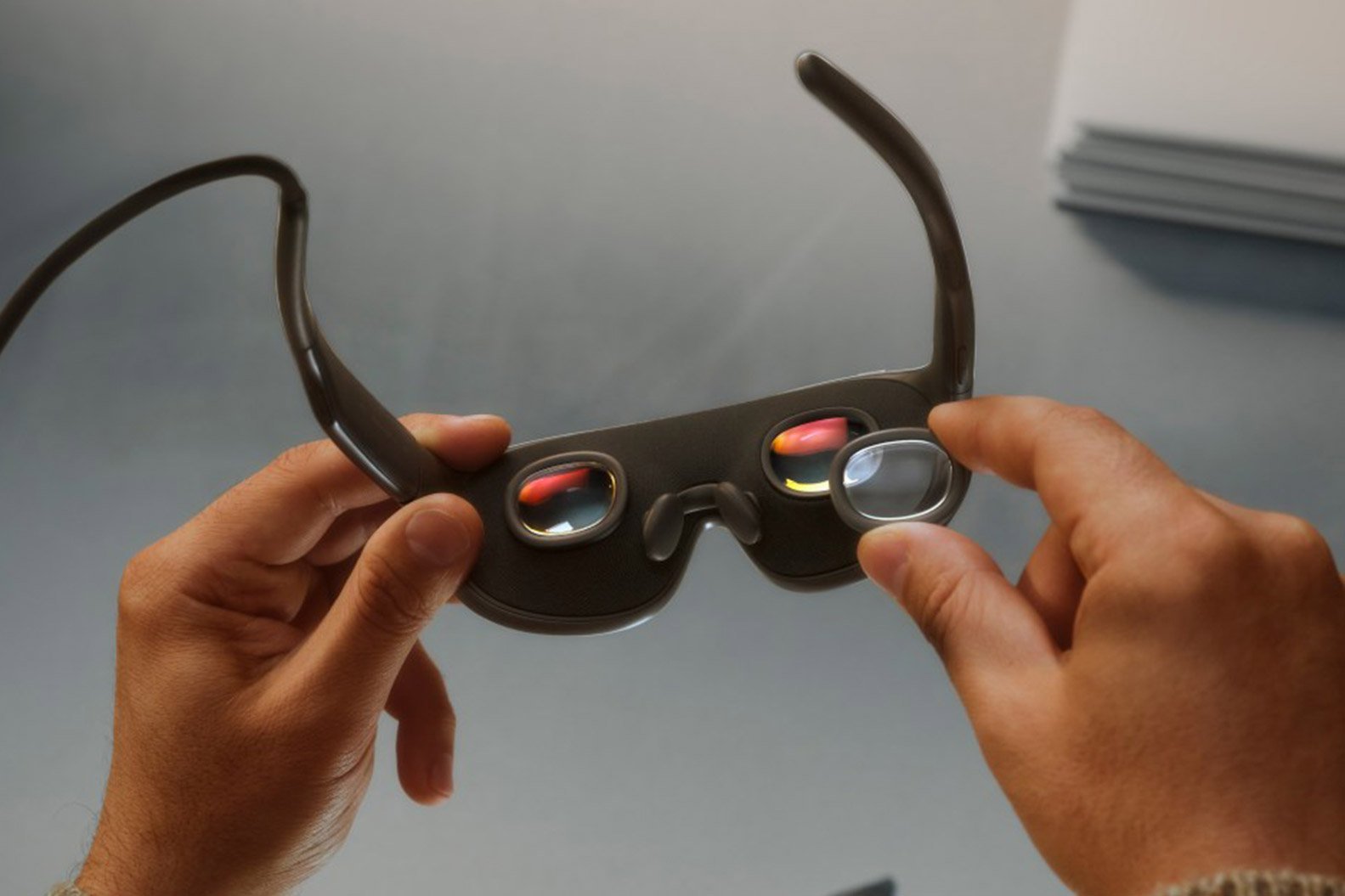
At the 2026 Meta Connect event, the company fundamentally redefined its approach to spatial computing, shifting focus from bulky, standalone headsets to a sleek, modular design that prioritizes long-term wearer comfort. The centerpiece of the announcement was the introduction of the Meta VR Glasses, a lightweight device that weighs just 100 grams, effectively shedding the weight of the current Quest 3 by over 80 percent. By decoupling the processing power, battery, and storage from the frames—housing them instead in a portable “puck” that clips to a user’s clothing—Meta is positioning its hardware as a lifestyle accessory rather than a heavy piece of gaming equipment.
The shift in hardware architecture represents a significant departure from the trajectory of the industry over the last decade. Since the launch of the original Oculus Quest, the standard for VR has been an all-in-one headset, where the chipset, heat sinks, and batteries are balanced on the wearer’s face. By moving the heavy components to an external unit connected via an “optical tether,” Meta has created a form factor that mimics a pair of chunky sunglasses. At a price point of $1,299.99, these glasses are aimed at high-end consumers looking for a display-first experience, with a scheduled release window in spring 2027.
The Evolution of the Meta Hardware Portfolio
The 2026 event was characterized by a segmentation of the company’s wearable offerings. While the Meta VR Glasses captured the most attention for their technical achievement, the expansion of the Ray-Ban Meta line signals a push toward mass-market adoption of artificial intelligence in everyday settings. The company introduced three distinct tiers of smart glasses, each designed for specific use cases.
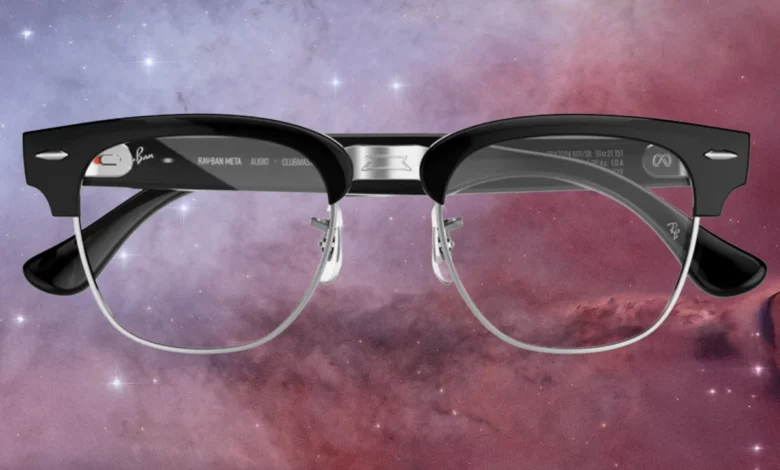
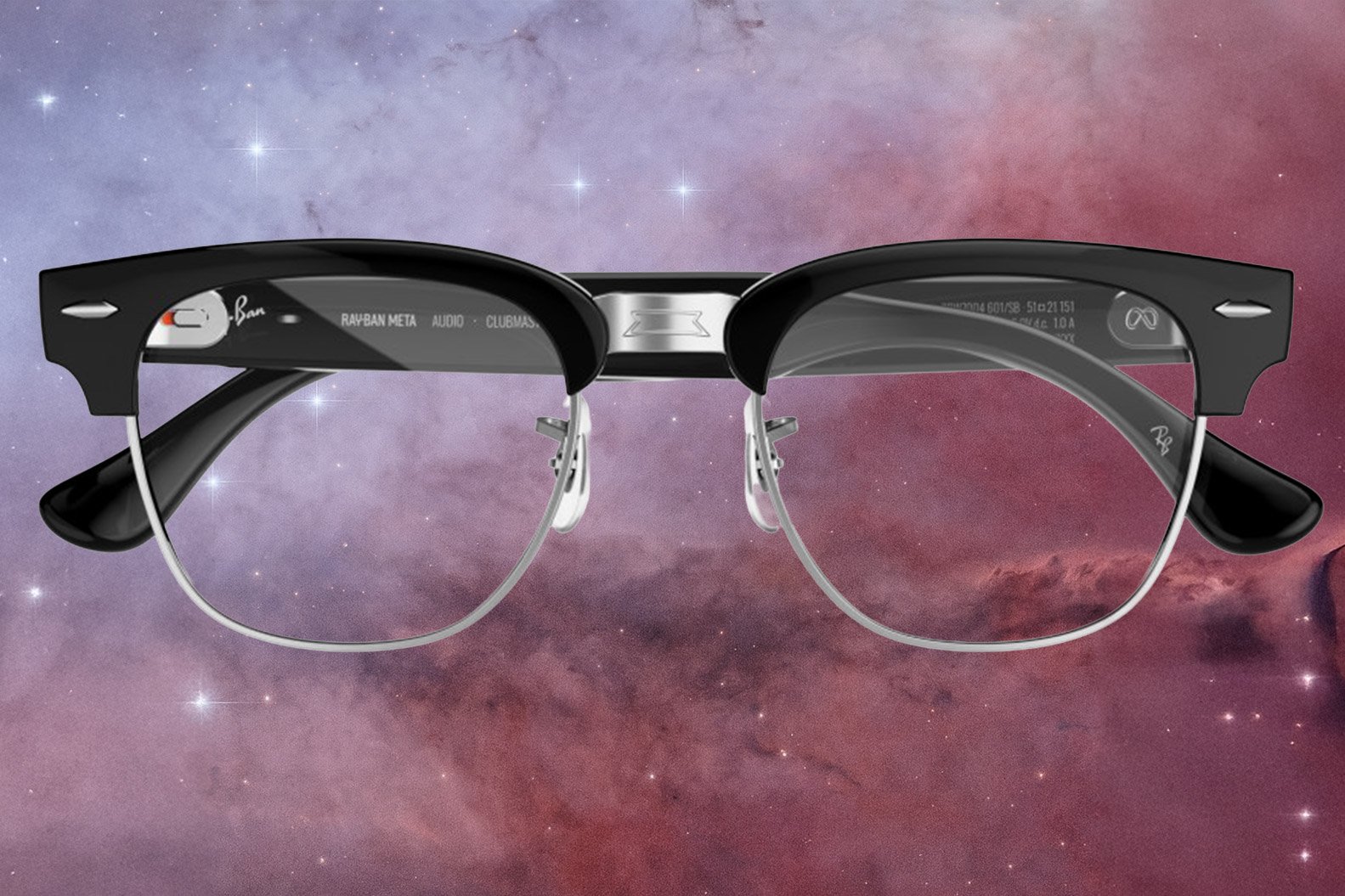
The $349 Ray-Ban Meta Audio glasses represent a new entry point for those wary of integrated cameras. By removing the camera entirely, Meta was able to extend the battery life to 12 hours of continuous use, making the device a viable companion for a full day of commuting, working, or leisure. Conversely, the third-generation Ray-Ban Meta glasses, retailing at $449, lean into high-fidelity content creation. Featuring a 12MP camera capable of 3K video and advanced spatial audio capture, these glasses are designed for users who want to document their lives in immersive formats. Finally, the Meta Adventurer line, starting at $249, serves as the most accessible camera-equipped option, rounding out a strategy that offers over 100 different style and configuration combinations across the Meta, Ray-Ban, and Oakley brands.
Technical Specifications and Performance Metrics
The engineering behind the new Meta VR Glasses hinges on the integration of micro-OLED panels paired with ultra-compact pancake lenses. The device boasts a 5K “Infinite Display” and a resolution of 37 pixels per degree. This metric is critical, as it determines the perceived clarity of text and fine details within a virtual environment. For comparison, the Quest 3 operates at approximately 25 pixels per degree using LCD technology. The use of micro-OLED, which provides deeper blacks and higher contrast ratios, has allowed Meta to secure IMAX Enhanced certification for the device.
However, the transition to a lighter form factor has necessitated compromises. Early reports suggest a field-of-view of roughly 70 degrees horizontal by 66 degrees vertical. While sufficient for media consumption and virtual workspace applications, this is significantly narrower than the 110-degree field-of-view offered by the Quest 3. This indicates that the device is optimized for cinematic viewing and professional productivity rather than high-intensity, room-scale gaming.
Powering the device is the Qualcomm Snapdragon Reality Elite processor. Meta has optimized the puck’s battery for up to three hours of high-resolution media playback, supported by 45W fast charging. While this duration is adequate for feature-length films or live sports broadcasts, it remains a limitation for users who engage in extended productivity sessions.

Content Strategy and Strategic Partnerships
Meta’s presentation emphasized content over hardware, highlighting a robust ecosystem of partners designed to make the glasses essential for daily entertainment. The company announced a major partnership with Disney+, which will bring 3D versions of Marvel and Star Wars titles to the platform in November. Furthermore, the collaboration with James Cameron’s Lightstorm Vision to convert major blockbusters into 3D for the 2027 release suggests that Meta is investing heavily in a high-quality content library to differentiate its platform.
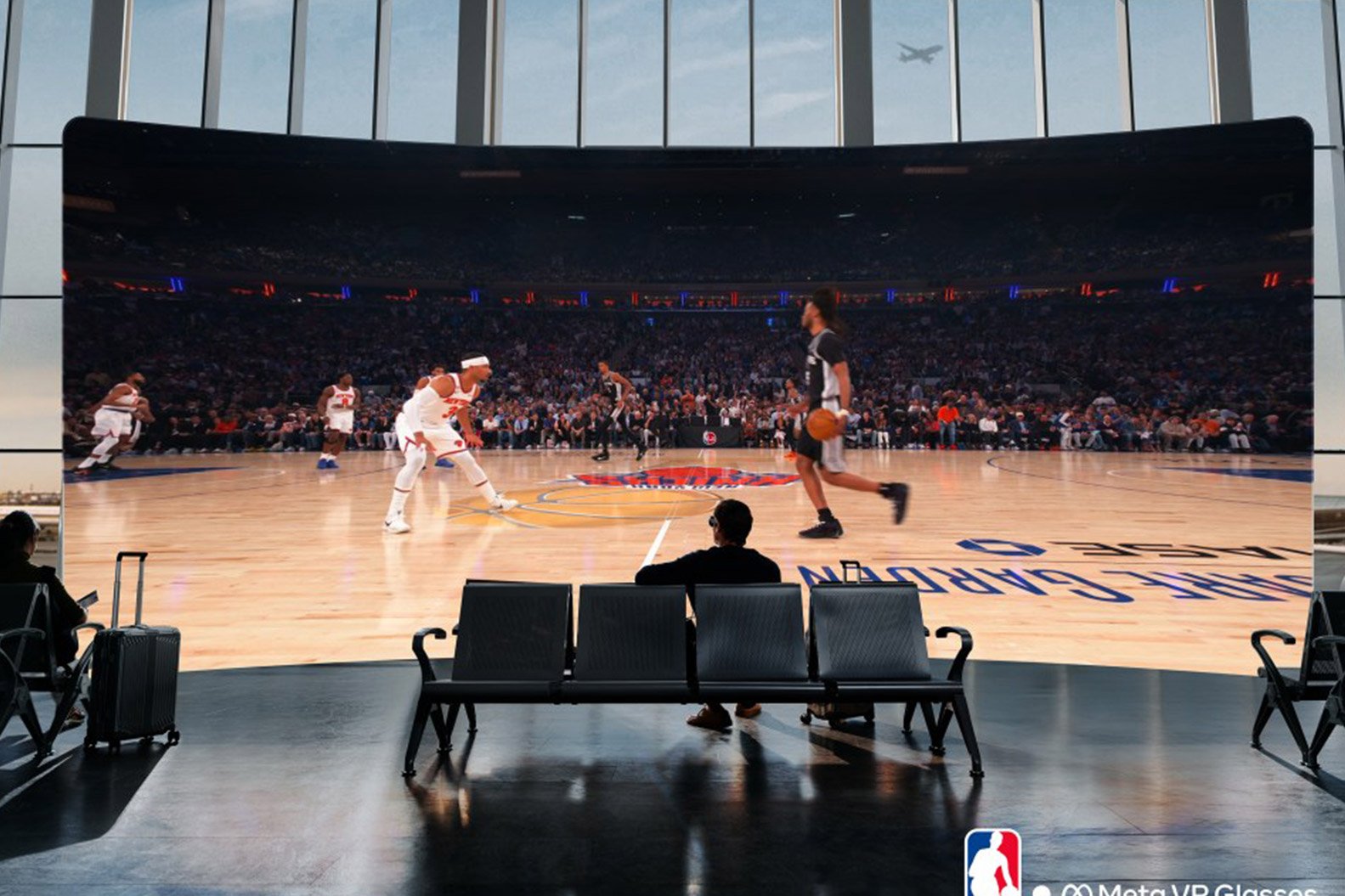
Live sports are another pillar of the strategy. By streaming events at 8K resolution with a 180-degree field of view through providers such as ESPN, TNT Sports, and MLB, Meta is attempting to create a “courtside” experience that transcends traditional television broadcasts. This strategy aims to capture sports fans who are looking for more than a flat-screen experience, leveraging the immersion that only spatial displays can provide.
The Role of AI and Software Integration
Central to all new hardware is the integration of Meta’s AI agent, Muse. Whether it is through the Ray-Ban Meta Audio glasses or the upcoming Muse Charm—a keychain-sized wearable—Meta is aggressively pushing its voice-driven, multimodal AI. The software improvements for the Meta Ray-Ban Display are particularly notable; the device will now offer contextual navigation, providing directions based on physical landmarks (e.g., “turn left at the yellow house”) rather than traditional street names.
Additionally, the introduction of "hologram calling" represents a significant leap in telepresence. By scanning a user’s face, the system can generate a photorealistic digital avatar that replicates facial expressions in real-time during video calls. This technology addresses the lack of a front-facing camera on the glasses, allowing users to engage in naturalistic communication without needing to record themselves continuously.
Infrastructure Expansion: The Petal Cable
The hardware announcements were preceded by a significant infrastructure project: the Petal subsea cable. Stretching 7,000 kilometers from the United States to the Atlantic coast of France, this project is projected to be the first subsea cable to achieve a capacity of one petabit per second. Scheduled for completion in 2029, the cable utilizes multi-core fiber technology to double the data capacity of existing transoceanic links without a proportional increase in energy consumption. This investment is crucial for Meta, as the company’s vision for high-fidelity spatial computing and real-time AI processing requires unprecedented levels of bandwidth and global network stability.
Industry Implications and Market Analysis
The market impact of Meta’s 2026 product lineup is substantial. By bifurcating its hardware into ultra-lightweight glasses and dedicated professional units, Meta is directly addressing the primary barrier to mainstream VR adoption: the physical discomfort of wearing a heavy device. The $1,299.99 price point for the VR glasses places the product in the premium consumer segment, potentially competing with high-end tablets and home entertainment systems rather than low-cost gaming consoles.
However, the long-term success of these devices will depend on developer adoption. While the glasses support hand tracking and voice control, the reliance on a tethered puck and a narrower field-of-view will require developers to rethink how they build spatial applications. If Meta can successfully foster a library of "spatial-native" content—apps that prioritize readability and cinematic immersion—they may succeed in shifting the industry toward a lighter, more wearable future.
The expansion of the Ray-Ban line also serves to normalize the presence of AI-enabled wearables in public spaces. By offering an audio-only model, Meta is providing an alternative for users who are uncomfortable with recording capabilities, which may mitigate privacy concerns that have historically hampered the adoption of smart glasses.
As the industry moves toward 2027, the focus for Meta will be to maintain the balance between the "fun" aspects of social media and entertainment and the "utility" of spatial computing. The company’s ability to execute on its ambitious software roadmap—particularly the rollout of the holographic calling features and the AI integration across all devices—will likely determine if these glasses become the primary computing interface for the next decade or remain a niche luxury item. With the Petal cable project ensuring the backend capacity for this future, Meta is clearly positioning itself to dominate the infrastructure of the next generation of digital connectivity.