Beyond the melody: How lyrics are transforming from passive background noise into the primary engine of music fandom

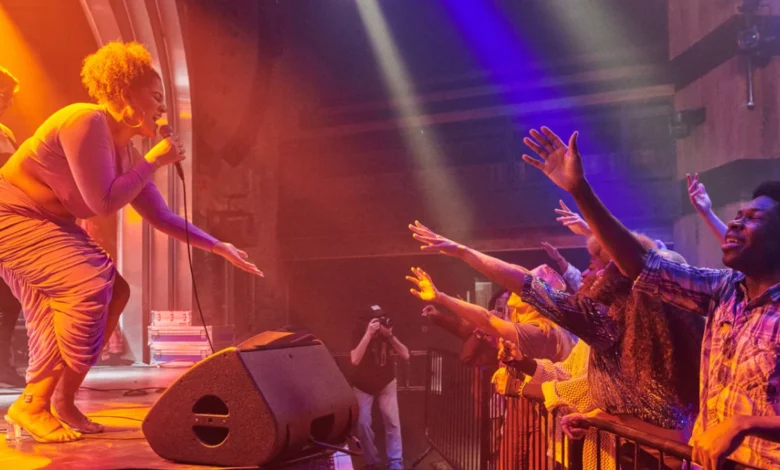
In the contemporary digital streaming ecosystem, the way audiences consume music has undergone a radical transformation. Where the experience was once defined by the physical ritual of removing a vinyl record from a sleeve or browsing through a CD booklet to decipher the artist’s intent, the modern era has drifted toward a model of passive, algorithmic consumption. However, data suggests that the most critical element of the musical experience—the lyrics—is reclaiming its position as the primary bridge between casual listeners and dedicated fans. Marco Paglia, Chief Product Officer at Musixmatch, the global leader in time-synced lyrics and translation services, argues that lyrics are no longer just an accompaniment; they are the essential connective tissue that turns passive streaming into active engagement.
The shift in how audiences interact with music is stark. In a landscape dominated by curated playlists, listeners often treat music as sonic wallpaper. Yet, the moment a listener begins to follow along with the lyrics, the nature of that interaction changes. They cease to be a passive recipient of background noise and become an active participant in the narrative. This psychological shift—the act of leaning in to recognize a shared experience or a personal sentiment within a songwriter’s prose—is the catalyst for deep-seated fandom.
The Evolution of the Listening Journey
Historically, the lyric booklet was a souvenir of a purchase, a static document that existed outside the audio experience. Today, that experience has been digitized, synchronized, and integrated into the very fabric of the playback interface. Musixmatch reports that approximately 88% of premium music streaming subscribers actively engage with lyric features during their listening sessions. This is not merely an aesthetic choice; it is a measurable behavioral shift.
Statistical analysis reveals a clear correlation between the presence of lyrics and listener retention. Tracks that feature integrated, time-synced lyrics generate 3.5 times more "saves" than those that do not. In the metrics-driven world of modern music streaming, a "save" is the ultimate signal of intent—an indication that a listener intends to return to the music, move it into their personal rotation, and deepen their connection with the artist.
The Critical Window: Why Timing Matters
For artists and record labels, the first seven days following a song’s release represent a "make-or-break" period. This is the window where curiosity is at its peak and the potential for audience growth is at its highest. Paglia emphasizes that this is a perishable opportunity. If a track is released without lyrics, the artist loses the ability to capitalize on that initial surge of interest.
The mechanics of this loss are threefold. First, discovery is hampered; roughly 81% of listeners perform online searches for lyrics when they hear a new track. If an artist has not provided an official, synced lyric source, they lose the opportunity to capture that traffic, potentially sending fans to third-party sites that do not benefit the artist’s profile. Second, algorithmic weighting—the process by which streaming platforms determine which songs to recommend—relies heavily on early engagement metrics like saves and completion rates. Because lyrics drive both, a launch without them is a launch with a structural disadvantage. Finally, social media integration is compromised. Modern music marketing thrives on short-form video and social sharing; without official lyric assets to screenshot, turn into stickers, or feature in karaoke-style content, artists leave a significant portion of their potential engagement on the table.
The industry has taken note of this urgency. Major entities, such as the Rolling Stones, have moved to adopt a "fully covered" launch strategy. By ensuring that their latest releases are equipped with synced lyrics and professional-grade translations in multiple languages from the very first second of availability, they ensure that the barrier to entry for international fans is removed, and the momentum of the launch is maximized.
Streamlining the Workflow: From Transcription to Global Reach
The burden of preparing these assets has historically fallen on artists and their teams, often resulting in slow, manual, and unglamorous administrative work. Transcribing audio, syncing text to millisecond-perfect timing, and managing metadata across two dozen platforms is an immense undertaking for independent creators.
Musixmatch has sought to address this by automating the supply chain of lyric management. By pulling catalog data directly from distributors and auditing it against the content live on Digital Service Providers (DSPs), the company provides a "coverage report" that allows managers to identify missing lyrics and prioritize the tracks that will yield the highest return on investment. The company’s transcription engine, specifically tuned for the nuances of the human singing voice, reportedly boasts double the accuracy of generic speech-to-text AI models. This infrastructure, supported by a global network of human curators who provide proofreading in over 100 languages, effectively collapses a process that previously took months into a matter of days.
Music Lens: The Rise of the Music Agent
Beyond simple metadata management, the industry is seeing the emergence of advanced analytical tools. Musixmatch has introduced "Music Lens," a platform described as the "world’s first music agent." This tool allows labels and publishers to move beyond traditional database queries and engage in a dialogue with their entire musical catalog.
Music Lens operates through four distinct analytical stages. Initially, it acts as a musicologist, reading lyrics to extract thematic meanings, moods, and emotional resonance. Next, it functions as a digital DJ, allowing teams to search for music based on sentiment rather than just genre or artist name. Third, it serves as a consultant, evaluating a song against a brand’s creative brief in the manner of a human sync agent. Finally, it acts as an analyst, mapping how an artist’s themes evolve over time and identifying geographic patterns in audience resonance.
Critically, this technology is built on a non-generative framework. It does not create new music; rather, it derives insights from a catalog of over 100 million works. The platform operates on strict permission-based constraints, ensuring that no raw, unlicensed content is surfaced or scraped, addressing the significant copyright and ethical concerns currently facing AI development in the creative arts.
Democratization and the Independent Artist
The question of whether these tools level the playing field for independent artists is significant. Historically, the infrastructure of global distribution, professional metadata management, and translation services was the exclusive domain of major labels with the capital to fund large-scale administrative teams. Today, independent artists can access a similar suite of tools.
Translation, in particular, has emerged as the most significant factor in the globalization of independent music. An artist based in a smaller market—such as a songwriter in Bologna—can now have their work immediately accessible to listeners in Brazil or Japan with full, accurate, and time-synced translations. This effectively eliminates language as a barrier to entry. When the words travel with the music, the local boundaries of fandom dissolve.
While these platforms cannot replace the essential functions of a label—such as financial capital, high-level industry relationships, and dedicated human marketing teams—they provide the foundational infrastructure that allows artists to build a global presence from day one.
The Future of Fan Participation
As the industry moves forward, the focus is shifting toward creating a more active, participatory experience for fans. Translation is already evolving from a utility into a community-building tool. When Spotify, powered by Musixmatch, rolled out global lyric translations for Rosalia’s "LUX" album, the results were historic, confirming that language-neutral content delivery drives higher streaming volume.
The next frontier is fan-personalized merchandise. By allowing fans to choose their favorite lines from a song to be printed on apparel, artists are fostering a new type of relationship. This is no longer about a fan purchasing generic tour merchandise; it is about the fan participating in the creative identity of the song. Every shirt sold becomes a data point for the artist, revealing which lyrics resonated most deeply with their audience.
In conclusion, the role of lyrics in the music industry has shifted from a background component to a primary driver of discovery, engagement, and retention. As platforms continue to refine the tools available to both creators and listeners, the divide between the passive streamer and the dedicated fan is likely to continue shrinking, replaced by a more nuanced, interactive, and globalized experience. For the modern musician, the ability to effectively manage their lyrical identity is no longer an optional feature—it is a competitive necessity.