OnePlus Ceases New Smartphone Launches in U.S. and Europe, Raising Concerns for Display-Sensitive Consumers

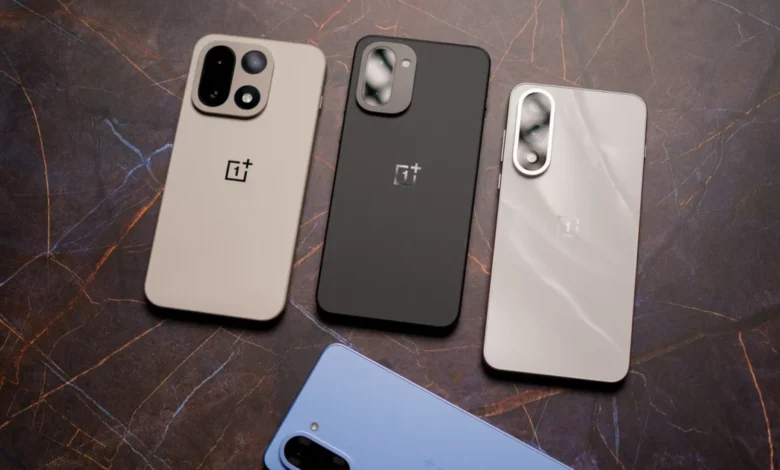
OnePlus, the Chinese smartphone manufacturer known for its "flagship killer" devices, announced earlier this week that it will no longer launch new smartphones in the United States and European markets. While existing devices will continue to receive support, this strategic withdrawal effectively marks the company’s exit from these crucial Western regions. The decision carries significant implications for consumers, particularly those who rely on OnePlus’s commitment to advanced display technologies, such as flicker-free screens, which are crucial for individuals sensitive to Pulse Width Modulation (PWM) dimming.
A Retreat from Key Western Markets
The announcement signifies a pivotal shift in OnePlus’s global strategy, drawing a close to an era where the brand carved out a niche by offering high-specification devices at competitive prices. For years, OnePlus cultivated a dedicated following, initially through its invite-only system and later by consistently pushing the boundaries of Android smartphone hardware. However, the company’s inability to secure robust carrier partnerships in the U.S. and effectively scale its distribution in Europe proved to be an insurmountable hurdle.
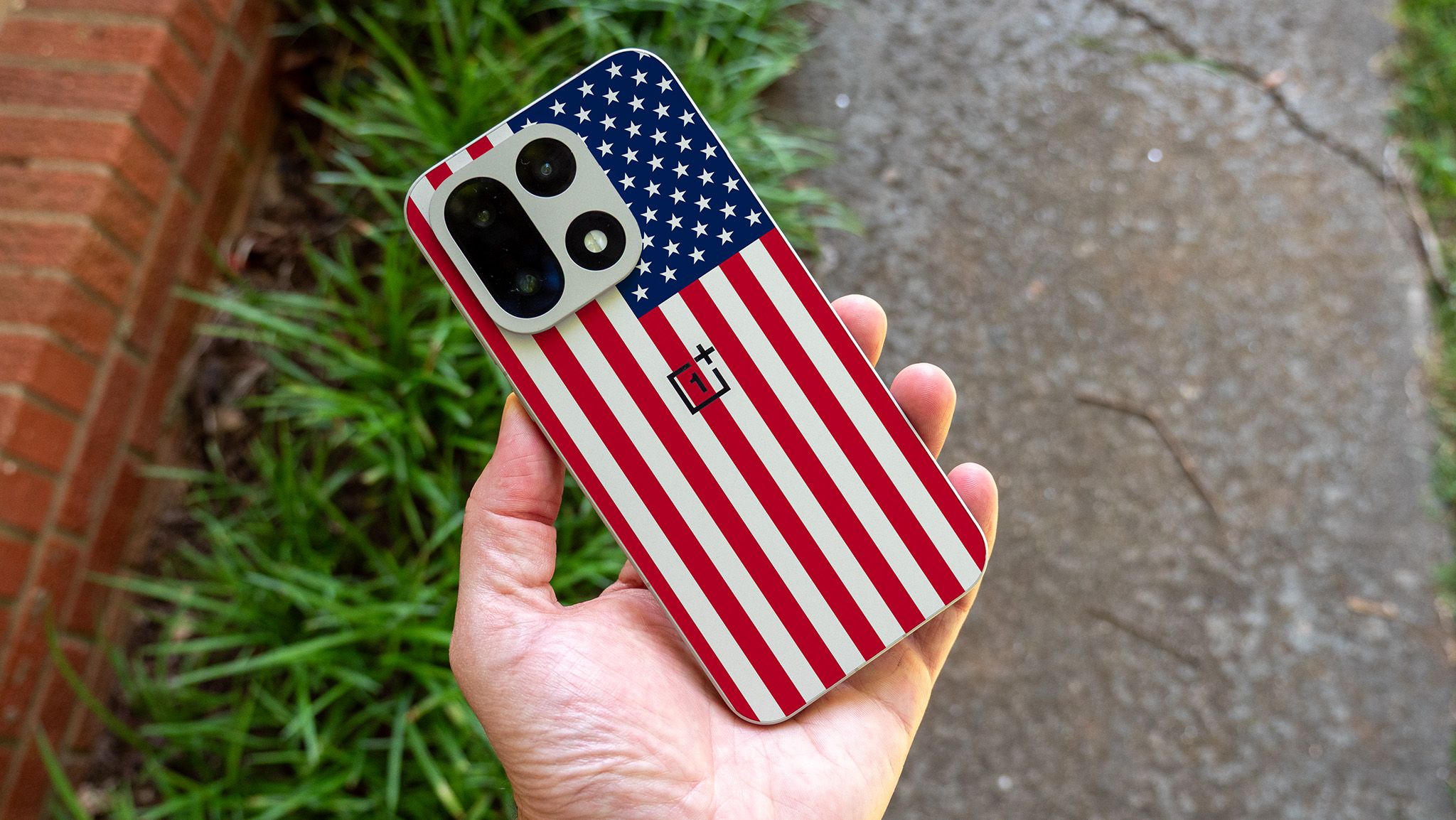
The U.S. smartphone market, in particular, operates largely through carrier channels. The dominance of major telecommunications providers – AT&T, Verizon, and T-Mobile – means that a smartphone’s success is heavily reliant on its availability in carrier stores and integration into their extensive sales and financing ecosystems. Without this crucial retail presence, even highly-rated devices struggle to reach a broad consumer base. Despite critical acclaim for models like the OnePlus 13, which garnered a rare perfect 5-out-of-5 score from Android Central’s reviewer for its blend of performance, design, and display technology, the lack of carrier visibility ultimately hampered its commercial viability. This struggle highlights a long-standing challenge for non-dominant brands attempting to penetrate a market deeply entrenched with Apple and Samsung through established carrier agreements.
The Unsung Innovation: Flicker-Free Displays
Beyond raw specifications, OnePlus distinguished itself by addressing a critical, albeit often overlooked, aspect of smartphone usage: display health. The company, alongside a few others like Motorola, championed the integration of flicker-free displays, offering a lifeline to users sensitive to PWM dimming.
Pulse Width Modulation (PWM) is a common method used by OLED screens to adjust brightness. Instead of continuously lowering the voltage to dim the screen, PWM rapidly cycles the screen on and off. While imperceptible to most, this rapid flickering can cause significant discomfort for a subset of the population, leading to symptoms such as eye strain, headaches, fatigue, and even nausea. The frequency of this flicker is key; generally, frequencies below 500 Hz are considered problematic for sensitive individuals. For comparison, many mainstream flagship phones from dominant brands operate at PWM frequencies as low as 240-360 Hz.
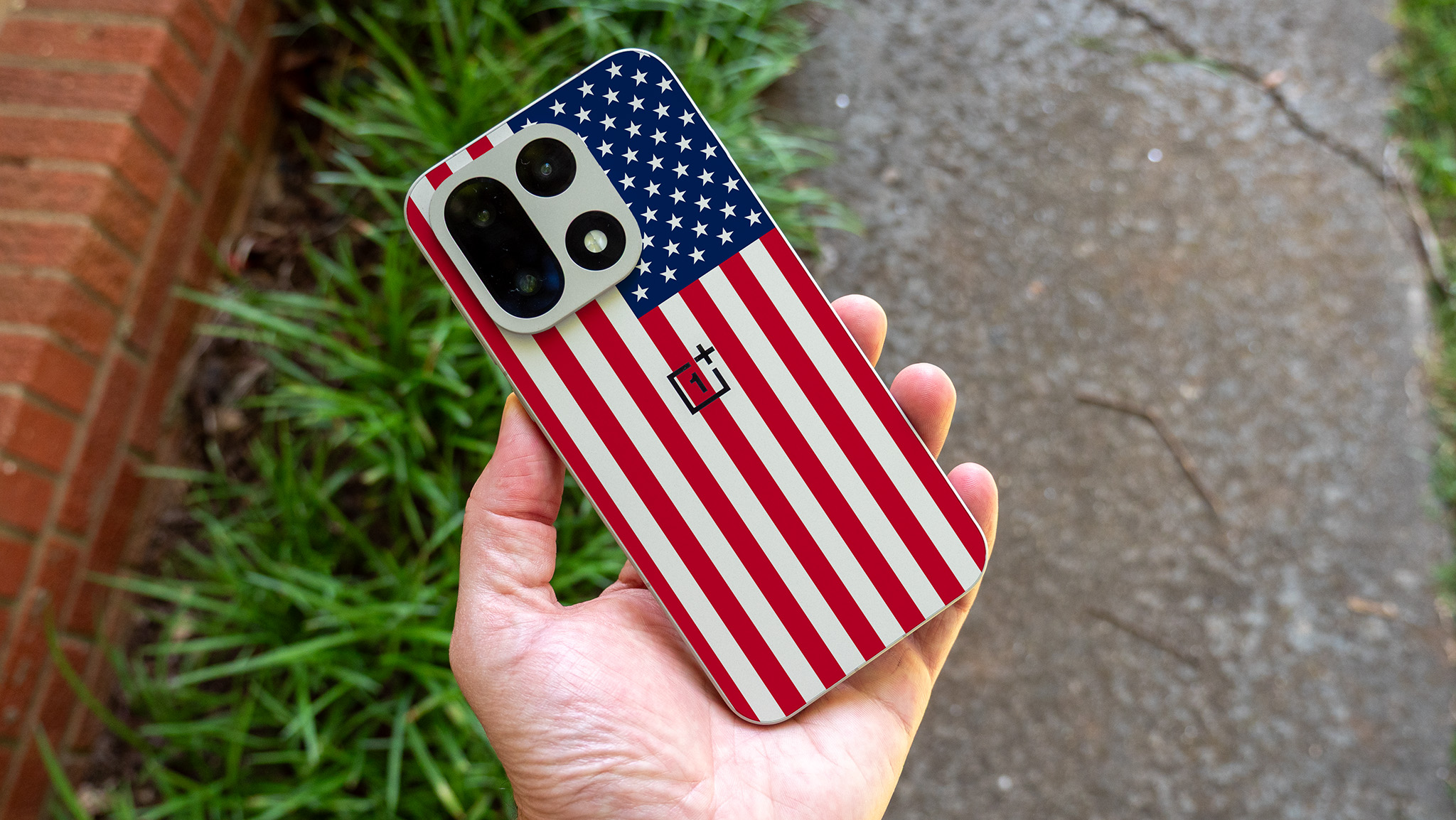
OnePlus, particularly with models from the OnePlus 12 onwards, including the critically acclaimed OnePlus 13 and the later OnePlus 15 and 15R (which were lauded for having some of the best OLED displays for flicker-sensitive people), consistently implemented high-frequency PWM dimming or DC dimming solutions. These technologies significantly reduce or eliminate visible flicker, providing a much more comfortable viewing experience. This commitment stood in stark contrast to the "Big Three" – Apple, Samsung, and Google – which have largely remained unresponsive to this growing consumer concern in their flagship offerings.
The departure of OnePlus leaves a substantial void for these consumers in the U.S. market. For individuals who developed PWM sensitivity, often exacerbated by prolonged use of high-flicker screens in low light conditions (as recounted by Android Central’s reviewer after using a device like the Galaxy Z Fold 4), OnePlus devices were a crucial ergonomic alternative.
Chronology of OnePlus’s Western Market Engagement
OnePlus burst onto the scene in 2014 with the "OnePlus One," marketed as a "flagship killer" – a high-performance smartphone offered at a significantly lower price than its competitors, primarily sold directly to consumers. This direct-to-consumer model, coupled with an enthusiastic community and savvy marketing, allowed the company to gain traction globally, including in the U.S. and Europe, without heavy reliance on traditional retail or carrier channels.

- 2014-2017: The "Flagship Killer" Era: OnePlus established itself with devices offering top-tier specifications and a clean Android experience (OxygenOS), building a loyal fan base through online sales and a unique invite system.
- 2018-2020: Gradual Mainstream Push: The company began exploring partnerships, notably with T-Mobile in the U.S., marking its first foray into direct carrier distribution. This was seen as a move to broaden its appeal beyond tech enthusiasts.
- 2021-2023: Integration and Identity Shift: OnePlus’s merger with Oppo, its parent company, led to increased resource sharing but also questions about its distinct identity. The OxygenOS software, a beloved feature, began to converge with Oppo’s ColorOS, causing some user apprehension. During this period, the brand continued to launch flagships, improving camera systems through partnerships like Hasselblad, and solidifying its commitment to display health.
- Early 2025 (Hypothetical Review Context): The OnePlus 13 is critically acclaimed, demonstrating the company’s peak performance and display technology, but still struggling with broad market penetration due to distribution challenges.
- Recent Announcement: Official declaration of ceasing new phone launches in the U.S. and Europe, citing market conditions and strategic refocus.
The Shrinking Landscape for Healthier Displays in the U.S.
With OnePlus’s withdrawal, the options for U.S. consumers seeking flagship-tier phones with healthier display dimming solutions are severely limited. Motorola, a long-standing player, and Nothing, a newer UK-based entrant, are among the few remaining brands offering alternatives.
- Motorola: While Motorola has made strides in integrating high-frequency PWM or DC dimming in many of its devices, its flagship presence in the U.S. has waned. The Edge Plus 2023 was its last traditional flagship phone, with the company increasingly focusing on its foldable Razr series (like the Razr Ultra and Razr Fold). These foldables, while innovative, occupy a niche segment and do not directly compete with the broader flagship market dominated by Apple and Samsung.
- Nothing: The brainchild of former OnePlus co-founder Carl Pei, Nothing has garnered attention for its distinctive design and commitment to a clean Android experience. However, even its "flagship" Phone series, while praised for its performance and value, isn’t positioned as a direct competitor to the absolute top-tier flagships from Apple or Samsung in terms of cutting-edge specifications across the board.
- Smaller Vendors: Companies like TCL and Nuu do offer phones with healthier displays, but these are typically budget-friendly or mid-range devices. They do not cater to the segment of users who desire the latest processors, advanced camera systems, and premium build quality that OnePlus once provided.
- International Brands: Brands like Honor, which have become favorites among the PWM-sensitive community globally (e.g., Honor Magic 8 Pro, Honor MagicPad 4), primarily operate in Europe and Asia, with minimal or no official presence in North America. Their superior display technologies, including ultra-high frequency PWM dimming, remain largely inaccessible to U.S. consumers without resorting to risky importing.
Statements, Reactions, and Broader Implications
OnePlus’s official statement underscored its commitment to supporting existing devices in the U.S. and Europe, including the promised seven years of software and security updates for models like the OnePlus 13 and 15. This ensures that current owners will not be immediately abandoned. Furthermore, Oppo, OnePlus’s parent company, has indicated that its Realme brand may step up to fill some of the void in the global market, though specifics regarding U.S. availability remain unclear.
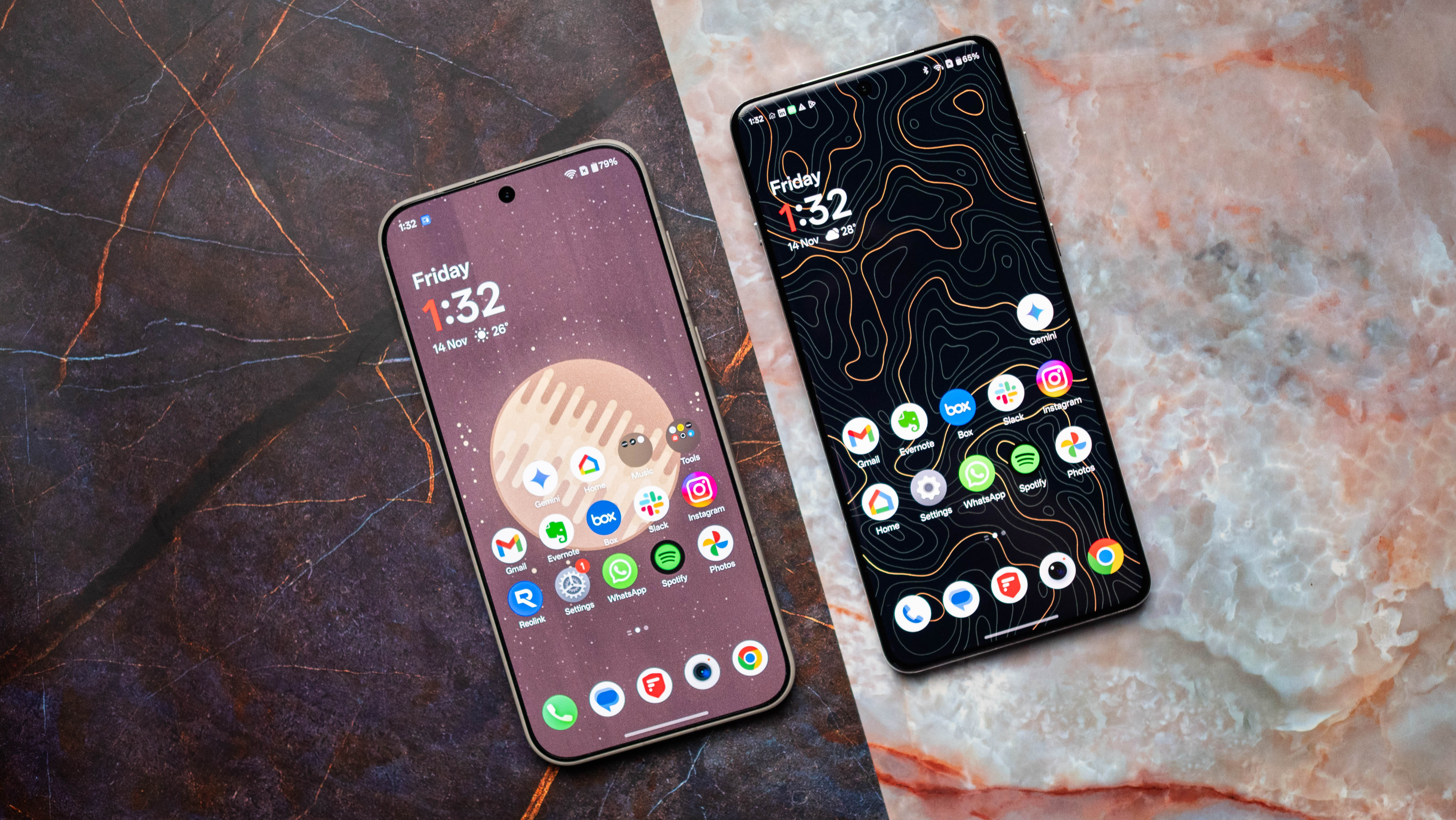
Industry analysts suggest that this retreat is a reflection of the intense competition and the high barrier to entry in Western flagship markets. Without substantial marketing budgets and deep-rooted carrier ties, even a well-regarded product can fail to gain significant market share. The consolidation trend in the smartphone industry continues, with fewer players dominating the premium segment.
The broader implications are significant:
- Reduced Consumer Choice: For U.S. and European consumers, the exit of OnePlus means one less viable option, particularly for those seeking alternatives to the dominant players. This is especially true for the niche market of users sensitive to display flicker.
- Stifled Innovation in Display Health: With a major proponent of flicker-free displays gone from these markets, there is less pressure on Apple, Samsung, and Google to adopt similar eye-care solutions. This could mean that the majority of flagship phones will continue to use low-frequency PWM dimming, to the detriment of sensitive users.
- Geopolitical Factors: The article subtly alludes to "politics" as a reason Chinese companies are hesitant to enter the tumultuous U.S. market. This refers to the ongoing geopolitical tensions and trade disputes between the U.S. and China, which have led to restrictions and uncertainties for Chinese technology firms (e.g., the precedent set by Huawei’s challenges). Such an environment makes significant long-term investment and market expansion a high-risk proposition.
- Challenges for Remaining Innovators: Motorola and Nothing, while offering alternatives, face the daunting task of competing against marketing behemoths without the benefit of a diversified portfolio or the broad appeal that OnePlus once commanded.
Recommendations and the Murky Future
For PWM-sensitive consumers in the U.S. and Europe, the immediate recommendation is to consider purchasing existing OnePlus devices while they are still available. The OnePlus 15R, for instance, has been highlighted as offering an exceptional display for this demographic, and the promise of extended software support and warranty provides some reassurance.
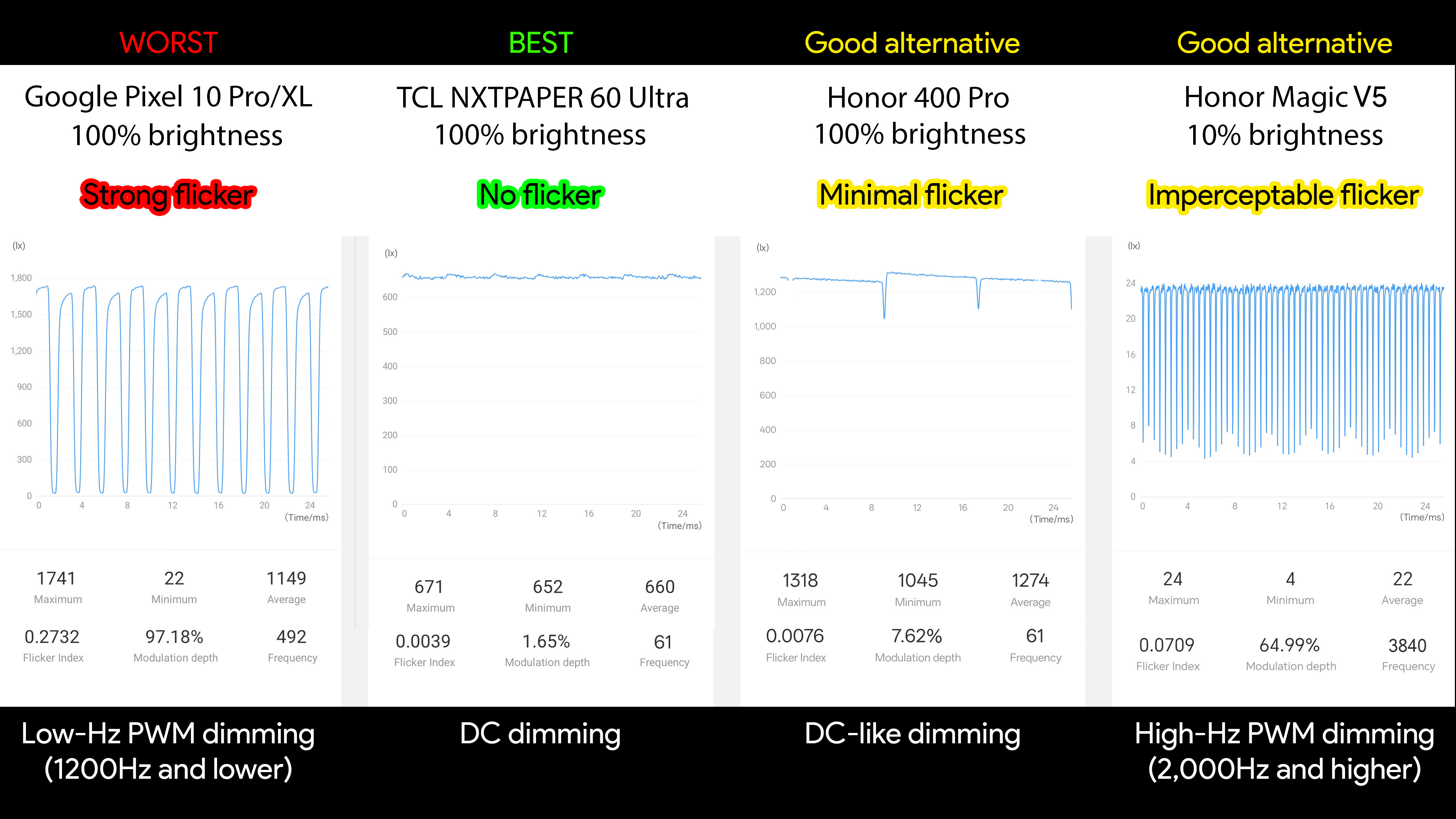
However, the long-term outlook remains uncertain. The primary solutions for consumers seeking healthier display options now boil down to:
- Choosing an under-specced phone: Opting for budget or mid-range devices from companies like TCL or Nuu, which may offer flicker-free displays but compromise on performance, camera quality, or premium features.
- Importing a device: Purchasing phones from international markets, such as those from Honor, carries significant risks, including potential issues with carrier compatibility (band support), warranty claims, and access to local after-sales service.
Unless major industry players like Samsung, Google, or Apple unexpectedly pivot to prioritize eye health in their display technologies, the segment of consumers requiring flicker-free screens will find themselves with increasingly limited choices in Western markets. The departure of OnePlus marks not just the exit of a popular brand, but a significant loss for display technology innovation and consumer choice in a critical area of digital well-being.