Samsung Galaxy Z TriFold 2 Rumors Point to a 2027 Release and Limited Market Strategy Amid High Manufacturing Hurdles

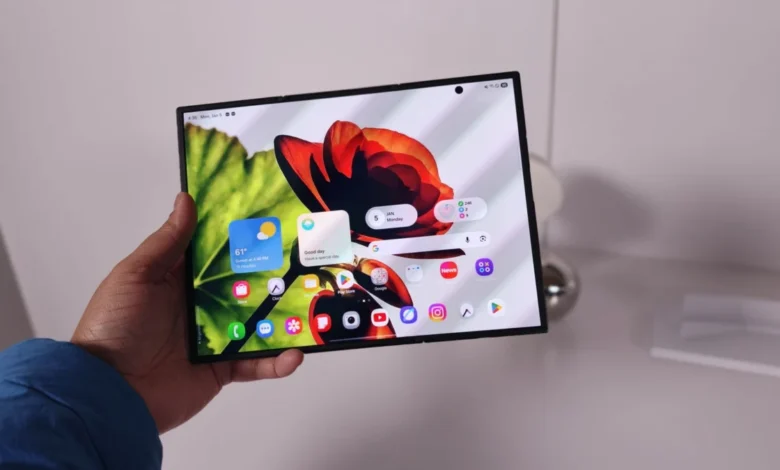
Samsung’s trajectory in the foldable smartphone sector continues to evolve, with emerging supply chain leaks and industry reports suggesting that the tech giant is pressing forward with development for a successor to its ambitious tri-folding device. According to recent intelligence originating from industry trackers and Dutch publication GalaxyClub, Samsung has assigned specific internal codenames to its upcoming device lineup, hinting that the speculative Galaxy Z TriFold 2 is actively progressing through early development stages.
The initial hardware rollout of foldable devices has transformed the mobile landscape over the past half-decade, shifting from experimental novelties to mainstream productivity powerhouses. While wide-format foldables and book-style devices have firmly established their place in the consumer electronics market, multi-hinge architectures—commonly referred to as "trifolds"—represent the bleeding edge of mechanical engineering and display technology. As competitors ramp up their own multi-panel displays, Samsung appears determined to refine its approach, even as it navigates the severe economic and technical hurdles that plagued its first-generation hardware.
Internal Codenames and Regional Availability
Industry tracking indicates that Samsung has designated the upcoming Galaxy Z9 series, specifically the iterative continuation of the Fold line, under the internal development tag Q9. However, parallel data discovery points to a closely related variant carrying the codename Q9m. Mobile analysts have noted that this nomenclature closely mirrors the tagging convention Samsung applied to the original TriFold during the development cycles of the Z8 series.
While these internal indicators confirm that engineering work is underway, prospective buyers outside of select regions should temper their expectations regarding global availability. Current rumors suggest that Samsung is leaning toward repeating its initial regional strategy by restricting the hypothetical TriFold 2 to the South Korean domestic market and the United States. This measured approach allows the manufacturer to tightly control logistics, after-sales support, and warranty servicing for a form factor that continues to demand exceptionally delicate manufacturing tolerances.
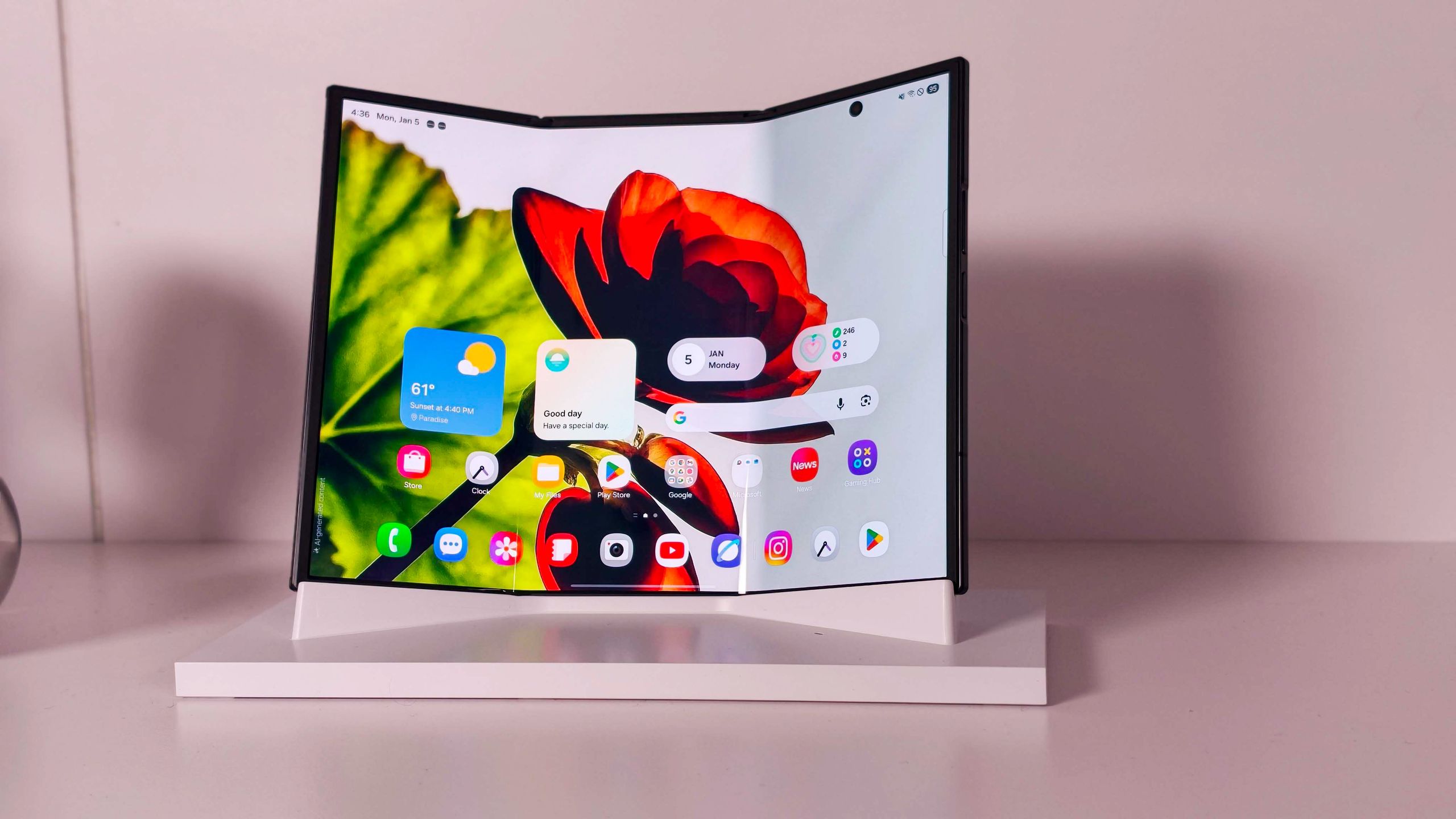
A Look Back: The Short-Lived Legacy of the First TriFold
To understand the weight of the TriFold 2 rumors, one must examine the turbulent lifecycle of its predecessor. The original Samsung Galaxy Z TriFold enjoyed an extraordinarily brief market presence, vanishing from primary retail channels just three months after its official launch. High manufacturing expenditures, climbing component costs, and low production yields ultimately forced Samsung to halt active manufacturing and liquidate remaining inventories.
Despite carrying a retail price point hovering near the ultra-premium echelon—approximately $2,800—the revenue generated by the first-generation device failed to offset the mounting costs associated with its complex multi-hinge assembly and triple-pane flexible organic light-emitting diode (OLED) panel. For Samsung, the brief experiment served as both a technological showcase and a stark lesson in economic scalability. Industry analysts pointed out that while the device successfully demonstrated the viability of double-hinge mobile configurations, the consumer market at that price point was not yet robust enough to sustain mass-production overhead.
Market Pressures and Competitive Landscape
The timing of the TriFold 2 rumors coincides with aggressive maneuvers by rival manufacturers within the foldable ecosystem. As engineering hurdles regarding screen crease durability, chassis thickness, and battery density are slowly overcome, the global race for multi-fold dominance has intensified.
When market observers noted a renewed surge in rumors surrounding Samsung’s tri-fold sequel, it followed closely on the heels of competitive product announcements and industry shifts—notably catalysed by emerging form factors from rival firms and rumors surrounding Apple’s evolving device roadmap. In response to shifting consumer demands for multi-tasking interfaces that rival traditional tablet computers, Samsung leadership has repeatedly emphasized its commitment to exploring alternative physical configurations, including advanced multi-folding designs and experimental rollable or slideable displays.
Despite these ambitions, economic realities loom large over the development of the TriFold 2. While early speculation optimistically suggested that Samsung might target a price point comparable to the original model, macroeconomic factors—including persistent inflation, specialized supply chain bottlenecks, and the rising cost of rare-earth materials—suggest that a retail price of $2,800 may be difficult to maintain. Many industry analysts project that second-generation tri-folding hardware could easily creep toward, or even surpass, the $3,000 threshold upon release.
Projected Timeline and Future Outlook
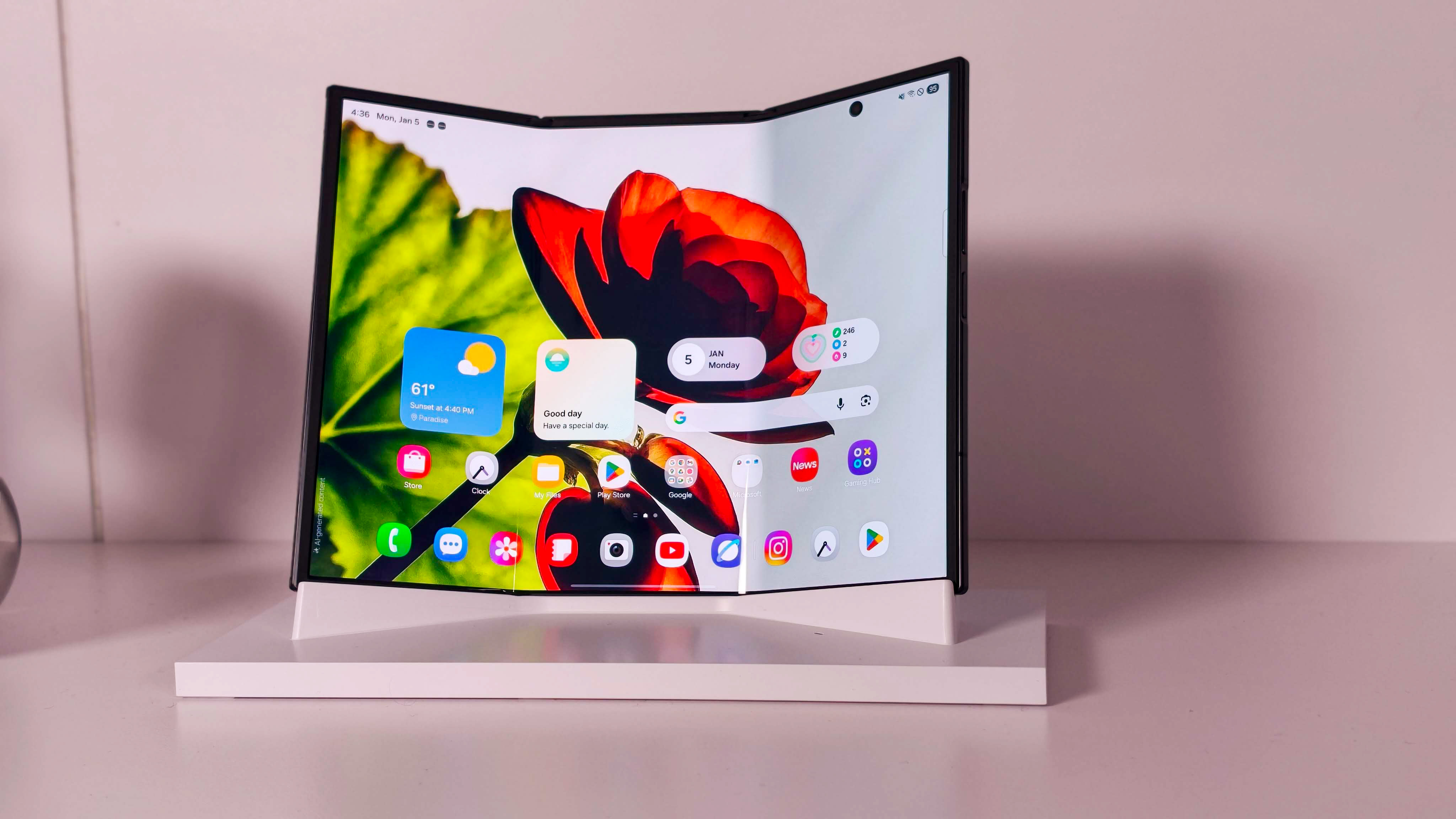
Current intelligence points toward a projected commercial window in 2027 for the potential arrival of the Galaxy Z TriFold 2. This extended timeline affords Samsung’s research and development divisions the necessary runway to address the primary structural weaknesses of the first iteration.
Chief among these engineering goals are enhanced structural durability, reduced chassis weight, and a significantly thinner profile when the device is fully folded. Furthermore, supply chain sources indicate that Samsung may pair the TriFold 2 development cycle with parallel work on a commercial slideable smartphone, indicating a multi-pronged approach to the next generation of mobile computing form factors.
As the smartphone industry matures and traditional slab-style phone sales plateau, manufacturers are increasingly reliant on radical hardware innovations to capture high-end consumer interest and maintain profit margins. Whether the upcoming TriFold 2 can successfully overcome the prohibitive manufacturing costs and limited market appeal that cut its predecessor’s lifespan short remains one of the most closely watched narratives in modern consumer electronics. For now, Samsung’s internal tracking suggests that the dream of the multi-folding mobile device is far from dead, even if its path to store shelves requires patience, capital, and significant technological refinement.
Related posts: