BIOSENTER: MIT engineers develop a bio-inspired soft robot to revolutionize small intestine diagnostics and treatment

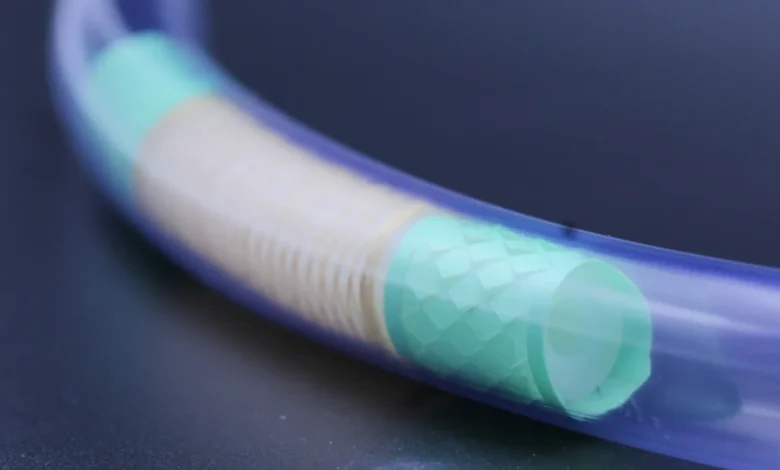
The landscape of gastrointestinal medicine is undergoing a significant transformation with the introduction of BIOSENTER, a sophisticated soft robotic device engineered at the Massachusetts Institute of Technology (MIT). Designed to navigate the notoriously difficult, 20-foot-long expanse of the human small intestine, this autonomous worm-like robot promises to replace the cumbersome and labor-intensive procedures that have defined gastroenterology for decades. By mimicking the biomechanics of snakes and incorporating advanced origami-inspired structural engineering, the device offers a minimally invasive pathway for high-resolution imaging, targeted drug delivery, and precise tissue sampling.
The development of BIOSENTER comes at a critical juncture in global health. As intestinal diseases, including Crohn’s disease, ulcerative colitis, and various forms of gastrointestinal cancer, see a steady rise in diagnosis rates, the demand for more efficient diagnostic tools has reached an inflection point. Traditional methods, specifically double-balloon enteroscopy, have remained the clinical standard despite their inherent limitations. These procedures involve a time-consuming process where clinicians manually inflate and deflate balloons to advance a scope through the digestive tract—a technique that is physically taxing for the physician and often results in longer procedure times for the patient.
The Biomechanical Innovation Behind BIOSENTER
The fundamental challenge of navigating the small intestine lies in its anatomy: a tightly coiled, slippery, and constrained environment that is notoriously difficult to access without causing trauma to delicate mucosal tissues. MIT researchers, led by mechanical engineer Giovanni Traverso, sought to circumvent these obstacles by looking toward biological models that excel in constrained locomotion.
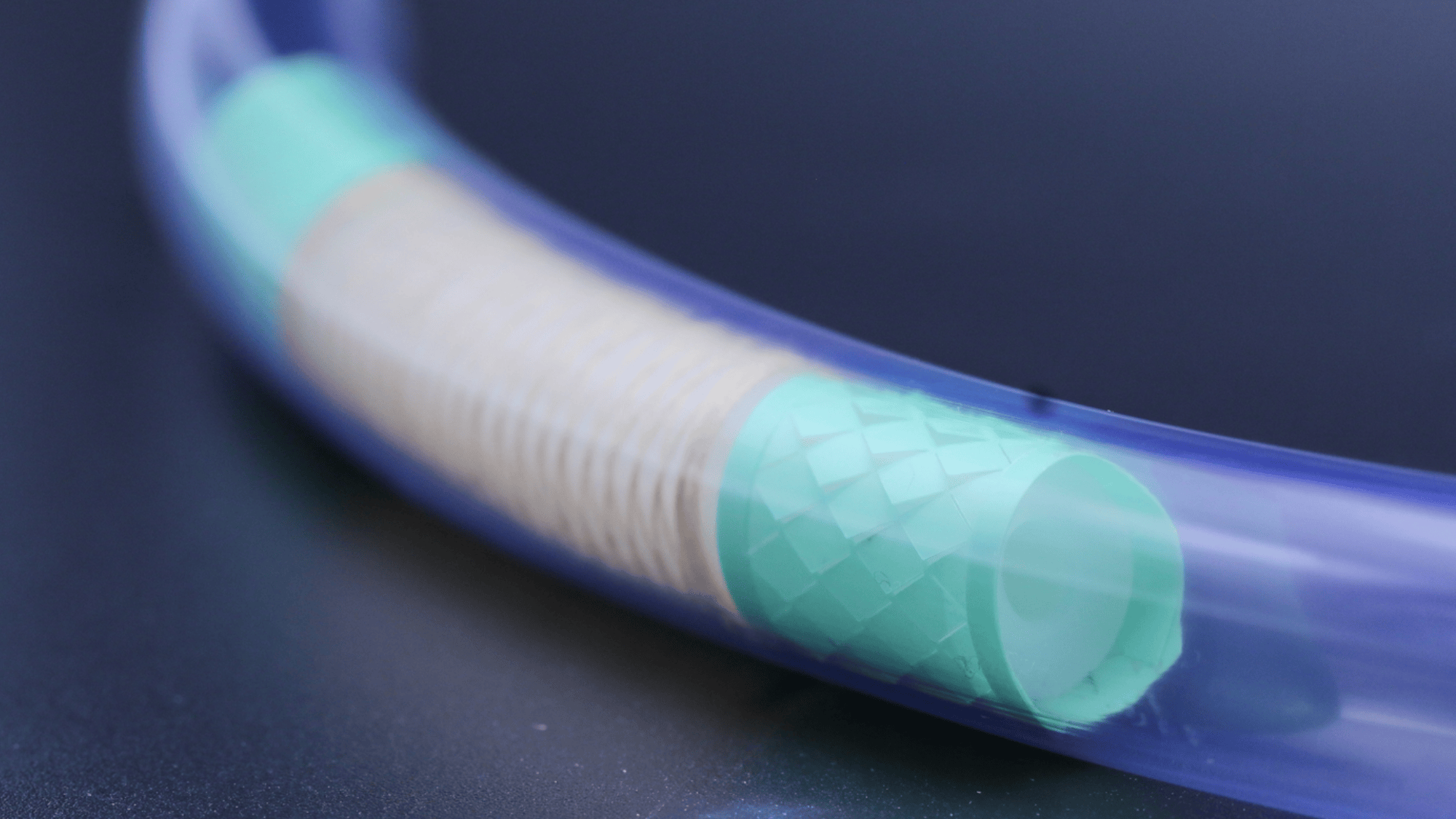
The robot measures approximately 3.7 inches in length with a diameter of roughly 0.5 inches. Its design utilizes a series of four inflatable chambers integrated into a hollow, tubular body. By rhythmically pumping air through these chambers, the robot achieves a peristaltic motion similar to that of an earthworm. This locomotion is further refined by a specialized exterior coating, which features scale-like textures that provide the necessary friction to propel the device through the lubricated environment of the gut without slipping.
Perhaps the most innovative aspect of the robot’s design is the incorporation of kirigami—the Japanese art of paper cutting—to create expandable structural sleeves at the head and tail. These segments serve as anchors, allowing the robot to grip the intestinal wall and pull its body forward with controlled force. This mechanism is critical, as it ensures the device can navigate the intestinal tract without exerting excessive pressure on the sensitive tissue, thereby minimizing the risk of perforation or irritation during the diagnostic process.
Chronology of Development and Testing
The journey from theoretical design to functional prototype has been a rigorous multi-year effort. Initial conceptualization began with a focus on soft robotics, with the team identifying the need for a device that could perform autonomous, tethered operations.
Following successful benchtop testing in synthetic models, the research team transitioned to pre-clinical trials. The validation phase involved testing the BIOSENTER in sedated, living porcine models, whose gastrointestinal anatomy is widely considered the closest biological analog to human systems. During these trials, the robot successfully navigated the small intestine for an 11-minute duration. Throughout this period, the device demonstrated its capability to capture high-definition imagery, perform real-time tissue biopsies, and deliver fluid-based medication to targeted locations within the tract. These milestones were officially documented and published this week in the journal Science Robotics, marking a significant achievement in medical robotics.
Clinical Context and Competitive Landscape
While BIOSENTER represents a breakthrough in autonomous mobility, it exists within a growing field of "smart" diagnostic tools. In 2021, a team from the University of Macau introduced a magnetic, pill-sized robot capable of navigating the GI tract through a cartwheel motion induced by external magnetic fields. Unlike the MIT prototype, the Macau-based device operates as an ingestible capsule, which is eventually expelled naturally.
The distinction between these technologies lies in their clinical application. The BIOSENTER is designed for more complex interventions. Because it is tethered, it provides a stable connection for high-bandwidth data transmission and allows for the use of more robust instruments, such as active biopsy clippers and high-pressure fluid sprayers. While ingestible capsules are excellent for passive imaging, the tethered, autonomous nature of the BIOSENTER positions it as a surgical-assist tool capable of active therapeutic intervention.
Expert Perspectives on Future Implementation
Healthcare professionals have noted that the automation of intestinal diagnostics could significantly democratize access to specialized care. By reducing the reliance on highly trained specialists to perform manual scope navigation, hospitals could potentially increase their patient throughput while reducing the physical toll on the patient.
"The fundamental challenge that we are trying to overcome is how to evaluate that 20-to-25-foot segment of the small intestine in a way that can be more automated," Giovanni Traverso stated in a recent press release regarding the study. His colleague, MIT graduate student Ahmad Mujtaba Jebran, emphasized the safety profile of the new design, noting that the kirigami-based traction system allows for localized tissue engagement without the need for the excessive stretching that often causes patient discomfort during traditional enteroscopy.

The implications for clinical practice are vast. If the device proves as effective in human clinical trials as it has in porcine models, it could shift the standard of care for patients with unexplained gastrointestinal bleeding or suspected early-stage malignancies. The ability to perform a biopsy during the same diagnostic run as an imaging session would eliminate the need for repeat procedures, thereby reducing both the cost and the physiological stress associated with serial endoscopic examinations.
Broader Implications for Medical Robotics
The successful deployment of the BIOSENTER underscores a broader trend in bio-engineering: the transition from rigid, mechanized surgical instruments to soft, adaptable systems that mimic biological organisms. This shift is not merely aesthetic; it is a fundamental requirement for the next generation of internal medicine. As we move toward an era of increasingly personalized medicine, the ability to deploy robotic "agents" to specific, hard-to-reach niches within the human body will likely become a cornerstone of surgical and diagnostic practice.
Furthermore, the data collected during the BIOSENTER trials suggests that autonomous navigation can be achieved with high precision in complex, dynamic environments. This suggests that future iterations of the technology might be integrated with machine learning algorithms, allowing the robot to identify and classify polyps or lesions in real-time, effectively serving as an intelligent diagnostic partner for the operating surgeon.
As the research team prepares for the next phase of development—which will likely involve further refinement of the tethering systems and long-term biocompatibility studies—the medical community remains watchful. While the device must still pass stringent regulatory hurdles and human clinical trials, the initial evidence indicates that the age of the "gut-crawling robot" is no longer a matter of science fiction, but a tangible, impending reality. For the millions of patients who suffer from chronic or undiagnosed intestinal conditions, this tiny, slithering robot may soon provide the clarity and treatment they have long been seeking.