League of Legends Classic Mode Sparks Player Uproar and Developer Revisions on the Public Test Environment

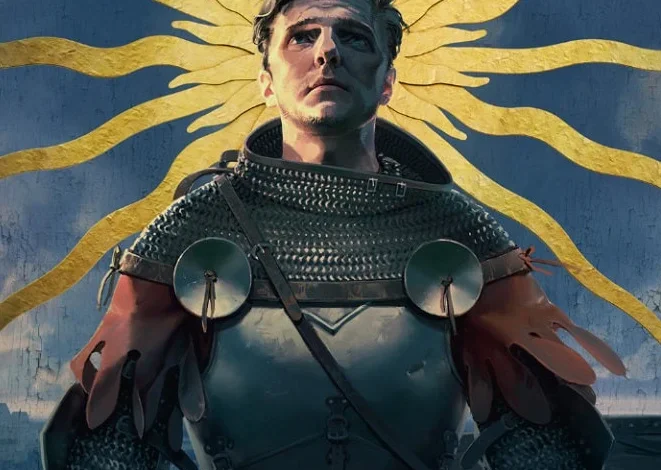
The highly anticipated "League of Legends Classic" mode, a nostalgic journey back to the MOBA’s early days, has encountered a turbulent reception on Riot Games’ Public Test Environment (PBE). This new mode, designed to immerse players in the game’s foundational mechanics by drastically reducing the champion roster and reintroducing older builds and character kits from 2013 and earlier, has ignited a fervent debate among the player base, primarily concerning its visual presentation and monetization strategy. Initial reactions, amplified across social media platforms, highlighted a significant disconnect between player expectations of a truly "classic" experience and the mode’s default implementation.
Initial Release and Player Backlash
Upon its deployment to the PBE, "League of Legends Classic" presented players with a curious paradox: while the gameplay mechanics and core design were rooted in the game’s past, the visual presentation largely featured modern character models, updated voice lines, and contemporary spell effects. The allure of a nostalgic trip was, for many, significantly dampened by the persistent presence of modern aesthetics. The concept of "classic skins," intended to evoke the game’s visual history, was initially locked behind an in-game progression system, requiring players to earn tokens or spend real money to access them.
This approach quickly drew sharp criticism. A prominent thread on the official League of Legends subreddit, initiated by user "prime_desire," garnered over 6,000 upvotes and articulated widespread player dissatisfaction. The post, titled "League ‘not so’ Classic’," expressed a sentiment of embarrassment, stating, "honestly I would be embarrassed to release something like this. Charging for Classic Skins is genuinely wild." This sentiment echoed across numerous forums and social media channels, painting a picture of a significant misstep by Riot Games in capturing the essence of the game’s historical appeal. The core of the complaint revolved around the perceived contradiction of offering a "classic" mode that still prominently displayed the game’s modern visual evolution, and then attempting to monetize the very elements that would have authentically delivered on the "classic" promise.
Riot’s Swift Response and Revisions
In a demonstration of responsiveness to community feedback, Riot Games moved swiftly to address the concerns raised. Within days of the initial backlash, Brian "FeralPony" Feeney, a prominent figure at Riot Games, released a video blog on July 16th to directly address the feedback regarding the skins and other aspects of the mode. The update offered a significant concession to the player base. "Feedback received," Feeney stated, acknowledging the community’s input. "If you’re on PBE, you probably already noticed that all classic skins are unlocked for all champions that have one."
This immediate reversal marked a critical pivot in the development and rollout of "League of Legends Classic." The "classic skins," which were initially intended as unlockable content, were subsequently made the default visual option for their respective champions on the PBE. This change effectively replaced the modern appearances with the older, historically significant aesthetics, aligning the mode’s visual presentation more closely with the "classic" experience players had anticipated. The video blog also included a direct link to a tweet from the official League of Legends account, confirming these changes and showcasing the visual shift.
Timeline of Key Events:
- Early July 2026: "League of Legends Classic" mode is deployed to the Public Test Environment (PBE).
- Mid-July 2026: Widespread player criticism emerges on social media and forums regarding the mode’s default visuals and the monetization of classic skins. A highly upvoted Reddit thread encapsulates this dissatisfaction.
- July 16, 2026: Brian "FeralPony" Feeney releases a video blog acknowledging player feedback and announcing immediate changes, including the default unlocking of all classic skins.
- July 17, 2026: Further communication from Riot developers, including Senior VFX Artist Sirhaian, indicates a commitment to further enhancing the "older" visual feel of the mode.
Rationale Behind the "Greatest Hits" Approach to Patches
Beyond the visual presentation, Feeney also delved into the controversial decision-making process behind the mode’s gameplay selection. Instead of focusing on a single, definitive patch from League of Legends’ history, Riot opted for a "greatest hits" compilation, blending elements from various older patches. This approach, often referred to as a "remix" of past eras, also faced scrutiny.
Feeney elaborated on the rationale, explaining that player sentiment regarding the "best" era of League of Legends was remarkably fragmented. "The answers were almost identical," he stated, referring to player surveys conducted during the development phase. "League was classic the year they started playing, League was best the year after they started, and League was too old before they started." This observation highlights a fundamental challenge in nostalgia-driven game modes: individual players often associate their fondest memories with the specific version of the game they experienced during their formative years with it.
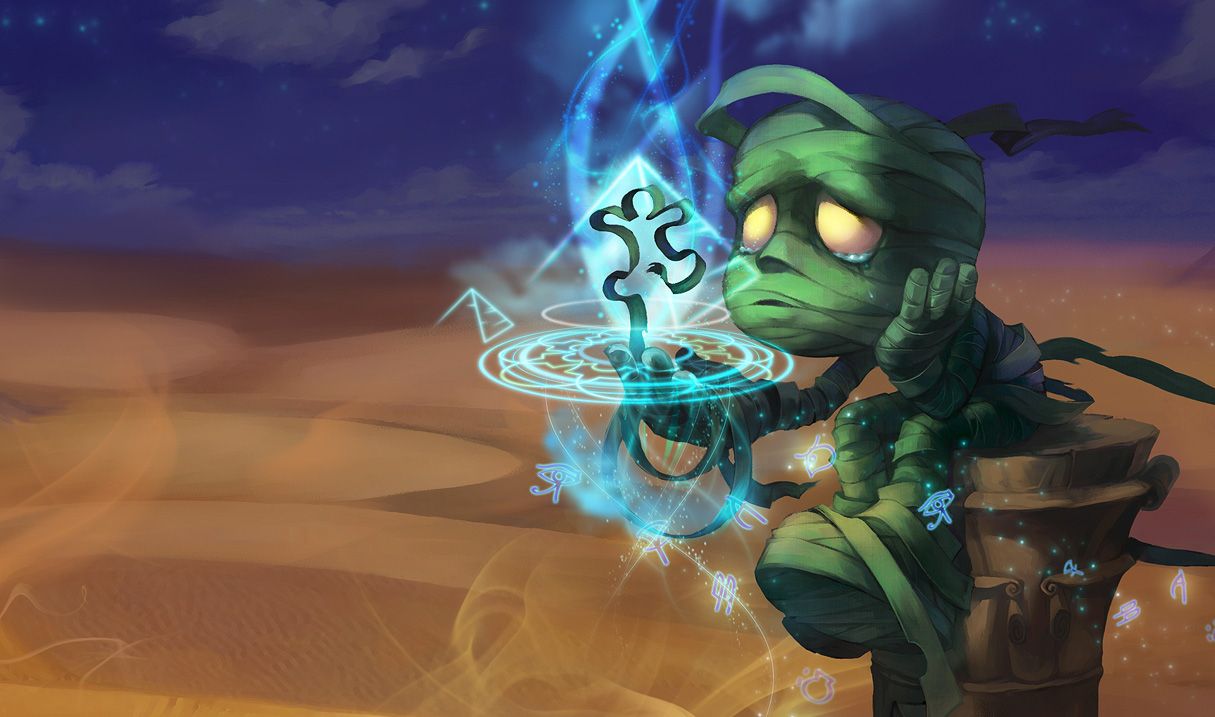
This diverse player perception led Riot to adopt a strategy of broad appeal. By curating a selection of popular or significant elements from across different historical periods, the developers aimed to capture a wider range of nostalgic preferences. Feeney further assured players that this approach is not set in stone. Once the mode transitions from the PBE to live servers, mechanisms will be implemented to allow players to vote on future patches or updates, enabling them to collectively shape the ongoing evolution of "League of Legends Classic." This suggests a commitment to a dynamic and player-influenced development cycle for the mode, allowing for adjustments based on emergent community consensus.
Enhancing the Authentic "Older" Aesthetic
The commitment to recapturing the game’s past extends beyond character models and skins. Riot developers have been actively communicating their dedication to making the mode feel even more authentically "old" by default. Senior VFX artist Sirhaian, in a post on X (formerly Twitter) on July 17th, shared insights into the process of reverting visual effects. "It’s been fun to basically undo my years of work," Sirhaian commented, humorously alluding to the extensive efforts made over the years to modernize the game’s visual fidelity.
This statement underscores a dedicated effort to deconstruct and re-implement older visual styles, potentially involving the use of lower-resolution textures, simpler particle effects, and other visual cues that characterized the game in its nascent stages. The intention appears to be a comprehensive sensory experience, aiming to evoke the feeling of playing League of Legends as it was a decade or more ago, not just in terms of mechanics but also in its visual and auditory presentation. This focus on visual fidelity, even in its "older" form, suggests a deep understanding of what constitutes nostalgia for long-time players.
Analysis of Implications and Broader Impact
The "League of Legends Classic" PBE experience and its subsequent revisions offer a compelling case study in community engagement and the delicate balance between modernization and historical preservation in live-service games. The initial misstep with the monetization of classic skins highlights a critical lesson: when evoking nostalgia, the authenticity of the experience often trumps revenue generation. Players seeking a trip down memory lane are not typically looking for a paywall to access the very elements that define that memory.
Riot’s swift and decisive response to the backlash, however, demonstrates a mature understanding of player sentiment and a willingness to adapt. By making classic skins the default and promising further visual retrofitting, they have signaled a genuine commitment to delivering on the promise of "League of Legends Classic." This responsiveness is crucial for maintaining player trust and fostering a positive relationship between the developer and its massive player base.
The "greatest hits" approach to patch selection, while initially contentious, presents an interesting opportunity for community involvement. The promise of player voting on future patch selections suggests a shift towards a more democratic development model for this specific mode. This could lead to a highly engaged player community, actively participating in the curation of their ideal nostalgic experience.
Furthermore, the success or failure of "League of Legends Classic" could have broader implications for the MOBA genre and other long-standing live-service games. It could set a precedent for how developers approach nostalgia-driven content, emphasizing the importance of authentic representation and player-centric design. The mode’s ability to effectively recapture the magic of League of Legends’ early days, while also remaining engaging for a modern audience, will be a key determinant of its long-term viability and impact. The challenge lies in striking a chord that resonates with both veterans yearning for the past and newer players curious about the game’s origins, all while ensuring a fair and enjoyable gameplay experience. The ongoing development on the PBE suggests that Riot Games is committed to refining "League of Legends Classic" to meet these complex expectations, turning initial controversy into a collaborative path forward.