Apple Watch Series 12 Ceramic Repair Costs Highlight the Steep Price of Luxury Wearables Without AppleCare+


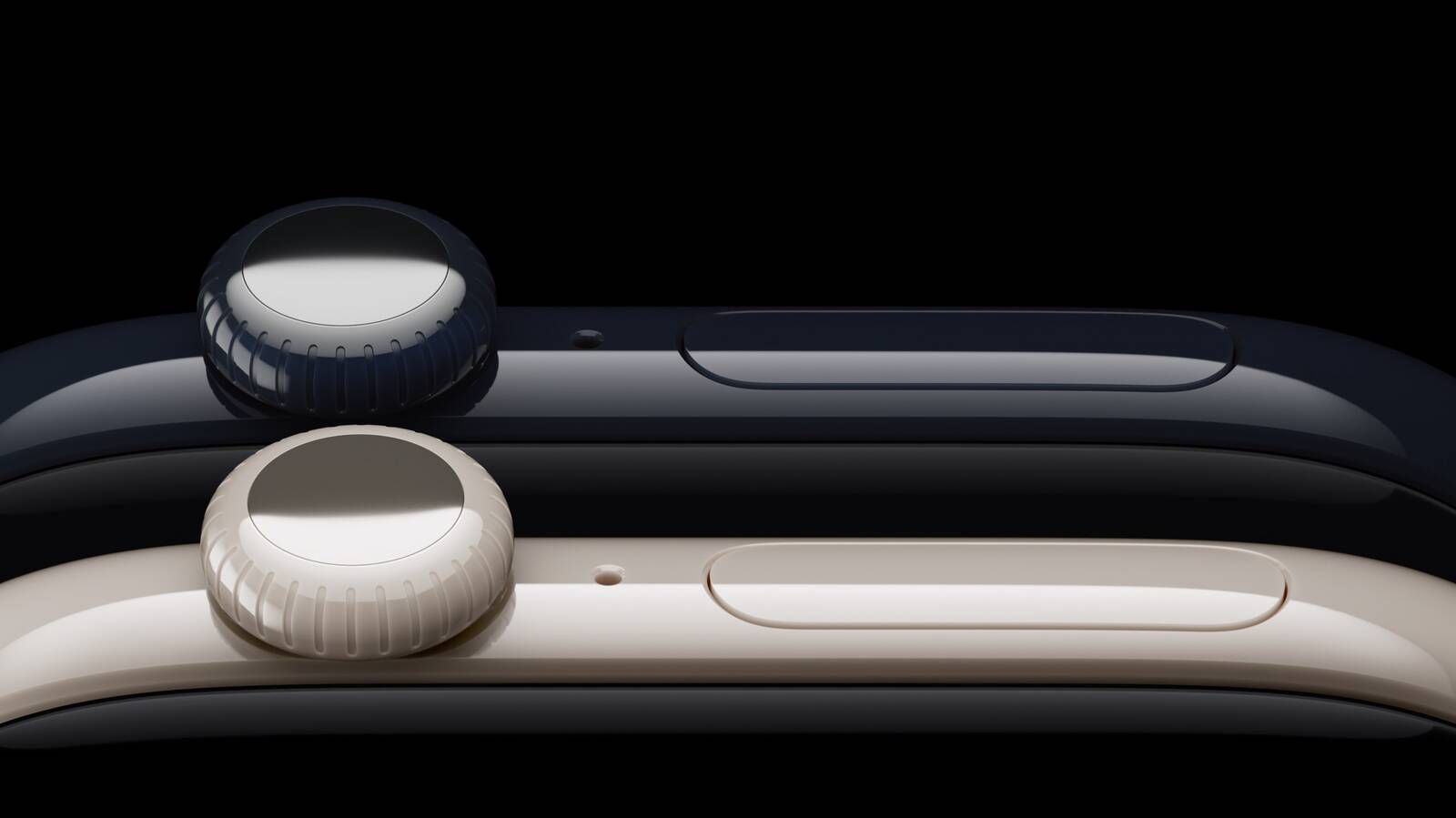
Apple’s recent decision to reintroduce a premium ceramic case option for the Apple Watch Series 12 has captured the attention of tech enthusiasts and luxury consumers alike. However, alongside the launch of the Pearl White and Night Blue ceramic variants—which start at a hefty $899—Apple has also updated its out-of-warranty service pricing. For consumers who bypass Apple’s insurance plans, maintaining or repairing a ceramic Apple Watch Series 12 has revealed itself to be a remarkably expensive endeavor, outstripping even the costs associated with Apple’s rugged flagship, the Apple Watch Ultra 4.
The financial reality of owning a high-end wearable without a protection plan has sparked broader conversations within the consumer technology sector regarding the total cost of ownership, the engineering challenges of exotic materials, and the shifting landscape of hardware insurance subscriptions.
Breakdown of Out-of-Warranty Repair Costs
According to Apple’s updated service documentation released following the company’s September 2026 "Surprise and Shine" product event, out-of-warranty repairs for the ceramic Apple Watch Series 12 carry a staggering price tag.
For any structural damage, component failure, or physical mishap categorized by Apple as "other damage"—which essentially covers any physical repair outside of a standard battery degradation swap—customers will be billed $599. This means that repairing a broken ceramic case or internal components can cost more than two-thirds of the device’s initial purchase price. Meanwhile, standalone battery service for the ceramic Series 12 is pegged at $99.
To contextualize these figures, the repair expenses for the ceramic Series 12 surpass those of the newly released Apple Watch Ultra 4. Without AppleCare+, an out-of-warranty repair for the titanium-built Ultra 4 is priced at $549—representing a $50 increase over the previous generation. By contrast, a standard cellular aluminum Series 12 of equivalent size commands a significantly more modest out-of-warranty repair fee of $349.
The exorbitant price of fixing the ceramic model stems primarily from the material science involved. Zirconia ceramic is notoriously difficult to machine, mold, and finish, requiring specialized industrial processes and higher scrap rates during manufacturing compared to aluminum, stainless steel, or titanium. These production complexities naturally translate into higher replacement and repair overhead for service centers.
The Role and Economics of AppleCare+
Given the steep financial penalties for accidental damage, industry analysts and consumer advocates are strongly advising buyers of the ceramic Apple Watch Series 12 and Apple Watch Ultra 4 to invest in AppleCare+ protection.
With an active AppleCare+ subscription, the financial sting of an accident is substantially mitigated. Customers only face a nominal service fee of $69 for accidental damage to the ceramic Apple Watch Series 12, while Ultra 4 owners pay a slightly higher incident fee of $79. Furthermore, battery service is provided at zero additional cost if diagnostic tests confirm that the watch’s maximum battery capacity has degraded below 80 percent of its original factory specification. For incidents involving theft or loss—a coverage tier available under specific plan upgrades—the deductible is set at $119.
Apple structures its continuous protection tiers to accommodate various consumer preferences. Standard AppleCare+ with Theft and Loss for the Apple Watch Series 12 is priced at $4.99 per month, while the larger and more rugged Ultra 4 commands $5.99 per month.
In addition to standalone device insurance, Apple continues to promote bundled subscription frameworks. The company offers "AppleCare One," a $19.99 monthly package that covers up to three eligible Apple devices under a single umbrella. Furthermore, expanding upon its ecosystem offerings, Apple has introduced "AppleCare One Family," a $49.99 monthly plan designed to cover up to six family members across a comprehensive array of personal hardware, making device insurance more streamlined for multi-device households.
Background Context: The Return of Ceramic
The reintroduction of ceramic to the Apple Watch lineup during the September 2026 product cycle marks a significant milestone for Apple’s design team. Ceramic was previously a staple of the high-end Apple Watch tier, featuring prominently in the Apple Watch Edition models of Series 2, Series 3, and Series 5. However, Apple temporarily phased out the material in favor of titanium and stainless steel in subsequent generations due to production constraints and shifting market demands.
The return of ceramic in Pearl White and Night Blue finishes for the Series 12 was met with widespread critical acclaim during the Cupertino-based company’s keynote presentation. Positioned comfortably above the aluminum models at an $899 starting price, the ceramic models target affluent consumers looking for a blend of classical watchmaking aesthetics and modern health-tracking technology.
Yet, the engineering triumph of creating a scratch-resistant, hypoallergenic, and lustrous ceramic chassis comes with the inherent drawback of brittleness. While ceramic boasts exceptional hardness—making it virtually immune to everyday micro-scratches—it lacks the malleable ductility of metals like aluminum and steel. Consequently, severe impacts that might merely dent a metal case can cause a ceramic case to fracture, necessitating the costly complete-unit replacements that drive up out-of-warranty repair expenses.
Industry Implications and Consumer Advice
The pricing structure for Apple Watch Series 12 ceramic repairs underscores a broader trend in consumer electronics: as manufacturers utilize exotic, premium materials to differentiate luxury tiers from standard consumer models, the downstream costs of maintenance and repair scale disproportionately.
For prospective buyers, the math is straightforward. Purchasing an $899 ceramic Apple Watch Series 12 without opting into a protection plan introduces a high degree of financial exposure. Paying $4.99 per month for AppleCare+ over a typical two-to-three-year upgrade cycle amounts to roughly $120 to $180—a fraction of the $599 out-of-warranty repair fee.
As technology journalists and retail analysts evaluate the success of Apple’s latest wearable lineup, the consensus remains clear. While the Pearl White and Night Blue ceramic Apple Watch Series 12 models represent the pinnacle of modern smartwatch design and material craftsmanship, they require a deliberate commitment to ongoing device protection to ensure that a single clumsy mishap does not turn a luxury accessory into an expensive lesson in consumer economics.