Meta Showcases New AI Glasses Creative Features on Instagram Amid Growing Privacy Backlash and Regulatory Scrutiny

Meta is escalating its marketing efforts for its flagship artificial intelligence-enabled smart glasses, showcasing a suite of innovative capture modes and device-specific editing tools on Instagram. Originally previewed by the tech giant earlier this year in June, these features are designed to unlock unique creative possibilities exclusively for users wearing Meta AI glasses. However, this aggressive push to highlight the utility and lifestyle appeal of the hardware arrives at a precarious time. The company is concurrently navigating an escalating wave of public backlash, serious privacy concerns, and active regulatory investigations regarding the potential for covert filming and the unauthorized recording of unsuspecting individuals in public spaces.
The newly detailed features, highlighted across Meta’s official social media channels, aim to demonstrate how wearable technology can fundamentally transform mobile content creation. By offering immersive perspectives that standard smartphones cannot easily replicate, Meta hopes to cement the value proposition of its AI-powered eyewear, even as the device faces intense public and legal scrutiny.
Innovative Capture Modes and Dedicated Editing Suite
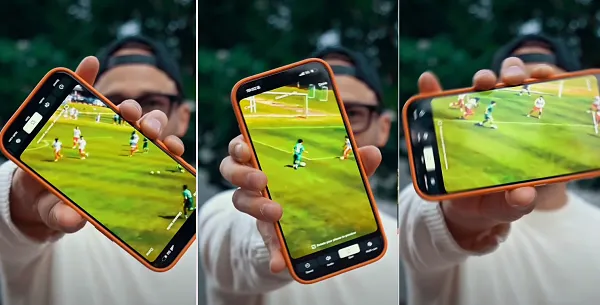
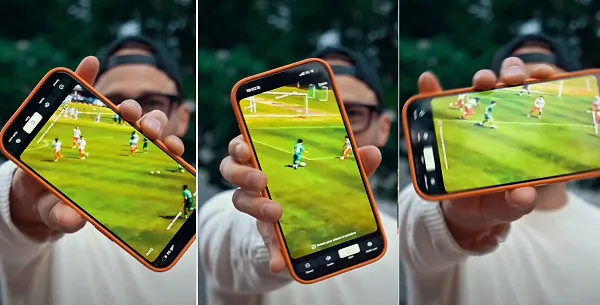
At the forefront of Meta’s feature rollout is "spin view," a novel video capture mode engineered to provide a more true-to-life and dynamic visual experience. When recording video via Meta AI glasses, users can activate spin view, which dynamically expands the boundaries of the frame as the viewer physically turns their viewing device, such as a smartphone or tablet. This creates an immersive, panning effect that mimics the natural field of view of the person who originally captured the footage, offering audiences a more engaging and spatially aware perspective than traditional static or pan-and-scan video formats.
In addition to spin view, Meta is introducing a simplified "multi-cam" production setup. This functionality seamlessly synchronizes video feeds captured simultaneously from a user’s smartphone and their Meta AI glasses. By combining these disparate angles into a single cohesive production workflow, creators can effortlessly present multiple perspectives of the same event in real time. Content creators can leverage this dual-perspective capability to produce more compelling vlogs, tutorials, and lifestyle content, providing viewers with both a first-person point-of-view (POV) and an external shot of the creator in action.
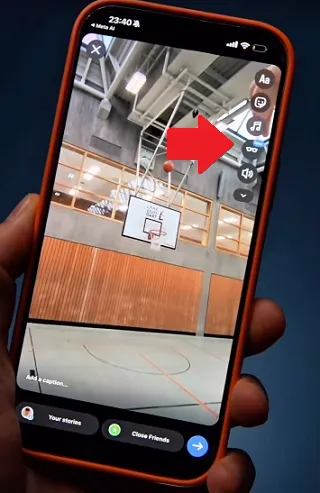
Complementing these hardware-driven capture modes is a dedicated suite of editing tools integrated directly into Instagram. These tools are tailored specifically for media imported from Meta AI glasses, allowing creators to quickly refine, trim, and enhance their wearable footage without requiring complex third-party desktop software. By streamlining the journey from capture to publication, Meta is attempting to remove friction for digital creators, encouraging more frequent use of the glasses as primary content creation tools.
A Timeline of Technological Innovation and Public Friction

The trajectory of Meta’s smart glasses initiative has been marked by rapid technological iteration juxtaposed against persistent privacy anxieties. The timeline of the device’s evolution illustrates a growing friction between consumer-facing innovation and societal acceptance of ubiquitous recording technology.
In June, Meta first previewed custom Instagram stories features optimized for its smart glasses, signaling the company’s intent to deeply integrate the hardware with its dominant social media ecosystem. Throughout the late summer and early autumn, Meta continued to roll out software updates to enhance the utility of the devices, culminating in the recent October promotional push highlighting spin view and multi-cam functionality.
However, parallel to these software deployments, a secondary chronology of controversy has unfolded. Investigative reports and consumer watchdog findings revealed a significant vulnerability in how the glasses operate in public: certain users discovered methods to physically or digitally tamper with or deboard the integrated LED recording light, which is legally and functionally mandated to signal when the device is actively capturing video or audio. By circumventing or masking this visual indicator, bad actors have been able to record third parties without their knowledge or explicit consent.
The fallout from these security and privacy vulnerabilities has been swift. Numerous reports have surfaced detailing instances where covertly recorded footage of everyday citizens was uploaded to various online platforms without the subjects’ permission. These incidents have galvanized privacy advocates, legal scholars, and lawmakers alike, transforming what began as isolated complaints into a widespread public debate over the ethics of wearable AI technology.
Regulatory Pressure and Grassroots Protests
The mounting anxiety surrounding unauthorized recording has translated into tangible institutional pushback. Meta currently faces formal regulatory investigations in multiple jurisdictions, including the United States and the United Kingdom, where data protection authorities are examining whether the smart glasses comply with existing privacy laws and whether adequate safeguards are in place to prevent abuse.
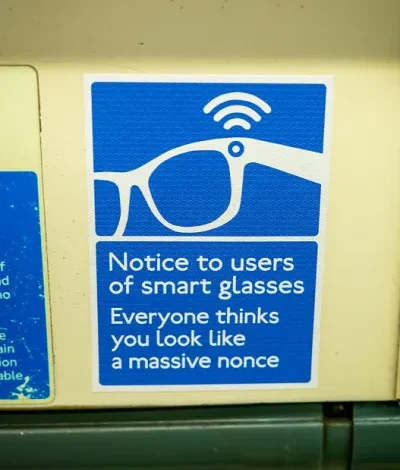
Beyond the halls of government regulators, public resistance has begun to manifest in the physical realm. Grassroots activism against the devices has gained momentum, most notably in major metropolitan areas. In London, for instance, activist collectives such as Radical Graffiti have initiated targeted public awareness campaigns. Protest posters explicitly warning against the intrusion of AI-enabled smart glasses have been spotted plastered across the London Underground, reflecting a deeper, organic public distrust of wearable recording devices in public transit and communal spaces.
Economic Resilience Amid Brand Reputation Challenges

Despite the intensifying negative sentiment, regulatory scrutiny, and high-profile grassroots protests, Meta’s commercial momentum appears largely uninterrupted thus far. Industry analysts note that the company has not yet reported any measurable, direct impact on the sales figures of its AI glasses as a result of these controversies. Demand for the hardware remains robust among early adopters, tech enthusiasts, and digital creators eager to experiment with the latest augmented reality and wearable technology.
Nevertheless, brand reputation management remains a critical hurdle for Meta. The company finds itself walking a delicate tightrope: aggressively marketing the lifestyle and creative benefits of its hardware to justify its strategic pivot toward wearable AI, while simultaneously attempting to address legitimate societal fears regarding privacy infringement.
Fact-Based Analysis of Broader Implications
The unfolding situation surrounding Meta’s AI glasses offers a revealing case study in the broader implications of consumer artificial intelligence and wearable computing. As technology blurs the line between personal privacy and ubiquitous documentation, several systemic challenges have come to the forefront of the tech industry.
First, the incident highlights the limitations of hardware-based trust mechanisms. While indicator lights and software safeguards are designed to foster ethical use, the ease with which these safeguards can be manipulated exposes a vulnerability in relying solely on voluntary compliance. Moving forward, manufacturers of smart eyewear and wearable recording devices may face increased legislative pressure to implement tamper-proof hardware architectures or more stringent, software-enforced privacy protocols.
Second, the divergence between commercial success and public sentiment underscores a growing cultural friction. While early adopters embrace the creative freedom offered by features like spin view and multi-cam, the broader public is increasingly sensitive to the normalization of non-consensual surveillance. If left unaddressed, this cultural resistance could eventually translate from localized protests and regulatory probes into more restrictive legislative frameworks that could hinder the long-term adoption of augmented reality hardware.
Meta’s ongoing strategy relies heavily on proving that the utility of its devices outweighs the inherent risks. By continuously introducing compelling, high-value creative tools, the company aims to embed the glasses deeply into the daily workflows of content creators. However, the ultimate viability of wearable AI will likely depend less on its editing features and capture modes, and more on Meta’s ability to successfully rebuild public trust and ensure that its technology respects the fundamental privacy boundaries of the communities in which it is used.
Related posts: