Aptostichus stephencolberti and the surprising genetic complexity of the California trapdoor spider

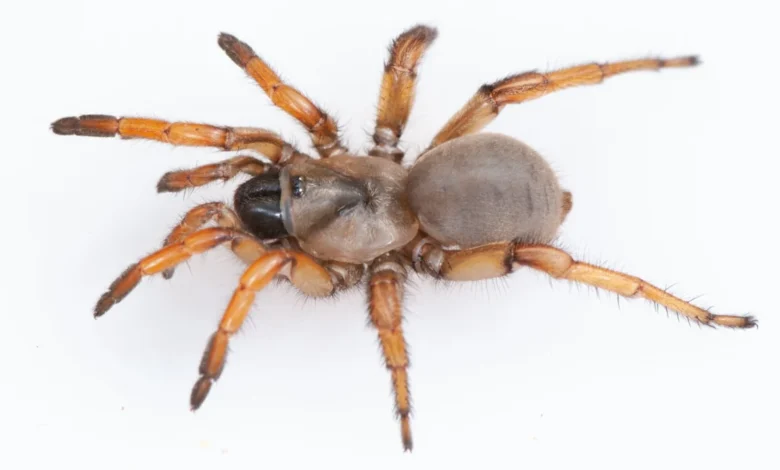
The scientific naming of a species is often a solemn affair, rooted in Latin descriptors or geographic origins, but occasionally, the intersection of pop culture and arachnology creates a more colorful legacy. In 2008, a team of researchers led by entomologist Jason Bond identified a previously undocumented species of trapdoor spider native to the coastal dunes of Northern California. The spider was christened Aptostichus stephencolberti, a direct nod to the then-ubiquitous host of Comedy Central’s The Colbert Report. Nearly two decades later, a comprehensive genomic sequencing project published in the Journal of Heredity has revealed that this small arachnid possesses a genetic architecture far more complex than scientists originally anticipated, raising significant questions about the evolution of spider genomes and the biodiversity of the Pacific coast.
A Legacy Born from Satire
The origin of the spider’s name is as much a study in media influence as it is in taxonomy. In the late 2000s, Stephen Colbert, portraying his satirical, egotistical pundit persona, maintained a recurring segment titled "Who’s Not Honoring Me Now?" during which he would critique figures who had failed to acknowledge his cultural significance. When Jason Bond, then at the University of Central Florida, named a separate trapdoor spider species after musician Neil Young, Colbert took note. During a broadcast, the comedian challenged the scientific community to provide him with a similar distinction.
Bond, recognizing the potential for public engagement with entomology, responded to the challenge. The resulting discovery of the trapdoor spider in the dunes between Monterey and the San Francisco Bay provided the perfect candidate. The naming convention, which includes a silent "t" in the species epithet, solidified a permanent place for the television host in the annals of biology. What began as a humorous exchange has since evolved into a serious scientific subject, as the spider has become a focal point for understanding the genetic divergence of the genus Aptostichus.
Genomic Architecture and Evolutionary Anomalies
The most striking finding from the recent study led by Bond—now at the University of California, Davis—is the sheer scale of the spider’s genome. Despite the spider reaching a physical size no larger than a standard U.S. quarter, its genetic code is exceptionally vast. Researchers have calculated the genome of A. stephencolberti at approximately 4.6 gigabases, or 4.6 billion DNA base pairs. To provide context, this is roughly 50 percent larger than the human genome, which contains approximately 3 billion base pairs.
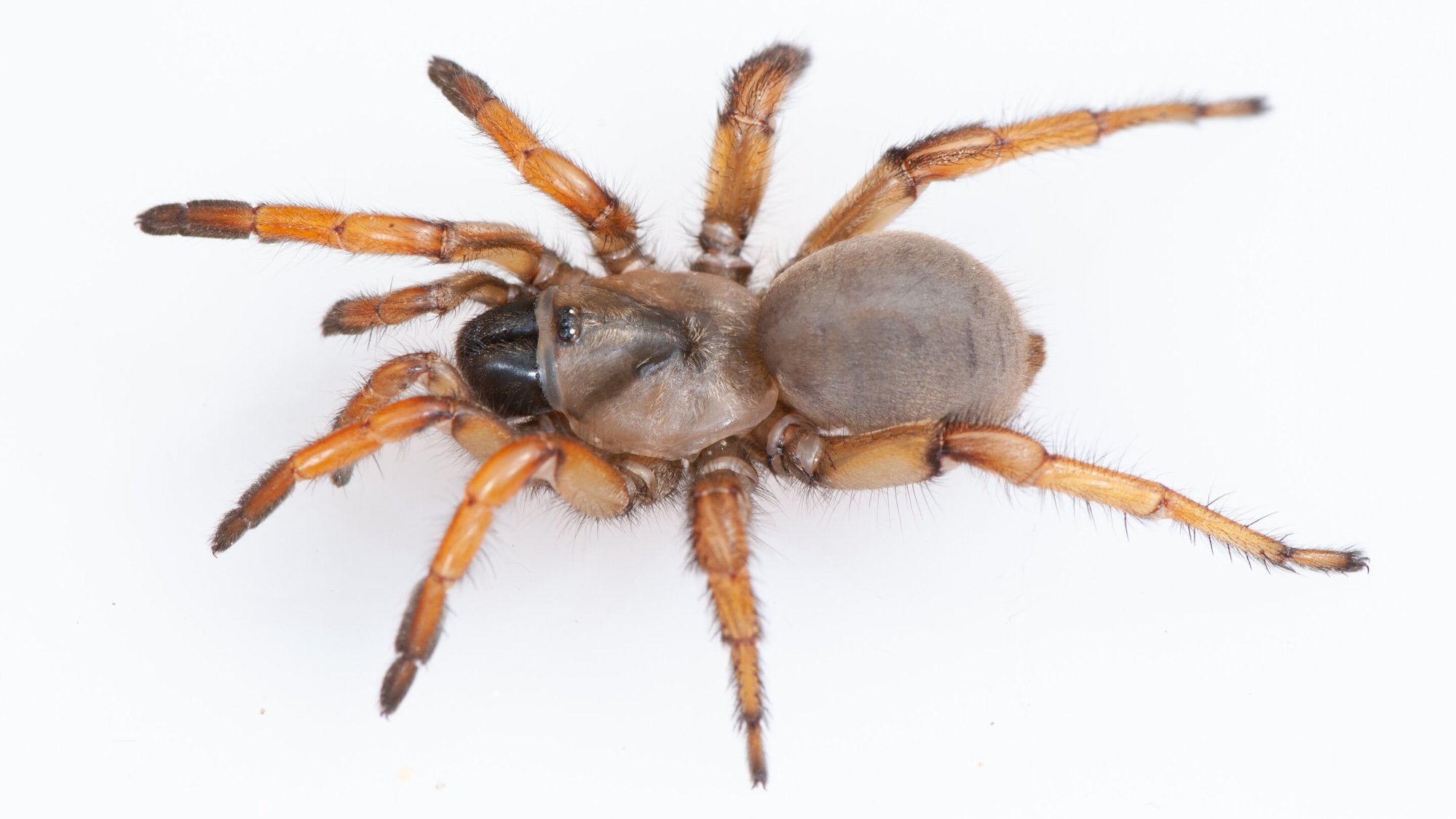
The complexity does not end with the total volume of DNA. The study highlights that the spider possesses 53 chromosomes, a stark contrast to the 23 pairs found in humans. Further analysis reveals that the vast majority of this genetic material consists of repetitive sequences rather than protein-coding genes. While the functional purpose of this "non-coding" DNA remains a subject of ongoing research, its presence suggests a unique evolutionary pathway.
One of the most significant observations in the study involves the absence of telomere repeats. In many vertebrates, telomeres act as protective caps at the ends of chromosomes, preserving genetic integrity during cell division. The lack of these specific repeats in spiders is theorized by researchers to be a key driver of their rapid evolutionary rate. By lacking these rigid safeguards, the spider’s genome may be more susceptible to the mutations and rearrangements that accelerate adaptation to changing environments.
The Ecology of the Coastal Dunes
A. stephencolberti is an ambush predator that occupies a highly specific niche within the coastal dunes of California. The females of the species are known for their sedentary behavior, spending the entirety of their lives in silk-lined burrows that are capped by a hinged, camouflaged "trapdoor." These spiders are highly sensitive to seismic vibrations, which they use to detect the approach of potential prey. When an insect wanders near the threshold of the burrow, the spider lunges, secures the prey, and retreats within seconds.
While the species is technically venomous, it poses no significant threat to human health. However, the ecosystem it occupies is increasingly precarious. The coastal dunes stretching from Monterey to the San Francisco Bay are under constant pressure from anthropogenic factors. Rising sea levels pose a direct threat of habitat loss, while the introduction of invasive plant and animal species threatens to outcompete native flora and fauna. The study underscores that the preservation of A. stephencolberti is not just about protecting a quirky namesake, but about maintaining the integrity of a fragile, endemic Californian habitat.
Chronology of Discovery and Research
- 2005–2008: The genus Aptostichus undergoes intensive taxonomic review, leading to the discovery of several new species, including those named after celebrities.
- 2008: Jason Bond officially names A. stephencolberti after Stephen Colbert following a public request from the television host.
- 2014: The Colbert Report concludes its final season, yet the scientific legacy of the spider continues as researchers begin preliminary work on the species’ genetic makeup.
- 2024–2025: High-throughput sequencing technologies allow the research team to map the full 4.6-gigabase genome of the spider.
- 2026: The findings are officially published in the Journal of Heredity, confirming the unexpectedly large genome size and high chromosome count.
Broader Scientific Implications
The sequencing of A. stephencolberti contributes to a growing body of evidence that spider genomes are far more diverse and dynamic than previously understood. By analyzing the structural composition of the spider’s DNA, biologists are gaining insights into how genomes have evolved across the animal tree of life. The data provided by Bond’s team acts as a baseline for future comparative studies, allowing researchers to determine if the large genome size is an anomaly specific to this species or a common trait within the broader Mygalomorphae suborder.

Furthermore, the study serves as a reminder of the importance of taxonomy in the modern age. As global biodiversity faces unprecedented challenges, the ability to identify, name, and sequence species allows for more effective conservation planning. Even for a species named in the spirit of pop culture, the data gathered provides critical information regarding how these organisms might respond to climate change and habitat fragmentation.
Official Responses and Future Outlook
Reflecting on the discovery nearly two decades later, Jason Bond noted that the initial naming was a deliberate attempt to make taxonomic research accessible to the public. "It lends itself to broadening our understanding of spider genome composition," Bond stated in a recent press release from UC Davis. The ability to link the name of a well-known media figure to a subject as technical as chromosomal evolution has successfully bridged the gap between academic research and public interest.
For the scientific community, the next steps involve expanding this genomic work to other trapdoor spider species in the region. Understanding the genetic barriers—or lack thereof—between these populations could clarify how they dispersed along the California coast. As technology continues to lower the cost and increase the speed of genomic sequencing, researchers expect to uncover even more "hidden" complexities in the natural world.
The legacy of A. stephencolberti, therefore, has transcended its origins as a comedic footnote. It stands today as a significant specimen in the study of arachnid evolution, providing a case study in how large, complex genomes can persist and evolve in highly specialized environments. Whether the spider will survive the ecological pressures of the coming century remains to be seen, but its genetic map is now permanently etched into the scientific record, ensuring that this particular inhabitant of the California dunes will be studied for generations to come.