NASA Astronaut Chris Williams and Russian Crew Prepare for Soyuz MS-28 Undocking and Earth Return

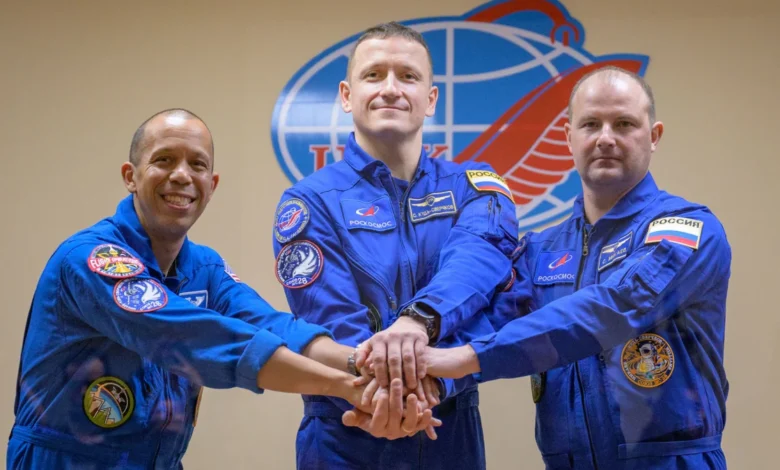
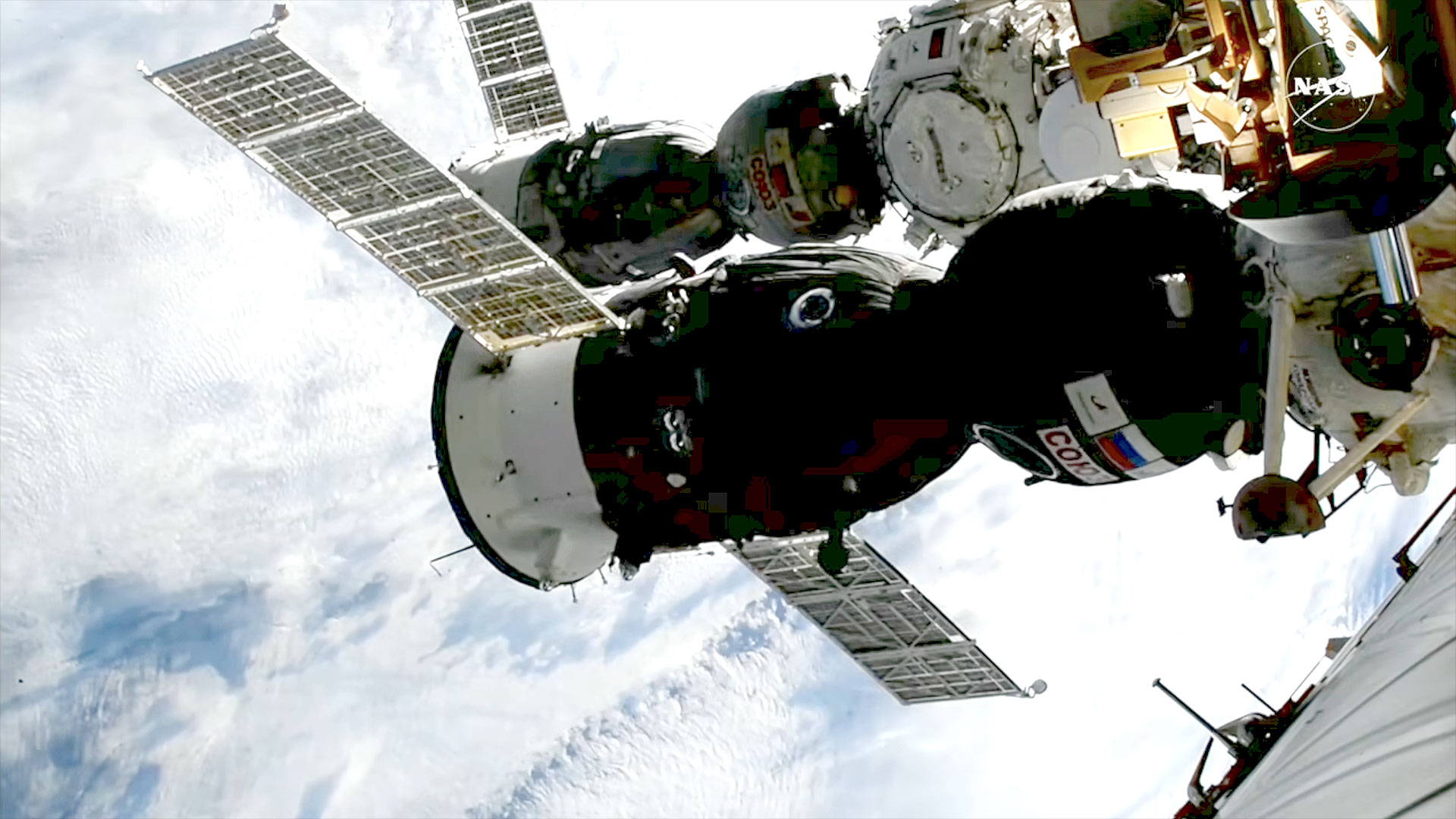
The conclusion of a nearly eight-month scientific odyssey is at hand as a multi-national crew of three prepares to depart the International Space Station (ISS) and return to Earth. NASA astronaut Chris Williams, along with Roscosmos cosmonauts Sergey Kud-Sverchkov and Sergei Mikaev, are scheduled to undock their Soyuz MS-28 spacecraft from the orbiting laboratory early Sunday morning, July 26, marking the end of a mission defined by rigorous scientific inquiry and international cooperation. The undocking, set for 3:02 a.m. EDT (0702 GMT), will initiate a precise sequence of maneuvers culminating in a parachute-assisted landing on the arid steppes of Kazakhstan approximately three and a half hours later. This return transition marks a significant moment for the ISS program as it shifts from Expedition 74 to Expedition 75, signaling the continuous human presence in low-Earth orbit that has persisted for over two decades.
The Final Hours: Transition and Change of Command
The de-occupation of the station begins well before the physical undocking of the Soyuz. On Saturday, July 25, the crew will participate in a formal change-of-command ceremony. During this event, Sergey Kud-Sverchkov will officially hand over the leadership of the International Space Station to NASA astronaut Jessica Meir. Meir, a veteran of long-duration spaceflight, will lead Expedition 75, ensuring the continuity of research and maintenance operations after the MS-28 crew departs. This ceremony is a deeply rooted tradition in the maritime and aerospace sectors, symbolizing the transfer of responsibility for the multi-billion dollar facility and the safety of its remaining occupants.
Following the ceremony, the departing trio will begin the "farewell and hatch closure" phase. At approximately 11:10 p.m. EDT on Saturday, the crew will bid goodbye to their colleagues remaining on the station. The physical closing of the hatches between the Soyuz MS-28 and the ISS is slated for 11:30 p.m. EDT. Once the seals are confirmed to be airtight, the crew will begin the arduous process of donning their Sokol pressure suits and performing final leak checks, preparing for the vacuum of space that will briefly exist between the station and their capsule during the undocking process.
Mission Statistics and Scientific Contributions
The return of Soyuz MS-28 concludes a mission that began with a memorable launch on Thanksgiving Day, November 27. For Chris Williams and Sergei Mikaev, this journey represented their first foray into space, while for Sergey Kud-Sverchkov, it marked his second long-duration mission. Over the course of their 241-day stay, the crew maintained a grueling schedule of orbital maintenance and scientific experimentation.
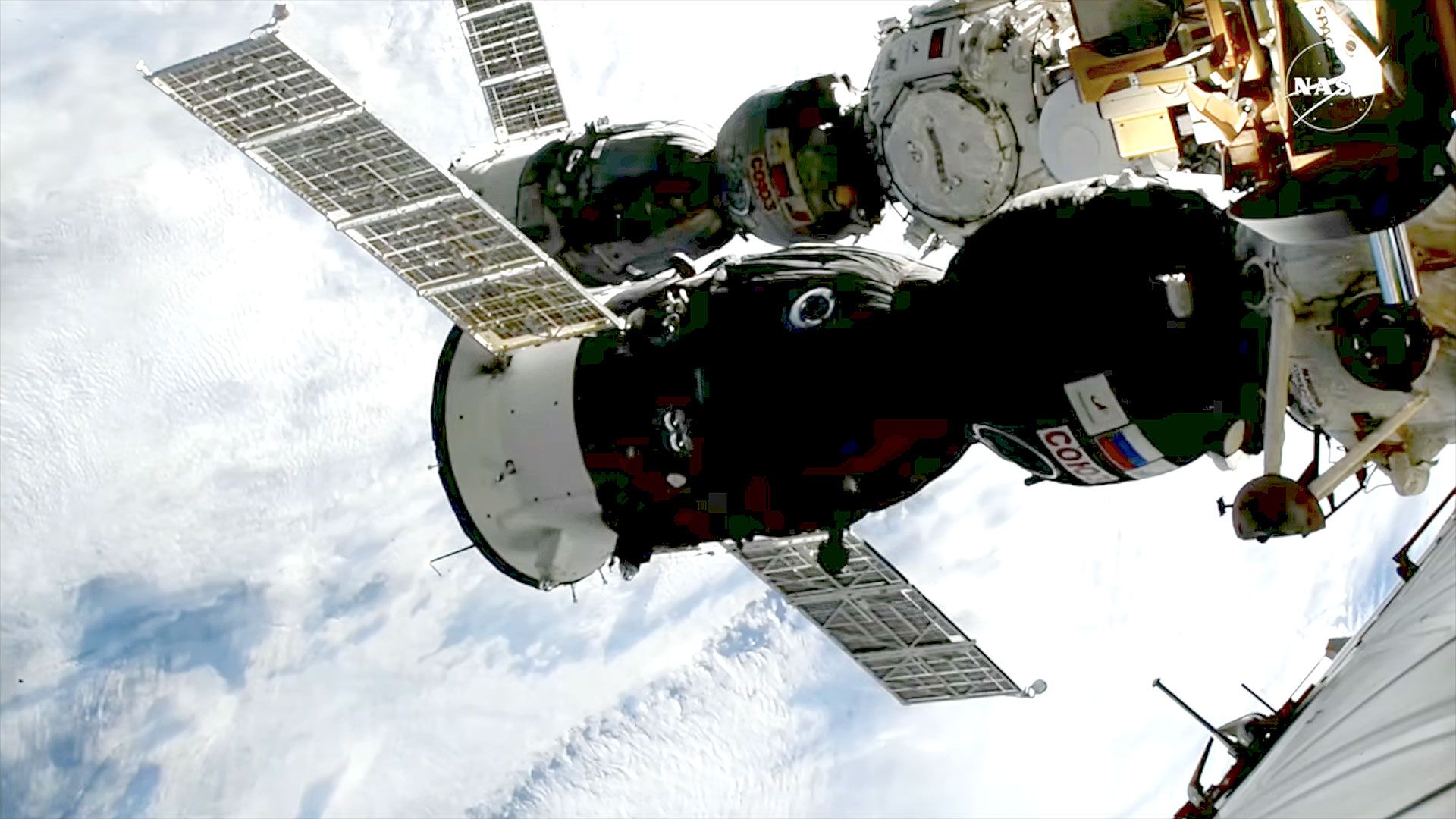
Statistically, the mission’s scope is immense. By the time the capsule’s heat shield meets the Kazakh atmosphere, the crew will have orbited the Earth 3,856 times. This equates to a total travel distance of more than 102 million miles (164 million kilometers). To put this in perspective, this distance is greater than the average gap between the Earth and the Sun.
Beyond the mileage, the crew’s work contributed to hundreds of experiments in biology, biotechnology, physical science, and Earth science. These studies often focus on the effects of long-term microgravity on the human body—essential data for NASA’s Artemis program, which seeks to return humans to the Moon and eventually send crews to Mars. Williams, who holds a background in medical physics, was uniquely positioned to contribute to human health research, monitoring how bone density and cardiovascular health fluctuate during extended periods in orbit.
Technical Chronology of the Return Flight
The return to Earth is a choreographed sequence of high-stakes engineering milestones. After undocking at 3:02 a.m. EDT, the Soyuz MS-28 will perform two "separation burns" to move a safe distance away from the ISS. For the next two hours, the spacecraft will drift in a free-flying state, allowing the crew to perform final system checks.
The most critical phase begins with the deorbit burn, scheduled for approximately 5:15 a.m. EDT. The Soyuz engines will fire for several minutes, acting as a brake to slow the craft’s orbital velocity. This reduction in speed allows gravity to pull the spacecraft toward the upper layers of the atmosphere. Shortly after the burn, the Soyuz will undergo "module separation." The spacecraft consists of three parts: the Orbital Module, the Instrumentation/Service Module, and the Descent Module. Only the Descent Module, which houses the crew and is equipped with a reinforced heat shield, is designed to survive the intense heat of re-entry. The other two modules will burn up harmlessly in the atmosphere.
As the Descent Module enters the atmosphere, it will be enveloped in a sheath of plasma, causing a temporary communication blackout. During this phase, the heat shield will endure temperatures reaching 3,000 degrees Fahrenheit (1,600 degrees Celsius). Once the craft has slowed to subsonic speeds, a series of drogue and main parachutes will deploy to further reduce the descent rate. Just seconds before touchdown, six "soft-landing" engines at the base of the capsule will fire, cushioning the impact for the crew.
Recovery Operations and Post-Flight Logistics
The landing is targeted for 6:26 a.m. EDT (1026 GMT) near the city of Dzhezkazgan, Kazakhstan. Upon touchdown, Russian recovery teams and NASA support personnel, including flight surgeons and technicians, will converge on the site via Mi-8 helicopters. The crew will be extracted from the cramped quarters of the Descent Module and placed in medical chairs to begin their initial re-adaptation to Earth’s gravity.
After a brief field medical assessment and the traditional "fresh fruit" greeting, the crew will be flown to Karaganda. From there, the paths of the international partners will diverge for their respective post-flight rehabilitations. Chris Williams will board a NASA Gulfstream jet for a long-haul flight back to the Johnson Space Center in Houston, Texas. Meanwhile, Kud-Sverchkov and Mikaev will return to the Gagarin Cosmonaut Training Center in Star City, Russia.
The rehabilitation process is expected to last several weeks. Having lived in a weightless environment for 241 days, the astronauts will face challenges with balance, muscle coordination, and cardiovascular regulation. Specialized therapists will work with them to ensure their bodies safely adjust to the "1-G" environment of Earth.
Geopolitical Context and International Cooperation
The Soyuz MS-28 mission serves as a poignant reminder of the enduring nature of the International Space Station partnership. Despite significant geopolitical tensions on the ground between the United States and the Russian Federation, the space agencies—NASA and Roscosmos—have maintained a functional and professional relationship in orbit.
The "integrated crew" model, where NASA astronauts fly on Soyuz vehicles and Russian cosmonauts fly on American commercial crew vehicles (such as the SpaceX Crew Dragon), is designed to ensure that both nations have a continuous presence on the station. This ensures that if one launch system faces a delay or technical failure, the station remains fully staffed. The successful conclusion of Williams’ mission on a Russian craft underscores the operational necessity of this interdependence.
Broader Implications for Human Space Exploration
The data gathered during the MS-28 mission adds to the foundational knowledge required for the next era of exploration. As NASA moves forward with the Artemis missions, the agency is increasingly looking at the ISS as a "testbed" for deep-space technologies. The 241 days spent by Williams and his crew provided valuable insights into life-support system reliability and the psychological impacts of long-duration isolation.
Furthermore, the transition to Expedition 75 under Jessica Meir highlights the shifting demographics and increasing experience levels of the astronaut corps. As more "rookie" astronauts like Williams and Mikaev complete successful long-duration stays, the pool of experienced veterans available for lunar missions continues to grow.
As the Soyuz MS-28 crew prepares for their final sunrise in orbit, the global space community watches with a mixture of relief and anticipation. Their return is not just the end of a single mission, but a vital link in the chain of human expansion into the cosmos. The landing in Kazakhstan will be a homecoming for three individuals, but the scientific legacy they leave behind on the ISS will continue to benefit humanity for years to come. NASA and Roscosmos will provide continuous live coverage of the undocking and landing, allowing the public to witness the dramatic conclusion of this international endeavor.
Related posts: