LG Electronics USA Moves to Suspend Smart TV Apps Functioning as Residential Proxy Nodes

Seoul, South Korea / Englewood Cliffs, New Jersey – In a significant move aimed at bolstering user privacy and platform integrity, LG Electronics USA, a prominent global home appliance and consumer electronics giant, announced this week its intention to suspend all applications built for its smart TVs that allow the television to operate as an always-on residential proxy node. This decisive action follows less than a month after a groundbreaking investigation by cybersecurity researchers revealed that a staggering 42 percent of games and other applications available for download on LG’s webOS store were equipped with embedded software development kits (SDKs) that enabled unknown third-parties to route their internet traffic through a user’s television without explicit, transparent, and ongoing consent. The revelation has cast a spotlight on the often-hidden data practices within the burgeoning smart device ecosystem and the challenges faced by manufacturers in policing their digital storefronts.
The Rise of Residential Proxy Networks and Their Integration into Smart Devices
To fully comprehend the gravity of LG’s recent decision, it is essential to understand the mechanics and implications of residential proxy networks. A residential proxy utilizes a real IP address provided by an Internet Service Provider (ISP) to a residential user. Unlike datacenter proxies, which originate from commercial servers, residential proxies mimic legitimate user traffic, making them highly effective for activities that require appearing as a regular internet user. These networks are frequently leveraged by businesses, researchers, and marketing firms for a variety of purposes, including competitive intelligence, web scraping, ad verification, brand protection, and bypassing geo-restrictions. By routing traffic through a residential IP, these entities can access localized content, verify advertisements, or gather publicly available data that might otherwise be blocked or presented differently to a datacenter IP.
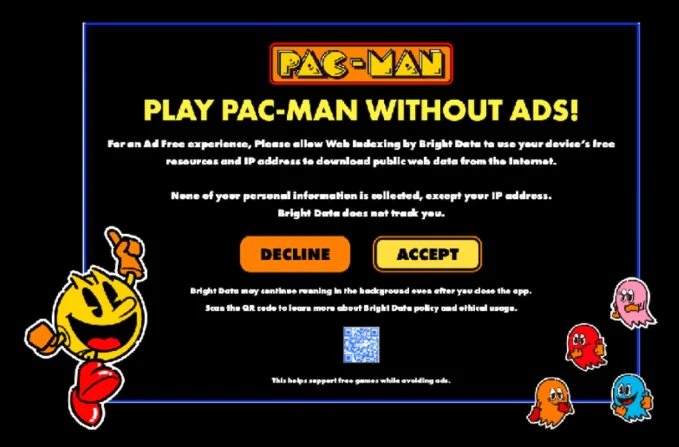
The monetization model for these proxy networks often involves partnerships with app developers. Developers, seeking additional revenue streams beyond traditional advertising or in-app purchases, integrate residential proxy SDKs into their applications. When a user downloads and installs such an app, their device – in this case, a smart TV – can then be conscripted into the proxy network, allowing others to route their internet traffic through it. While proxy providers like Bright Data, a key player identified in the Spur research, claim that user consent is obtained and that their networks are built on principles of transparency and responsibility, the nature of this consent has become a contentious issue. Critics argue that the consent mechanisms are often buried within lengthy terms of service or presented as fleeting, easily dismissible prompts, falling short of what constitutes informed and ongoing user control. The unsuspecting user might simply be seeking to play a game or use a utility app, unaware that their home internet connection and IP address are being leased out to third parties.
Chronology of Revelations and Corporate Response
The catalyst for LG’s policy shift originated from detailed research published by the security firm Spur. On July 2, 2026, Spur released its findings, which were subsequently highlighted by cybersecurity journalist Brian Krebs on his platform, KrebsOnSecurity. Spur’s investigation specifically delved into the prevalence of residential proxy SDKs within applications available on smart TV platforms. Their comprehensive analysis revealed that more than 42 percent of apps downloadable on LG smart TVs, operating on the webOS platform, contained these SDKs, effectively transforming users’ televisions into indefinite proxy nodes. The problem was not confined to LG alone; Spur’s research also indicated that over a quarter of the applications developed for Samsung’s Tizen operating system featured similar residential proxy components, underscoring a systemic issue across the smart TV industry.
The research painted a concerning picture, highlighting how seemingly innocuous apps, ranging from simple games like Pac-Man to screensavers and file management utilities, were quietly bundling these proxy capabilities. The report notably pointed out that Bright Data, a prominent residential proxy network, accounted for a significant majority of the proxy SDKs discovered across both Samsung and LG smart TV platforms. This widespread integration meant that millions of smart TV owners could be unknowingly contributing their internet bandwidth and IP addresses to commercial proxy services, potentially impacting their home network performance and raising significant privacy and security questions.
Following the public dissemination of Spur’s findings and direct inquiries from KrebsOnSecurity, LG Electronics USA promptly addressed the issue. John Taylor, Senior Vice President at LG, provided a definitive statement indicating the company’s commitment to eradicating this practice from its platform. Taylor explicitly stated, “A residential proxy network is not an intended use for LG smart TVs, and LG Electronics is working with developers to remove the residential proxy option from their apps on the webOS platform.” He further clarified the severe consequences for non-compliance, asserting, “If this option is not removed, these apps will be suspended.” This swift and unequivocal response signaled LG’s recognition of the serious implications for user trust and platform integrity.
Official Statements and Industry Perspectives
LG’s public stance emphasizes a proactive approach to rectifying the identified vulnerabilities. Senior Vice President John Taylor elaborated on the company’s ongoing efforts, confirming that a comprehensive review of these apps was “well underway now.” He further committed LG to strengthening its app evaluation processes to prevent future occurrences. “As part of our ongoing efforts to enhance platform quality and the user experience, LG will continue to strengthen our evaluation process for developer-submitted apps, including those that incorporate residential proxy SDKs,” Taylor affirmed in an emailed statement. This commitment suggests a move towards more stringent vetting and continuous monitoring of applications submitted to the webOS store, aiming to prevent similar issues from resurfacing.
In response to the accusations from Spur’s report and questions from KrebsOnSecurity, Bright Data, the residential proxy network identified as a major player in this ecosystem, issued a statement defending its operations. Bright Data maintained that its network is founded on principles of consent and responsibility, asserting compliance with both LG and Samsung’s terms of service. Their statement read, “Every peer opts in through a dedicated screen and receives value in return; every customer is vetted, and our practices have now undergone a second independent audit by PwC.” The company emphasized its dedication to fostering an “open, transparent internet” where legitimate businesses, researchers, and institutions can responsibly access publicly available data. This defense highlights the tension between the commercial utility of residential proxies and the ethical considerations surrounding user consent and device utilization.
Proxy providers, including Bright Data, consistently argue that they employ rigorous “know-your-customer” (KYC) processes to validate the legitimate uses of their services, often tied to content-scraping activities. They also claim to implement technological safeguards designed to prevent proxy service customers from interacting with or controlling other devices on the proxy user’s local network. However, critics like Spur’s Trevor Sutter argue that these measures do not fully mitigate the risks. Sutter articulated, “A one-time consent prompt buried in a TV app is not a substitute for meaningful transparency, ongoing control, and platform oversight.” He further underscored the amplified risk when consent is given by individuals within a household who may not be authorized to do so, such as minors, highlighting the unique challenges presented by shared smart devices in a home environment.

While Samsung was also implicated in Spur’s research regarding its Tizen OS, the original report did not include a direct statement from the company regarding its plans. However, given the parallel findings, it is highly probable that Samsung, facing similar reputational and security pressures, will be compelled to review and potentially take comparable actions to clean up its app store. The industry-wide nature of the problem suggests that other smart device manufacturers may also need to scrutinize their app ecosystems for similar embedded proxy SDKs.
Broader Impact and Implications for the Smart Device Ecosystem
LG’s decision to ban residential proxy SDKs carries significant implications for user privacy, the smart TV ecosystem, and potentially the broader Internet of Things (IoT) landscape.
User Privacy and Security: The most immediate impact is on user privacy and security. By unwittingly becoming a proxy node, a user’s IP address could be associated with traffic generated by third parties. While proxy providers claim to vet their customers, the potential for misuse, or even illicit activities, cannot be entirely discounted. Furthermore, the constant routing of third-party traffic could consume a user’s internet bandwidth, potentially leading to slower network speeds and increased data usage, especially for those with data caps. The notion of one’s personal device being used for commercial purposes without clear, continuous consent erodes trust and raises fundamental questions about digital autonomy.
Ecosystem Health and Platform Governance: For platform owners like LG and Samsung, this incident underscores the immense challenge of maintaining a secure and trustworthy app ecosystem. As smart TVs become more sophisticated and integrated into daily life, their app stores proliferate, making comprehensive oversight increasingly difficult. The discovery of widespread proxy SDKs suggests a gap in the app review and vetting processes. LG’s commitment to strengthening its evaluation process indicates a recognition that current measures may be insufficient. This incident may push other platform providers to reassess their own policies and enforcement mechanisms, leading to a healthier, more transparent app environment across the industry.
Regulatory Landscape: The growing prevalence of residential proxy networks embedded in consumer devices could attract the attention of regulatory bodies worldwide. Privacy regulations such as GDPR in Europe and CCPA in California emphasize explicit consent and data transparency. The current model of proxy SDK integration, where consent might be ambiguous or easily overlooked, could fall foul of these stringent requirements. This incident might serve as a precursor to more robust regulations specifically targeting data practices within the IoT space, pushing for clearer consent frameworks and greater accountability from both app developers and device manufacturers.
Monetization Models for App Developers: The ban will undoubtedly impact app developers who have relied on residential proxy SDKs as a monetization strategy. This revenue stream, often presented as an alternative to in-app advertising or paid subscriptions, now faces significant limitations. Developers will be compelled to explore and adopt more transparent and user-friendly monetization models that do not compromise user privacy or device performance. This could spur innovation in ethical monetization, but it also presents a financial challenge for smaller developers who may have few other options.
Industry Standards and Best Practices: This event could catalyze the development of new industry standards and best practices for third-party SDK integration. Clearer guidelines on what constitutes acceptable data usage, transparent consent mechanisms, and regular audits of SDKs could become the norm. Collaboration between device manufacturers, app developers, and cybersecurity firms will be crucial in establishing a more secure and trustworthy smart device ecosystem.
Past Controversies and a Pattern of Questionable Practices
The residential proxy controversy is not an isolated incident for LG. The company recently faced criticism for another questionable partnership involving the bundling of third-party software with its products. Earlier this week, the widely followed YouTube channel Gamers Nexus highlighted that certain high-end LG LCD monitors were automatically installing a McAfee security application. This app, promoting paid McAfee antivirus subscriptions, was reportedly delivered through Windows Update without an explicit approval prompt from the user. This practice, often referred to as "crapware" or "bloatware," has long been a source of frustration for consumers, who expect their new devices to be free of unsolicited third-party software that can consume system resources and present unwanted upsell opportunities.
The McAfee incident, much like the residential proxy issue, points to a broader pattern where LG, whether directly or through partnerships, has allowed practices that could be perceived as intrusive or non-transparent to its user base. Both situations highlight the critical need for stricter internal oversight and more rigorous vetting of third-party integrations, not just for apps but also for drivers and bundled software across LG’s diverse product portfolio. The convergence of these issues underscores the increasing complexity of maintaining user trust in an era of interconnected devices and sophisticated digital monetization strategies.
Conclusion
LG Electronics USA’s decisive action to suspend smart TV apps acting as residential proxy nodes is a commendable step towards safeguarding user privacy and restoring confidence in its smart TV platform. It signifies a growing awareness within the industry of the need for greater transparency and stricter governance over how consumer devices are utilized by third parties. While LG’s commitment to strengthening its app evaluation process is a positive development, the broader implications of Spur’s research—especially concerning Samsung’s Tizen OS—suggest that this is an industry-wide challenge. As smart devices become increasingly ubiquitous, the onus is on manufacturers to establish robust safeguards, ensure meaningful consent, and prioritize user trust above all else. This incident serves as a crucial reminder that in the interconnected world of IoT, vigilance from both consumers and corporations is paramount to protecting digital autonomy and maintaining a secure technological landscape.
Related posts: