IOS 27.2 beta 2 reveals new details about unnanounced iPhone anti-snatching feature

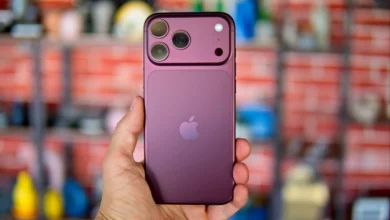
Recent discoveries within the iOS 27.2 beta 2 software indicate that Apple is refining a mechanism internally referred to as "AutoLock." While the feature remains in a developmental state, the presence of these new code references suggests that the project has transitioned from conceptual design to functional testing. The objective is to leverage the iPhone’s internal sensor array to identify the physical nuances of a snatch-and-grab theft, effectively rendering the device useless to a thief the moment it is forcibly removed from a user’s grasp.
The Chronology of Anti-Theft Development at Apple
The trajectory of Apple’s security innovation has been accelerated by an increase in organized smartphone theft, particularly in major metropolitan areas where high-value devices are frequently targeted. The journey toward an automated anti-snatching solution began in earnest several years ago as part of a broader mandate to bolster user data privacy and physical hardware security.
In May 2026, initial reports surfaced regarding a patent-based technology that could detect abnormal physical movement patterns. These reports confirmed that Apple was experimenting with algorithms capable of distinguishing between a user placing their phone into a pocket and an assailant ripping the device from a hand. Since that initial discovery, the development timeline has been marked by iterative updates within successive iOS beta cycles.
By the time iOS 27.2 beta 2 arrived, engineers had begun integrating a "voting system" into the core architecture of the device. This system serves as a sophisticated gatekeeper, cross-referencing multiple sensor inputs—such as gyroscope fluctuations, accelerometer spikes, and sudden changes in ambient light—to confirm a theft event. Unlike early iterations, which may have been prone to false positives, the current development phase focuses heavily on refining these inputs to ensure the device remains accessible to the rightful owner under normal usage conditions.
Sensor Integration and the Mechanics of AutoLock
The efficacy of the AutoLock feature relies on a multi-layered detection architecture. Apple is utilizing the iPhone’s existing hardware stack to create a "theft profile." When an iPhone is suddenly accelerated at a velocity consistent with a snatch-and-grab, the device’s motion sensors trigger a high-priority event.
However, detecting the motion is only the first step. To mitigate the risk of a false positive—such as a user dropping their phone or moving rapidly while running—the system employs a secondary verification layer. The internal code suggests that the device uses a "voting" protocol. A potential theft signal initiates a lock request, but this request can be vetoed by secondary factors. These factors include:
- Biometric Authentication: If the device detects a successful Face ID or Touch ID match immediately preceding or following a movement event, the system assumes the owner is still in possession of the phone.
- Foreground Application Context: The system monitors active tasks. If the device is currently running a trusted, foreground application that requires consistent user interaction, the system may delay or cancel the lock event.
- Familiar Location Mapping: Similar to the existing Stolen Device Protection feature, the iPhone utilizes geofencing to identify "safe zones." If the device is in a location frequently visited by the user—such as a home or office—the threshold for triggering an automatic lock is significantly higher.
- Backoff Mechanisms: To prevent user frustration, Apple has introduced a suppression feature. If multiple lock events are triggered in quick succession (perhaps due to a user performing strenuous physical activity), the system enters a cooldown mode, temporarily disabling the automated lock feature to prevent repeated, unnecessary lockouts.
Balancing Security with User Experience
A significant challenge for Apple’s engineering team is ensuring that the AutoLock feature does not become a nuisance. False positives—where a phone locks while the user is simply jogging, taking a phone out of a bag, or handing it to a friend—could significantly degrade the user experience.
Consequently, the current iteration of the code keeps the "locking" component of the service disabled in production. This "background-only" approach allows Apple to gather telemetry data from testers. By analyzing how the sensor arrays react to thousands of real-world scenarios, the company can refine the algorithms without impacting the usability of the devices currently in the hands of beta testers. This data-driven approach is characteristic of Apple’s deployment strategy, prioritizing stability and accuracy before pushing security features to the broader user base.
Broader Implications for Mobile Security
The implementation of an anti-snatching feature represents a significant shift in the mobile security landscape. Historically, smartphone security has been software-centric, focusing on passwords, biometric encryption, and remote wiping capabilities. Apple’s transition toward physical-context-aware security signals a new era for hardware manufacturers.

If successfully deployed, this technology could drastically reduce the resale value of stolen iPhones on the secondary market. If a phone is rendered completely inaccessible within seconds of a theft, its value as a functional device drops to zero, potentially discouraging opportunistic thieves. This aligns with the broader push from law enforcement agencies, which have long pressured technology companies to find ways to make stolen devices "worthless."
Furthermore, the introduction of this feature may force criminal syndicates to reconsider their tactics. As the "snatch-and-grab" becomes a less viable method for acquiring inventory, the deterrent effect could lead to a measurable decrease in street-level smartphone crime. However, security analysts warn that such features may also trigger an arms race, with thieves seeking new ways to circumvent or "blind" the sensors that drive these security protocols.
The Role of Stolen Device Protection
It is essential to view the AutoLock feature as an extension of the existing Stolen Device Protection framework introduced in earlier iOS versions. Stolen Device Protection added a layer of security by requiring biometric authentication for sensitive actions—such as changing an Apple ID password or accessing saved passwords—if the device was away from familiar locations.
While Stolen Device Protection addresses the consequences of theft, AutoLock addresses the event of theft itself. By combining these two systems, Apple is creating a comprehensive defense-in-depth strategy. The integration of location-based safeguards ensures that the device can adapt its sensitivity based on the security environment, providing a more seamless experience for the user.
Official Stance and Future Outlook
Apple has maintained its characteristic silence regarding specific release dates for the AutoLock feature. The company typically does not confirm the inclusion of specific features until they are ready for a public release, often waiting for major iOS point-releases or hardware events.

Industry experts anticipate that if the current testing phase proves successful, the feature could be rolled out as a core component of a future iOS update. The integration of such technology would likely be marketed as a flagship security feature, further differentiating the iPhone in an increasingly competitive market.
For now, the presence of the AutoLock service in the background of iOS 27.2 beta 2 serves as a strong indicator that Apple remains committed to tackling the problem of device theft. As the technology matures, users can expect more granular controls, allowing them to customize the sensitivity of these features to match their specific lifestyle and risk profiles.
The evolution of smartphone security is a constant battle between developers and those seeking to exploit the hardware. With the development of the AutoLock feature, Apple is demonstrating a clear intent to move beyond simple passcode protection and into the realm of behavioral, context-aware security. While the technical hurdles are significant, the potential for a massive reduction in smartphone theft makes this one of the most important developments in the ongoing evolution of the modern smartphone. As we move closer to a potential release, the industry will be watching closely to see if Apple can successfully bridge the gap between high-level security and everyday utility.