Googlebook November Update Delivers Major RAM Recovery, Linux Fixes, and Security Patrons Across Ecosystem


Google has officially commenced the global rollout of its comprehensive November software update for the Googlebook ecosystem, addressing a broad spectrum of performance bottlenecks, hardware bugs, and security vulnerabilities that have persisted since the platform’s high-profile commercial launch. Led by critical optimizations to on-device artificial intelligence memory management, this latest release aims to cement the stability of Google’s flagship laptop line—powered heavily by advanced silicon like the Snapdragon X Elite—by reclaiming vital system resources and eliminating persistent hardware-software friction points.
The Core Breakthrough: Reclaiming System RAM From On-Device AI
At the heart of the November release is a major overhaul of how Googlebook allocates memory for its suite of native, on-device artificial intelligence services. Previously, users and developers noted that background machine learning tasks—handled by the Neural Processing Unit (NPU) driver and AICore infrastructure—consumed an aggressive and inflexible amount of system memory. This often left multitasking-heavy users feeling constrained, even on configurations boasting 16GB of RAM.
According to technical breakdowns shared by platform experts and verified by community logs, Google has significantly updated its NPU driver and refined AICore memory management protocols. This crucial adjustment successfully frees up between 3GB and 6GB of system RAM depending on the device configuration and workload intensity.
For a platform designed to bridge heavy web browsing, progressive web applications, and local neural network workloads simultaneously, this memory recovery acts as a vital performance safety net. Concurrently, the Chrome browser has received targeted background memory management tweaks. Under previous builds, heavy background AI processes frequently collided with standard browser tabs, triggering unexpected reloads, tab crashes, and unresponsive page rendering. The November update introduces intelligent resource-reclaiming hierarchies, ensuring that active browser sessions remain stable even when local AI features are running complex predictive or generative tasks in the background.
Addressing Hardware Inconsistencies and Peripheral Stability
Beyond algorithmic and memory-level enhancements, the November patch addresses a long list of hardware-specific grievances reported by early adopters across convertible form factors and traditional clamshell designs.
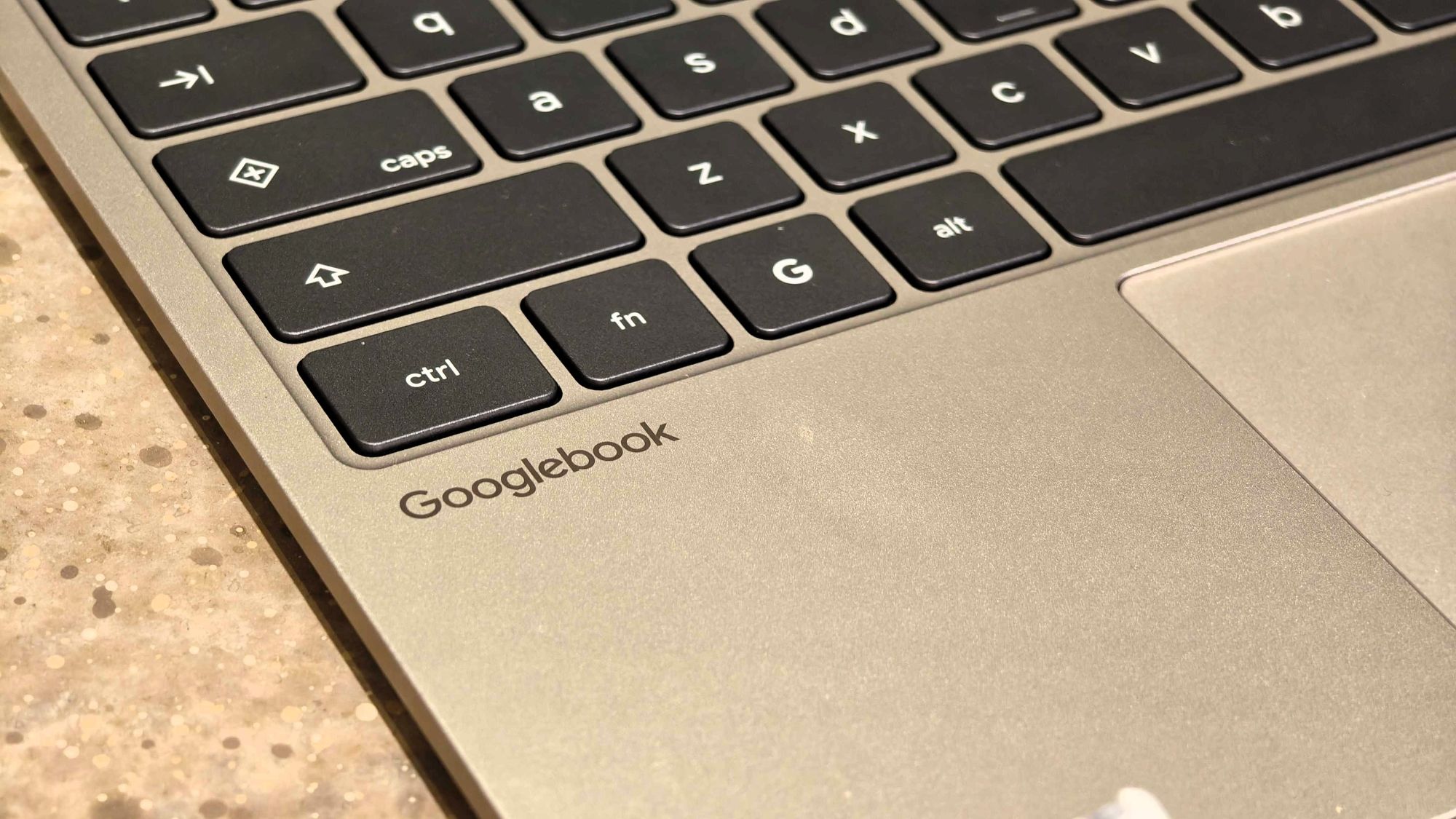
Convertible Googlebook models frequently suffered from a jarring glitch where physical keyboard and touchpad inputs would completely drop out following a transition between laptop mode and tablet mode, requiring hard reboots or peripheral reconnections. The new build resolves this interrupt handling error entirely. Furthermore, enterprise and casual users relying on video conferencing software will benefit from a definitive fix for persistent Zoom crashes. In earlier iterations, enabling simulated backgrounds, visual filters, background blur effects, or 3D avatars could trigger catastrophic application failures; these features are now fully stabilized.
External display connectivity and multimedia playback have also seen substantial improvements. Users connecting their Googlebooks to external monitors previously encountered frustrating black screens when attempting to play digital rights management (DRM)-protected streaming content from subscription giants like Netflix and Amazon Prime Video, due to HDCP handshake failures. The November update rectifies this encryption pathway issue.
Audio and peripheral reliability round out the hardware fixes. USB microphones and complex multichannel audio interfaces—frequently utilized by audio engineers and content creators working within the ecosystem—now mount and stream audio natively without latency spikes or device dropouts. Additionally, Bluetooth-connected hardware receives targeted stability patches, substantially reducing audio-video synchronization delays during media consumption and eradicating persistent reconnection stutter for wireless mice and keyboards.
Empowering Developers: Linux Terminal and Kernel Enhancements
Google has not overlooked the burgeoning community of developers, system administrators, and power users who utilize the Googlebook’s integrated Linux development environment for coding and containerized deployments.
The Linux Terminal beta receives a robust package of fixes designed to streamline long development sessions. Most notably, shell sessions now maintain their state and reliability far more consistently after the host machine wakes from a deep sleep state. SSH port forwarding has been overhauled to eliminate dropped packets and connection stalls, and multi-window management within Linux graphical environments is visibly smoother.
Of critical importance to developers is a newly patched memory leak that previously bled system resources whenever multiple terminal tabs were rapidly opened and closed. Furthermore, updating the underlying Linux Virtual Machine (VM) is no longer a destructive process; user storage partitions and custom SSH configurations are now safely preserved during system upgrades, preventing the loss of environment variables and local project repositories.
Fortifying Ecosystem Security: Kernels, Chips, and Patches
Security constitutes a foundational pillar of the November update. The package integrates the official November 1, 2026 Android security bulletin, which systematically neutralizes approximately 60 known vulnerabilities spanning the kernel, media frameworks, and system components.
Concurrently, Google has pushed updates to the Linux 6.18 kernel and the specialized Ti50 security chip firmware. These low-level interventions directly target and resolve rare but disruptive hardware anomalies, including unexpected system restarts, persistent boot loops, and erratic fan behaviors caused by thermal sensor misreads under heavy loads.
Industry Rollout and Initial Community Feedback
The software package—designated officially as build number CL3B.260622.286.R2—is currently propagating in a staggered, phased rollout across all supported hardware configurations. The update encompasses devices manufactured by industry partners including Acer, ASUS, Lenovo, HP, and Dell. Users seeking to pull the update manually can navigate to Settings > System > System Update to check for immediate availability.
Initial responses from early adopters within developer forums and community hubs have leaned predominantly positive, with many users corroborating tangible improvements in overall system fluidity, reduced thermal output, and vastly improved battery longevity during mixed-use workflows. However, as is common with major platform updates, isolated reports have surfaced regarding minor regressions, such as intermittent hiccups with Chrome’s automated spell check and sporadic notification synchronization delays immediately following system wake events.
As Google monitors telemetry from this initial wave, subsequent hotfixes are expected to fine-tune these remaining edge cases, ensuring the Googlebook platform fulfills the high-performance expectations set at its market introduction.
Related posts: