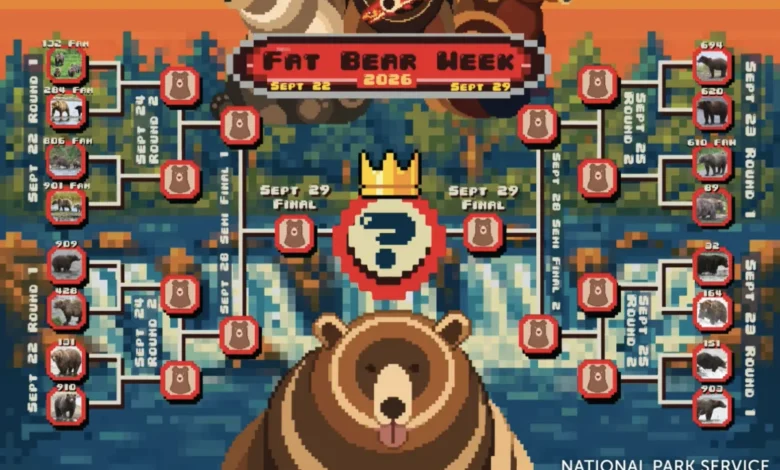
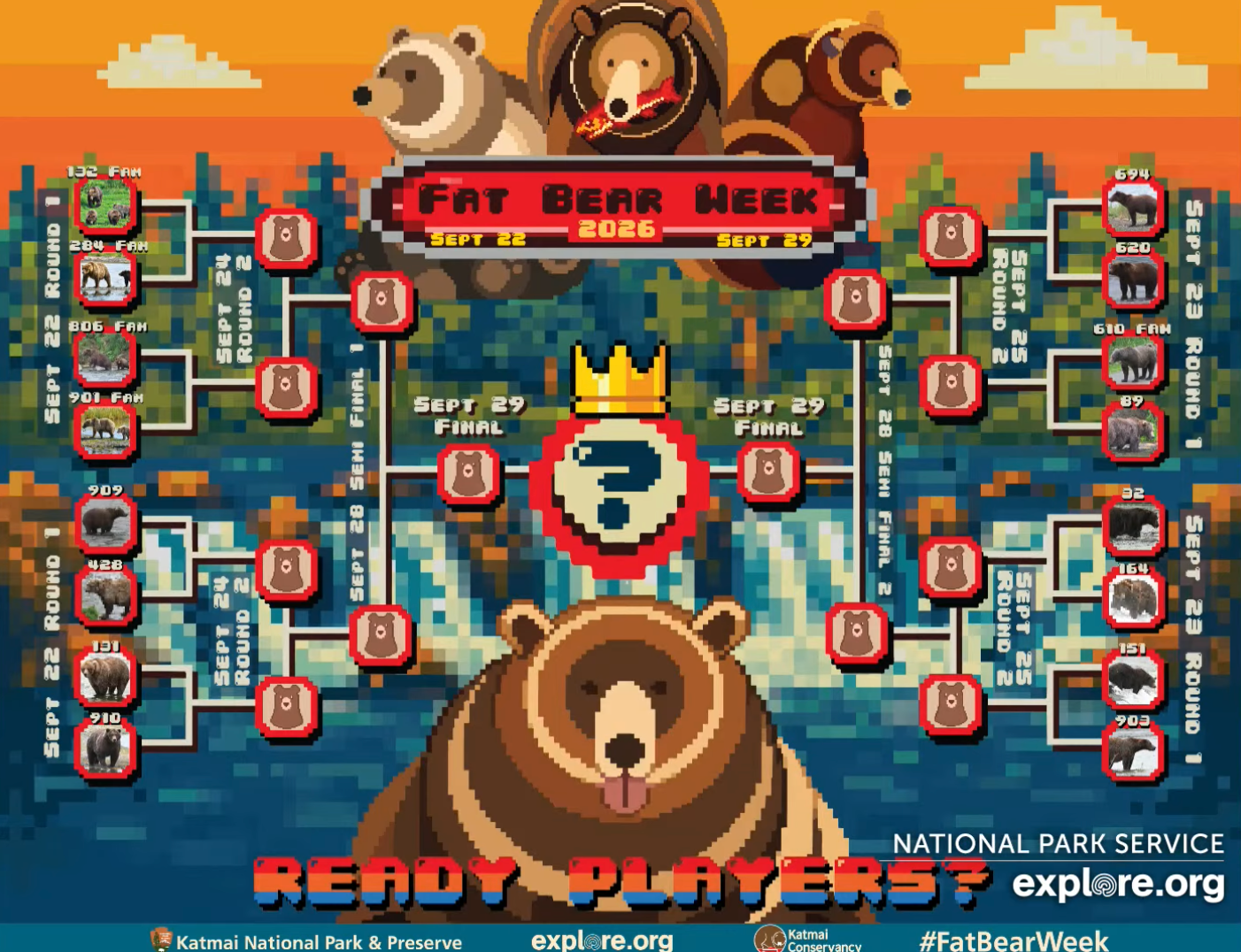
The anticipation has reached a fever pitch at Katmai National Park and Preserve as the official bracket for Fat Bear Week 2026 has been finalized. This annual, single-elimination tournament serves as both a celebration of the extraordinary resilience of Alaska’s brown bear population and a digital platform for global wildlife education. From September 22 through September 29, millions of enthusiasts from around the world will engage in a democratic process to determine which of the 16 selected Ursus arctos candidates has most successfully leveraged the seasonal salmon run to reach peak physical condition.
The Mechanics of the Tournament
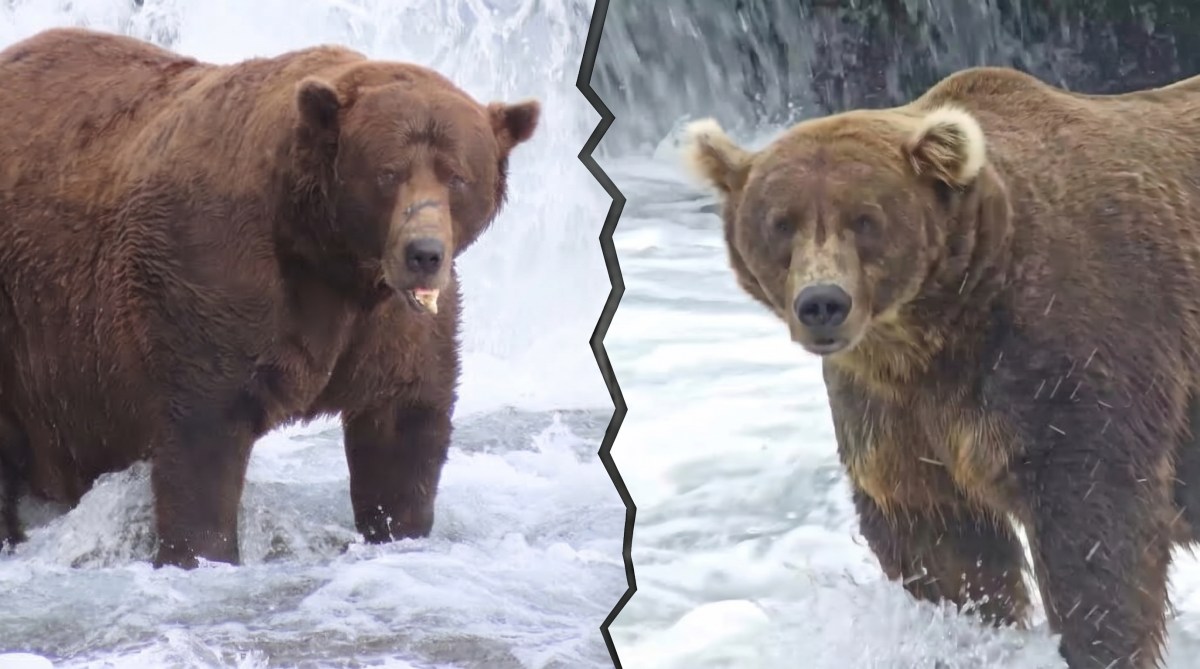
Fat Bear Week is a testament to the power of citizen science and public engagement. Conceived in 2014 as a modest, one-day event that garnered 1,700 votes, the competition has exploded in popularity. By 2025, the tournament recorded 1.2 million votes across more than 100 countries. The competition functions similarly to high-stakes athletic tournaments, with participants matched in head-to-head pairings. Each day, the public evaluates "before-and-after" photographs provided by park rangers and naturalists to determine which bear has achieved the most impressive transformation.
The field of 16 competitors is divided into four distinct categories: mother bears, single adult females, sub-adults, and the massive adult male bears. This stratification allows voters to appreciate the different survival strategies employed by bears at various life stages. While male bears are often noted for their sheer, intimidating size—sometimes ballooning from 700 pounds in early summer to upwards of 1,200 pounds by autumn—the mother bears often face the greatest physiological challenge, as they must secure enough calories to sustain themselves and their offspring throughout the brutal, food-scarce winter.
Biological Context: The Physiology of Torpor
While colloquially referred to as hibernation, the metabolic state of a bear during the winter is more accurately described as torpor. Unlike "true" hibernators such as small rodents or bats, whose heart rates drop precipitously and body temperatures plummet, bears in torpor maintain a relatively stable internal temperature, allowing them to react to environmental threats if necessary.
However, this state is an involuntary response to a lack of available caloric intake. During the months of November through April, these bears rely entirely on the adipose tissue stored during the summer and autumn salmon runs. The Brooks River, located within Katmai, is a critical site for this process. As the salmon migration concludes and the fish expire, the bears shift their foraging patterns from active hunting at the falls to scavenging along the river’s lower reaches. The successful accumulation of fat is not merely an aesthetic achievement; it is a life-or-death imperative that dictates the survival of the species through the Alaskan winter.
A Turbulent Summer at Brooks River
The 2026 season has been particularly notable for the raw, often visceral, realities of life in the wild captured by the park’s live-streaming cameras. This year, the cameras documented rare and complex behavioral interactions, including incidents of infanticide. On July 28, a young cub was killed by an unrelated adult female, an event that park staff noted as an unprecedented observation at the Brooks River site. Similar conflicts occurred in early August, highlighting the intense competition for resources and the ongoing struggle for reproductive dominance.
Naturalists, including Mike Fitz, have observed that while these events are distressing to human observers, they are indicative of the complex social structures and high-stress environments in which these animals live. Factors such as food scarcity, the drive to secure territory, and individual bear personality all contribute to these survival strategies. Furthermore, the 2026 season has been a year of unique anecdotes, from the observation of a rare silver-hued cub to the display of highly specialized fishing techniques by specific bears, such as Bear #164, known as Bucky Dent.
Historical Precedents and Recent Champions
The history of Fat Bear Week is punctuated by recurring rivalries and dominant figures. In 2025, Bear #32, affectionately known as "Chunk," secured the title despite competing with a significant injury—a broken jaw sustained during a territorial dispute. His victory was a remarkable display of tenacity. Chunk’s history at the park is well-documented, marked by his massive frame and a distinctive scar across his muzzle.
The 2024 competition, by contrast, was defined by the success of the matriarch "Grazer," who has frequently outperformed larger males through tactical prowess and defensive vigilance. Her rivalry with Chunk, which intensified following a highly publicized incident involving her cubs, served as a focal point for public discourse regarding the ethics and natural drama inherent in the park. The retirement of the legend "Otis"—a four-time champion who passed away in 2024—marked the end of an era, leading the Katmai Conservancy to establish the "Otis Fund" to support ongoing conservation efforts.
How to Participate in 2026
For those looking to engage with the 2026 tournament, the process remains streamlined and accessible. Voting occurs exclusively at fatbearweek.org from 12 p.m. to 9 p.m. EDT daily. Voters are encouraged to review the life histories of the competitors, which are maintained by the National Park Service and the Katmai Conservancy.
To support the continued study and protection of these bears, the Katmai Conservancy has initiated a matching donation program. All contributions made to the Otis Fund between September 22 and October 3 will be matched by explore.org. These funds are critical for maintaining the live-streaming infrastructure and supporting the research teams that monitor the bear population.

Broader Environmental Implications
The scientific value of Fat Bear Week extends far beyond the entertainment of a digital bracket. By providing longitudinal data on individual bears, the project offers a unique window into the health of the Katmai ecosystem. Researchers can track shifts in salmon availability, climate-driven changes in river water levels, and long-term population health trends based on the weight gain data collected throughout the season.
The event also serves as a crucial bridge between professional biology and the general public. By humanizing the bears through storytelling and photography, the tournament fosters a sense of stewardship. When people invest emotionally in the survival of a specific bear, they are more likely to support broader conservation initiatives that protect the habitats of these apex predators.
The Road to the Championship
As the tournament begins on September 22, observers should expect high volatility in the voting. Because the brackets are curated based on individuals who were present for both early and late-season documentation, the competition serves as a legitimate visual metric of the summer’s success. The "before-and-after" photos offer a stark illustration of the transformative power of the salmon run—a biological marvel that continues to sustain one of the most robust brown bear populations in the world.
As the tournament concludes on September 29, the crowning of the 2026 champion will serve as a celebration of not just one bear, but the entire ecosystem of Katmai. Whether it is a seasoned matriarch or a dominant male, the winner will represent the ultimate success story of the season: the ability to endure, to thrive, and to prepare for the inevitable cold of the Alaskan winter. For the millions watching via the live feeds, the event remains the premier opportunity to witness the wild in real-time, providing an education that is as compelling as it is, at times, uncompromisingly raw.
Related posts: