Disgaea Creator Sohei Niikawa Decries Sony’s Move Away from Physical PlayStation Games

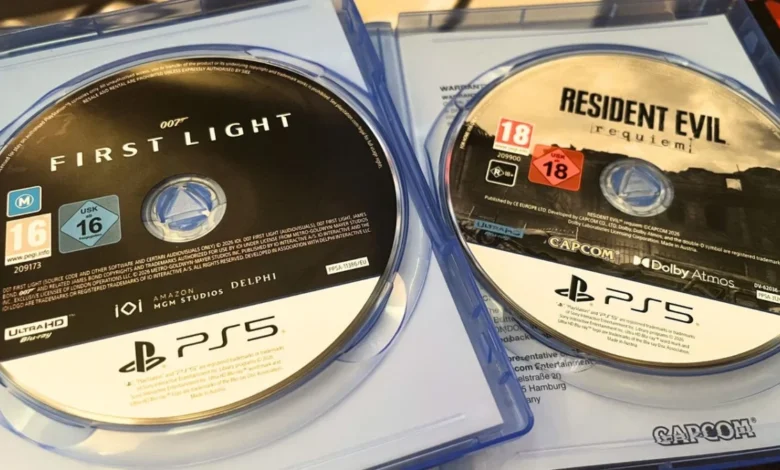
The gaming industry is at a pivotal crossroads, with a significant shift towards digital distribution threatening the long-standing tradition of physical media. This transition, spearheaded by major players like Sony, has ignited a passionate debate among developers, publishers, and consumers alike. In a strong rebuke of Sony’s declared intention to cease physical disc production for PlayStation consoles by January 2028, Sohei Niikawa, the visionary former CEO of Nippon Ichi Software and the acclaimed creator of the Disgaea tactical role-playing game series, has voiced profound concerns. Niikawa argues that this move not only disregards the deep emotional connection many fans have with physical games but also represents a fundamental misunderstanding of the gaming community’s values, suggesting that if Sony is committed to eradicating physical media, they might as well eliminate hardware entirely.
The announcement from Sony earlier this month, framing the phasing out of disc production as a "natural direction" for the company, has sent ripples of discontent throughout the gaming world. This strategic pivot means that future generations of PlayStation owners may never experience the tangible act of purchasing a new game disc, a practice that has been a cornerstone of console gaming for decades. The implications extend beyond mere convenience, touching upon issues of ownership, preservation, and the very culture of collecting and experiencing video games.
A Groundswell of Opposition to the Digital Future
Niikawa’s dissent is not an isolated incident; it echoes a growing chorus of criticism and concern from various corners of the industry and its fanbase. Fans have been exceptionally vocal about their displeasure, inundating social media platforms and gaming forums with messages urging Sony to reconsider its trajectory. This passionate outcry underscores the enduring appeal of physical games, which offer a sense of ownership and permanence often absent in the ephemeral world of digital downloads.
Adding weight to this opposition is the public stance of industry veterans. Notably, Shawn Layden, the former PlayStation Worldwide Studios boss, has also publicly characterized Sony’s plan to transition entirely away from physical disc production as a "fairly dramatic decision." Layden’s perspective, rooted in his extensive experience within the PlayStation ecosystem, highlights the potential cultural and economic ramifications of such a drastic shift. His recollection of a time when digital sales represented "zero percent" of revenue, precisely because a digital market had not yet been established, serves as a stark reminder of how far the industry has come and the integral role physical media once played in its very foundation.
Niikawa’s Perspective: The Unseen Value of Physical Media
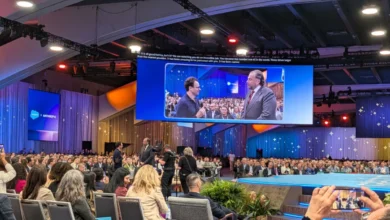
Speaking at Anime Expo 2026, as reported by Noisy Pixel, Niikawa articulated his critique of Sony’s decision with a focus on the intangible value that physical games hold for many players. While acknowledging the business logic behind Sony’s move, he emphasized that the executives making these decisions may not fully grasp the emotional resonance of physical media.
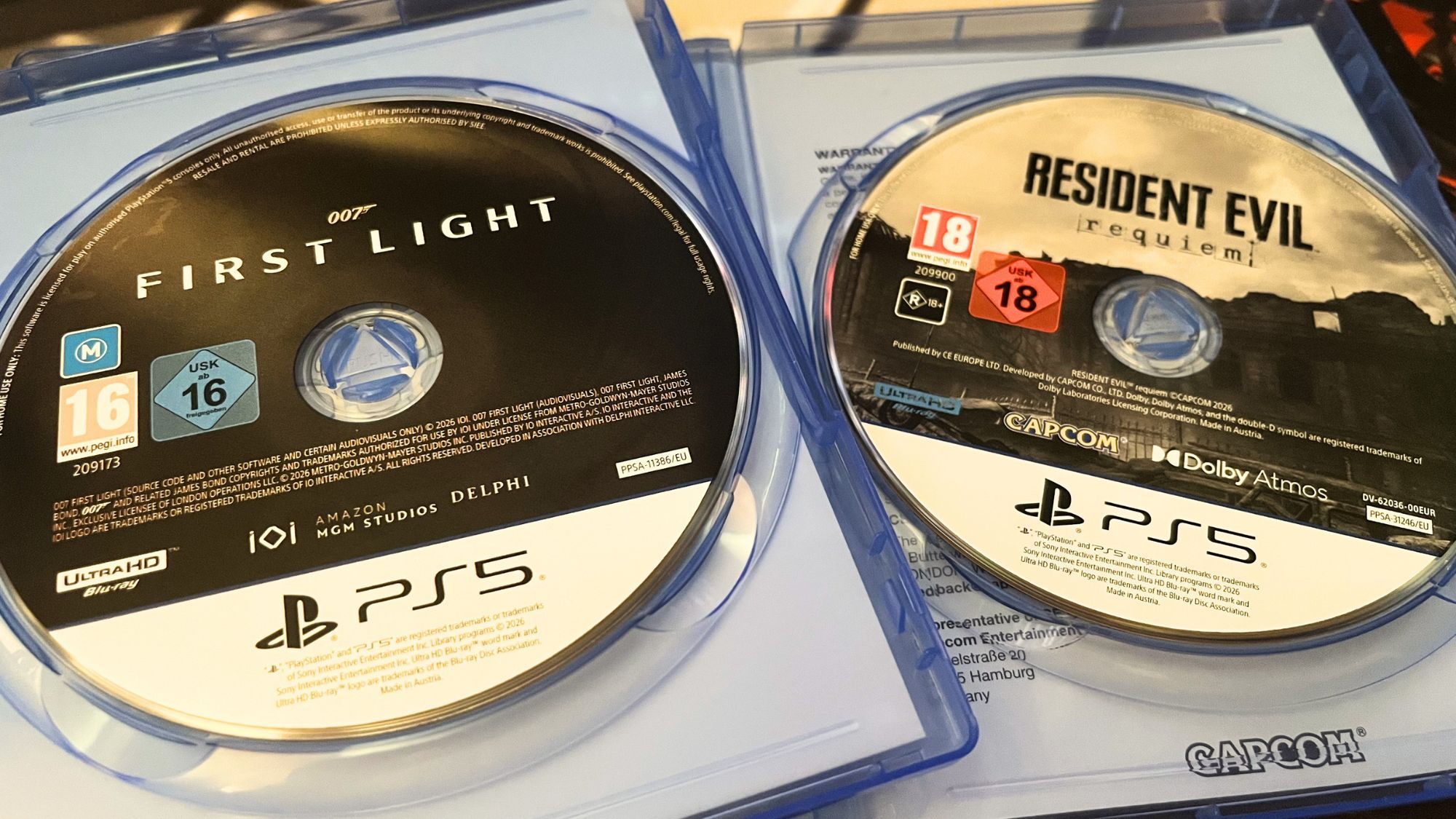
"I can understand why the people at Sony would make that decision," Niikawa stated, conceding the pragmatic business perspective. "However, the executives who decided it have probably never experienced coming to an event like Anime Expo and having someone approach them with a physical game to ask for an autograph." This anecdote powerfully illustrates the personal connection fans forge with their game collections. A physical disc is not just a medium for a game; it can be a treasured artifact, a conversation starter, and a tangible link to memorable experiences and interactions with creators.
Niikawa elaborated on this point, suggesting a disconnect between corporate strategy and fan sentiment: "I don’t think they understand the feelings of those fans, and they may never have considered what physical editions mean to the people who value them." This sentiment points to a potential blind spot in Sony’s strategic planning, one that prioritizes market trends over the deeply ingrained cultural significance of physical media for a substantial segment of its player base.
The Radical Proposition: Eliminating Hardware Entirely
Niikawa’s critique culminates in a provocative assertion that directly challenges the logic of Sony’s move. He posits that if the company is so intent on shedding physical media, it should take that principle to its extreme conclusion. "If they’re going to go as far as eliminating physical packages, they may as well eliminate the hardware too," Niikawa declared. "A television would be enough. Why would you need the console? If you’re going to get rid of physical games, you may as well go all the way."
This statement, while hyperbolic, serves to underscore the fundamental role that physical media has played in the console gaming experience. The console itself is the gateway to these experiences, and the physical disc has historically been the primary means of accessing them. To remove one without fully considering the broader implications for the other, Niikawa suggests, is an incomplete and potentially detrimental approach to evolving the gaming landscape. His argument implies that the tactile nature of interacting with a game, from unboxing a new title to inserting a disc, is intrinsically linked to the console experience and the broader culture of gaming.
The Economic Realities and Industry Analysis
Despite the vocal opposition and the concerns raised by industry figures like Niikawa and Layden, Sony appears resolute in its decision. Industry analysts suggest that the company’s commitment to a digital-first future is driven by compelling economic factors. As reported by TechRadar, analysts believe that "Digital is just too lucrative" for Sony to reverse its course, even in the face of consumer backlash and potential repercussions such as PlayStation Plus subscription cancellations.
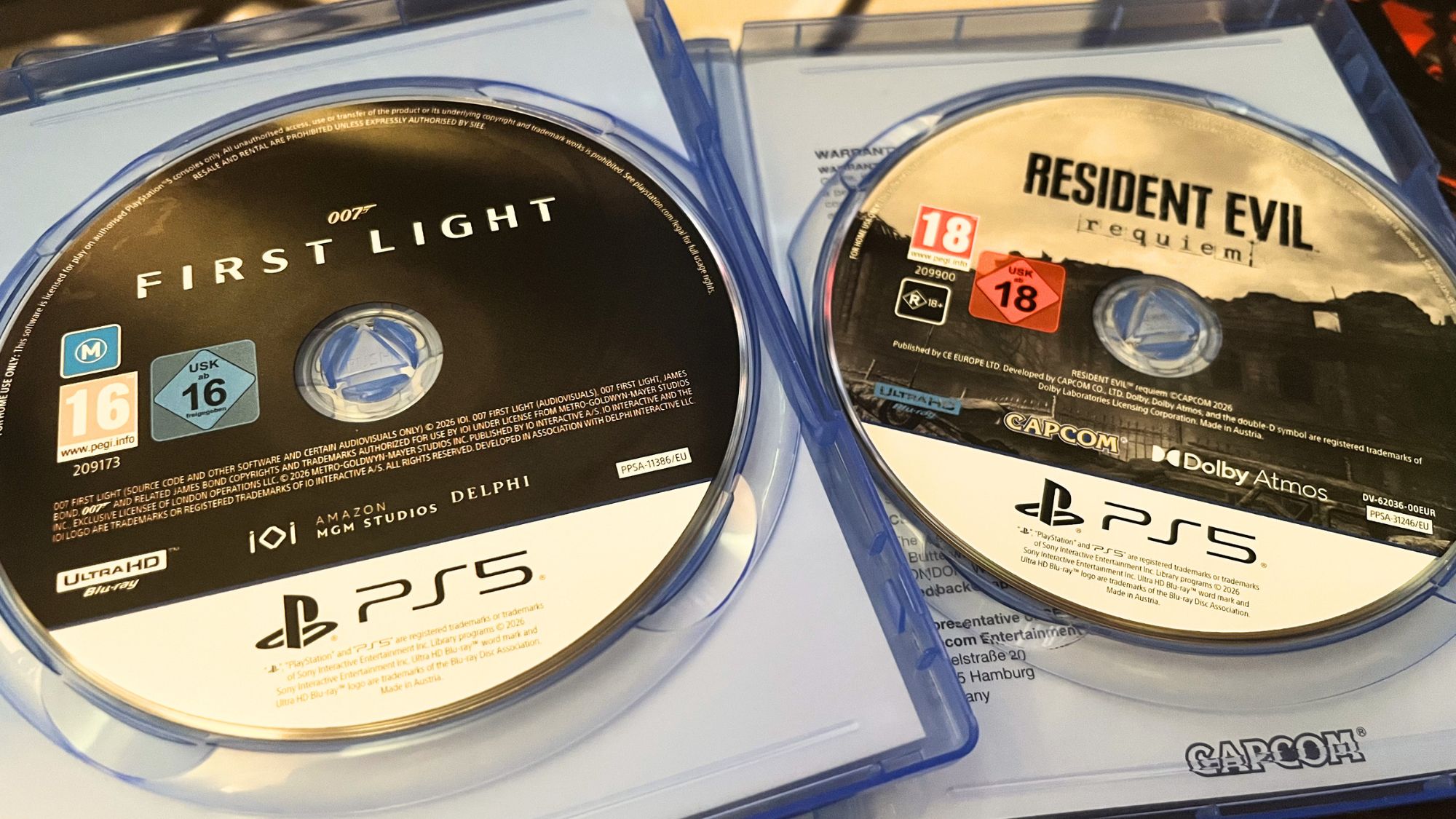
The data supporting this assertion is significant. Mat Piscatella, an industry analyst at Circana, has reported that in the United States, year-to-date sales for physical PlayStation games have been notably low. Specifically, only seven PlayStation titles have managed to sell more than 100,000 physical units. This statistic, while potentially reflecting broader market trends, highlights a scenario where digital sales likely constitute a far greater proportion of revenue, making the elimination of physical production a seemingly logical, albeit controversial, business decision from a purely financial standpoint.
The Shifting Landscape of Game Ownership and Preservation
The implications of Sony’s decision extend far beyond immediate sales figures, touching upon critical issues of game ownership and long-term preservation. Historically, physical game discs have offered a form of ownership that is not contingent on the continued availability of digital storefronts or the licensing agreements of game publishers. Should a game be delisted from a digital store or a publisher cease operations, owners of physical copies can often still access their games.
The complete transition to digital distribution raises concerns about digital decay and the potential loss of access to games in the future. Without physical backups, players become entirely reliant on companies to maintain their digital libraries and servers indefinitely. This dependency raises questions about who truly "owns" digital games and what happens when companies change their policies, discontinue services, or go out of business. The historical record is replete with examples of digital games becoming inaccessible due to such factors, a fate that could befall a vast library of PlayStation titles if physical versions are entirely phased out.
Furthermore, the collector’s market, a significant aspect of gaming culture for many, will be irrevocably altered. Limited editions, rare physical releases, and the sheer joy of curating a physical library of beloved games will become relics of the past for PlayStation enthusiasts. This loss of a tangible collecting dimension diminishes a facet of the hobby that has provided value, community, and personal satisfaction to millions.

Broader Industry Trends and the Future of Physical Media
Sony’s move is not occurring in a vacuum. It aligns with a broader trend across the entertainment industry, where digital streaming and downloads have become the dominant mode of consumption for music, movies, and increasingly, video games. While other console manufacturers, such as Nintendo and Microsoft, also offer digital storefronts and increasingly focus on digital sales, they have, to varying degrees, maintained a commitment to physical media for their flagship consoles. The long-term sustainability of physical game production across the industry remains a subject of ongoing debate and observation.
The future of physical media in gaming will likely depend on a confluence of factors, including consumer demand, the economic viability of disc manufacturing, and the evolving technological landscape. While digital distribution offers undeniable advantages in terms of convenience, accessibility, and environmental footprint (in terms of manufacturing and shipping), the arguments for physical media – ownership, preservation, and the cultural significance of tangible artifacts – continue to resonate strongly within a significant portion of the gaming community.
As the industry navigates this transformative period, the voices of creators like Sohei Niikawa serve as crucial reminders of the multifaceted nature of gaming and the importance of considering the full spectrum of player experience, not just the bottom line. The debate over physical versus digital is more than just a discussion about how games are sold; it’s a conversation about what it means to own, experience, and preserve our interactive entertainment. The year 2028 marks a significant deadline, but the implications of this shift will undoubtedly shape the gaming landscape for decades to come.