Court-Ordered Domain Seizure Strips Radaris of Its Flagship Web Address in Landmark Privacy Law Enforcement Action


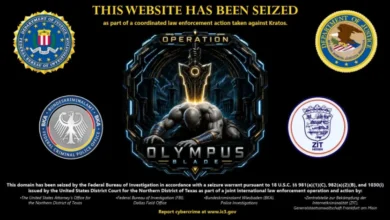
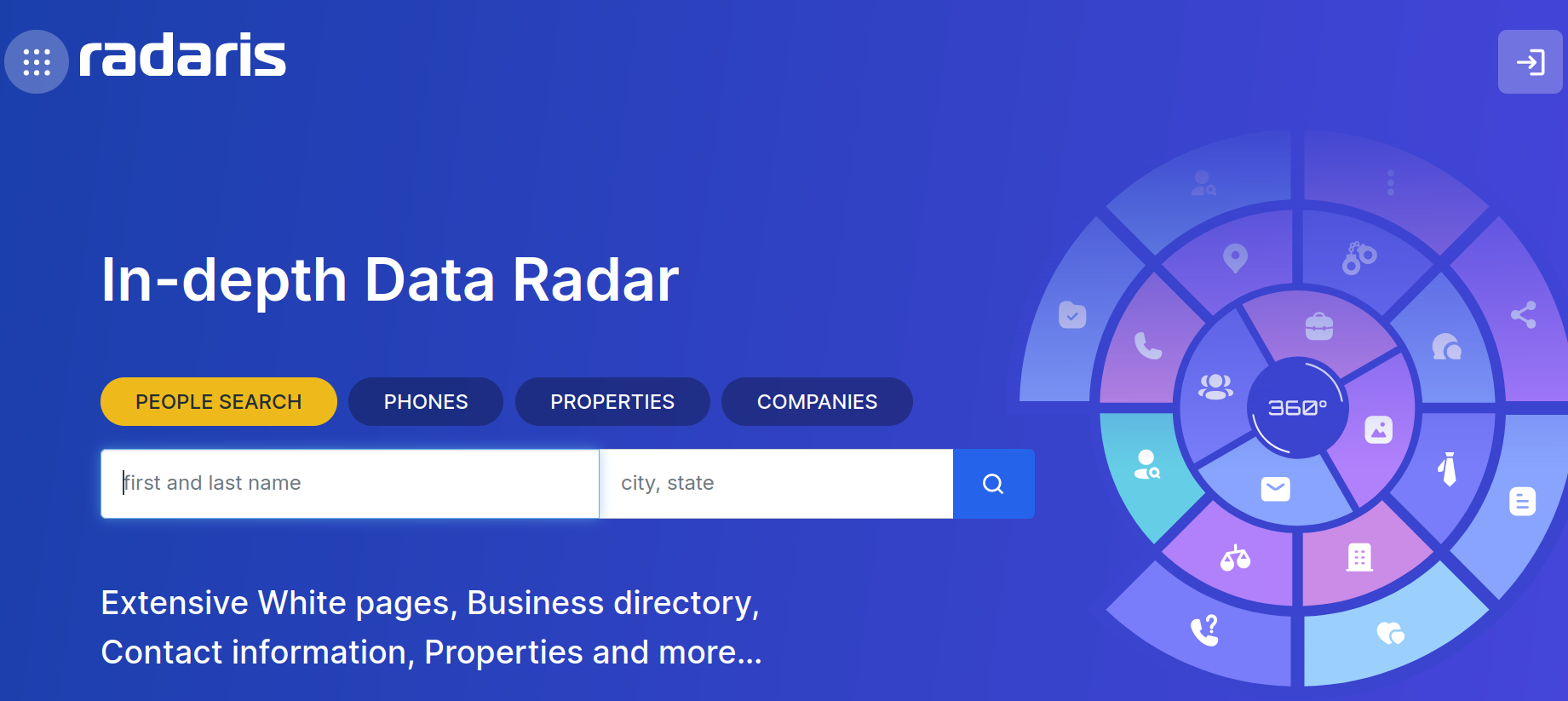
The digital landscape of consumer data brokering experienced a seismic shift when a New Jersey court ordered the transfer of the high-traffic domain radaris.com and more than a dozen associated properties to plaintiffs represented by Atlas Data Privacy Corp. This unprecedented legal action stems from persistent violations of Daniel’s Law, a stringent New Jersey statute designed to protect law enforcement officials, judges, and government personnel from targeted harassment by stripping their private information from commercial people-search engines. Facing years of procedural evasion, corporate shell games, and defiant stonewalling from defense counsel, the presiding judge executed a sweeping default judgment that effectively strips the underlying network of its primary revenue-generating asset and redirects web traffic to legal notices managed by Atlas.
The enforcement marks a watershed moment in the ongoing battle between privacy advocacy firms and an elusive segment of the data broker industry that has historically operated with near impunity. For over a decade, consumer data aggregators have exploited legal loopholes, cross-border corporate masking, and jurisdictional hurdles to ignore removal requests. The forfeiture of radaris.com highlights the severe legal liabilities facing companies that fail to comply with state-level privacy protections, setting a precedent that could radically alter how international and domestic data brokers manage American citizens’ personal identifiable information (PII).
Anatomy of a Cross-Border Privacy Evasion Strategy
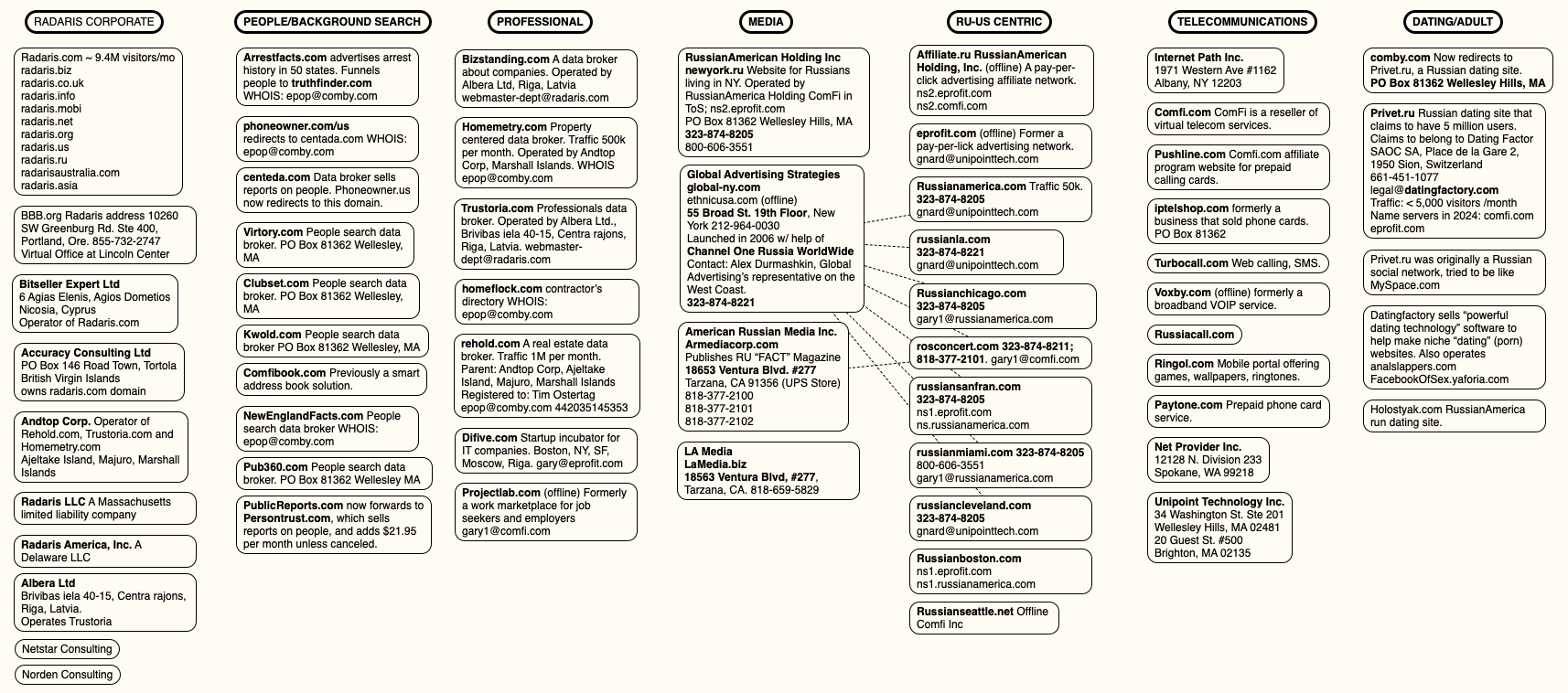
The origins of the radaris.com dispute stretch back several years, characterized by a complex corporate architecture designed to shield ultimate beneficiaries from liability. Investigative reporting revealed that the people-search empire was engineered and operated by Igor and Dmitry Lubarsky, Russian-born brothers residing in Massachusetts. Despite controlling a vast network of consumer-facing directories, dating services, and affiliate programs, the operators routinely obscured their involvement behind a rotating cast of domestic and international corporate entities.
The defense strategy relied heavily on what industry experts describe as an "island-hopping" maneuver. As legal pressure mounted across various state jurisdictions, the corporate umbrella shifting management responsibilities from domestic entities like Radaris America, Inc. to offshore jurisdictions including the Marshall Islands, the British Virgin Islands, Cyprus, and the Seychelles. Investigators discovered that certain designated shell companies appointed to manage the domains did not legally exist at the time of their designation in corporate filings. Furthermore, the firm utilized a fictitious executive persona, a purported CEO named "Gary Norden," in corporate press releases and investor pitches to distance the true principals from public accountability.
Attorneys representing the operators repeatedly challenged service of process and contested the jurisdiction of New Jersey courts, utilizing attrition as a primary defense mechanism. By forcing plaintiffs through exhaustive procedural hurdles, the defendants successfully wore down previous legal challengers for over a decade. However, the determination of Atlas Data Privacy Corp. and its legal partners to safeguard state officials catalyzed a comprehensive discovery process that ultimately dismantled the illusion of corporate separation.
Chronology of Litigation and Escalation
February 2024: Atlas Data Privacy Corp. files a lawsuit against Radaris in New Jersey, alleging systematic violations of Daniel’s Law due to the publication of restricted personal data belonging to state law enforcement and judicial personnel.
March 2024: Investigative reports expose the operational ties between the platform and the Lubarsky brothers, prompting legal threats of defamation from defense counsel who assert the true owners are Ukrainian nationals.
June 2025: Atlas re-files its complaint, significantly expanding the scope of named entities within the Radaris family and documenting an extensive web of interconnected corporate structures.
August 2025: The New Jersey court rules that the defendants repeatedly failed to appear and mount a legitimate defense, leading to a default judgment and the subsequent transfer of radaris.com along with 13 other domain names to the plaintiffs.
September 2025: Radaris legal representatives file motions to vacate the default judgment, arguing that Radaris.com is a non-entity incapable of being sued and that the domain seizure violates constitutional due process principles.
Financial Interconnections and Ecosystem Analysis
Subsequent document discovery yielded over 10,000 internal emails, financial records, and operational files that provided a transparent look into the mechanics of the people-search industry. Independent records from payment processors, banking institutions, domain registrars, and software vendors confirmed that a unified Boston-area group managed a portfolio exceeding 25 distinct people-search properties. Entities such as Bitseller Expert Limited, Digital Orbit Corp, Core Solutions Group, Lucky Solutions, and Veripages were revealed to be administrative facades operating from unified mail domains and shared financial accounts.
Financial analysis derived from the subpoenaed records indicated substantial revenue generation across the network. Radaris.com alone pulled in approximately $42,000 monthly, while sister site Veripages.com generated roughly $45,000 per month through lucrative partnerships with major marketing and advertising conglomerates like the Lifetime Value Company, operator of brands such as PeopleLooker, PeopleSmart, and Bumper.

Intriguingly, documents revealed financial arrangements with privacy-cleaning services like Onerep, where the Radaris network reportedly earned up to $25,000 monthly through symbiotic marketing agreements. This dynamic highlighted an inherent conflict of interest within the broader data privacy ecosystem, wherein companies that profit from data exposure simultaneously market remediation services to consumers seeking to remove that very same information.
Constitutional Challenges and the Future of State-Level Privacy
While the immediate loss of radaris.com represents a catastrophic operational blow to the network—with the site currently serving as a redirect portal displaying court notices rather than commercial dossiers—the broader legal battle is far from resolved. Defense attorneys representing the data broker network have vowed to pursue aggressive appeals, filing motions to vacate the default judgment on grounds that the domain name itself does not constitute a legal corporate entity capable of bearing direct liability. Victor Worms, counsel for the defense, maintains that the forced transfer amounts to an unconstitutional forfeiture.
Concurrently, Daniel’s Law faces a formidable constitutional challenge on a national scale. Approximately 150 consumer data broker firms have banded together to challenge the New Jersey statute in federal court, arguing that the law is overly broad and infringes upon First Amendment protections regarding the dissemination of publicly available government records. More than 70 of these lawsuits have been escalated to federal dockets, with the U.S. Court of Appeals for the Third Circuit preparing to review the core constitutional questions. Legal experts anticipate that the ultimate resolution of these disputes will be determined by the Supreme Court of the United States.
The legislative battlefield has expanded beyond New Jersey, with at least 14 additional states enacting similar privacy statutes designed to protect public officials, and others considering analogous measures. However, the legal viability of these statutes remains precarious; a federal district court ruled West Virginia’s iteration of Daniel’s Law facially unconstitutional under the First Amendment, signaling deep judicial friction between personal privacy rights and public record access laws.
Systemic Shortfalls in Federal Data Protection
Privacy experts emphasize that state-level statutes, while impactful for targeted groups such as law enforcement and judges, serve merely as band-aids over a systemic regulatory failure at the federal level. Justin Sherman, a privacy researcher and author examining the data broker industry, notes that commercial data aggregators continue to thrive because virtually all state privacy frameworks exempt records categorized as "public" or "government" documents. Voting registries, property filings, marriage certificates, motor vehicle logs, court documents, and professional licenses remain freely accessible to commercial scrapers.
Furthermore, the absence of comprehensive federal data protection standards leaves American citizens vulnerable to large-scale identity theft vectors. Incidents such as the recent breach at IDScan.net—which exposed the driver’s license records of over 153 million Americans—demonstrate the severe risks inherent in an unregulated data-broker economy where sensitive identification documents can be easily repurposed for malicious exploitation on the dark web.
As the legal proceedings surrounding Radaris wind their way through appellate courts, the case serves as a stark reminder of the limits of corporate obfuscation in the digital age. Whether through aggressive state-level litigation or future federal interventions, the enforcement action against radaris.com signals that the era of anonymous, unaccountable data harvesting is encountering unprecedented judicial resistance.
Related posts: