Clop Ransomware Gang Exploits Critical PTC Windchill and FlexPLM Vulnerability, Triggering Urgent Global Cybersecurity Alerts


The notorious Clop ransomware gang has initiated a new data theft and extortion campaign, actively exploiting a critical vulnerability in Internet-exposed instances of PTC Windchill and FlexPLM enterprise software. This targeted assault leverages a severe improper input validation vulnerability, identified as CVE-2026-12569, which allows attackers to execute arbitrary code remotely on vulnerable systems, posing a significant threat to global industries reliant on these product lifecycle management (PLM) platforms. The campaign has prompted immediate and urgent warnings from cybersecurity firms and government agencies worldwide, underscoring the escalating nature of sophisticated cyber threats against critical business infrastructure.
The core of Clop’s latest offensive lies in CVE-2026-12569, a vulnerability with a high CVSS score of 9.3, classified as an unsafe deserialization flaw. This critical weakness grants unauthenticated remote code execution (RCE) capabilities to attackers. Once exploited, Clop operators have been observed deploying JavaServer Pages (JSP) webshells onto compromised servers. These webshells act as persistent backdoors, enabling the attackers to execute remote commands, maintain access, and, most critically, exfiltrate sensitive product data from the targeted companies’ PLM platforms. This sophisticated method allows for the surreptitious extraction of highly valuable intellectual property and proprietary information, setting the stage for subsequent extortion demands.
Product Lifecycle Management (PLM) systems like PTC Windchill and FlexPLM are integral to modern engineering, manufacturing, quality assurance, and supply chain operations. They serve as central repositories for managing products throughout their entire lifecycle, from initial concept and design through manufacturing, service, and eventual disposal. This includes storing critical data such as CAD models, bills of materials (BOMs), intellectual property, design specifications, manufacturing processes, compliance documentation, and supplier information. Consequently, these platforms are high-value targets for cybercriminal groups like Clop, as a successful breach can yield a treasure trove of proprietary and competitive information, capable of severely disrupting business operations and compromising long-term strategic advantages. PTC itself reports that its products are utilized by over 30,000 customers globally, with more than 1,500 brands and retail customers specifically leveraging FlexPLM, spanning high-profile sectors such as aerospace, defense, automotive, heavy machinery, retail, and medtech. The sheer breadth of their user base highlights the potential for widespread impact from such a targeted campaign.
Chronology of a Rapidly Unfolding Threat
The timeline of this unfolding cyber incident reveals a swift escalation from vulnerability discovery to active exploitation and urgent official responses.

The initial awareness of the flaw began with PTC, which started releasing security patches for CVE-2026-12569 on June 17. While the company did not initially confirm in-the-wild exploitation, it proactively issued remediation guidance through a private advisory and urged its customer base to meticulously review their environments for any indicators of compromise (IOCs). This early action underscored the potential severity of the vulnerability, even before public confirmation of active attacks.
The situation intensified on Thursday, when cybersecurity company ReliaQuest publicly reported its observations of threat actors actively exploiting CVE-2026-12569. ReliaQuest’s detailed findings confirmed the deployment of JSP webshells and the subsequent exfiltration of sensitive product data. While ReliaQuest noted that the specific actor behind these attacks remained unconfirmed, their analysis of the observed tradecraft—particularly the targeting of enterprise applications and high-value data repositories—showed significant characteristics consistent with previous Clop campaigns. This expert assessment provided crucial early insight into the likely perpetrator.
Further corroboration arrived yesterday from the Ransomware Information Sharing and Analysis Centre (Ransom-ISAC). This non-profit organization, dedicated to tracking and defending against ransomware threats, officially confirmed Clop’s Windchill and FlexPLM attacks, solidifying the attribution to the notorious cybercrime group. This confirmation from a specialized threat intelligence entity amplified the urgency for affected organizations.
Following PTC’s warning to customers of "heightened threat activity" on June 26, the Cybersecurity and Infrastructure Security Agency (CISA) in the United States took decisive action. CISA added CVE-2026-12569 to its authoritative Known Exploited Vulnerabilities (KEV) catalog. Inclusion in the KEV catalog is a critical step, as it mandates U.S. federal civilian executive branch agencies to secure their PTC Windchill and FlexPLM instances within a tight three-day window. This directive from CISA highlights the severity of the threat and its potential impact on governmental operations and critical infrastructure.
The urgency of the situation was not confined to the U.S. German authorities, particularly the Federal Office for Information Security (BSI), reacted with extraordinary measures. According to German news outlet Heise, the BSI contacted PTC customers via email and phone calls in the middle of the night, warning them to patch their systems as quickly as possible. This emergency action by the BSI mirrors a similar rapid response in March when another critical Windchill and FlexPLM flaw (CVE-2026-4681) was reported to be under imminent or actual exploitation. The synchronized, urgent responses from both U.S. and German cybersecurity agencies underscore the perceived immediate and severe risk posed by Clop’s latest campaign.
Clop’s Modus Operandi and Extortion Tactics

The Clop ransomware gang has established itself as one of the most prolific and dangerous cybercrime syndicates specializing in data theft and extortion. Their strategy typically involves identifying critical vulnerabilities in widely used enterprise software, exploiting them en masse to exfiltrate vast amounts of sensitive data, and then leveraging this stolen information to extort ransoms from affected organizations. Unlike traditional ransomware that encrypts data, Clop primarily focuses on the "double extortion" model: stealing data and threatening to publish it on their dark web leak site if the ransom is not paid. This tactic significantly increases pressure on victims, as the potential reputational damage, legal liabilities, and competitive disadvantages from data exposure often outweigh the costs of data recovery.
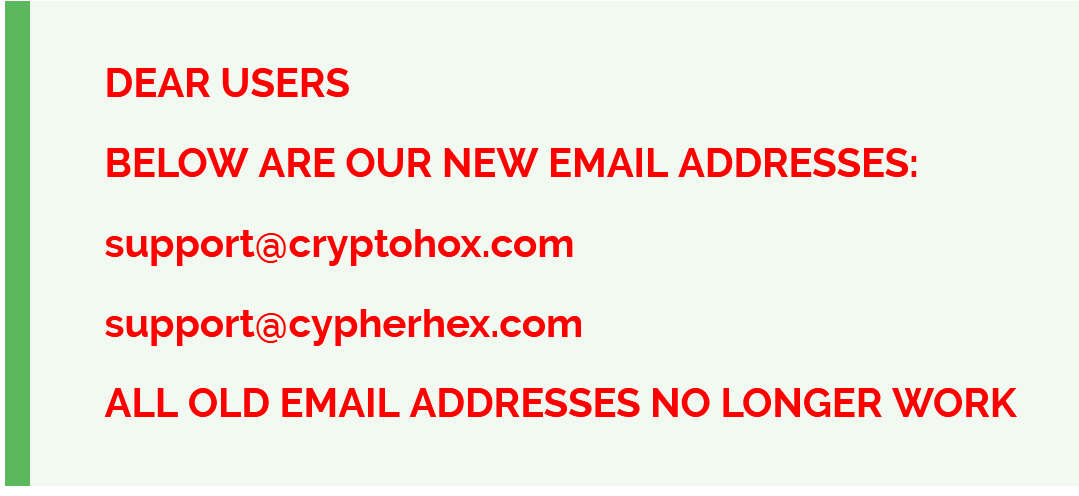
In this latest campaign, evidence of Clop’s characteristic extortion tactics has already surfaced. As BleepingComputer has learned, companies have begun receiving extortion emails from "[email protected]," which has been identified as one of the new email addresses employed by the Clop gang. This change in contact information is a common maneuver for the group, frequently preceding or coinciding with the launch of a new major extortion campaign, likely an attempt to evade tracking and blocklists. The image showing Clop announcing new email addresses further confirms their strategic use of communication channels for their illicit activities. If victims refuse to pay, Clop typically publishes the stolen data, often making it available for download via Torrent from their dark web leak site, ensuring maximum exposure and pressure.
The Strategic Importance of PLM Data and Broader Implications
The targeting of PTC Windchill and FlexPLM systems carries profound implications for the affected organizations and the broader industrial landscape. The data housed within these PLM platforms is often considered the crown jewels of a company’s intellectual property. Theft of this information can lead to:
- Loss of Competitive Advantage: Proprietary designs, manufacturing processes, and R&D data can be sold to competitors or nation-state actors, eroding years of innovation and investment.
- Supply Chain Disruption: Information on suppliers, components, and logistics can be exploited to disrupt supply chains, impacting production and delivery schedules.
- Legal and Regulatory Penalties: Exposure of sensitive customer or employee data (which can sometimes reside in PLM systems) could trigger severe fines under data protection regulations like GDPR or CCPA.
- Reputational Damage: A data breach involving intellectual property can severely damage a company’s reputation, eroding customer trust and stakeholder confidence.
- Espionage: For companies in sectors like aerospace, defense, and medtech, the theft of PLM data could facilitate industrial espionage or even pose national security risks if state-sponsored groups are involved.
The repeated targeting of critical enterprise software by groups like Clop underscores a significant vulnerability in global supply chains and digital infrastructure. PLM systems, while essential for modern business, represent a single point of failure if not adequately secured. The interconnectivity of these systems with other enterprise applications further amplifies the risk, as a breach in one area can cascade throughout an organization’s digital ecosystem.
Recommendations for Defense and Mitigation
In light of the active exploitation, cybersecurity experts and agencies have issued urgent recommendations for PTC customers:
- Immediate Patching: All organizations using PTC Windchill and FlexPLM instances must apply the security patches released by PTC as a matter of utmost priority. Delaying these updates leaves systems critically exposed.
- Network Segmentation and Access Control: Where possible, place Windchill and FlexPLM systems behind Virtual Private Networks (VPNs) or trusted access gateways. This restricts direct Internet exposure and adds a layer of authentication and authorization.
- Indicators of Compromise (IOCs) Review: Organizations should meticulously review their network logs, system files, and security alerts for any IOCs associated with CVE-2026-12569 exploitation or Clop activity.
- Incident Response Plan Activation: If compromise is suspected, organizations should immediately activate their incident response plans. This includes isolating affected servers to prevent further data exfiltration or lateral movement.
- Forensic Artifact Collection: Collect all relevant forensic artifacts, such as logs, memory dumps, and disk images, to understand the scope and nature of the breach.
- Credential Rotation: Rotate any exposed or potentially compromised credentials, especially those associated with the PLM systems and connected services.
- Enhanced Monitoring: Implement enhanced monitoring for unusual activity on PLM systems, including large data transfers, unauthorized access attempts, or the creation of new user accounts.
- Employee Training: Reinforce cybersecurity awareness training for employees, particularly those with access to critical systems, to recognize phishing attempts and social engineering tactics often used by ransomware gangs.
Clop’s Extensive History of High-Profile Data Theft Campaigns
The Clop ransomware gang’s targeting of PTC Windchill and FlexPLM is consistent with its established track record of exploiting vulnerabilities in widely used enterprise platforms to conduct large-scale data theft. Their past campaigns have demonstrated a clear pattern of focusing on file transfer and data management systems that process vast amounts of sensitive organizational data.
Notable past campaigns include:
- Accellion FTA (2021): Clop exploited a zero-day vulnerability in Accellion File Transfer Appliance (FTA) devices, affecting numerous organizations globally, including government entities and major corporations.
- GoAnywhere MFT (2023): The group leveraged a zero-day flaw in Fortra’s GoAnywhere MFT (Managed File Transfer) solution, leading to data breaches at hundreds of companies.
- SolarWinds Serv-U FTP (2023): Clop exploited a vulnerability in SolarWinds Serv-U FTP, impacting organizations using the file transfer protocol server.
- Cleo (2023): A zero-day RCE flaw in Cleo’s file transfer solution was exploited, again leading to significant data theft.
- MOVEit Transfer (2023): This was one of Clop’s most impactful campaigns to date, exploiting a zero-day vulnerability in Progress Software’s MOVEit Transfer, a popular managed file transfer solution. This single campaign affected over 2,770 organizations worldwide, impacting millions of individuals and causing widespread disruption across various sectors.
- Oracle EBS (2025): Most recently, Clop exploited an Oracle E-Business Suite (EBS) zero-day flaw, stealing sensitive files from numerous high-profile organizations since early August 2025. Victims in this campaign included Harvard University, The Washington Post, GlobalLogic, the University of Pennsylvania, Logitech, Estée Lauder, Korean Air, and American Airlines subsidiary Envoy Air.
These repeated successful breaches highlight Clop’s sophisticated capabilities in identifying and exploiting critical vulnerabilities in enterprise software, often before patches are available or widely applied. Their persistent focus on data exfiltration rather than encryption has cemented their reputation as a formidable threat in the cybercrime landscape.
The ongoing fight against Clop and similar cybercrime groups has also drawn attention from national governments. The U.S. Department of State currently offers a substantial $10 million reward for information that could link the Clop ransomware gang’s activities to a foreign government. This significant bounty underscores the strategic threat posed by such groups, not just to individual businesses but potentially to national security and economic stability. As the digital landscape continues to evolve, the ability of organizations to proactively defend against such sophisticated threats remains paramount for safeguarding critical data and maintaining operational integrity.