Foldable Phone Showdown: Samsung Galaxy Z Fold 8 Dominates Apple iPhone Duo in Recent Consumer Poll


The landscape of mobile technology has entered a new era of intense competition following the market introduction of Apple’s long-anticipated foldable device, the iPhone Duo. As tech enthusiasts and industry analysts scrutinize how Apple’s inaugural foldable offering stacks up against established market leaders, consumer sentiment has begun to take shape. A recent reader poll conducted by Tom’s Guide sought to answer a fundamental question facing mobile consumers today: when given a choice between Apple’s newly minted iPhone Duo and Samsung’s refined flagship, the Galaxy Z Fold 8, which device would they choose to purchase?
The results of the survey yielded a decisive outcome that challenged expectations regarding brand loyalty in the nascent foldable sector. Out of 2,761 total votes cast, Samsung’s eighth-generation foldable emerged as the overwhelming favorite, capturing more than double the support of its Cupertino-built rival. While Apple’s entry into the foldable market has generated substantial headlines and public intrigue, consumer preference currently tilts heavily toward Samsung’s mature hardware ecosystem.
Poll Breakdown and Consumer Preferences
The quantitative breakdown of the Tom’s Guide survey highlights a clear division in consumer priorities. A commanding 62% of respondents—totaling 1,705 votes—indicated that the Samsung Galaxy Z Fold 8 was their preferred foldable smartphone. In contrast, Apple’s iPhone Duo secured a distant second place, gathering 632 votes, which translates to approximately 23% of the total poll participation.
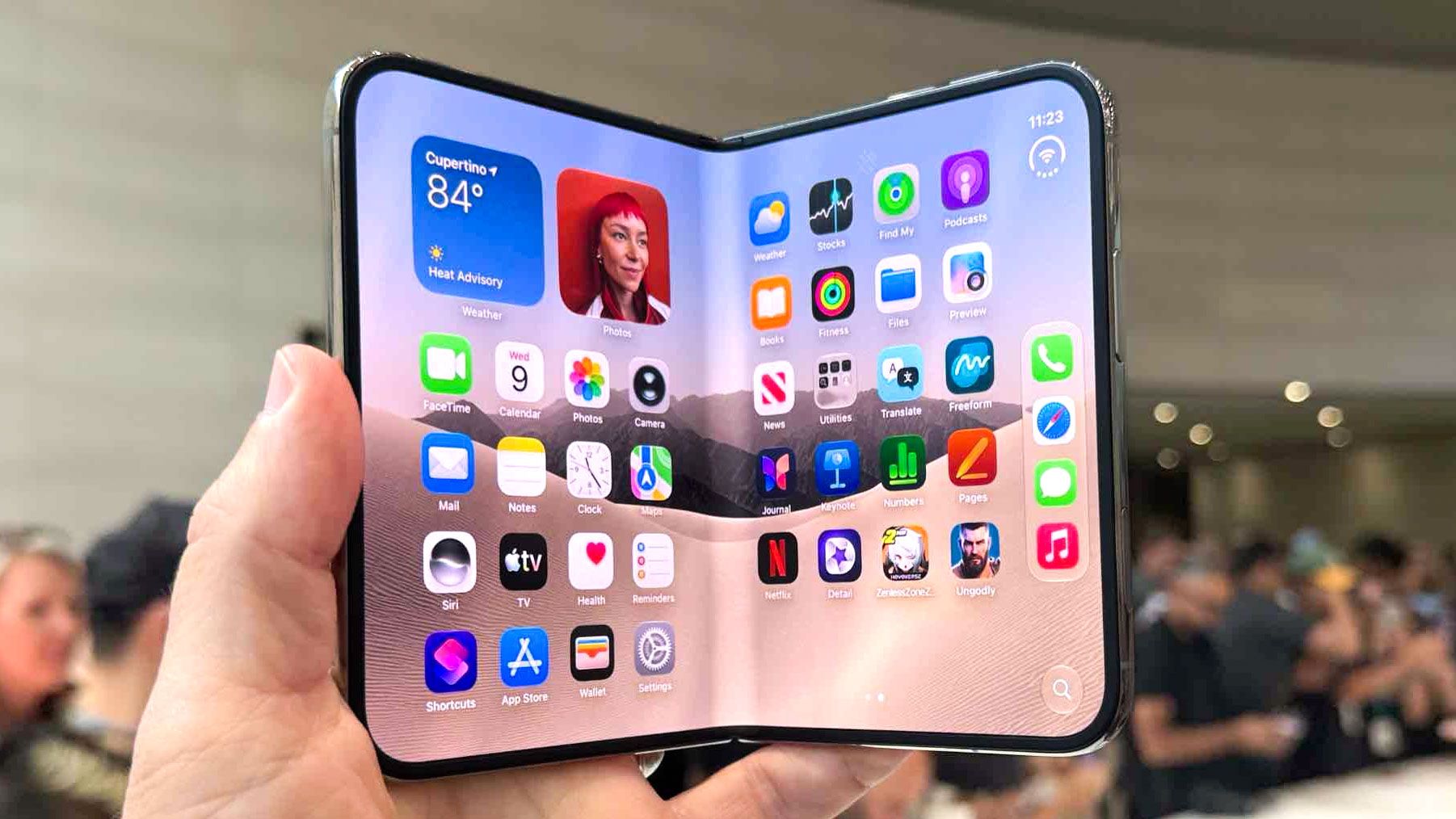
Additionally, a notable segment of the surveyed audience—comprising 424 respondents, or roughly 15%—stated that they were not interested in purchasing either device. This cohort points to a persistent hurdle within the foldable smartphone market: high retail pricing and skepticism regarding the long-term durability and practical utility of dual-screen and folding form factors. For these consumers, traditional slab-style flagships or more affordable alternatives remain the preferred choice, raising questions about how quickly foldable technology can transition from a niche luxury category to a mainstream necessity.
Analyzing the Victory: Design, Pricing, and Maturity
The dominant performance of the Samsung Galaxy Z Fold 8 over the iPhone Duo cannot be attributed to a single variable. Instead, industry experts point to a convergence of design maturity, pricing strategies, and historical iteration as key drivers behind consumer confidence in Samsung’s hardware.
First, product maturity plays a critical role. Samsung has spent nearly a decade refining its foldable portfolio, releasing successive generations of the Z Fold series that systematically address hardware pain points such as hinge durability, screen creases, and structural thickness. The Galaxy Z Fold 8 represents the culmination of eight iterations of research, development, and user feedback. Conversely, the iPhone Duo marks Apple’s first commercial venture into the foldable market. While Apple is renowned for entering product categories only after perfecting the user experience, consumers appear hesitant to adopt a first-generation device, particularly given the high financial stakes involved.
Pricing also heavily influences consumer decision-making, particularly in an economic climate where discretionary spending faces increased scrutiny. The iPhone Duo starts at $1,999 for the baseline 256GB storage configuration, with high-end variants scaling past $3,000 for the 2TB model. Meanwhile, Samsung positions the Galaxy Z Fold 8 slightly more competitively, with a starting price of $1,899. Although a $100 difference may appear marginal at the ultra-premium end of the market, every dollar carries weight for consumers evaluating value. Furthermore, while Samsung does not offer a 2TB tier, its maximum 1TB configuration retails at $2,499—significantly undercutting the equivalent top-tier offering from Apple.
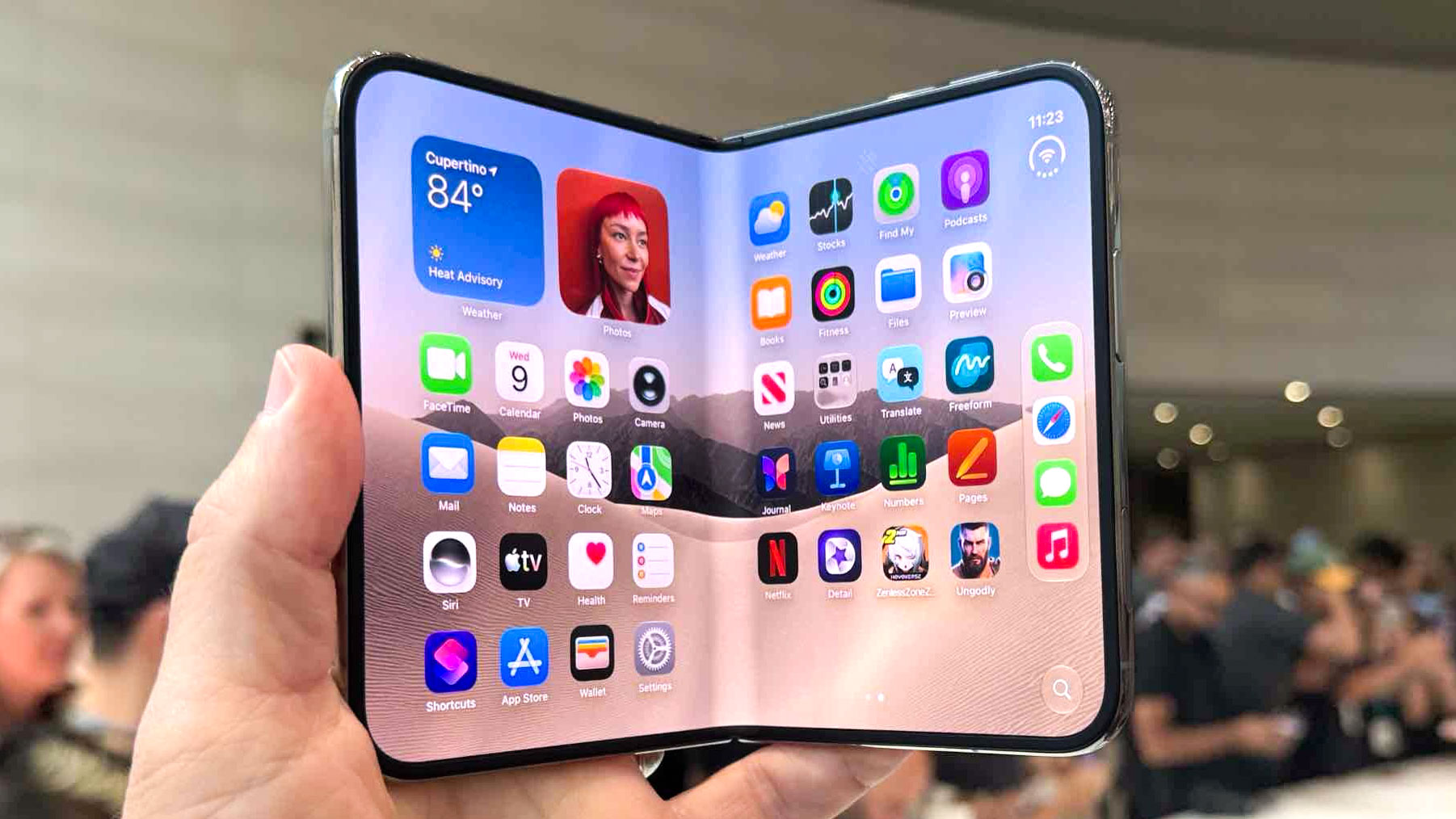
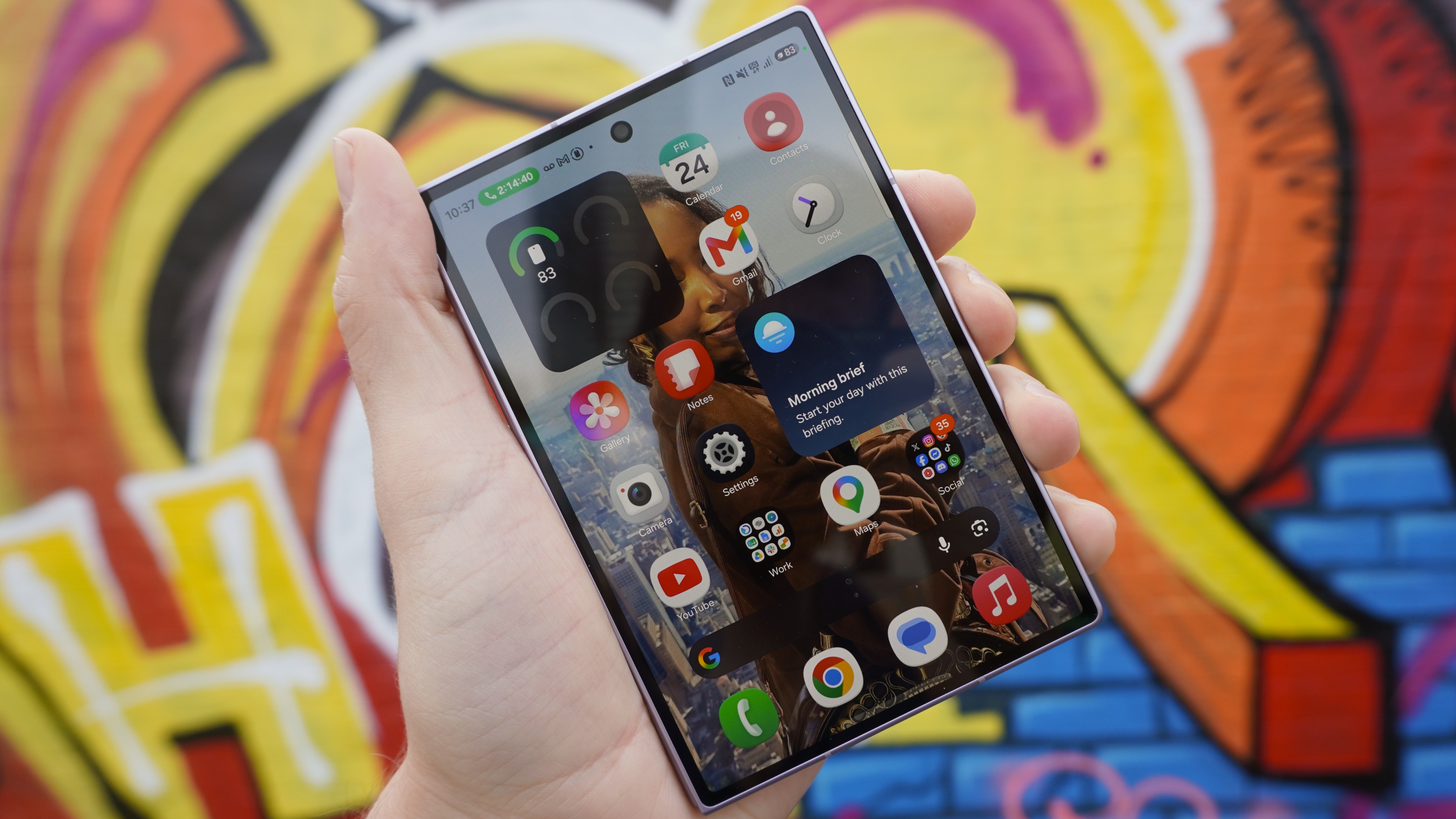
Beyond cost and maturity, hardware ergonomics contribute to Samsung’s appeal. The Galaxy Z Fold 8 boasts a noticeably thinner and lighter chassis compared to Apple’s first-generation folding device. Software optimization also tilts in Samsung’s favor for power users; the company’s multi-window interface allows for the simultaneous execution of more than two applications, offering an enhanced multitasking experience that aligns closely with tablet-class productivity.
Divergent Hardware Philosophies: Where Apple Holds the Advantage
Despite Samsung capturing the lion’s share of the poll, the technological competition between the two devices is far from one-sided. Independent hands-on reviews and technical specifications reveal several distinct areas where the iPhone Duo outperforms its Korean rival, showcasing Apple’s engineering strengths.
The iPhone Duo introduces several features traditionally absent or less robust in Samsung’s foldable lineup. Most notably, Apple’s device incorporates an IP68 dust and water resistance rating, offering superior environmental protection compared to the water-resistant yet dust-vulnerable designs common in earlier foldable generations. Furthermore, the iPhone Duo integrates native stylus support, faster wired charging capabilities, and an internal vapor chamber cooling system designed to manage thermal output during intensive tasks like gaming or 4K video editing.
Controversy has surrounded certain aesthetic choices on the iPhone Duo, particularly its matte display finish, which is engineered to minimize the visibility of the central screen crease. While some online commentators debated the real-world visibility and brightness of the panel—sparked in part by public appearances of Apple executives displaying the device—hands-on testing confirms that the display maintains high peak brightness levels under standard usage conditions.
Divergent Perspectives from the Consumer Base
Comments left by survey participants underscore the complex motivations driving smartphone purchases in the ultra-premium tier. Brand ecosystem lock-in and corporate support structures emerged as central themes in consumer debates.
One participant explained their preference for Samsung by citing a conscious decision to avoid expanding further into the Apple software ecosystem. Highlighting their satisfaction with Samsung’s hardware ecosystem, the reader noted that cross-platform flexibility and alternative hardware preferences led them to embrace the Galaxy Z Fold 8 Ultra.
Conversely, proponents of Apple’s ecosystem argued that physical specifications do not tell the entire story. Another respondent emphasized that the defining differentiator between the two tech giants lies in after-purchase service infrastructure. According to this viewpoint, Apple’s corporate philosophy prioritizes long-term investments in customer support frameworks and retail service availability, whereas competitors frequently concentrate heavily on raw technical specifications while leaving post-purchase support comparatively fragmented.
Market Implications and the Road Ahead
The debut of the iPhone Duo and the reception of the Galaxy Z Fold 8 mark a critical turning point for the foldable smartphone segment. As Apple establishes its footprint in a market pioneered and dominated by Samsung, consumer expectations are shifting. The strong showing of the Galaxy Z Fold 8 in the Tom’s Guide poll demonstrates that brand prestige alone is not enough to immediately unseat an entrenched market leader that has spent years perfecting its hardware architecture.

However, historical precedent suggests that Apple’s entry into any new product category often accelerates mainstream adoption, expanding the total addressable market for all manufacturers involved. While the iPhone Duo will not reach consumer hands until its official shipping date in late October, the Samsung Galaxy Z Fold 8 is widely available today, giving Samsung a temporary head start in capturing early adopters during the critical holiday shopping window.
Ultimately, the battle between the iPhone Duo and the Galaxy Z Fold 8 highlights a maturing market where consumers are increasingly discerning. Whether buyers prioritize Samsung’s refined multitasking capabilities and hardware maturity or Apple’s robust ecosystem integration and durability features, the competition is driving rapid innovation across the mobile industry.
Related posts: