For years, an invitation to an Apple product launch was considered the pinnacle of tech journalism—a coveted golden ticket reserved for the elite tier of industry analysts and veteran reporters. However, the landscape of tech marketing has shifted dramatically. As the company prepares for its highly anticipated Pro and Tell product showcase in Los Angeles, the guest list has evolved to prioritize a new class of digital power brokers: influencers. Reports indicate that Apple is providing these creators with premium incentives, including business-class airfare, luxury hotel accommodations, and direct, intimate access to senior leadership, including CEO John Ternus.
This strategic pivot is not an isolated incident; it represents a broader, industry-wide migration of marketing budgets from traditional media to the creator economy. While Apple’s latest move has drawn attention due to its sheer scale, the practice of curating "influencer-first" experiences has become the standard operating procedure for major technology companies seeking to solidify their market position among younger, highly engaged audiences.
A Chronology of the Creator Shift
Apple’s courtship of the creator class has been a gradual, calculated evolution. While the company has long engaged with the media, its recent approach reflects a desire to control the narrative directly.
In March 2025, the company launched an initiative that many in the industry dubbed "Apple Campus." By inviting a cohort of student creators to Los Angeles for a one-day immersion, Apple signaled that it was no longer interested solely in the technical specs reported by journalists, but in the lifestyle integration touted by content creators. This was followed by a more formalized "Apple Experience" in January 2026, held in conjunction with the debut of Apple Creator Studio—a comprehensive subscription suite designed for video editing, music production, and digital imaging.
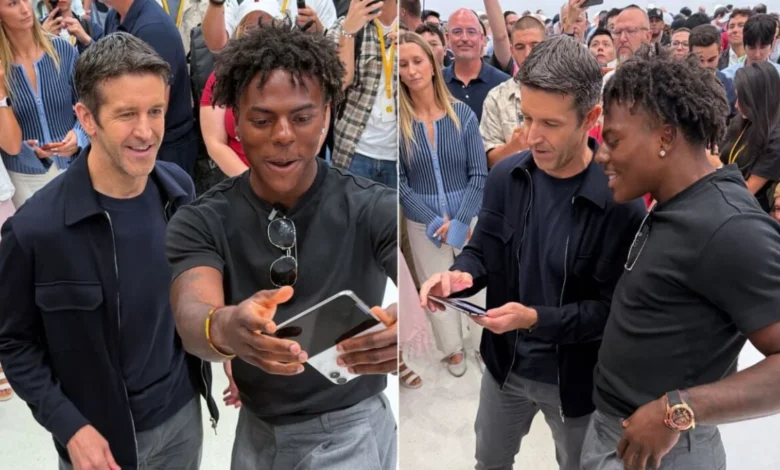
The strategy reached a new level of visibility during the September 2026 iPhone launch event. During the presentation, viral livestreamer IShowSpeed performed a stunt directly in front of Apple executives, effectively merging the company’s hardware launch with the unpredictable, high-engagement world of social media. The resulting content, which garnered over 6 million views on YouTube, provided the company with an organic reach that traditional press releases simply cannot replicate.

The Economics of Influence
The reasoning behind this transition is backed by compelling data. A recent analysis by Deloitte underscores the shift in consumer behavior, revealing that approximately 60 percent of U.S. consumers have made a purchase in the last six months primarily driven by a creator’s recommendation or sponsored content. Furthermore, 70 percent of consumers who engage with creators demonstrate significant brand loyalty, consistently returning to the same personalities for product advice and lifestyle inspiration.
For tech giants, this creates an undeniable ROI. Traditional journalists are trained to scrutinize, question, and contextually frame a product’s shortcomings alongside its features. In contrast, creators often operate as an extension of a brand’s marketing arm, offering a more controlled, enthusiastic, and approachable delivery of promotional points. As veteran journalist Jason Snell noted during an industry discussion, the move toward influencers is essentially a move toward message control—a reality that has sparked concern among those who value traditional, objective tech reporting.
The Competitive Landscape: Samsung, Google, and Beyond
Apple is far from the only company employing this playbook. The "creator trip" model has become a staple of tech brand marketing. Samsung, for instance, has successfully cultivated "Team Galaxy," an extensive roster of influencers and public figures. For the launch of the Galaxy S26 earlier this year, the company reportedly flew 140 influencers from 35 different countries to San Francisco, funding three days of workshops, demonstrations, and networking events.
Similarly, companies operating in the artificial intelligence space are finding that creators are essential for navigating public skepticism. AI firms face a unique hurdle: they must justify the environmental, ethical, and professional impact of their technology to an increasingly wary public. By partnering with influencers, these companies are attempting to build "brand love" and humanize complex, often controversial tools.
Microsoft’s Copilot team utilized this strategy during the 2024 Super Bowl, hosting fashion influencers on a brand trip that showcased the AI’s utility in mundane, relatable ways—such as solving common lifestyle problems. Meanwhile, OpenAI has aggressively expanded its influence-marketing division, hiring former Instagram partnerships executive Charles Porch to lead its global creative partnerships. Their recent retreat at the luxury resort Wildflower Farms, featuring curated experiences and exclusive access, was a clear statement of intent: OpenAI is investing heavily in the influencer pipeline to shape the public’s perception of AI.
The Ethics and Backlash of Brand Hospitality
Despite the clear benefits to brands, the influencer model is not without its risks. When OpenAI hosted its Hudson Valley retreat, the attempt to blend high-tech promotion with a tranquil, nature-focused environment backfired. The juxtaposition of a company actively involved in high-energy-consumption data centers hosting a retreat in a pristine natural setting drew sharp criticism from the online community. Social media platforms, particularly X and Reddit, became hubs for discourse regarding the environmental footprint of AI and the optics of influencers promoting technology that many fear could disrupt their livelihoods.

These controversies highlight the "influencer dilemma." Creators must balance the significant financial incentives—which can range from $5,000 to over $30,000 per deal—against the risk of alienating their core audience. While some creators, such as business influencer Grace McCarrick, defend these events as necessary opportunities to gain insight into the technologies that will shape their industries, others are choosing to opt out. Circus performer and creator Jack Lepiarz publicly declined a $20,000 deal to promote generative AI tools, citing concerns over the impact of the technology on the creative community.
Long-term Implications for Tech Journalism
The shift toward creator-led marketing signals a long-term change in how the public consumes news about technological advancement. As companies become more adept at bypassing traditional media filters, the line between advertisement and editorial content continues to blur.
For the technology sector, the strategy of trading the critical eye of the press for the enthusiastic reach of the influencer offers immediate rewards in brand sentiment and product visibility. However, it also creates a vacuum where objective, long-form analysis is increasingly marginalized. As Apple and its competitors continue to refine their "Pro and Tell" strategies, the industry must grapple with the reality that, in the modern digital economy, access is no longer a privilege of the press—it is a currency bought and sold by the brand.
As of late 2026, this trend shows no signs of slowing down. With massive marketing budgets shifting toward these exclusive, curated experiences, the next generation of tech consumers is likely to learn about the world’s most significant innovations not through traditional reporting, but through the curated, high-production lenses of their favorite online personalities. Whether this shift will result in a more informed public or simply a more effectively marketed one remains the defining question of this era of digital culture.
Disclosure: Ziff Davis, the parent company of Mashable, filed a lawsuit against OpenAI in April 2025, alleging the unauthorized use of copyrighted material for the training and operation of its artificial intelligence systems.
Related posts: