Google Unveils Feature-Rich November Pixel Drop: Bringing Next-Gen Gemini AI and Advanced Tools to Older Flagships

Google has officially rolled out its comprehensive November Pixel Drop, delivering a massive wave of advanced features, artificial intelligence upgrades, and system-level enhancements to a broad spectrum of its smartphone lineup. Known for extending the lifecycle and capabilities of its hardware far beyond traditional security updates and bug fixes, Google’s latest seasonal software deployment bridges the gap between generations. Notably, this update trickles down several sophisticated features previously exclusive to the newer Pixel 11 series onto last year’s Pixel 10 flagships, while also expanding core functionalities like universal device search to older devices dating back to the Pixel 6 generation.
The staggered rollout, which commenced on November 10, is designed to reach compatible devices globally over the coming weeks. As consumers and technology enthusiasts examine the changelog, the November Pixel Drop highlights Google’s aggressive push to integrate advanced contextual intelligence and deeply personalized user experiences directly into everyday mobile interactions.
The Evolution of Pixel Drops and Background Context
For years, Google has leveraged its "Pixel Drop" initiative as a primary differentiator in the crowded Android marketplace. Unlike standard monthly security patches deployed across the broader Android ecosystem, Pixel Drops serve as functional evolutionary milestones for Google’s proprietary hardware. By bundling software-driven optimizations with bespoke silicon capabilities, Google aims to enhance device longevity, ensuring that smartphones purchased years prior continue to receive cutting-edge tools.
The timing of the November 2026 Pixel Drop aligns with Google’s strategic cadence of post-launch hardware support. Following the late-summer debut of the Pixel 11 family—which introduced cutting-edge multimodal capabilities powered by enhanced on-device machine learning models—industry observers anticipated a trickle-down effect for the preceding Pixel 10 architecture. Google has validated those expectations, ensuring that flagship purchasers from previous cycles do not feel left behind as the company accelerates its artificial intelligence roadmap.
Gemini Intelligence Expands to Pixel 10 Series
At the heart of the November Pixel Drop is the expansion of Gemini Intelligence to the Pixel 10 lineup. Previously anchored strictly to the newer Pixel 11 ecosystem, these sophisticated AI tools fundamentally change how users interact with their mobile operating systems.
Among the marquee integrations is "Rambler," a feature designed to streamline complex, multi-step tasks through conversational context. Instead of requiring manual navigation through disparate applications, Rambler allows Gemini to interpret ongoing workflows and execute commands autonomously. For example, if a user is actively navigating via Google Maps and receives a text message inquiring about an estimated time of arrival (ETA), the system can intelligently synthesize location data, traffic conditions, and messaging inputs to offer timely, one-tap suggestions and automated replies.
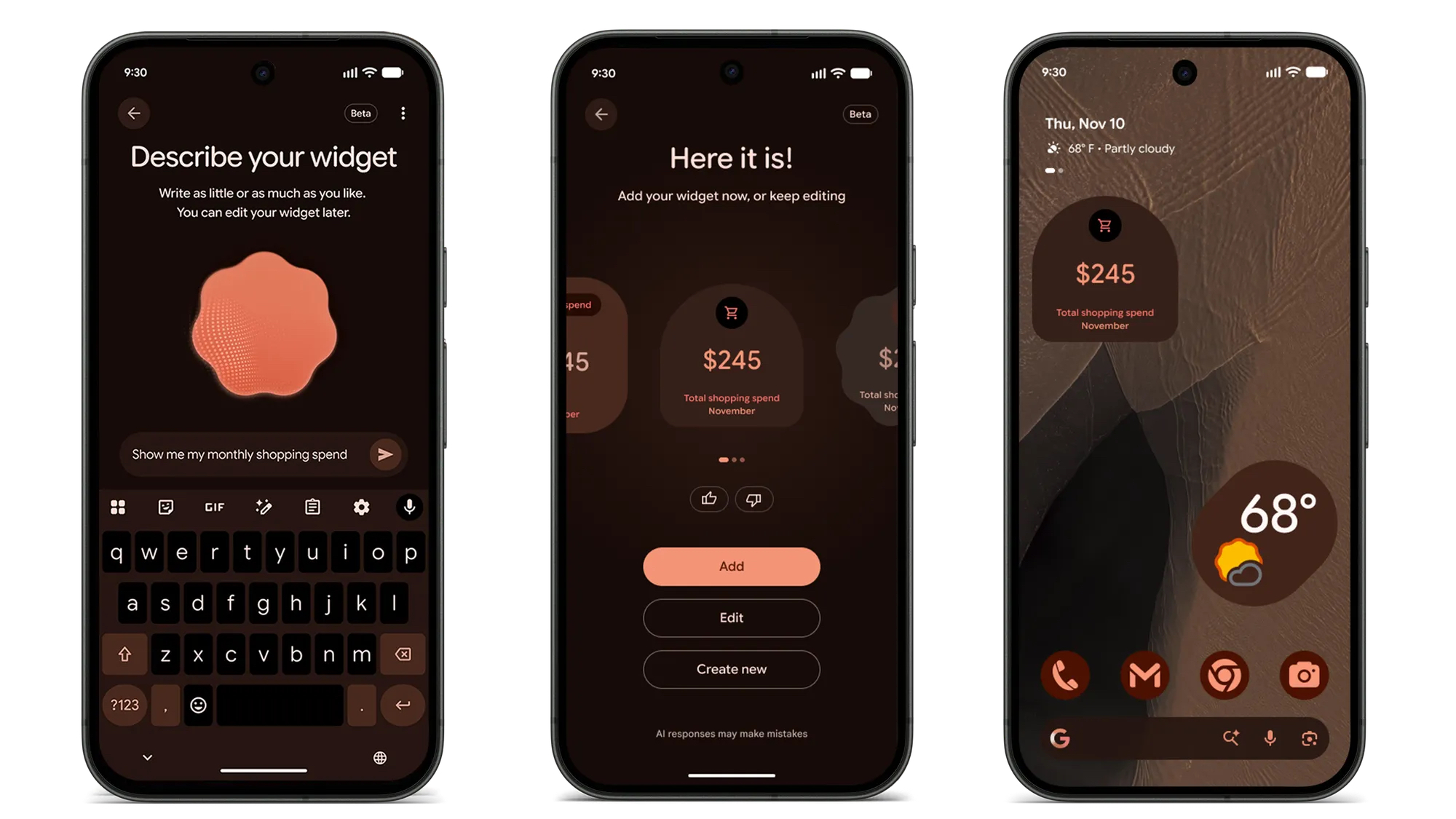
Furthermore, the update introduces "Create My Widget," an innovative personalization utility. Rather than choosing from a static library of developer-designed home screen widgets, users can utilize natural language prompts to describe precisely what kind of information display they want. Google’s on-device models then generate a custom widget tailored to those exact specifications. While this feature arrives on both Pixel 10 and Pixel 11 devices, industry analysts have noted the absence of the entry-level Pixel 10a from this particular deployment, highlighting hardware segmentation strategies within Google’s portfolio.
Customization, Universal Search, and Legacy Device Support
Personalization remains a cornerstone of the November update. Google has introduced ten new custom icon styles powered by its "Nano Banana" AI model. This proprietary visual processing model dynamically analyzes and generates matching iconography across installed applications, establishing a cohesive, uniform aesthetic for home screen layouts.
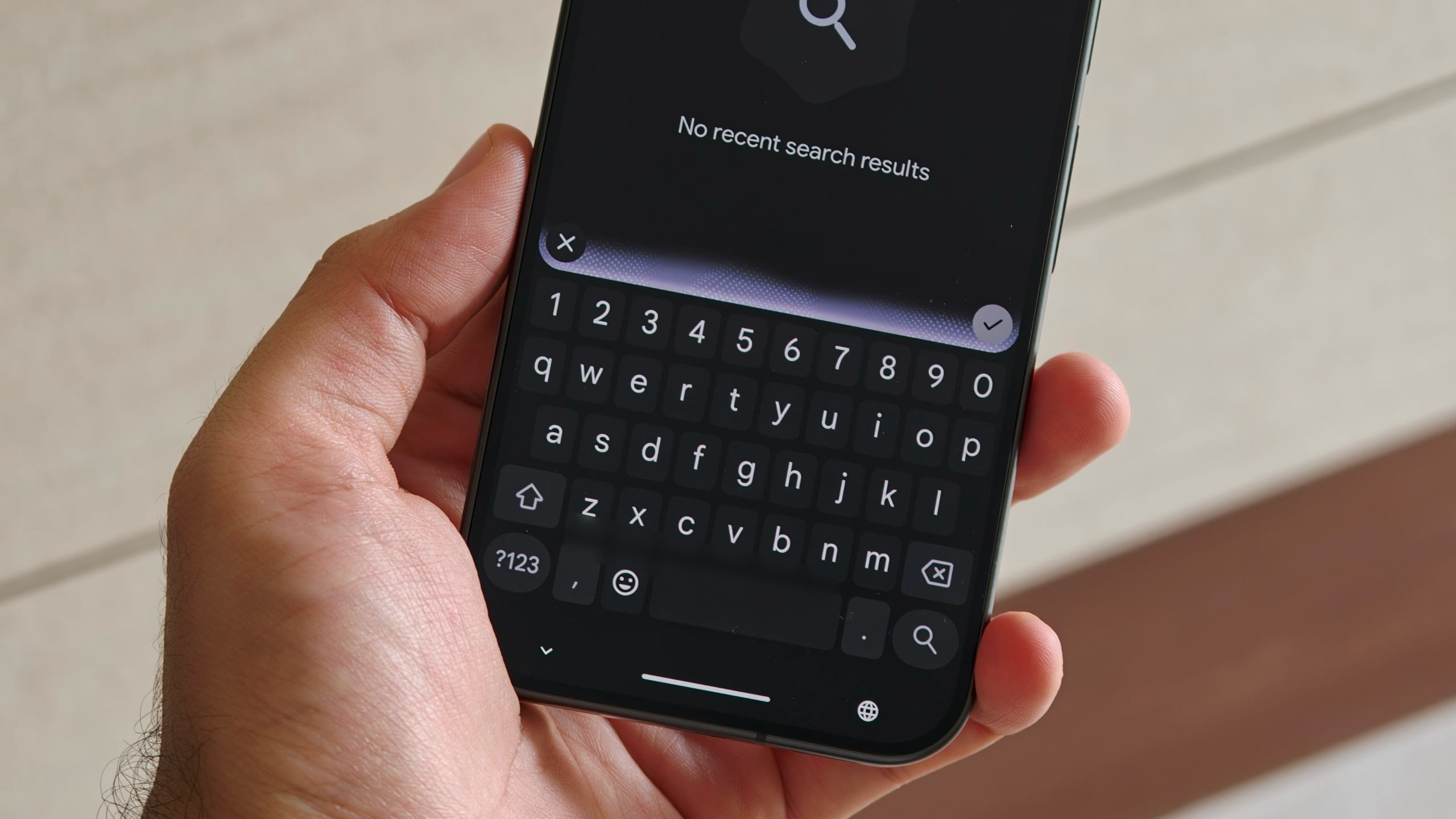
In a significant win for owners of older hardware, Google’s comprehensive Pixel Search experience is no longer restricted to the most recent releases. The update extends universal search capabilities down to the Pixel 6 series and subsequent generations. Users can now execute deep systemic searches across local applications, text messages, photo libraries, email threads, and device settings from a single, unified search bar. This inclusion underscores Google’s commitment to maintaining a robust software support window, ensuring that users holding onto older devices retain access to high-utility organizational tools.
Exclusive Upgrades for the Pixel 11 Series
While older flagships receive substantial upgrades, Google has reserved a select tier of enhancements exclusively for its current-generation Pixel 11 and Pixel 11 Pro devices.
Foremost among these is an upgrade to Call Screen, now deeply integrated with Gemini. The AI assistant can now conduct fluid, natural-sounding conversations with unknown callers on behalf of the user, filtering out potential spam or scheduling inquiries while generating a real-time, scrolling transcript of the dialogue on the device screen.
Additionally, the Pixel 11 Pro series receives functional enhancements to its HiLight notification feature. HiLight can now dynamically illuminate the device frame upon receiving incoming Google Messages notifications. However, technical limitations remain a point of discussion among power users, as third-party messaging platforms—such as WhatsApp and Telegram—are not yet supported by the native hardware lighting feature.
Ecosystem Expansion: The Arrival of Pixel Tag
Beyond software upgrades, the November release coincides with the broader retail availability of the Pixel Tag, a hardware accessory initially teased alongside the Pixel 11 lineup in August. Priced individually at $29.99 or packaged in a discounted four-pack for $99.99, the tracker represents Google’s direct entry into the competitive item-locating market.
The Pixel Tag leverages Google’s upgraded Find Hub network, utilizing ultra-wideband (UWB) technology to deliver precise, directional tracking capabilities. By tapping into the vast network of active Android devices worldwide, the tag aims to provide reliable location reporting for lost luggage, keys, and valuables, competing directly with established ecosystems from Apple and Tile.
Market Implications and Industry Outlook
The release of the November Pixel Drop arrives at a critical juncture for the mobile industry, where hardware differentiation has increasingly shifted from raw processing power to software-driven artificial intelligence. By continuously updating legacy devices with features once touted as generational exclusives, Google is attempting to build stronger brand loyalty and mitigate the upgrade fatigue currently affecting the global smartphone market.
Industry analysts suggest that this strategy could pay dividends by lowering consumer friction points. When users realize their existing devices—such as the Pixel 10—gain tangible utility through software updates rather than forced hardware replacements, brand retention typically increases. Conversely, reserving elite features like Gemini-powered Call Screen exclusively for the Pixel 11 maintains a clear incentive for early adopters looking for cutting-edge advancements.
As the over-the-air (OTA) updates continue to propagate across global markets over the coming weeks, the success of this Pixel Drop will ultimately be measured by system stability, battery efficiency, and how seamlessly these complex AI workflows operate on slightly older silicon. For now, Google continues to set a high benchmark for post-purchase software support in the Android ecosystem.