The Evolution of the Lens: How Humanity’s Obsession with Depicting Life Shaped Our Understanding of Nature

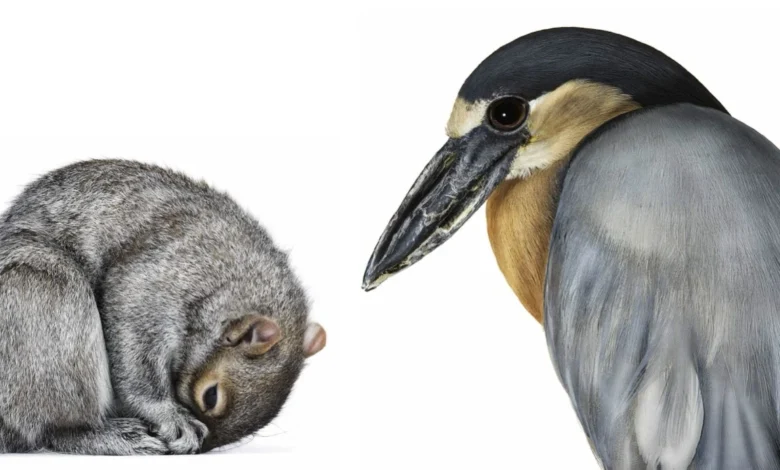
For as long as humans have possessed the cognitive capacity to translate the external world into tangible form, we have been obsessed with capturing the likeness of other living beings. This impulse to document, classify, and preserve the natural world has evolved from the charcoal strokes of Paleolithic artists to the hyper-resolved digital imagery of the 21st century. As chronicled in Andrew Zuckerman’s forthcoming work, United Nature, this trajectory of visual history is not merely a record of aesthetics, but a chronicle of our shifting relationship with the biosphere.
A Chronology of Natural Representation
The human drive to document non-human life predates written language by tens of thousands of years. The archaeological record reveals that our earliest artistic expressions were predominantly zoomorphic. In the Chauvet Cave of France, dated to approximately 36,000 to 40,000 years ago, early humans utilized the natural contours of limestone walls to give life to lions, rhinoceroses, and mammoths. These were not mere sketches; they were sophisticated anatomical studies that acknowledged the animal’s presence within the environment.
This tradition continued through the Lascaux cave paintings, where artists demonstrated an advanced understanding of perspective and motion. As civilization transitioned into the historical era, the representation of animals became symbolic. In Ancient Egypt, species such as cats and jackals were imbued with divine significance, serving as intermediaries between the physical realm and the afterlife. By the Middle Ages, flora and fauna were frequently utilized as visual shorthand for human virtues and vices in illuminated manuscripts.
The Enlightenment ushered in a period of empirical observation, characterized by the rigorous scientific illustrations of figures like John James Audubon. His The Birds of America set a new benchmark for natural history, emphasizing life-size accuracy and exquisite detail—a precursor to the modern biological field guide.
The Photographic Rupture
The emergence of photography in the 19th century fundamentally altered the human-nature dynamic. Prior to the camera, every image of the natural world was mediated by the subjective hand of an artist. The invention of the cyanotype by Anna Atkins in 1843 marked a critical turning point. By placing botanical specimens directly onto chemically treated paper exposed to sunlight, Atkins bypassed the artist’s pencil entirely. In this process, the plant effectively became its own illustrator.
William Henry Fox Talbot further codified this shift with his 1844 work, The Pencil of Nature. By utilizing calotypes—the first negative-positive photographic process—Talbot introduced the public to the idea that light itself, rather than human interpretation, could serve as the primary author of an image. This period coincided with the 1859 publication of Charles Darwin’s On the Origin of Species, which repositioned life as a fluid, adaptive process. Photography emerged as the perfect tool to capture this fluidity, moving away from static symbols toward a documentation of the living, changing world.
Technological Expansion and the Global Perspective
As photography evolved into the 20th century, the technical barriers between human observation and the natural world continued to diminish. Wildlife pioneers like Cherry Kearton developed specialized blinds and camouflage to capture animals in their natural habitats, effectively inventing the genre of wildlife photography. The subsequent development of cinematography, championed by explorers like Jacques Cousteau, brought the inaccessible depths of the ocean into the domestic sphere, fostering a global empathy for ecosystems that most individuals would never witness in person.
The mid-20th century provided perhaps the most significant shift in human perspective: the view from space. In the late 1960s, the lobbying efforts of Stewart Brand and the release of NASA’s first high-resolution photographs of Earth from orbit fundamentally changed the environmental discourse. Seeing the planet as a solitary, borderless organism in the vast void of space catalyzed the modern environmental movement and shifted scientific focus toward systems theory and ecology.
Data-Driven Observation and Contemporary Implications
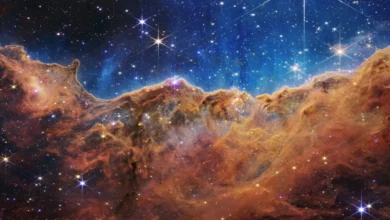
In the current era, our ability to document the natural world has reached a state of hyper-connectivity. Satellite imagery now allows for the real-time observation of glacial retreat, deforestation, and atmospheric shifts, providing the empirical data necessary for climate modeling. Simultaneously, advancements in microscopic and telescopic imaging have expanded our field of vision to the cellular and cosmic scales, allowing us to witness processes that were previously invisible to the human eye.
Modern technology has transformed the camera into a diagnostic tool. According to recent data from environmental monitoring agencies, the use of automated remote-sensing photography—often triggered by motion or heat—has become the primary method for tracking biodiversity in remote ecosystems. This reliance on non-invasive imagery has reduced human interference in fragile habitats, allowing for more accurate population censuses of endangered species.
The Philosophy of the Frame: Presenting the "Other"
As photography has transitioned from a scientific curiosity to a pervasive medium of communication, the ethics of framing have become increasingly critical. In United Nature, Zuckerman argues that the act of framing is never neutral; it is an editorial decision that dictates which subjects are granted visibility and how they are perceived by the audience.
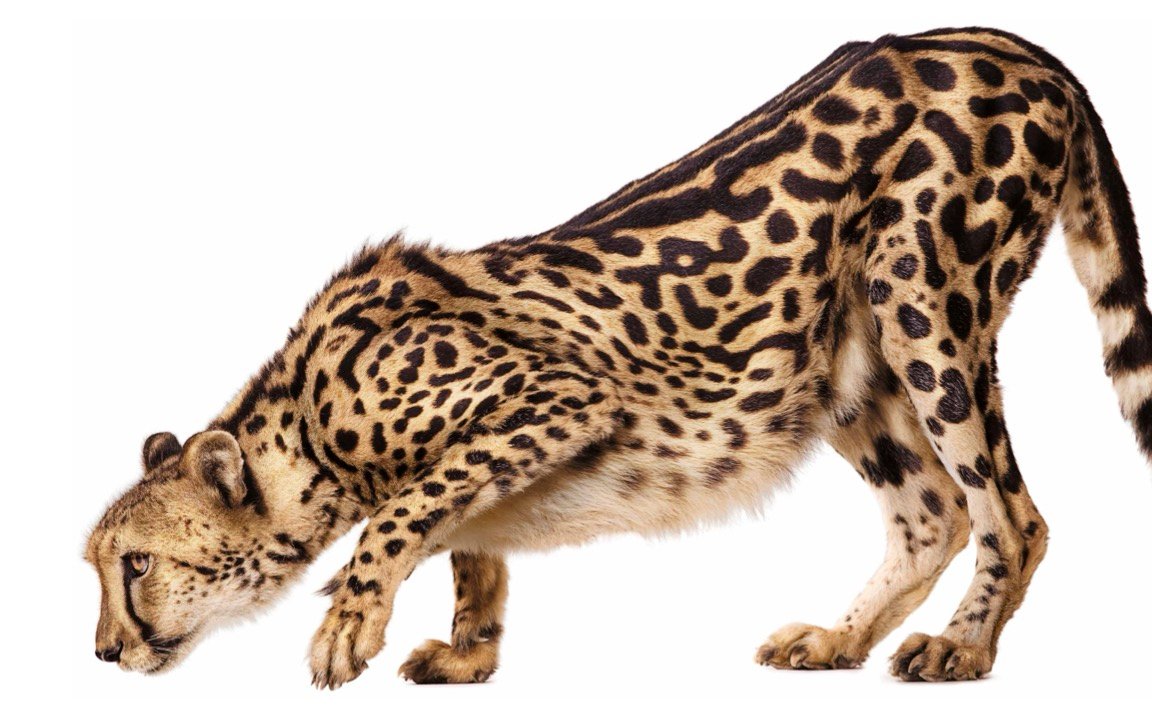
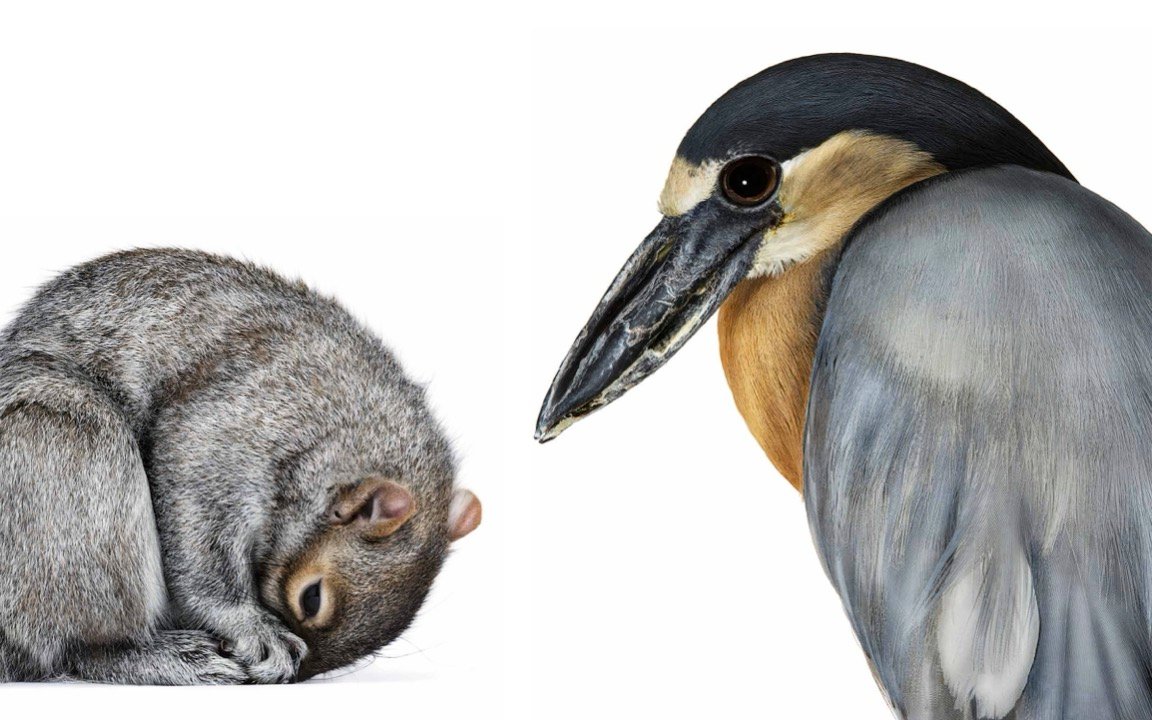
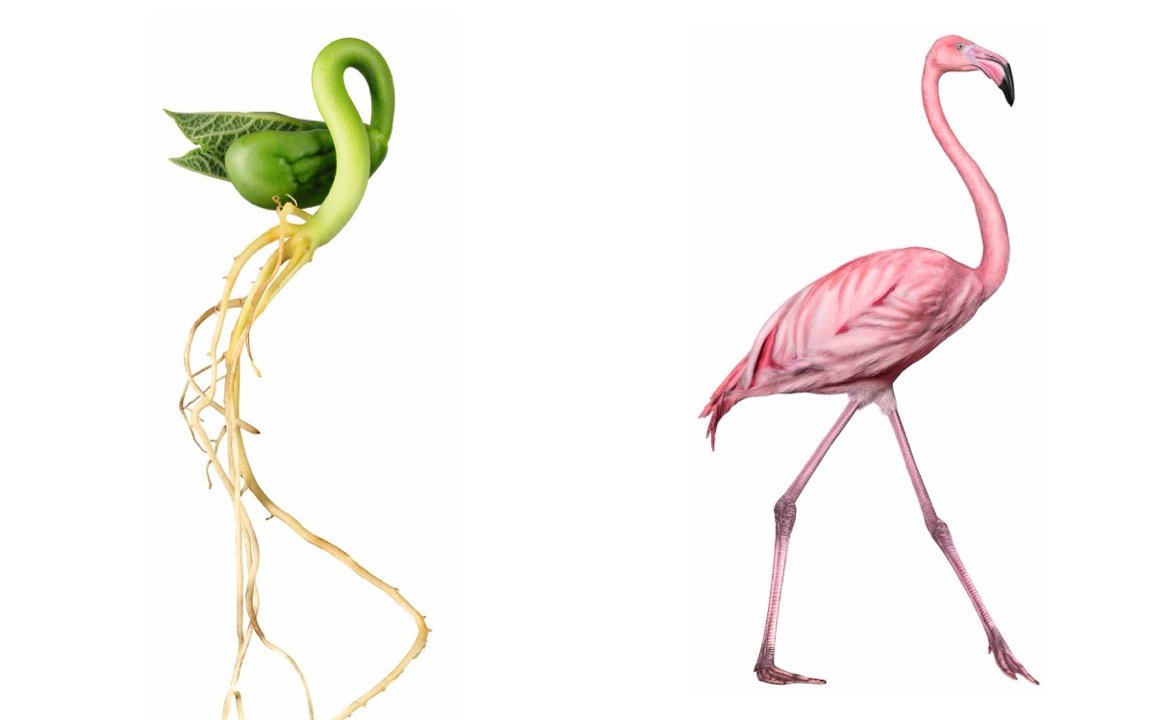
The use of a sterile, white background—a technique frequently employed in contemporary high-fidelity animal portraiture—serves a specific functional purpose. By removing the context of the environment, the image forces a direct encounter between the subject and the observer. This approach attempts to strip away the "figure-ground" distinction, creating a shared plane of existence that invites the viewer to acknowledge the subject as a sentient entity rather than a component of a landscape.
This method aligns with emerging psychological research on "pre-conceptual perception," suggesting that when viewers are presented with a subject in a neutral space, they are more likely to engage with the subject’s individual presence before imposing their own cultural or anthropocentric narratives onto the image.
Broader Impact and Future Outlook
The history of natural imagery serves as a testament to our ongoing attempt to bridge the gap between ourselves and the non-human world. From the cave wall to the high-resolution digital sensor, these images serve as conduits for empathy and understanding.
As noted by environmental sociologists, the proliferation of high-quality, accessible imagery of the natural world has been a primary driver of public policy changes. When the public can see the granular detail of a dying reef or the intricate mechanics of an insect’s flight, the abstract concepts of biodiversity and climate change become tangible.
However, this visual saturation also presents a challenge. As we become increasingly reliant on images to understand the world, there is a risk of losing the capacity for direct, unmediated observation. The "frame" that allows us to focus our attention also serves as a boundary. The challenge for the future, as suggested by the evolution of these technologies, is to ensure that our tools of documentation continue to facilitate a deeper, more profound connection to the living world rather than serving as a replacement for it.
The trajectory from the Chauvet caves to the digital age suggests that our desire to understand our place in the web of life is an inherent human trait. As we continue to refine our tools—from advanced microscopy to global-scale satellite monitoring—we are essentially engaged in a long-term project of self-definition. By documenting the "other," we are, by necessity, documenting ourselves and our own role as stewards of a complex, evolving planet. The images of today do not merely record what is here; they serve as an invitation to consider our responsibility within the larger, fragile weave of existence.