Florida Students to Engage in Live Earth-to-Space STEM Call with International Space Station Astronauts

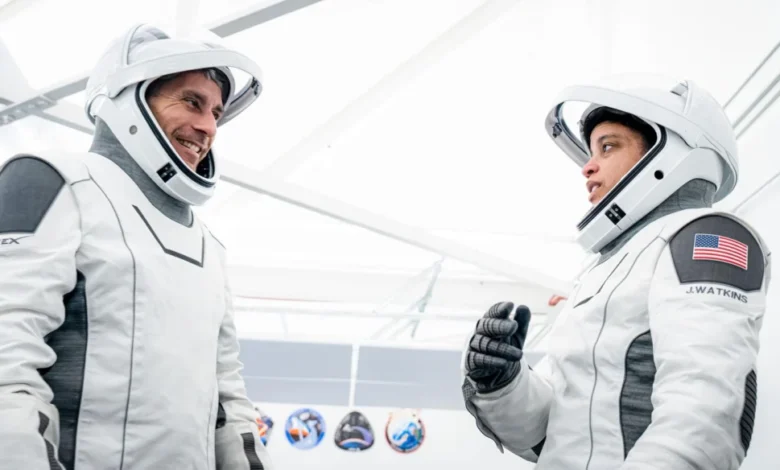
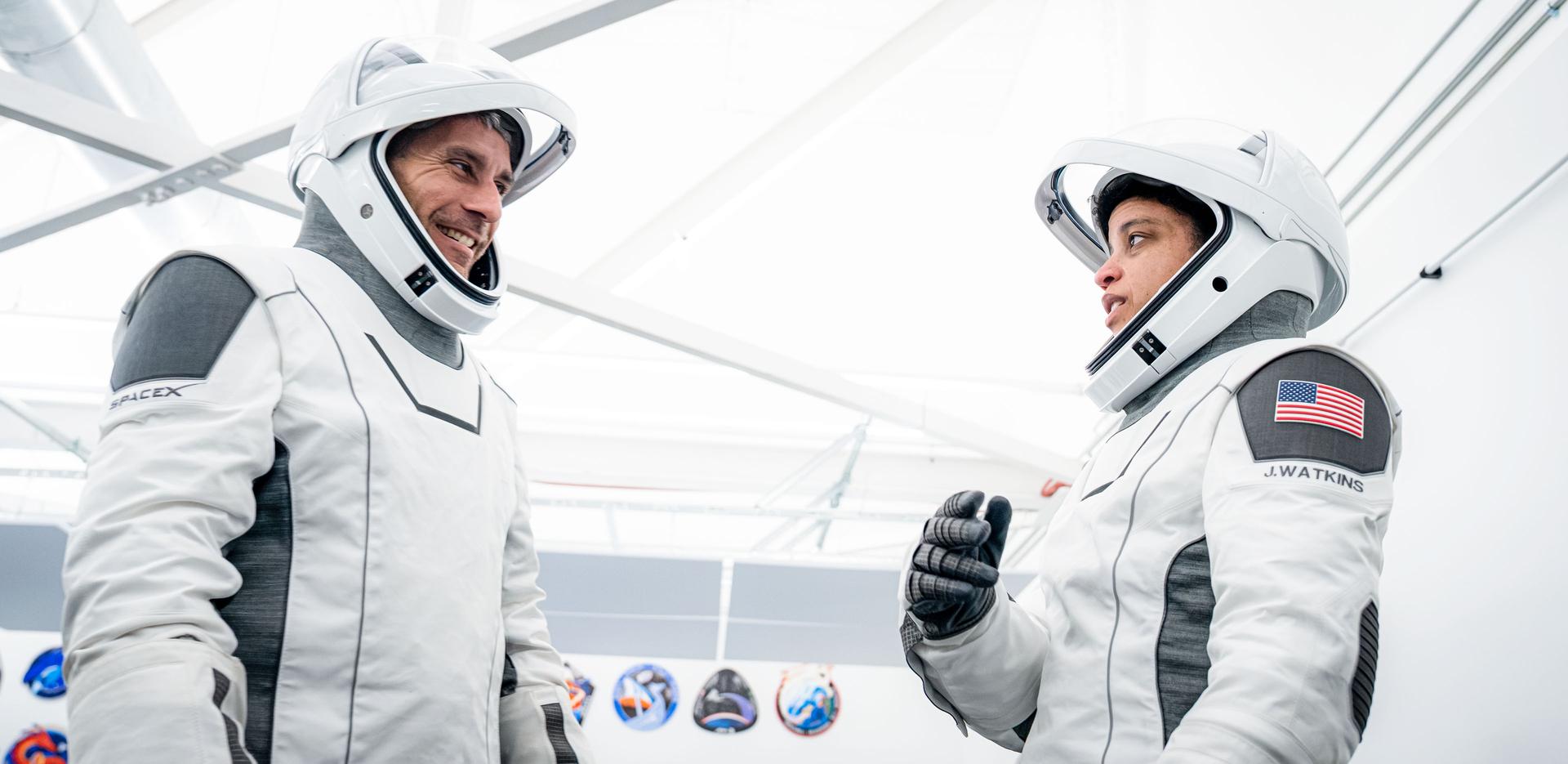
The intersection of classroom education and orbital research will manifest in a high-stakes demonstration of modern connectivity on Tuesday, Nov. 10, when students at Freedom Crossing Academy in St. Johns, Florida, participate in a live downlink with the International Space Station (ISS). NASA astronauts Jessica Watkins and Luke Delaney are scheduled to field a series of prerecorded questions from K-12 students, marking a significant milestone in the agency’s ongoing mission to foster the next generation of scientists, engineers, and explorers. The event, which begins at 10:40 a.m. EST, will be broadcast globally via the Learn With NASA YouTube channel, providing a public window into the collaborative nature of space-based education.
The Mechanics of the Earth-to-Space Connection
The logistical framework required to facilitate a conversation between a school auditorium in St. Johns and an orbital laboratory traveling at 17,500 miles per hour is a testament to the sophistication of NASA’s Tracking and Data Relay Satellite (TDRS) system. This network acts as the invisible tether between the ISS and ground stations, ensuring that high-definition video and audio signals can be transmitted with minimal latency.
For the students at Freedom Crossing Academy, the exercise serves as more than a simple Q&A session. It is a practical application of the STEM (Science, Technology, Engineering, and Mathematics) curriculum they engage with daily. By viewing the astronauts in their microgravity environment, students gain a visceral understanding of the physics that dictate orbital mechanics and the biological adaptations required for human life in space. The prerecorded nature of the questions ensures a curated dialogue that maximizes the educational impact, allowing the astronauts to provide detailed, scientific explanations tailored to the students’ grade levels.
Institutional Background: The ISS as a Classroom
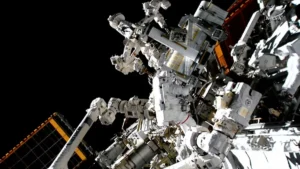
The International Space Station has served as a permanent human presence in low Earth orbit for more than 26 years. Since the launch of the Zarya module in 1998, the station has evolved from a fledgling assembly of hardware into a fully functional, world-class laboratory. While the station’s primary objective remains the pursuit of scientific breakthroughs—ranging from pharmaceutical development to climate monitoring—it has increasingly become an essential platform for educational outreach.
NASA’s "STEM on Station" initiative is a strategic effort to bridge the gap between complex aerospace research and the foundational concepts taught in public schools. By engaging directly with active flight crews, students are exposed to the reality of the "space economy," a growing sector that includes commercial cargo delivery, private spaceflight, and the development of new materials in microgravity. This exposure is critical; as NASA looks toward the Artemis program—which aims to return humans to the Moon and eventually establish a presence on Mars—the demand for a workforce skilled in advanced aerospace disciplines is at an all-time high.
Chronology of the Mission and Educational Outreach
The upcoming call is the culmination of months of coordination between NASA’s Office of STEM Engagement and the St. Johns County School District. The planning phase began in early 2026, involving the selection of student inquiries that cover a broad spectrum of topics, including life support systems, botanical experiments in space, and the physiological impact of long-duration spaceflight.
- September 2026: Initial outreach and curriculum integration at Freedom Crossing Academy, focusing on the basics of orbital physics and the history of the ISS.
- October 2026: Student submission of prerecorded questions; technical rehearsals with NASA ground control teams to ensure signal stability.
- Nov. 9, 2026: Deadline for media accreditation and final technical verification of the uplink equipment.
- Nov. 10, 2026 (10:40 a.m. EST): The live downlink event, broadcast to an international audience via YouTube.
The Strategic Importance of Human Spaceflight
The significance of this event extends beyond the individual experience of the students. It represents a broader commitment by NASA to maintain public interest in the agency’s long-term objectives. Data from the National Science Foundation indicates that student interest in STEM careers often plateaus during the middle school years. By providing high-visibility events that feature relatable role models like astronauts Watkins and Delaney, NASA attempts to counter this trend by showcasing the tangible, human element of scientific discovery.
Furthermore, the research conducted on the ISS continues to provide the data necessary for the transition to deep-space exploration. The station acts as a testbed for life support systems that will be required for the Artemis missions. Every hour of exercise performed by an astronaut, every sample of water recycled, and every interaction with the station’s atmospheric monitoring systems contributes to a massive database that informs the design of the next generation of spacecraft.
Official Perspective and Community Impact
"Events of this nature are transformative," noted a spokesperson familiar with the planning of the Florida event. "When a student hears an answer to their specific question from someone living 250 miles above the Earth, the abstract concepts in a textbook become tangible. It is no longer just physics; it is a future reality."
The involvement of the local community in St. Johns, Florida, is equally important. Freedom Crossing Academy has positioned itself as a hub for scientific curiosity, leveraging the NASA connection to engage parents and local stakeholders in the importance of STEM funding and education. By opening the event to the community, the school aims to create a ripple effect, encouraging adults to take a renewed interest in the space sector and its economic benefits to the state of Florida, which remains a primary nexus for American aerospace activity.
Broader Implications for the Future of Space Education
The implications of these educational downlinks are multifaceted. As the commercial sector expands—with companies like Axiom Space and Blue Origin developing their own orbital platforms—the need for a pipeline of talent is more pressing than ever. NASA’s role is shifting toward that of a facilitator, providing the expertise and the platform to inspire the next generation while maintaining the rigors of scientific research.
The transition toward commercialization in low Earth orbit (LEO) means that future students may not just be watching astronauts; they may be working with them in a professional capacity. The questions asked by the students in Florida, ranging from the technical aspects of space station maintenance to the personal challenges of living in isolation, reflect an evolving understanding of what it means to be a modern explorer.
Technical Requirements and Media Logistics
For media outlets interested in covering this event, the process is highly structured to ensure the integrity of the live broadcast. Media representatives must RSVP to Christina Upchurch of the St. Johns County School District by 5 p.m. EST on Monday, Nov. 9. This protocol is not merely administrative; it ensures that the physical space at the academy is managed appropriately and that technical personnel are prepared to handle the bandwidth requirements of a high-definition, two-way, or one-way video feed.
The reliance on digital streaming platforms like YouTube for the broadcast of this event highlights the democratization of space news. Where once such events might have been restricted to closed-circuit television or limited press pools, the agency’s "Learn With NASA" channel ensures that anyone with an internet connection can participate in the experience. This aligns with the agency’s transparency initiatives, which seek to make the findings and the daily operations of the ISS accessible to the global public.
Conclusion: A Legacy of Inspiration
As the countdown to the Nov. 10 event begins, the students at Freedom Crossing Academy are preparing to participate in a tradition that links the classrooms of today with the space stations of tomorrow. The session with Watkins and Delaney is not an isolated incident but a vital part of a broader, sustained effort to maintain the momentum of the American space program. By demystifying the life of an astronaut and bringing the complexities of orbital science down to Earth, NASA continues to invest in the most valuable resource available: the curiosity of the next generation. Whether these students ultimately pursue careers in aerospace, medicine, or the arts, the experience of connecting with the ISS serves as a permanent reminder of what can be achieved through rigorous inquiry, collaborative technology, and a shared vision for the future of human exploration.
Related posts: