Apple Executive Explains Why the New OLED iPad Mini Omits ProMotion and 120Hz Support

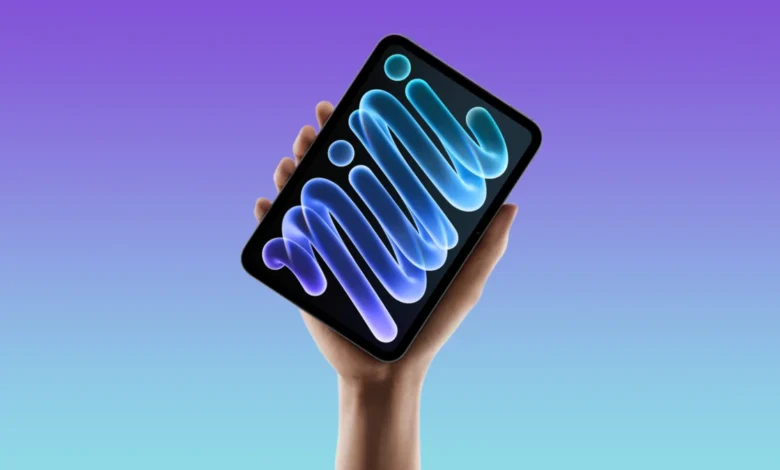
Apple’s recent unveiling of the redesigned iPad mini has generated significant consumer enthusiasm, largely due to its transition to an advanced OLED display panel. However, the device’s omission of ProMotion technology—which would enable a high refresh rate of up to 120Hz—has sparked considerable technical discussion among industry analysts and power users. While the newly announced compact tablet brings a host of upgrades, including the powerful A20 Pro chip, a thinner chassis, and robust structural enhancements, the display remains capped at a standard 60Hz refresh rate. In response to the growing discourse surrounding this specification, Apple executive David Pakula has stepped forward to shed light on the engineering decisions behind the display’s capabilities, emphasizing that raw refresh rate metrics do not fully capture the qualitative advancements of the new hardware.
The debate over high refresh rates in mobile technology has been a focal point for consumers accustomed to premium tier smartphones and tablets. ProMotion, a proprietary Apple technology first introduced to the iPad Pro lineup, allows the screen’s refresh rate to dynamically scale between 10Hz and 120Hz. This capability ensures that fast-moving animations, gaming elements, and scrolling actions appear exceptionally fluid while preserving battery life during static tasks. Despite the transition from traditional Liquid Crystal Display (LCD) technology to Organic Light-Emitting Diode (OLED) panels on the latest iPad mini, Apple has chosen to reserve the 120Hz feature exclusively for its Pro-tier hardware ecosystem, leaving the compact entry with a standard 60Hz limitation.
Addressing the Design Philosophy Behind the Display
During a detailed interview with prominent technology creator and podcaster Christopher Lawley, Apple’s Vice President of Hardware Design, David Pakula, addressed the technical nuances of the device’s screen. Rather than focusing on the absence of ProMotion, Pakula directed attention toward a fundamental hardware advantage inherent to OLED panels: pixel response time. According to Pakula, the physical characteristics of the new display architecture fundamentally alter how motion is perceived by the human eye, mitigating traditional visual artifacts even at a 60Hz refresh rate.
"Display experience is about more than just a single spec," Pakula stated during the discussion. Highlighting the physical transformation brought by the shift from liquid crystals to organic light-emitting diodes, he noted that the new screen possesses pixel response times that are more than an order of magnitude faster than its LCD predecessor. This drastic reduction in the time it takes for individual pixels to shift states effectively curtails motion blur, a common visual distraction on traditional panels. "When you pair that with the other things that I mentioned, the contrast, the brightness, and the color, this is just a killer display," Pakula added, defending the engineering balance achieved in the new device.
Comprehensive Display Specifications and Visual Enhancements
Beyond pixel response metrics, the transition to OLED brings a transformative leap in overall display fidelity for the iPad mini product line. Apple’s official technical documentation outlines substantial performance gains across multiple optical parameters. The new iteration achieves a maximum standard brightness of 600 nits, representing a notable twenty percent increase over the 500-nit threshold of the previous generation. Furthermore, when consuming High Dynamic Range (HDR) content, the panel is capable of surging up to 1,200 nits of peak brightness, delivering punchy highlights in media consumption.
Because OLED technology relies on self-illuminating pixels rather than a generalized backlighting grid, it eliminates the phenomenon of light bleeding and enables true black levels. This architectural shift yields an astronomical contrast ratio of 2,000,000:1, allowing dark scenes in films and games to render with absolute depth and realism. The screen retains a sharp pixel density of 326 pixels per inch alongside wide color support mapped to the P3 color space, ensuring that color-accurate workflows for photographers and graphic designers remain viable on the ultra-portable form factor.
A Comprehensive Hardware Overhaul
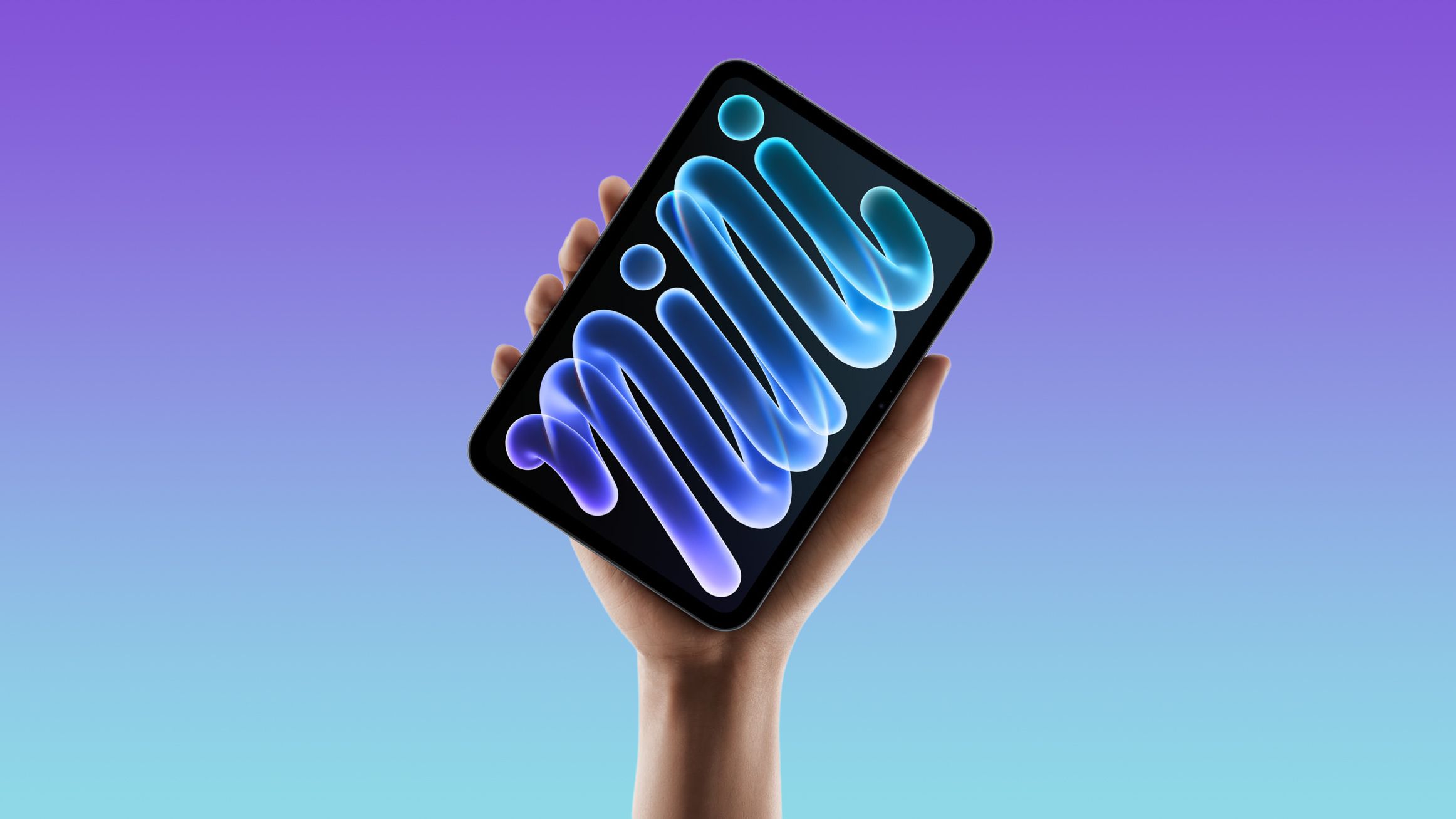
The introduction of the OLED panel is just one component of a broader, generational redesign for Apple’s smallest tablet form factor. Released alongside a wave of autumn hardware announcements, the new iPad mini incorporates an expanded 8.5-inch viewing area within a slightly revised physical footprint. The device is powered by the cutting-edge A20 Pro chip, a silicon architecture designed to handle intensive computational tasks, advanced graphics pipelines, and localized machine learning operations with enhanced thermal efficiency.
Durability and connectivity have also received major modernizations. The tablet features an IP67 rating for water and dust resistance, marking a first for the mini lineup. Audio reproduction has been revolutionized through the adoption of an Acoustic Display system that entirely eliminates traditional speaker grilles, utilizing the structural components of the device to project sound. Additionally, the integration of Apple’s custom N1 networking chip introduces support for Wi-Fi 7 and Bluetooth 6 standards, ensuring rapid local network connectivity and low-latency peripheral pairing. The front-facing camera has been repositioned to the landscape edge, optimizing the hardware for video conferencing and media creation in horizontal orientations.
Market Context and Release Timeline
The rollout of the latest iPad mini follows a rigorous product cadence mapped out by Apple through the late autumn months of 2026. Speculation regarding an aggressive hardware refresh cycle intensified in early October, when supply chain reports and media briefings indicated that Apple was preparing a coordinated debut of several flagship devices. Initial product announcements in mid-October centered on smart home infrastructure, a revamped Apple TV 4K, and a refreshed HomePod mini, setting the stage for the subsequent introduction of M6-powered MacBooks and the highly anticipated OLED iPad mini.
Media invitations were dispatched in late October for an exclusive product launch experience held in Los Angeles, where industry analysts and journalists received hands-on demonstrations of the new hardware ecosystem. Pre-orders for the eighth-generation iPad mini commenced immediately following the official announcements, with baseline U.S. pricing established at $699 for the entry-level configuration. Consumer shipments and retail availability are scheduled to begin globally on Friday, November 6.
Industry Implications of the 120Hz Segmentation
The decision to omit 120Hz support from a device positioned at a $699 price point has triggered broader debates within the consumer electronics community regarding feature tiering. As competing manufacturers increasingly equip mid-range and budget-oriented tablets with high refresh rate panels, Apple’s continued enforcement of a strict boundary between standard and Pro models remains a defining strategy. For the Cupertino-based company, reserving ProMotion for devices bearing the "Pro" moniker maintains a distinct hierarchy that incentivizes upgrades to the more expensive iPad Pro lineup for users who prioritize buttery-smooth scrolling and professional creative workflows.
Nevertheless, market analysts suggest that the inclusion of an OLED panel—with its inherent contrast and response time advantages—may sufficiently offset the lack of a high refresh rate for the average consumer. While power users and mobile gaming enthusiasts accustomed to 120Hz displays may view the omission as a missed opportunity, the visual upgrade delivered by deep blacks, vibrant P3 color, and reduced motion blur represents a substantial generational leap over legacy LCD technology. As the device reaches retail shelves, consumer reception will ultimately dictate whether the absence of ProMotion impacts adoption rates among prospective buyers looking for a premium small-format computing solution.
Related posts: