Catching Zs and Pocket Monsters: How the Fitbit Air Pokémon Sleep Edition Bridges Health Tracking and Gaming

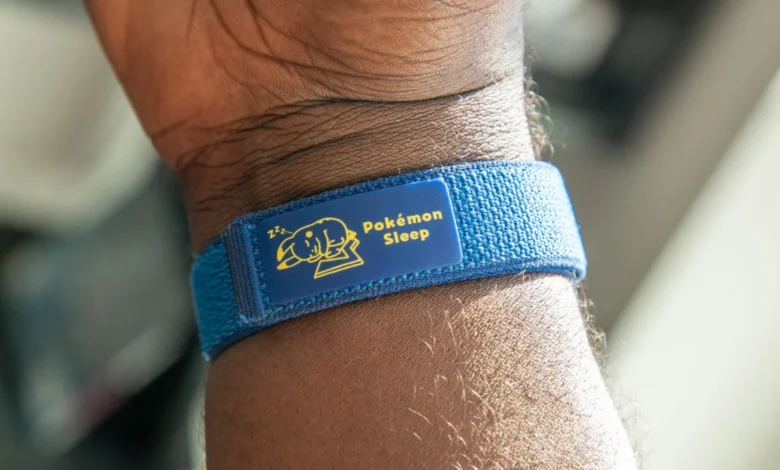
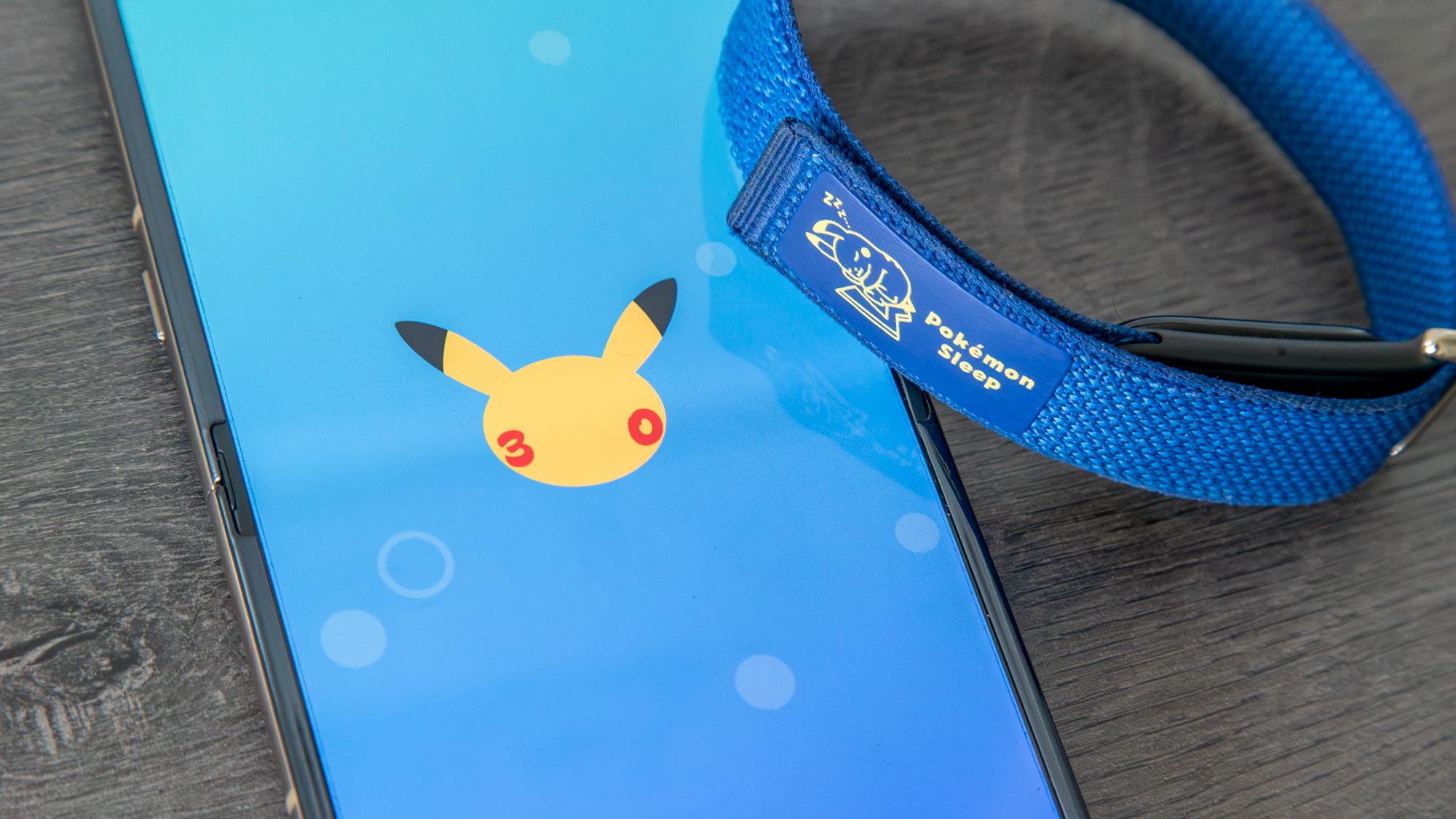
The intersection of consumer health technology and digital entertainment reached a new milestone as Google released the Pokémon Sleep edition of the Fitbit Air, timing the launch to coincide with the broader 30th-anniversary celebration of the global Pokémon franchise. Priced at $129 and currently available through the Google Store, this specialized wearable is engineered to interface directly with the popular Pokémon Sleep application, turning nocturnal rest into an interactive gaming experience. For years, sleep trackers have been marketed primarily through clinical metrics—rem sleep stages, heart rate variability, and blood oxygen levels. However, this collaboration reflects a growing industry trend toward gamification, designed to encourage consistent sleeping habits by tying biological data directly to virtual rewards.
Background and Context of Pokémon Sleep
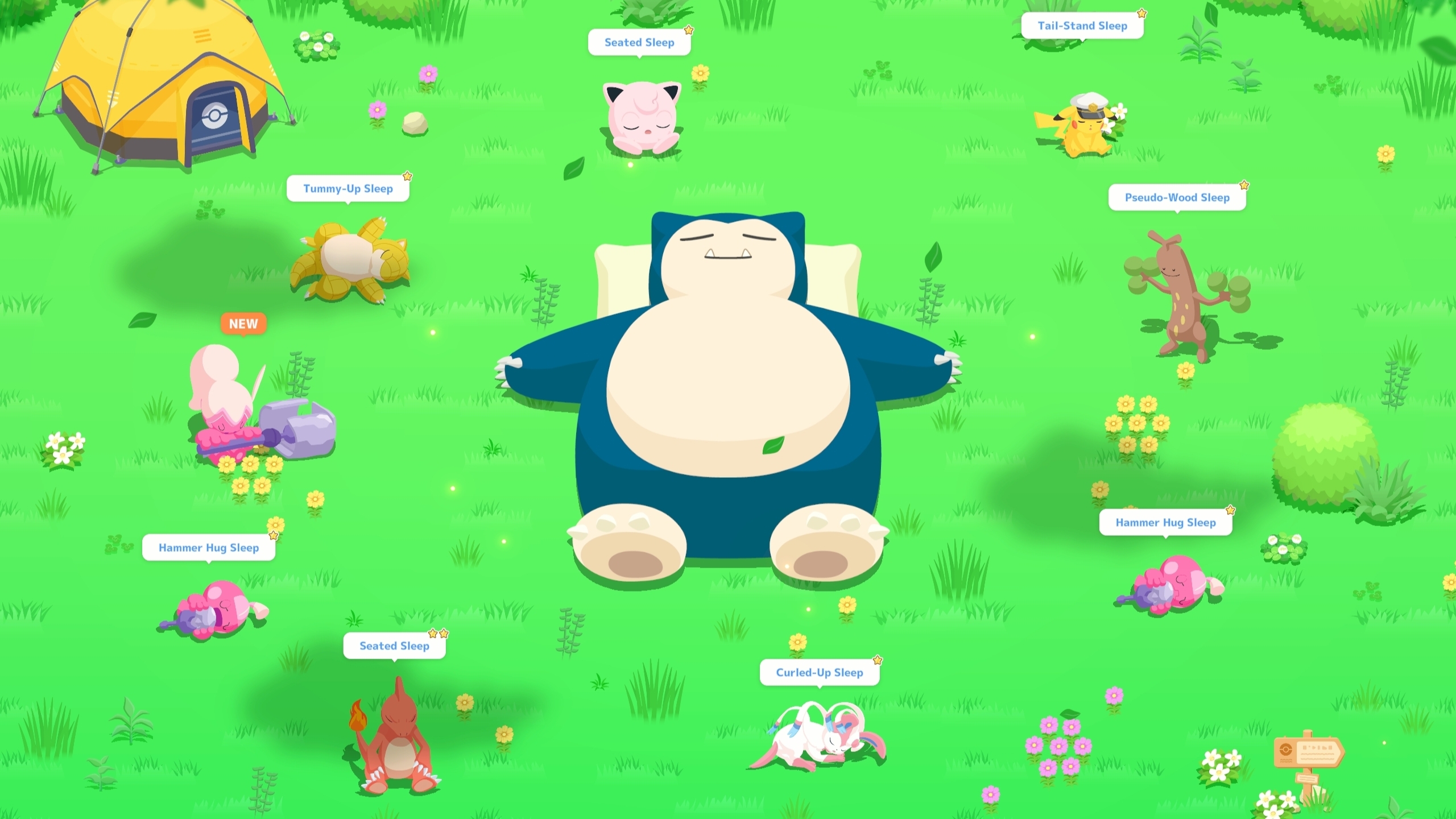
Launched initially by The Pokémon Company, Pokémon Sleep was developed as a lifestyle mobile application aimed at transforming nightly routines into a mobile game. When the application first debuted, industry analysts and traditional fitness enthusiasts questioned its utility, given the saturated market of established health-monitoring platforms. The core mechanic revolves around a virtual Snorlax that rests and feeds in a digital environment, attracting various wild Pokémon based on the user’s sleep duration and consistency. As players log more hours, their "Drowsy Power" increases, paving the way for rarer Pokémon species and unique sleep postures to appear each morning.
Despite initial skepticism from users accustomed to traditional fitness ecosystems, the application successfully cultivated a dedicated user base over its multi-year operational lifespan. By integrating with health platforms like Google Health, Samsung Health, and Garmin Connect, the software bridges the gap between passive health monitoring and active daily engagement. The introduction of dedicated hardware, such as the Pokémon Sleep edition of the Fitbit Air, signals a strategic effort by tech and gaming conglomerates to capture consumers who might otherwise neglect routine sleep tracking.
Design Specifications and Hardware Integration
Weighing approximately 12 grams with its band attached, the Fitbit Air is positioned as one of the lightest sleep-tracking wearables available on the market. Traditional smartwatches and comprehensive health rings often present ergonomic challenges during sleep, occasionally causing discomfort due to bulkiness, sharp edges, or accidental button presses. The Fitbit Air mitigates these issues through a minimalist form factor that users can wear continuously without physical irritation.
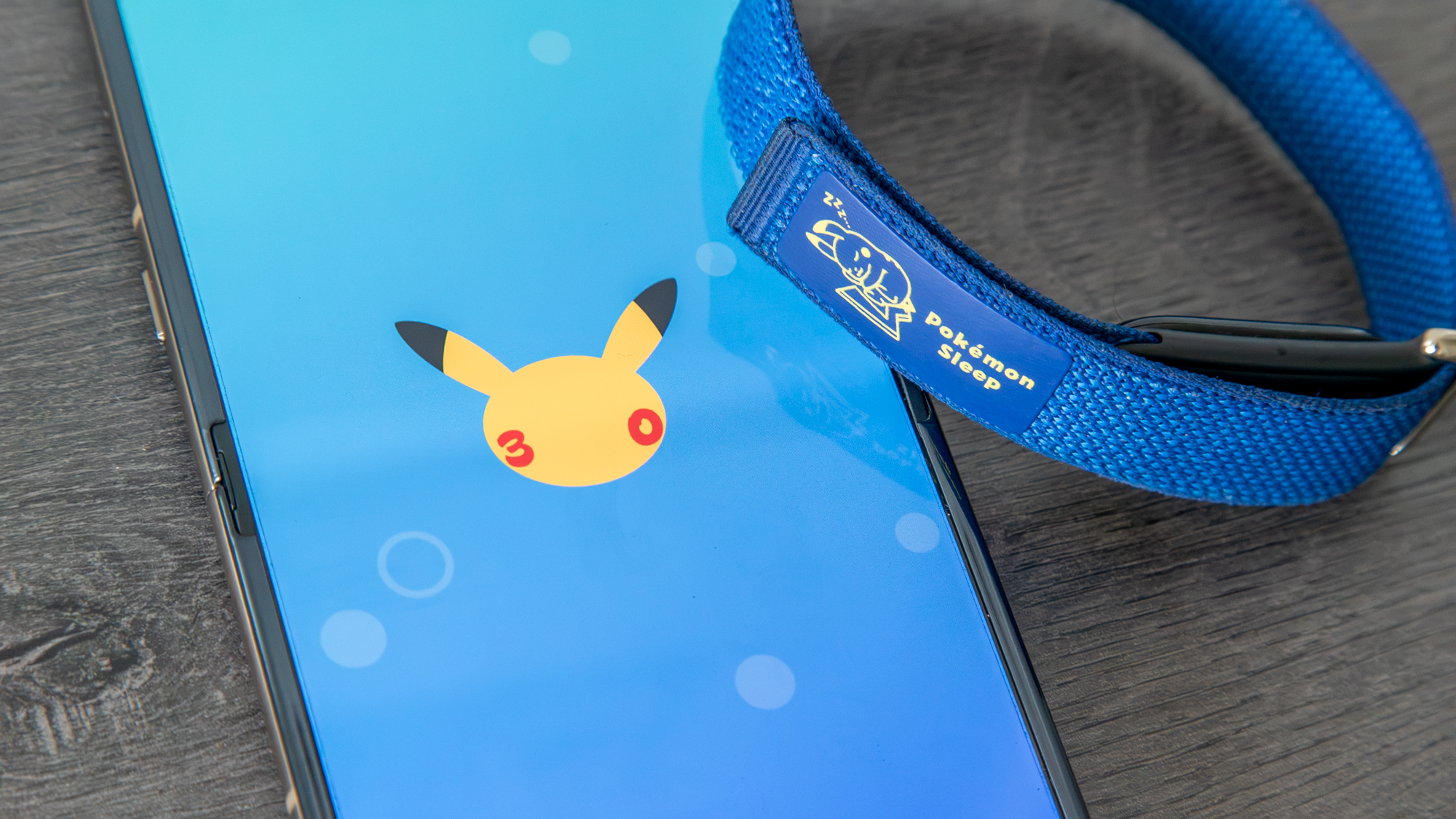
The Special Edition variant features a deep blue strap adorned with a subtle motif of a sleeping Pikachu, honoring the aesthetic preferences of franchise fans while maintaining a sleek, understated appearance. Beneath the themed exterior, the device functions as a robust health and fitness tracker. Battery performance remains a primary selling point for the hardware, offering up to a full week of continuous operation on a single charge. This extended battery life removes the operational friction of daily recharging routines, ensuring that users do not inadvertently miss tracking data due to a drained battery.
In comparative evaluations against established fitness hardware—such as dedicated smartwatches and smart rings—the Fitbit Air demonstrates reliable parity regarding sleep duration, sleep stages, and overall recovery metrics. While it doubles as a comprehensive fitness tracker for daytime activities, its primary architectural advantage lies in its specialized nocturnal comfort.
Chronology of Software Setup and Ecosystem Compatibility
Integrating the Fitbit Air with the Pokémon Sleep application involves a straightforward configuration process through Google Health and Health Connect. Users configuring a new profile select Google Health as their primary data source during initial onboarding. For existing users transitioning from alternative hardware ecosystems, the integration requires navigating the application’s user interface:
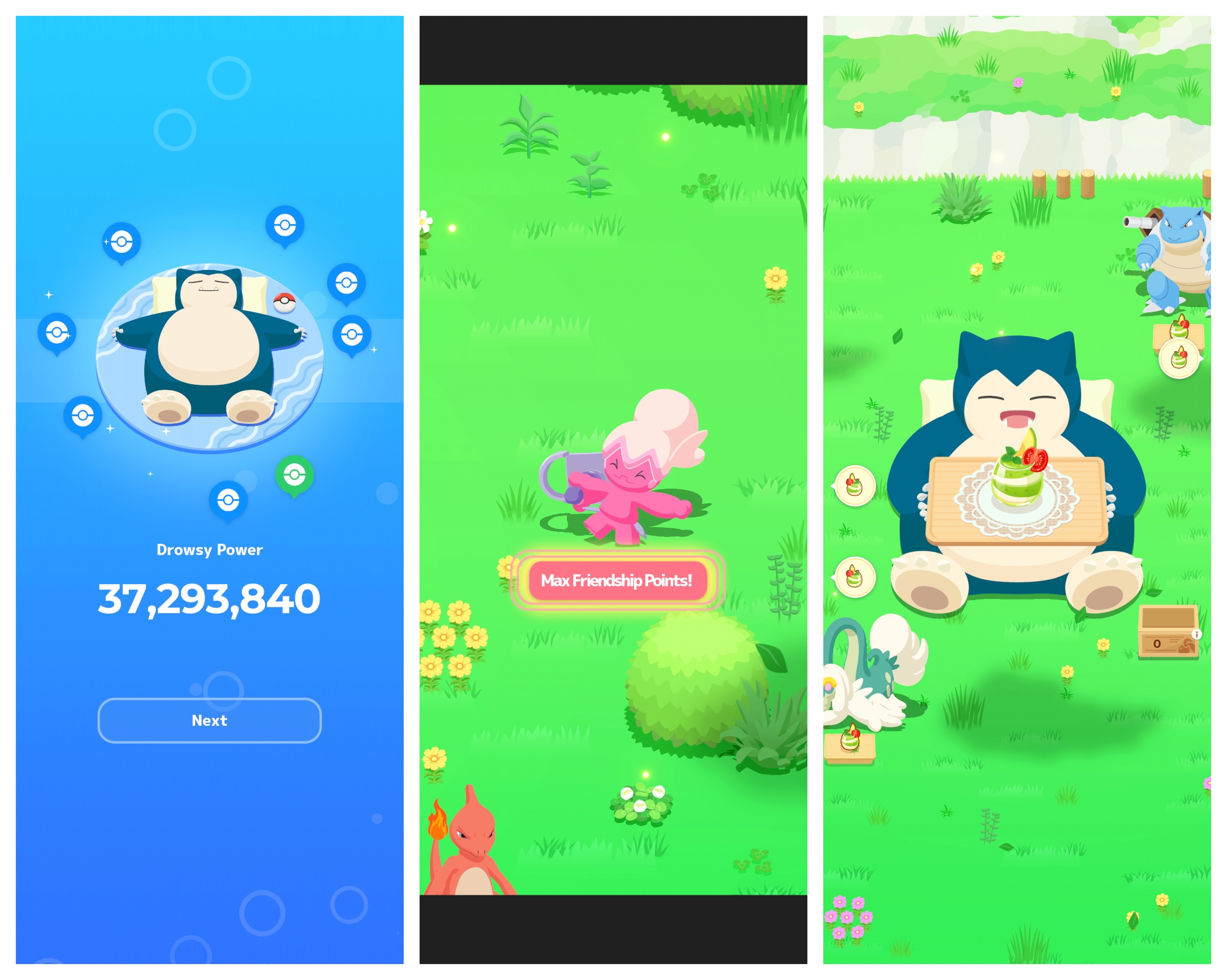
- Access the main menu within the Pokémon Sleep application and select Settings and More.
- Locate the Smartwatch and Health Connect parameters, then select Data Source.
- Choose Google Health from the available list and confirm the selection by tapping Change.
Industry developers emphasize that users must ensure all historical sleep metrics are fully synchronized before altering data sources, as switching mid-cycle can lead to unrecorded metrics. Once the Fitbit Air is successfully synced with Google Health, the wearable automatically transmits nightly rest data to the application upon waking, streamlining the virtual reward process.
Market Implications and Industry Impact
The release of themed health accessories points toward a broader evolution in how consumer technology addresses preventive health. Sleep deprivation remains a widespread public health concern, with medical professionals consistently linking chronic fatigue to cardiovascular issues, cognitive decline, and metabolic disorders. Historically, traditional educational campaigns and standard medical advisories have yielded limited success in motivating populations to adopt disciplined sleep hygiene.
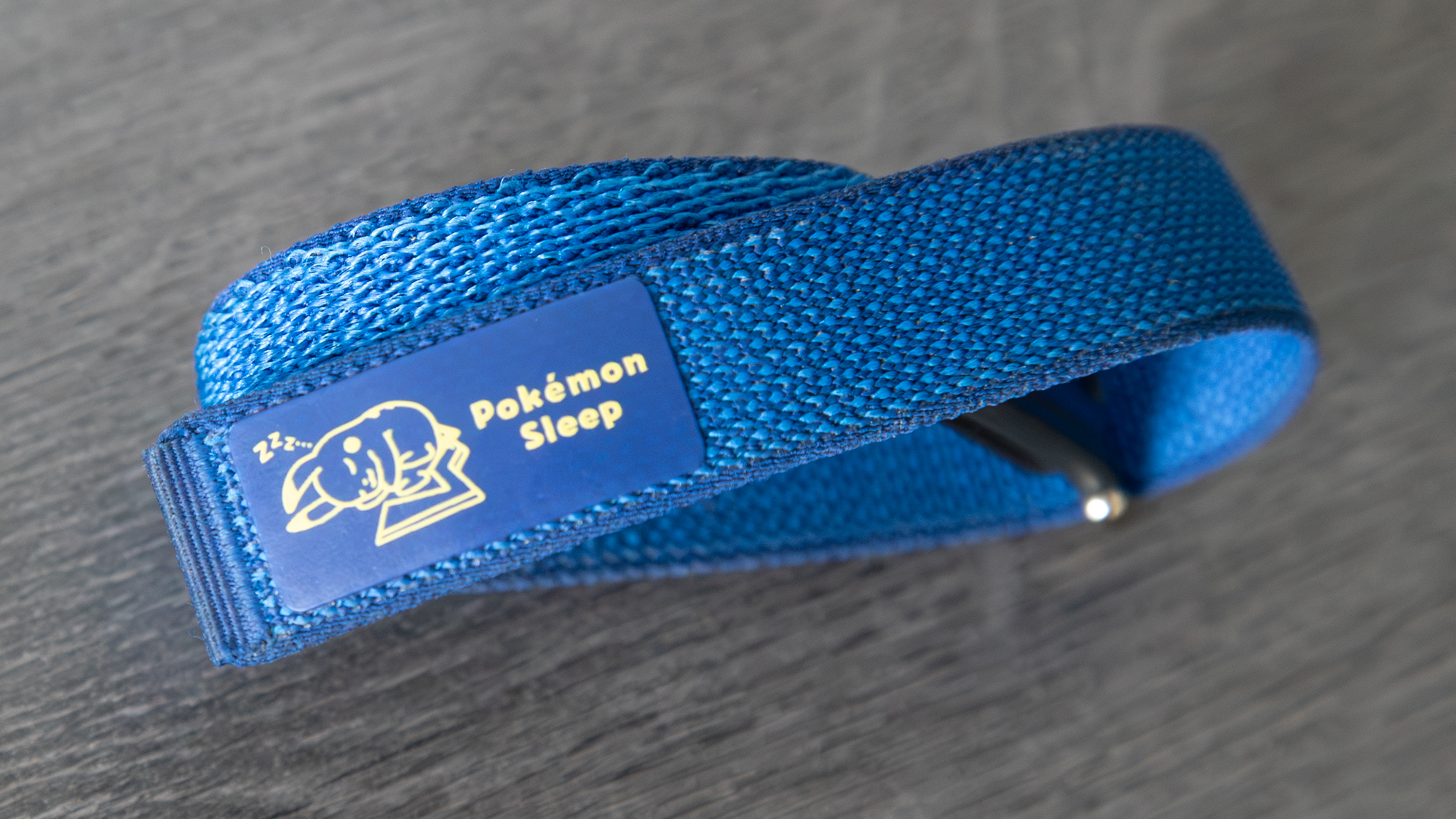
By introducing game mechanics—such as collecting virtual creatures, leveling up digital companions, and unlocking rare items—manufacturers provide a psychological incentive that transcends standard health metrics. Consumers who might ignore a routine notification regarding their sleep efficiency are often far more motivated to maintain a consistent sleep schedule if it directly influences their progress in an interactive digital world.
Furthermore, partnerships between tech giants like Google and entertainment powerhouses like Nintendo and The Pokémon Company demonstrate the commercial viability of cross-industry collaborations. As wearable technology becomes increasingly commoditized, differentiation through software ecosystems, brand affinity, and ergonomic refinement will likely dictate market share. The Fitbit Air Pokémon Sleep edition serves as a case study in how utilitarian health devices can successfully pivot into lifestyle accessories, appealing simultaneously to fitness-conscious individuals and dedicated gaming enthusiasts.