Hisense UR8 RGB Mini-LED TV Review: A Masterclass in Brightness, Color, and Gaming Performance

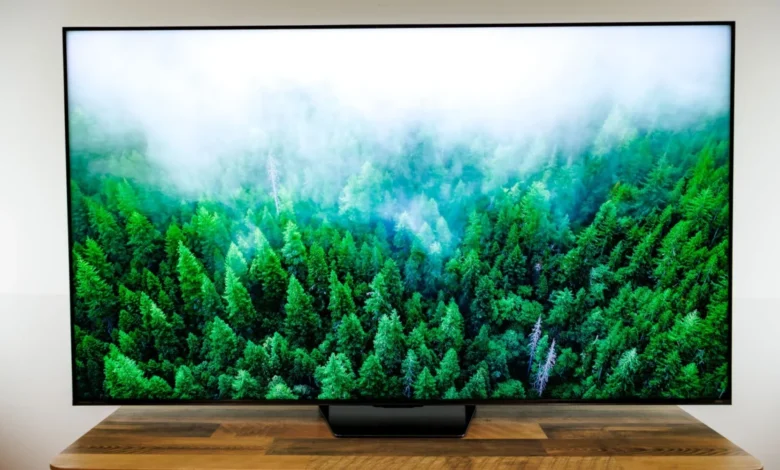
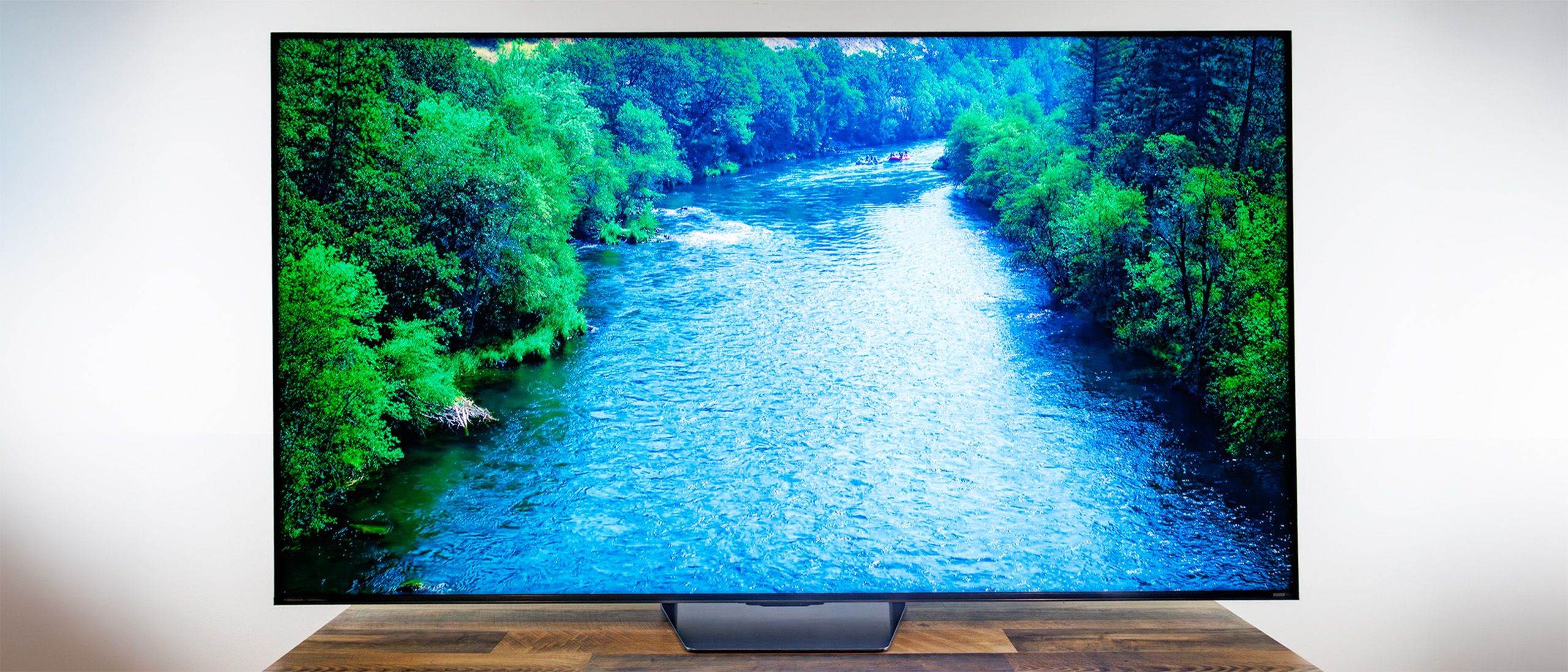
The Hisense UR8 represents a significant technological leap forward in the consumer television market, anchoring its performance on advanced RGB Mini-LED architecture. Positioned strategically beneath the flagship UR9 series while outperforming conventional Mini-LED alternatives like the U7 and U8 lineups, the 75-inch UR8SG model reviewed here carries a list price of $2,499.99. However, aggressive market discounting frequently pulls the street price down below the $2,000 threshold, positioning it as an exceptionally competitive high-end option for home theater enthusiasts and hardcore gamers alike.
The Evolution of RGB Mini-LED Technology
For several years, manufacturers have refined backlight technologies to bridge the gap between traditional LCD panels and self-emissive OLED displays. Traditional Mini-LED systems utilize uniform white or blue LED arrays paired with standard color filters and liquid crystal pixels. Hisense, conversely, has staked its engineering strategy on RGB Mini-LED architecture. This complex and costly approach integrates a dense matrix of discrete red, green, and blue LEDs directly into the backlight layer.
The primary advantage of this methodology is unprecedented color purity and luminance control right at the source. By avoiding the light loss inherent in traditional color-filtering layers, RGB Mini-LED technology allows the UR8 to produce staggering brightness peaks, particularly in high-dynamic-range (HDR) content. While the manufacturing challenges of uniform pixel-level calibration have historically kept RGB arrays restricted to commercial reference monitors or ultra-premium consumer units, Hisense’s execution in the UR8 proves that the technology is ready for mainstream high-end deployment.
Design, Build Quality, and Physical Footprint
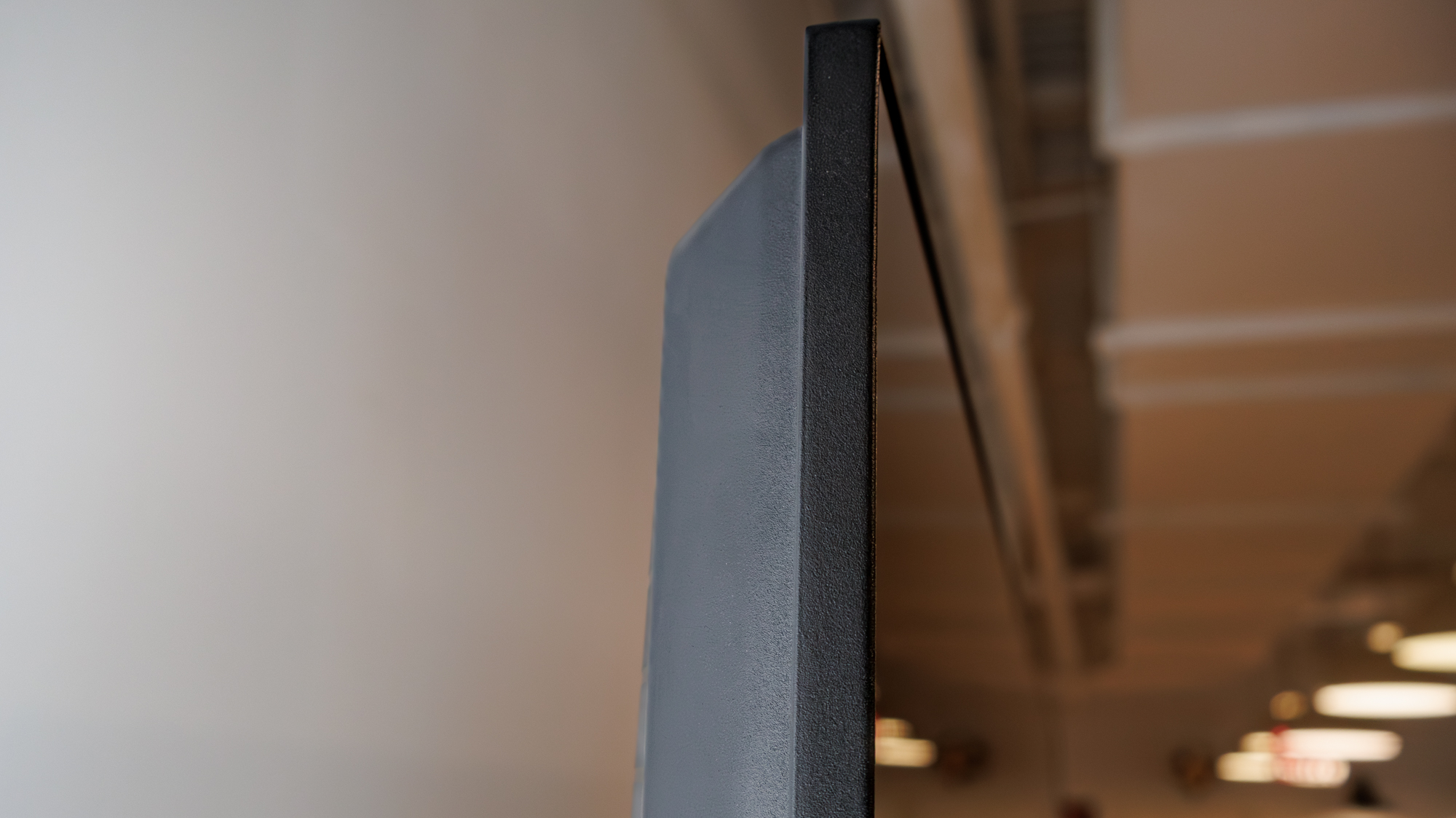
Measuring 65.7 by 2.3 by 37.9 inches without its stand and tipping the scales at 66.6 pounds, the 75-inch UR8SG is a substantial piece of hardware. Its aesthetic leans toward a more industrial and functional look compared to the razor-thin, minimalist bezels found on competing OLED panels. The lower-left bezel proudly displays "Hisense / RGB MiniLED," while the right side features "TUNED BY DEVIALET," highlighting the acoustic engineering partnership behind the set’s built-in sound system.
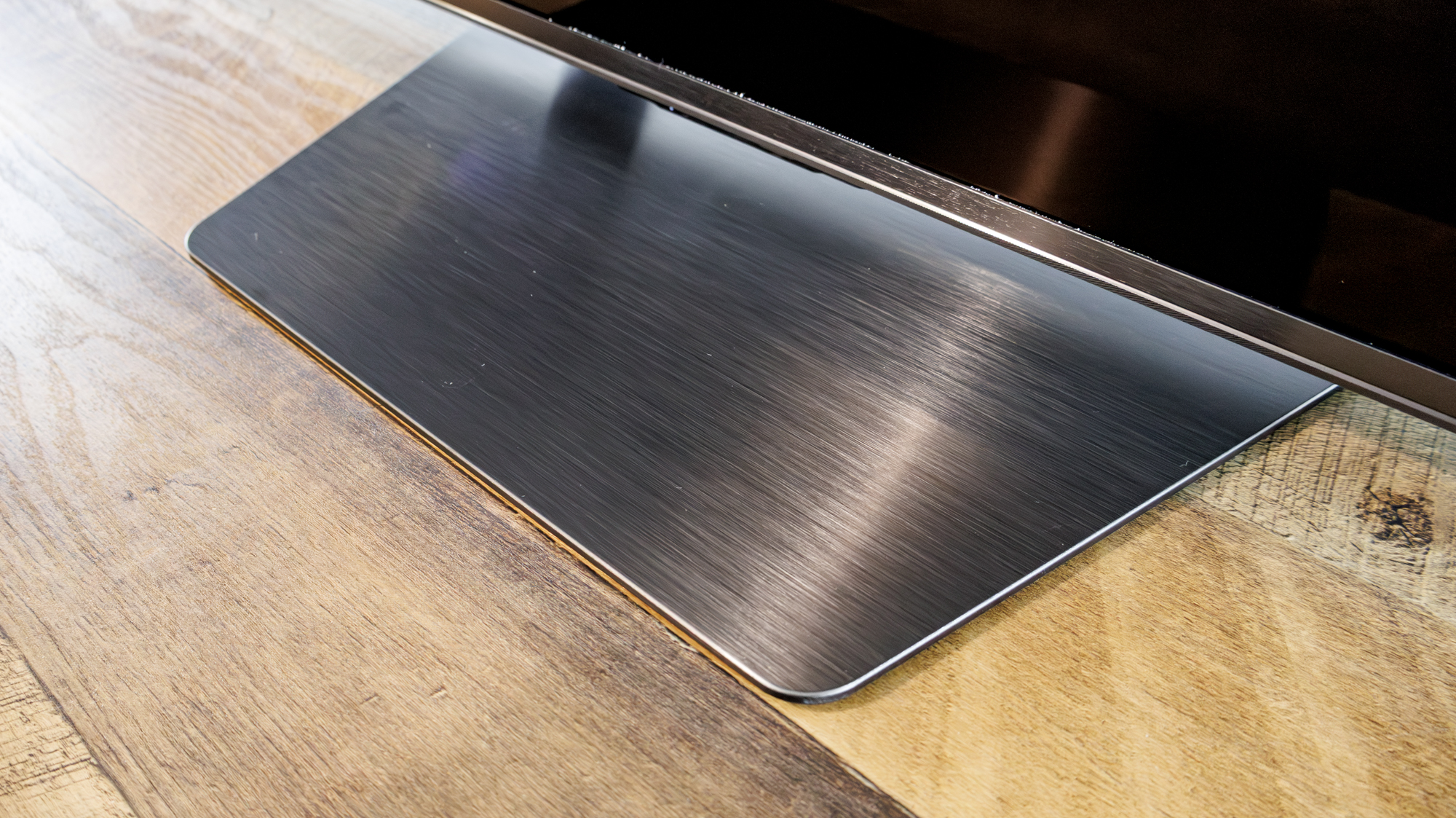
The surrounding bezel adopts a brushed, silvery metallic finish rather than standard matte black. This industrial motif extends to the large, central pedestal stand, which anchors the heavy chassis securely. For those preferring a wall-mounted setup, the television accommodates standard VESA 400x400mm mounting configurations, though its 2.3-inch depth requires a robust wall bracket to handle the weight safely.
Connectivity and Future-Proofed Input Options
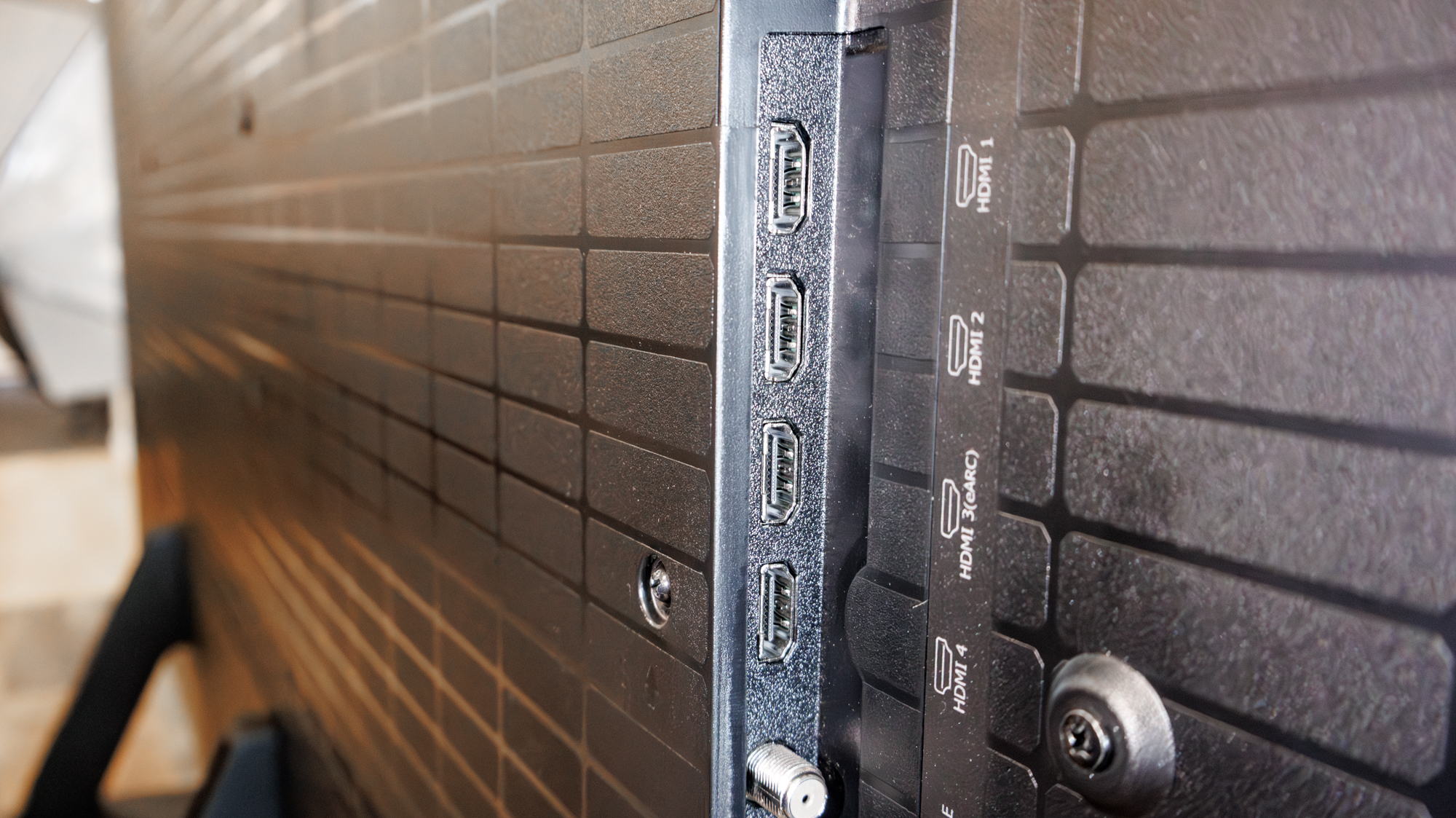
Modern high-performance displays require comprehensive connection suites to handle next-generation consoles and high-bitrate media sources. The UR8 delivers a robust array of ports, led by four full-bandwidth HDMI 2.1 inputs. These ports support uncompressed 4K video signals at the panel’s native 180Hz refresh rate—a capability currently utilized primarily by high-end gaming rigs, as home consoles typically max out at 120Hz.
One of the HDMI 2.1 ports features enhanced Audio Return Channel (eARC) functionality, allowing seamless passthrough of immersive audio formats like Dolby Atmos to dedicated soundbars or multi-channel home theater receivers. Additional physical connections include a digital optical audio output, two USB ports (one USB 3.0 and one USB 2.0), a standard LAN port for wired networking, and an RF input tied to an onboard ATSC 3.0 NextGen TV tuner. This modern tuner enables over-the-air reception of 4K broadcasts and HDR content where available.
Comprehensive Lab Testing and SDR/HDR Performance
To evaluate the UR8 objectively, technical assessments utilize professional calibration tools, including a Jeti spectraval 1501-HiRes spectroradiometer, a Klein K10-A colorimeter, a Murideo 8K-SIX-G signal generator, and Portrait Displays Calman calibration software.
In standardized SDR testing utilizing Filmmaker Mode, the UR8 registered a 10% window brightness of 197.6 nits. While this figure appears modest compared to an industry average of 351.1 nits, it reflects the strict adherence to reference color accuracy required by the filmmaker profile. When shifted to brighter default consumer modes, the panel surges to an impressive 1,685.9 nits, easily outperforming typical rivals in brightly lit environments.
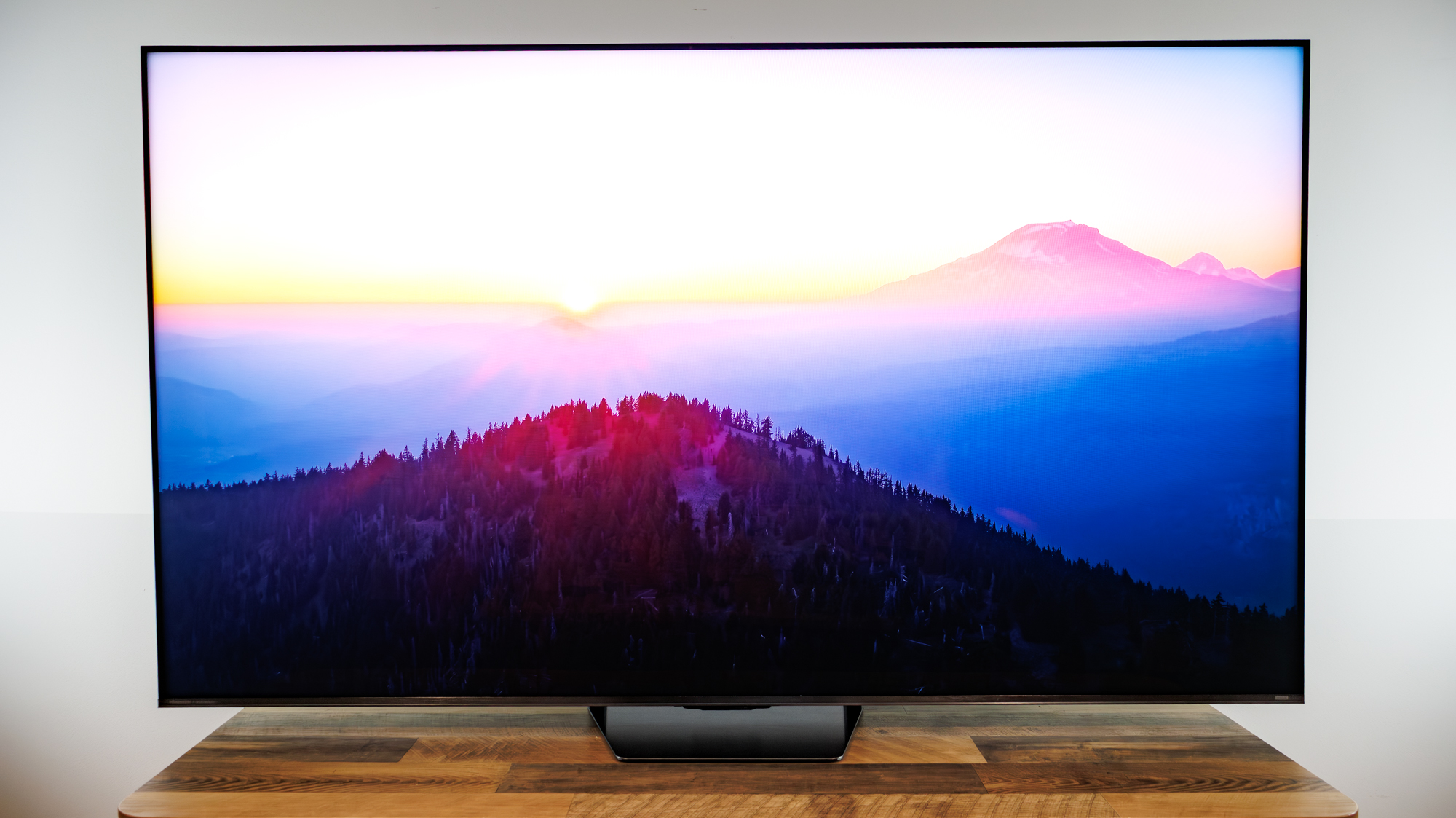
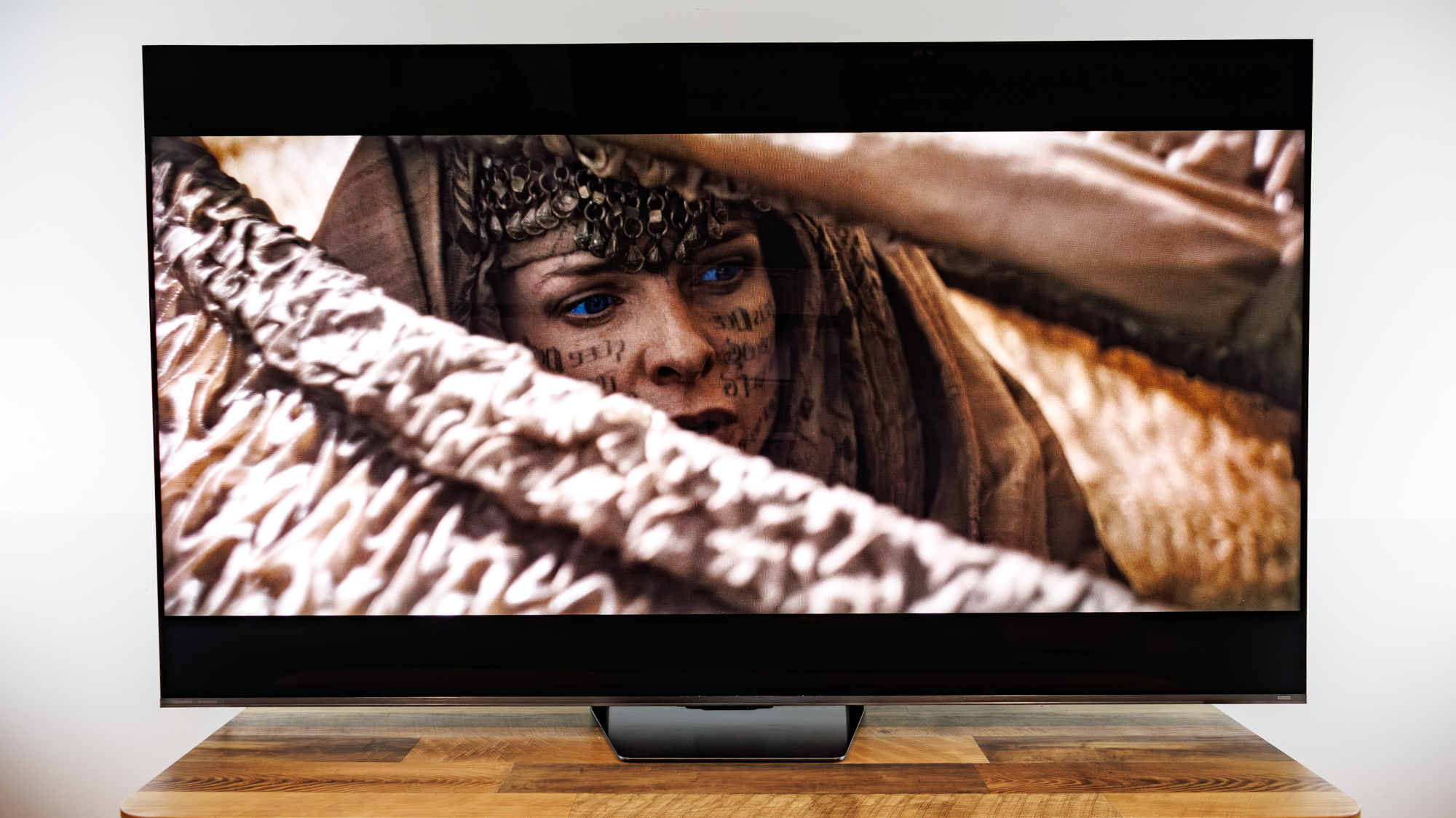
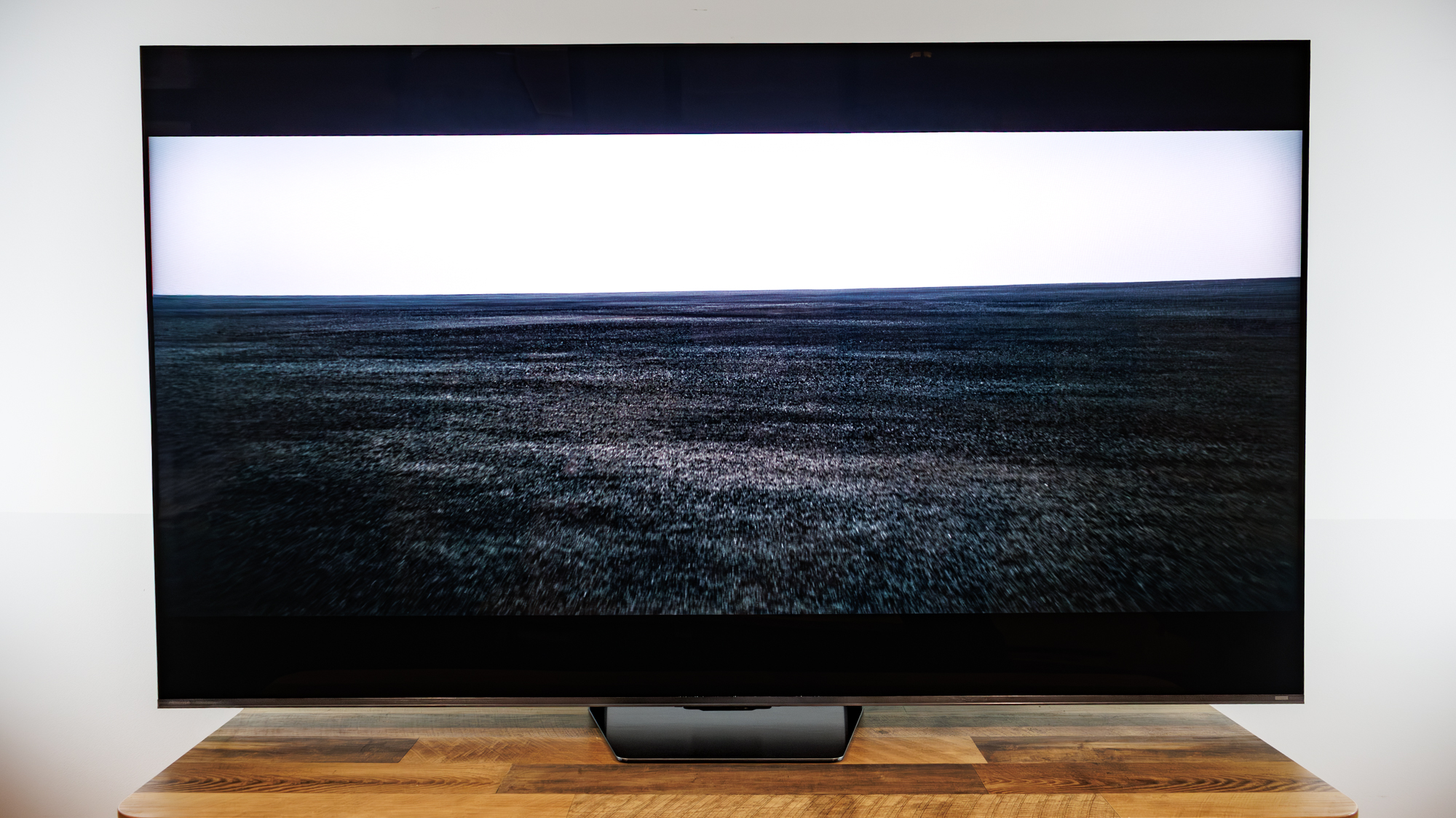
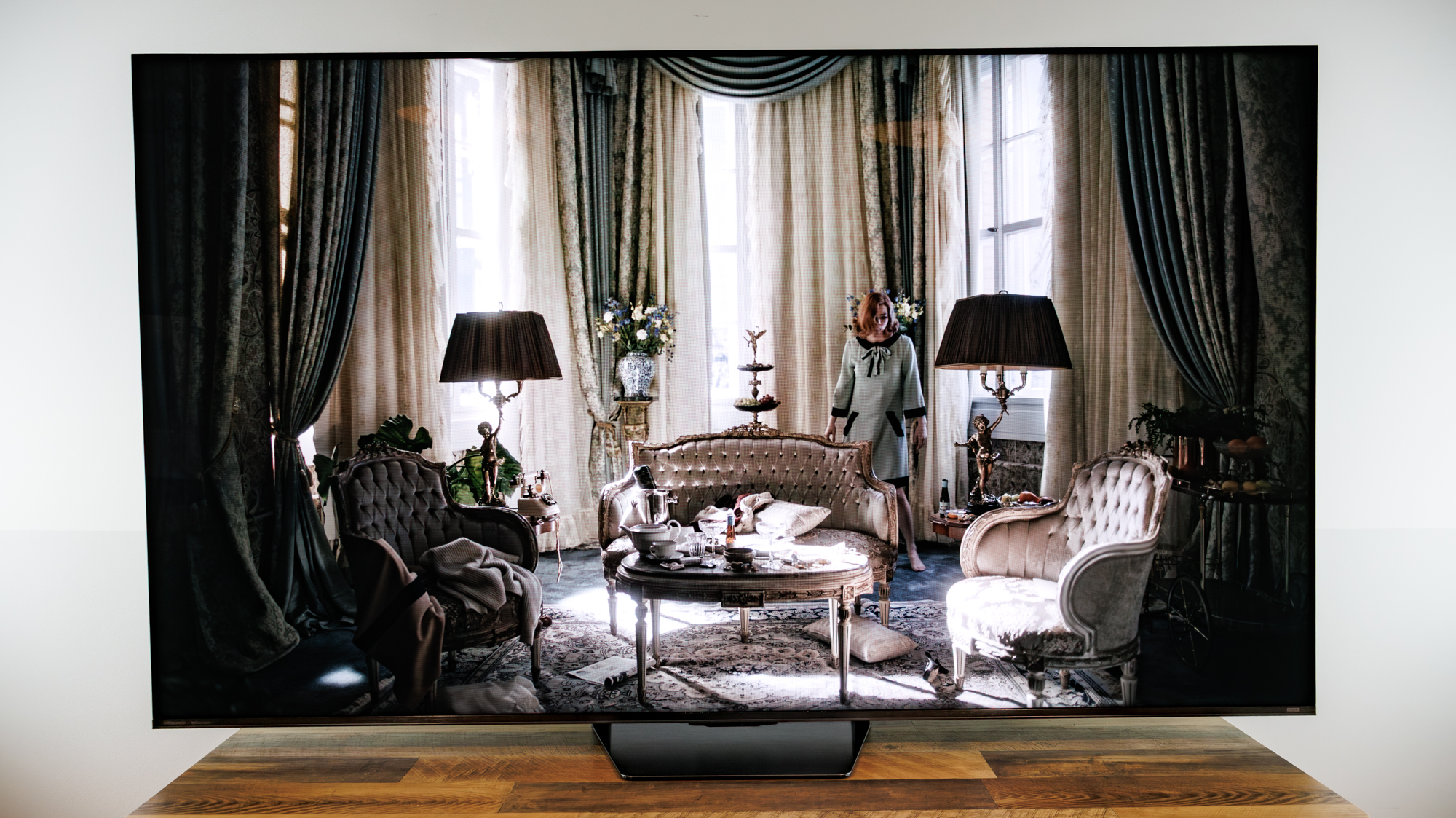
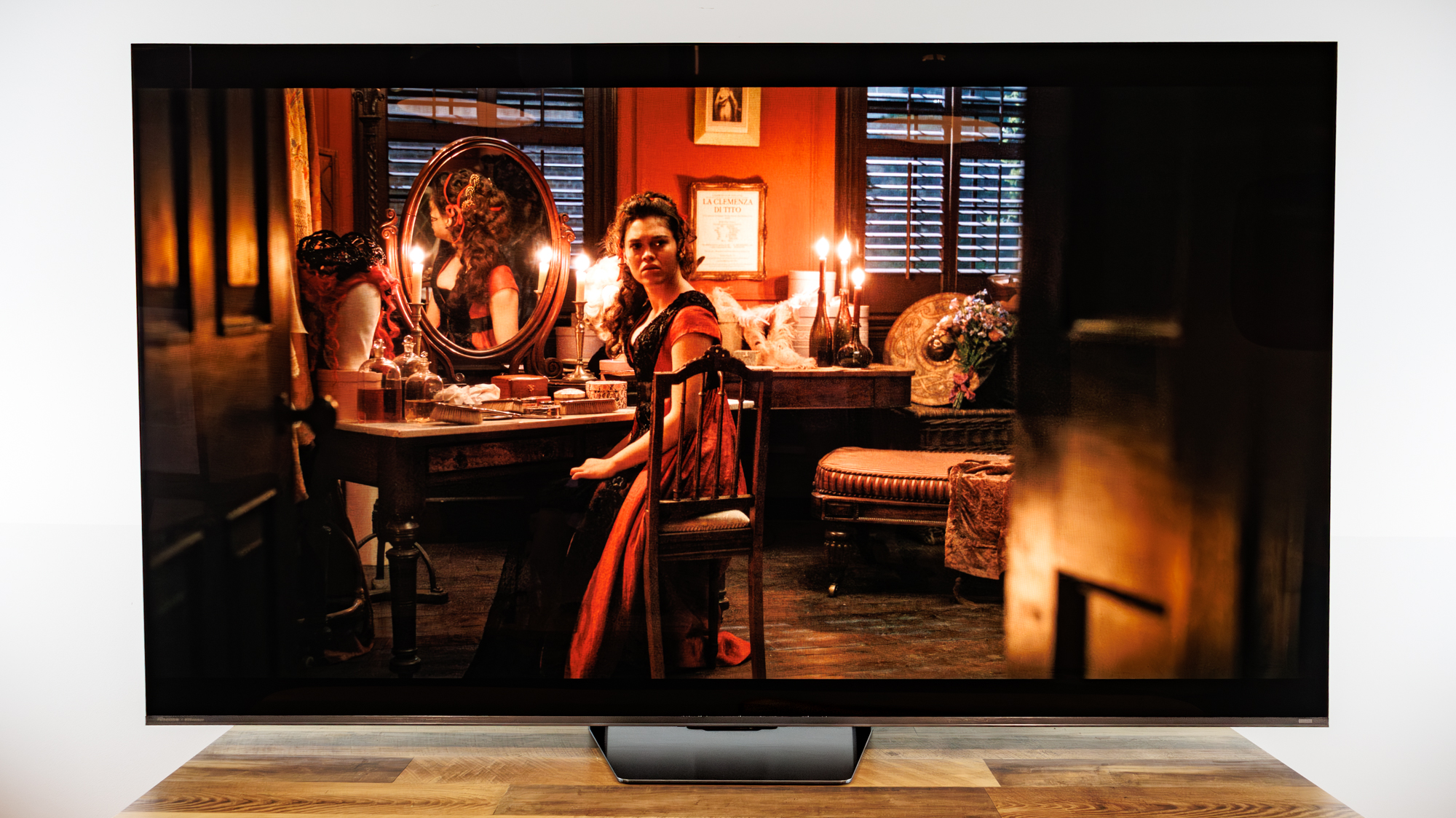
The true capability of the RGB Mini-LED backlight, however, reveals itself in HDR content. Measured via a 10% window, the UR8 achieved an astonishing 3,542.7 nits of peak HDR brightness, drastically eclipsing the general LCD average of roughly 1,928 nits. This immense luminance headroom allows high-contrast cinematic scenes—such as the fiery explosions in "Dune" or the complex lighting interplay in "Top Gun: Maverick"—to maintain deep black levels without crushing shadow details.
Color accuracy measurements yielded a Delta-E of 4.80 in Filmmaker Mode out-of-the-box, which sits slightly above the ideal threshold for professional color grading, though it remains barely perceptible to the untrained human eye during casual viewing. Where the panel truly distinguishes itself is in color gamut coverage. The UR8 captured 99.99% of the Rec. 709 gamut, 95.04% of the massive Rec. 2020 space, and a staggering 143.10% of the UHDA-P3 color volume. While current media does not fully exploit this extreme color range, it provides significant future-proofing as mastering standards evolve.
Gaming Prowess and Input Latency
For gaming enthusiasts, the UR8 is an exceptionally capable display. Equipped with Hisense’s proprietary GameBooster features, the television supports variable refresh rates (VRR) up to 180Hz natively, with overclocking capabilities reaching up to 330Hz when scaling resolution down to 1080p for specialized PC setups.
Lab testing via a Leo Bodnar 4K Video Signal Lag Tester recorded an input lag of just 12.0 milliseconds in Game Mode. While a handful of competing panels achieve slightly faster responses around 9.4 milliseconds, a 12ms delay is completely imperceptible to human reflexes, ensuring competitive twitch-shooters and fast-paced action games respond instantly to controller inputs. Console gamers utilizing the PlayStation 5 or Xbox Series X will find that the 120Hz output is handled flawlessly with zero visible screen tearing or artifacting.
Audio Engineering and Devialet Partnership
Built-in television speakers are frequently treated as an afterthought, but Hisense partnered with French acoustic specialist Devialet to equip the UR8 with a robust 2.1.2-channel internal audio system. Delivering up to 50 watts of total power, the arrangement features dual stereo drivers, a dedicated low-frequency woofer for bass reinforcement, and a pair of upward-firing height channels designed to process overhead spatial audio tracks encoded in Dolby Atmos and DTS Virtual:X.
Performance matches the hardware specifications. During complex cinematic sequences, dialogue remains crisp, dynamic shifts in musical scores are handled with authority, and directional overhead effects provide a surprisingly immersive soundstage without requiring an immediate external soundbar investment.
Smart TV Interface and Software Ecosystem
The UR8 runs on the Google TV operating system, integrated with Gemini voice control features for streamlined navigation and contextual content discovery. The primary user interface relies on a prominent top carousel promoting curated media, followed by personalized recommendation rows and a customizable grid of installed streaming applications.
Privacy-conscious users will appreciate the granular controls embedded within the operating system. Through the settings menu, operators can easily manage or disable data collection parameters covering location tracking, microphone access, diagnostics, and targeted advertising. For those desiring a distraction-free experience, "Apps Only Mode" strips away promotional carousels to present a clean, minimalist grid of installed services reminiscent of competing Roku interfaces.
Market Position and Competitive Landscape
The 75-inch Hisense UR8SG occupies a fiercely contested pricing tier. At its baseline list price of $2,499, it competes directly with high-end offerings from TCL, such as the QM7L and QM8L series, as well as premium iterations from Sony and Samsung. However, because retail promotions routinely drive the cost down to between $1,600 and $1,900, the value proposition shifts dramatically in Hisense’s favor.
Buyers seeking a slightly smaller footprint can opt for the 65-inch variant, which typically drops the investment by roughly $500. While budget-oriented alternatives like the Vizio VQM75-C offer lower entry points for massive screen real estate, they sacrifice the advanced luminance control and color volume afforded by Hisense’s RGB Mini-LED architecture.
Final Verdict
The Hisense UR8 successfully validates the commercial viability of RGB Mini-LED technology in the consumer television space. By pairing exceptional peak brightness exceeding 3,500 nits with exhaustive color gamut coverage, robust Devialet-tuned audio, and uncompromising 180Hz gaming capabilities, Hisense has engineered a display that punches well above its weight class. While its list price requires careful consideration, frequent market discounts make the UR8 an outstanding investment for consumers demanding top-tier visual fidelity and long-term hardware relevance.
Related posts: