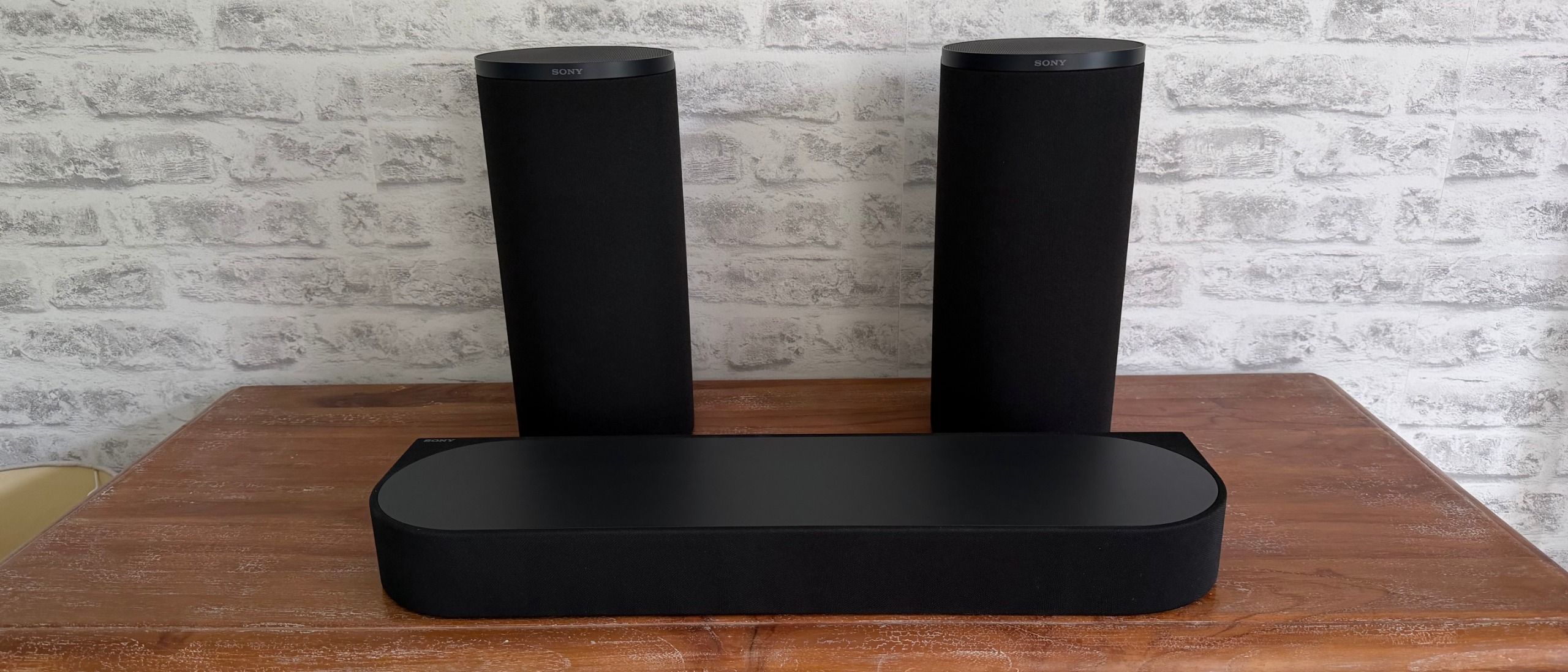
The Sony Bravia Theater Trio (HT-A8) represents a strategic shift in home cinema engineering, moving away from the traditional singular soundbar format to address the acoustic limitations often associated with modern, ultra-large television displays. By decoupling the audio system into a dedicated three-piece configuration—comprising a center channel, a left speaker, and a right speaker—Sony aims to provide a soundstage that scales proportionally with screens measuring 85 inches and beyond. This architectural pivot suggests that the manufacturer has identified a plateau in soundbar technology, where length constraints limit the depth and physical dispersion of audio.
The Evolution of the Bravia Audio Philosophy
For years, the consumer audio market has favored the "all-in-one" soundbar, prioritizing aesthetic minimalism and ease of installation over true soundstage width. However, as television panel sizes have expanded rapidly, the audio output of these bars has struggled to keep pace. Sony’s audio engineering division reportedly initiated the development of the Theater Trio out of a necessity to bridge the gap between high-end, multi-component "separates" systems and the convenience-focused soundbar market.
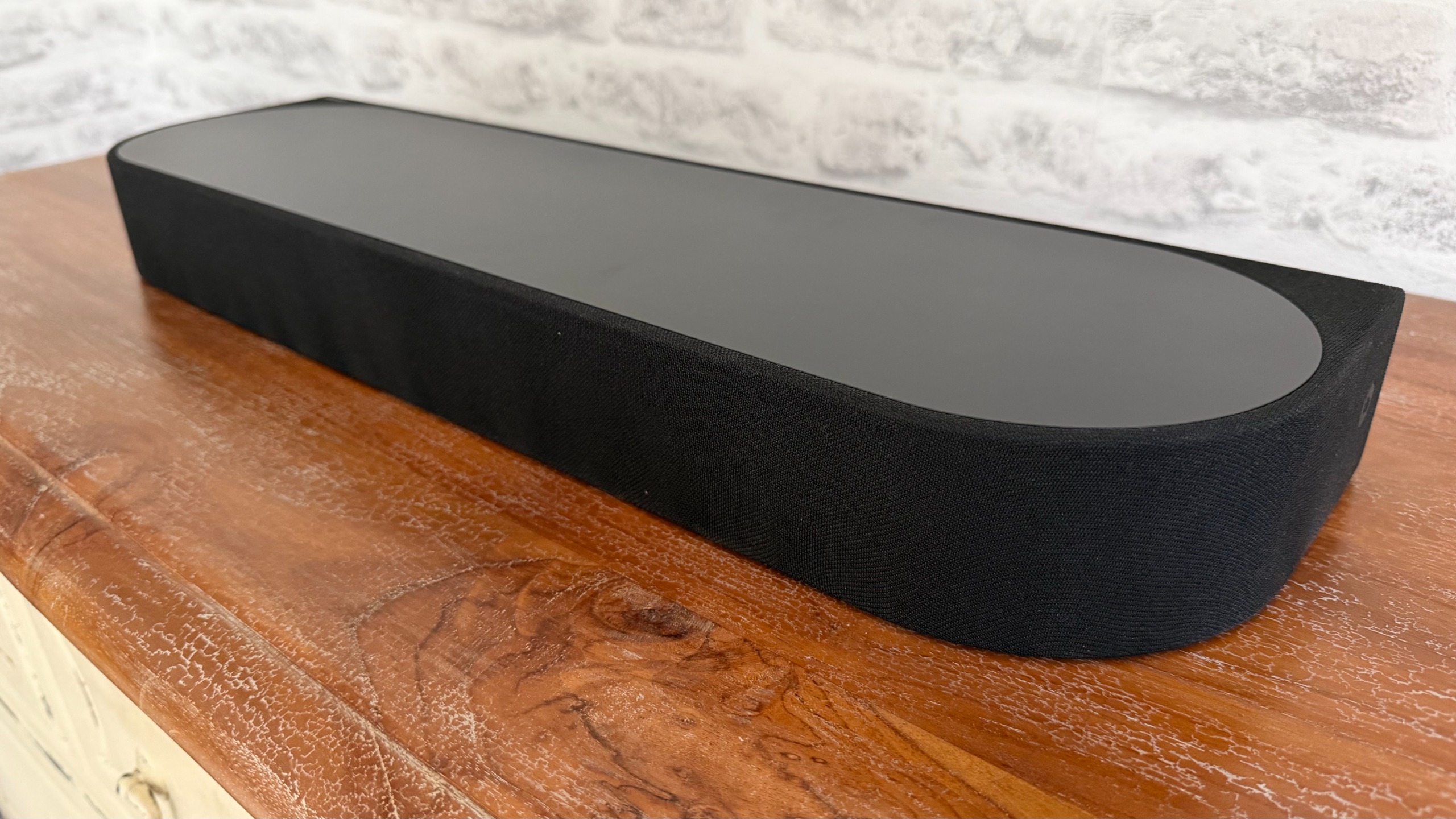
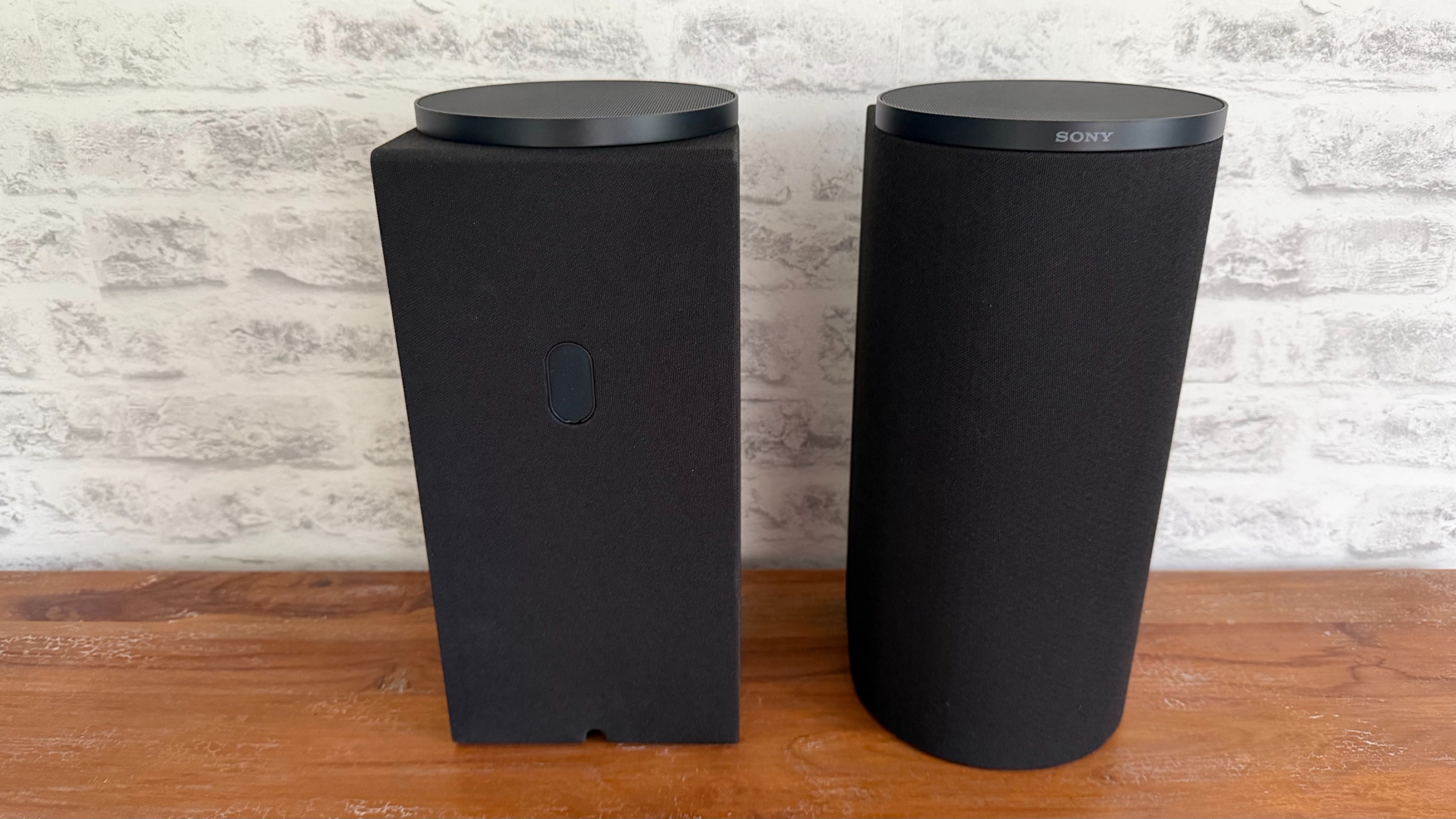
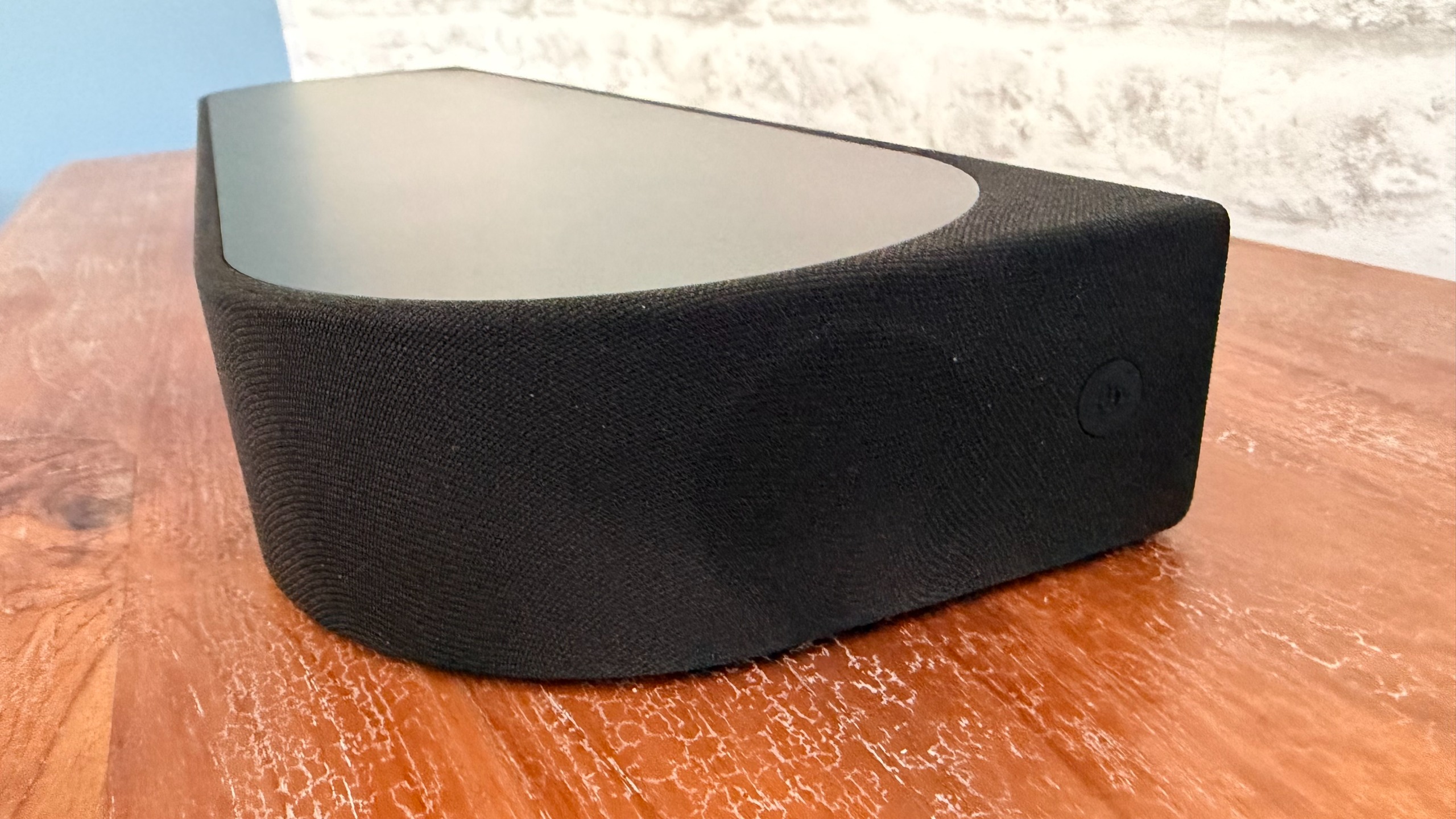
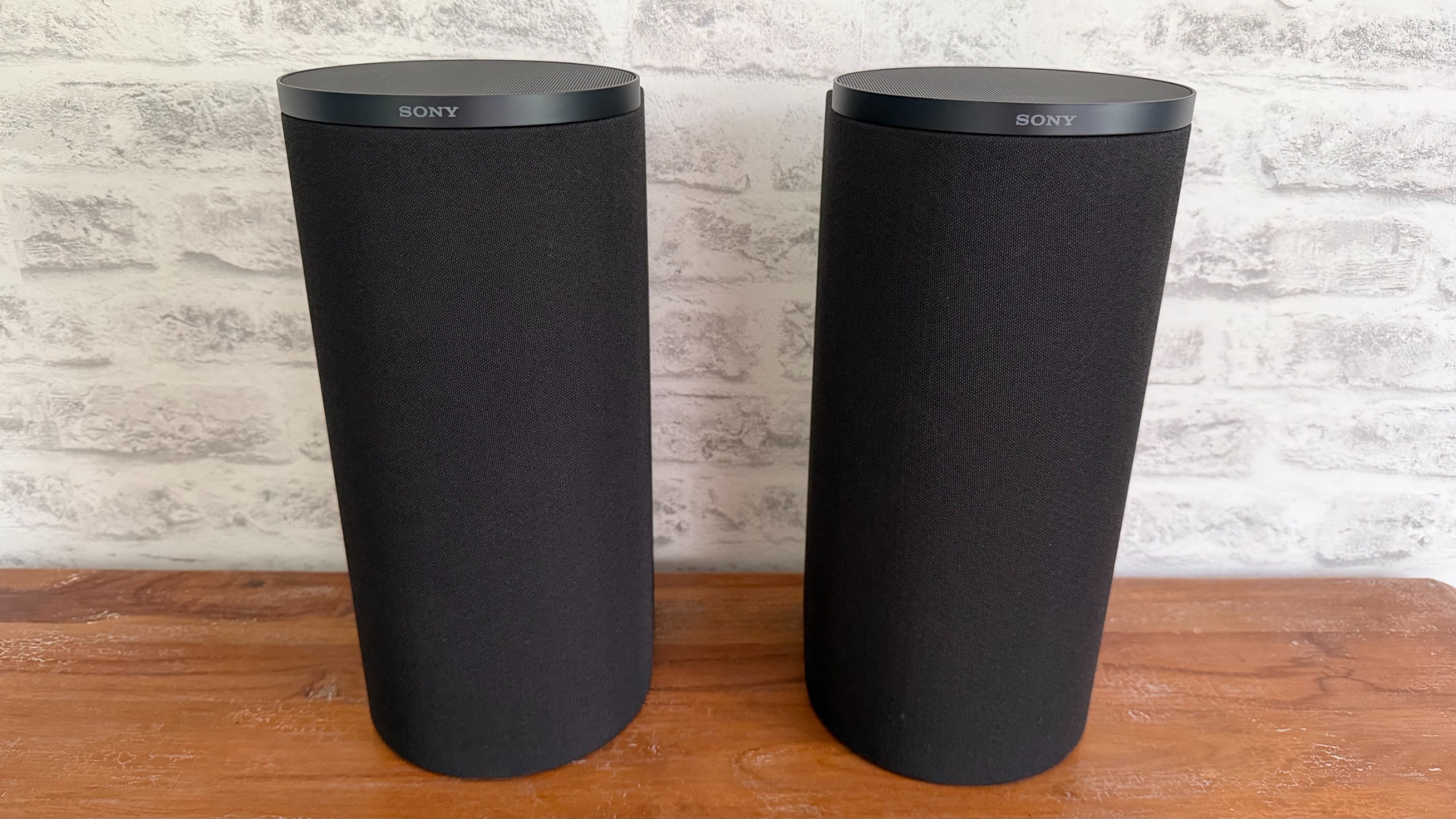
The Trio system, which launched as a premium solution for the 2024 home theater season, is designed to be a middle ground. It avoids the complex wiring and amplification requirements of traditional A/V receivers while surpassing the acoustic performance of single-chassis units. The system’s physical footprint is compact, with a center speaker measuring roughly 23 inches in width, while the wireless left and right units allow for flexible positioning that can be expanded to accommodate the width of massive displays.
Technical Specifications and Connectivity
The HT-A8 operates as a 3.0.2 channel system, utilizing physical up-firing drivers to provide height channels for Dolby Atmos and DTS:X content. While the base package is limited to these three physical units, its performance is augmented by Sony’s 360 Spatial Sound Mapping (360SSM) technology. This proprietary software suite utilizes a calibration microphone, which connects to a mobile device, to map the room’s acoustics and generate up to 24 "virtual" speakers.
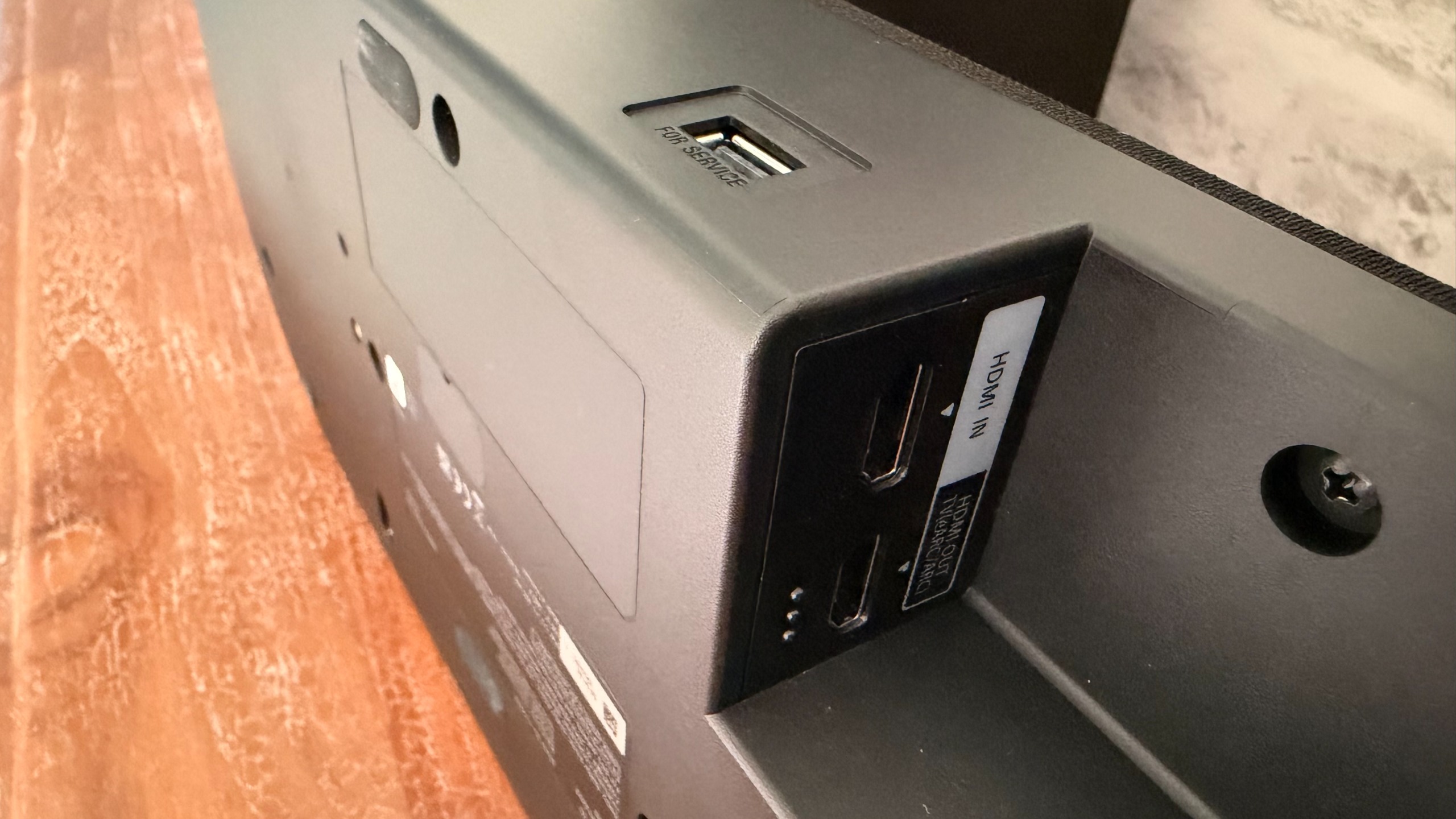
In terms of connectivity, the system supports a 4K/120Hz HDMI loop-through, ensuring compatibility with high-end gaming hardware such as the PlayStation 5. It includes eARC (Enhanced Audio Return Channel) support, which is essential for lossless audio transmission from a television. While the system offers robust wireless connectivity, including Bluetooth 6.0, AirPlay 2, and Spotify Connect, its physical input selection is limited. The lack of secondary HDMI inputs or optical digital ports may be a point of friction for power users who rely on multiple external source devices, such as dedicated 4K Blu-ray players and legacy consoles, as the system effectively functions as a single-input device.
Performance Analysis: Beyond the Physical Drivers
The core appeal of the Sony Bravia Theater Trio lies in its ability to reconcile a compact, stylish design with the sonic characteristics of a high-fidelity system. During extended testing, the system demonstrated an exceptional capacity for dynamic range. Despite the center speaker’s modest dimensions, it maintains a neutral tonal balance, effectively anchoring dialogue without the "boxy" coloration often found in smaller enclosures.
The 360 Spatial Sound Mapping feature serves as the system’s most significant differentiator. By analyzing the room layout, the system creates a phantom soundstage that masks the physical absence of rear or side speakers. In practical application, this creates an immersive environment where the soundstage feels significantly larger than the hardware would suggest. However, the efficacy of this processing is tied to a specific "sweet spot" in the listening area. While the system remains highly capable throughout a standard living room, the precision of the spatial mapping is most pronounced when the listener is seated within the calibrated zone.
Market Positioning and Comparative Context
Priced at approximately $1,999 (£1,999 / AU$2,999), the Theater Trio occupies a premium tier in the market. This places it in direct competition with flagship soundbars from competitors such as Samsung and Sennheiser. For instance, the Samsung HW-Q990H offers a more comprehensive hardware package, including a dedicated subwoofer and rear speakers, for a lower price point.
The rationale for the Sony system, however, is not a battle of raw component count but one of acoustic refinement and architectural efficiency. By utilizing higher-quality drivers and advanced psychoacoustic processing, the Trio seeks to provide a more "hi-fi" listening experience. The potential for expansion remains: users can integrate Sony’s Sub 8 or Sub 9 wireless subwoofers and Rear 9 surround speakers to transform the Trio from a 3.0.2 system into a full-scale home cinema setup. While this modular approach increases the total cost to nearly $2,750, it allows the consumer to scale their investment according to their needs and budget.
Implications for the Future of Home Theater
The emergence of the Theater Trio signals a potential trend in the home audio industry: the "de-bundling" of the soundbar. As consumers continue to opt for larger, wall-mounted displays, the demand for audio solutions that do not require bulky cabinets or complex receiver setups will likely grow. Sony’s willingness to experiment with the three-piece, wireless-syncing design indicates that the industry is looking for ways to provide cinematic immersion without the clutter of traditional home theater.
However, the system also highlights the challenges of this approach. The dependency on software calibration means that the system is only as good as its processing algorithms. Furthermore, as households grow more connected, the limitation of a single HDMI input may hinder those who desire a centralized "hub" for their home entertainment.
Conclusion and Recommendations
The Sony Bravia Theater Trio is best suited for the enthusiast who values a balance between high-end performance and clean, modern aesthetics. It excels in environments where a full separates system is impractical but the user is unwilling to sacrifice the immersive quality of their media.
For potential buyers, the decision rests on their specific room requirements and hardware ecosystem. If the primary goal is a simple, plug-and-play solution that fills a room with sound, the Trio is a formidable candidate. Conversely, those who require multiple physical inputs for a variety of media players or who prioritize a larger seating area for optimized spatial audio may find the system’s limitations a barrier. Ultimately, the Trio proves that with the right combination of high-quality drivers and sophisticated spatial mapping, the physical limitations of a three-speaker system can be effectively overcome, setting a new benchmark for how we define and experience home theater audio in the modern age.