MacBook Pro with PROLED XDR is an exciting leap forward and might replace the iPad Pro as my primary computer

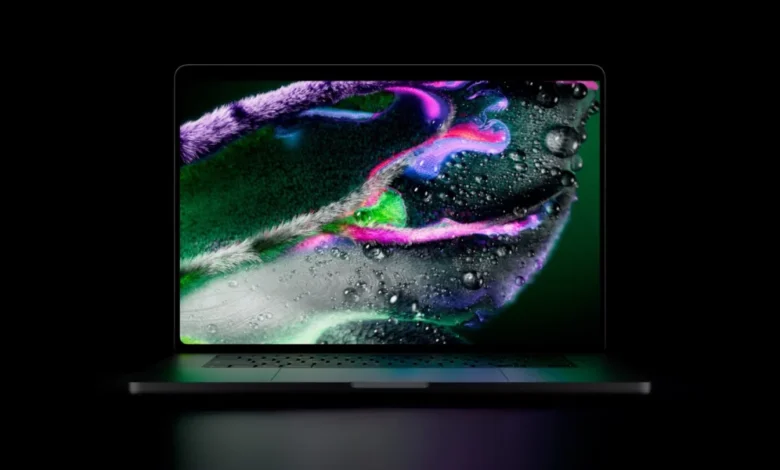
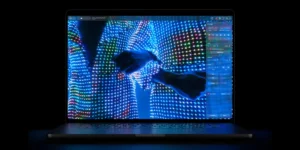
The October 2026 announcement of the redesigned MacBook Pro marks a significant architectural and design pivot for Apple’s professional laptop lineup. By integrating the new PROLED XDR display technology—a sophisticated evolution of tandem-OLED engineering—and introducing touchscreen functionality to the macOS environment, Apple is effectively blurring the historical distinctions between the iPad Pro and the MacBook Pro. This shift represents the culmination of years of iterative development, where the hardware prowess of the mobile division has finally permeated the professional workstation segment.
A Chronology of the Convergence
The journey toward this hardware convergence began in earnest with the introduction of Apple Silicon in 2020. The transition from Intel-based processors to the M-series chips provided the thermal efficiency and performance-per-watt necessary to support more advanced display technologies and interactive interfaces.
In 2024, Apple debuted its tandem-OLED technology in the iPad Pro, which garnered praise for its extreme brightness and color accuracy. Industry analysts noted at the time that this display technology was a logical candidate for a future MacBook refresh. Throughout 2025, persistent rumors regarding the integration of the Dynamic Island and multi-touch input systems on macOS hinted that the MacBook’s static interface was nearing its end-of-life. With the October 2026 launch, these threads have converged into a singular device that combines the tactile nature of tablet computing with the robust computational throughput of a high-end laptop.
Technical Specifications and Display Evolution
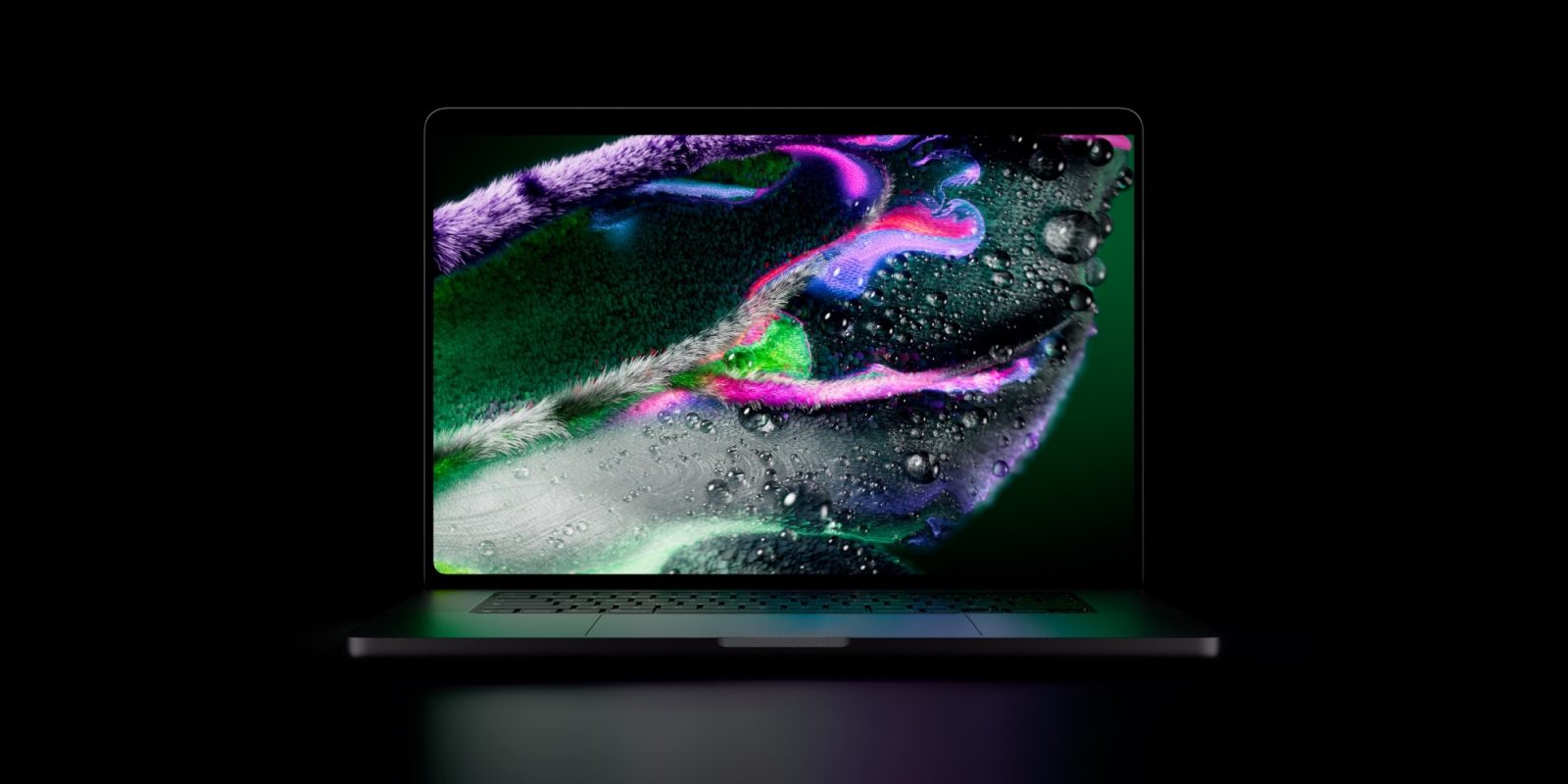
The centerpiece of the 2026 MacBook Pro is the PROLED XDR display. Unlike traditional liquid crystal displays (LCDs) or standard OLED panels, the PROLED XDR utilizes a multi-layer emission stack that significantly mitigates the risk of image retention while maximizing peak brightness in high-dynamic-range (HDR) workflows.
Supporting data from display industry analysts indicates that the PROLED XDR panel achieves a sustained brightness of 1,600 nits, matching the performance metrics previously reserved for the high-end Pro Display XDR desktop monitors. This transition serves as a standard-setter for the laptop industry, pushing competitors to reconsider the viability of touch-integrated OLED panels in premium portable workstations. Furthermore, the inclusion of a touch-sensitive layer on the MacBook display does not merely replicate iPadOS functionality; it introduces a new gesture-based navigation layer within macOS, optimized for creative professionals who require granular control over UI elements.
The Missing Link: Cellular Connectivity
Despite the substantial hardware upgrades, the 2026 MacBook Pro maintains the industry-standard reliance on Wi-Fi and Bluetooth for network connectivity. For professional users who operate in mobile environments—such as field journalists, remote photographers, and traveling consultants—the absence of integrated 5G cellular modems remains a notable omission.
Market research from early 2026 suggests that the lack of native cellular on laptops is primarily driven by thermal constraints and antenna placement, rather than a lack of consumer demand. While Apple has introduced the N1 wireless chip—which enhances the efficiency and stability of Personal Hotspot tethering between devices—this remains a secondary solution. The requirement to rely on a secondary device (an iPhone or a dedicated mobile hotspot) introduces a failure point in the connectivity chain. As mobile computing becomes increasingly decoupled from traditional office environments, the absence of an integrated eSIM or cellular modem on a machine marketed as "Pro" creates a distinct functional gap when compared to the flagship iPad Pro models.
Implications of the iPad-Mac Hybridization
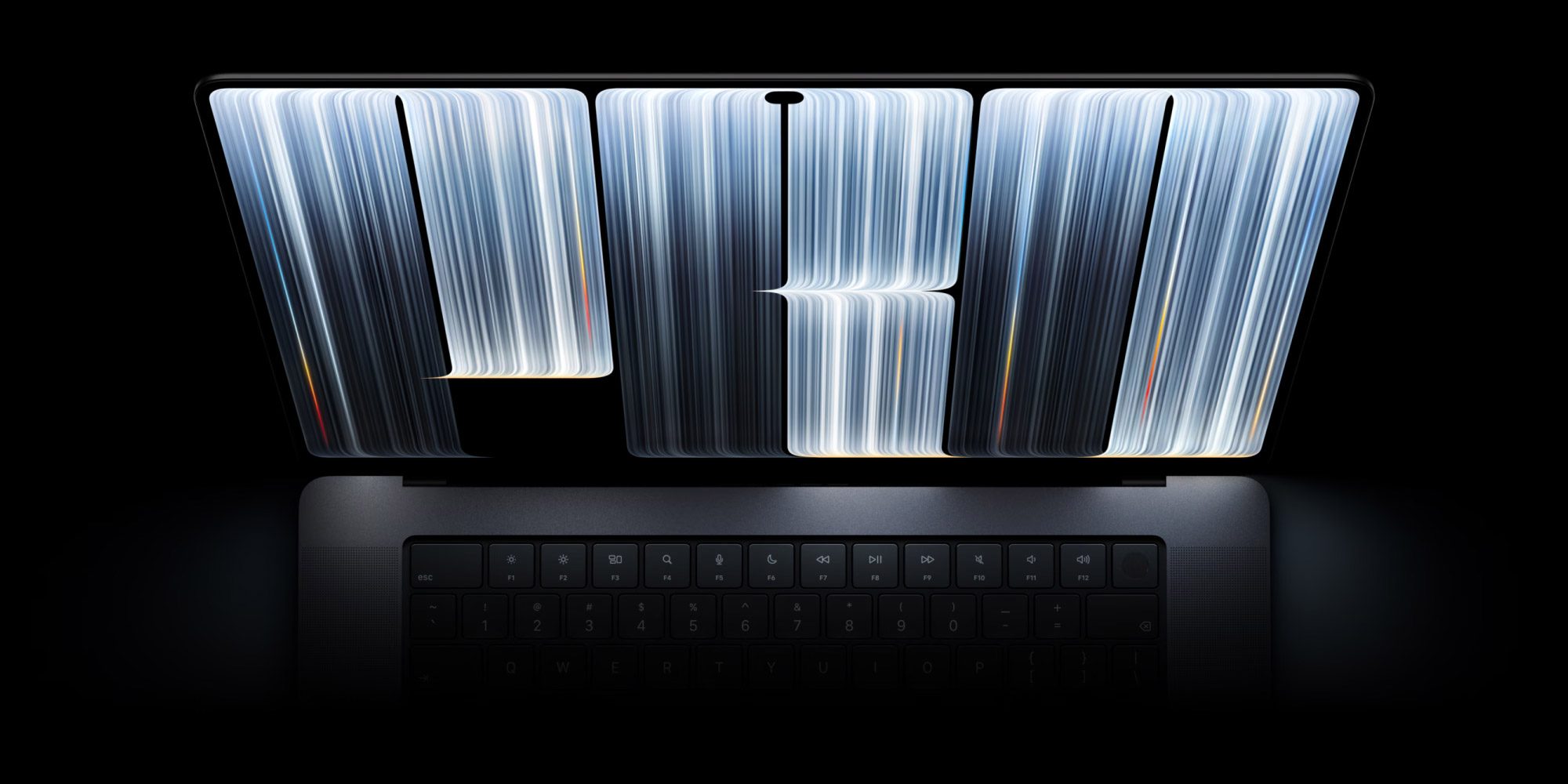
The integration of features like the Dynamic Island into the MacBook Pro’s menu bar is more than an aesthetic choice; it is a signal that Apple is moving toward a unified design language across all computing platforms. The software ecosystem, particularly macOS, has begun to mirror the modularity and responsiveness of iPadOS, allowing for a more fluid transition for users who have spent the last decade working on tablet-first interfaces.
For enterprise and creative sectors, this shift holds significant implications. The ability to perform high-fidelity video editing or complex 3D rendering on a touch-enabled, high-luminance display allows for a more intuitive interaction with data. However, it also raises questions regarding software optimization. Developers are now tasked with ensuring that applications designed for mouse and trackpad inputs remain functional and ergonomic when accessed via touch.
Industry and Expert Reactions
Initial briefings from industry experts suggest that while the hardware is highly capable, the long-term success of the "touch-Mac" will depend on the software developer community’s adoption of touch-optimized APIs. During the unveiling, Apple executives emphasized that the touchscreen is intended as a supplemental input method—designed to work in tandem with the haptic trackpad and the keyboard—rather than a replacement for them.
From a procurement perspective, the 2026 model represents a premium investment. The complexity of manufacturing the PROLED XDR panel contributes to a higher entry price compared to previous iterations. For organizations, the decision to refresh their fleet to these new models will likely hinge on whether the productivity gains afforded by the new display and touch-interface outweigh the increased capital expenditure per unit.
Broader Impact and Future Outlook
The release of the MacBook Pro with PROLED XDR signals a maturing of Apple’s product strategy. By bringing iPad-like features to the MacBook, Apple is essentially creating a "best of both worlds" scenario. Users who have long waited for a desktop-class operating system on hardware that feels as responsive as a tablet are finally being served.
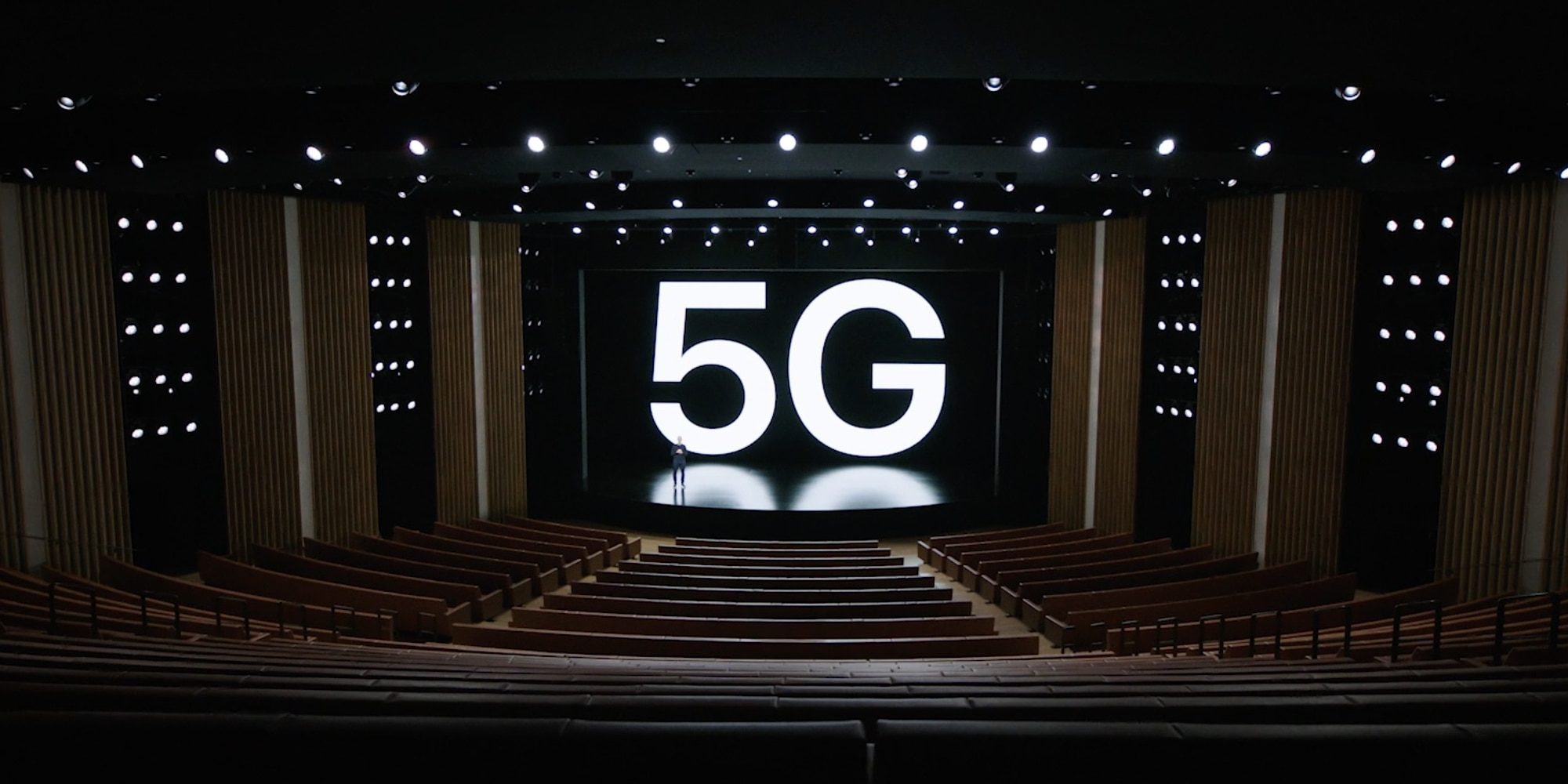
However, the "connectivity divide" remains a critical topic of discussion. As the world moves toward ubiquitous high-speed connectivity, the reliance on external Wi-Fi networks for professional-grade laptops is increasingly seen as a limitation. If Apple continues to ignore the cellular requirement, it may open a market niche for other manufacturers to offer "always-connected" professional workstations.
In the immediate future, the market will monitor how current iPad Pro power users react to the transition. For those whose workflows have been limited by the constraints of iPadOS, the new MacBook Pro offers an escape hatch into a more powerful, flexible ecosystem without requiring the sacrifice of the interactive display features they have grown accustomed to. The 2026 MacBook Pro is not merely a hardware update; it is a fundamental redefinition of what a professional-grade mobile workstation should be in the late 2020s.
As the technology propagates through the remainder of the Apple lineup—including potential updates to the MacBook Air and the standard Mac desktop range—the influence of the PROLED XDR display will likely become the benchmark against which all professional computing hardware is measured. The debate over the necessity of cellular connectivity will persist, but for now, the 2026 MacBook Pro stands as the most advanced, screen-centric laptop Apple has ever produced.
Related posts: