Apple’s October 2026 Hardware Blitz Brings a Wave of Pre-Orders, New Devices, and Major Ecosystem Updates

Apple Inc. has officially initiated a massive wave of pre-orders for five major hardware products following a flurry of autumn announcements that have fundamentally reshaped the company’s device lineup for the remainder of 2026. Beginning at 10:10 a.m. Pacific Time on Wednesday, October 28, customers gained the ability to secure a wide array of newly unveiled hardware, all slated for an official release on Friday, November 6. This late-October rollout underscores one of the most aggressive and densely packed product cycles in recent corporate history, capturing headlines across the consumer technology landscape.
The latest pre-order window follows closely on the heels of the highly anticipated iPhone Duo release on October 23, setting off an unprecedented autumn product cadence. Alongside the newly orderable hardware, consumers are already navigating ongoing pre-orders for the HomePod mini 2, which is set to ship on Friday, October 30, as well as upcoming November releases including the Apple HomeView smart home hub and the fourth-generation Apple TV 4K. With specialized accessories, updated travel kits, and a playful Pokémon-themed collaboration rounding out the month, Apple’s October 2026 hardware blitz represents a sweeping overhaul across multiple product categories.
A Chronology of the Autumn 2026 Hardware Rollout
The sheer volume of devices hitting the market this autumn requires a structured timeline to understand the cascading release schedule. Apple’s calculated pacing ensures that manufacturing pipelines and retail logistics can handle the monumental influx of new inventory.
The hardware calendar commenced on Friday, October 23, with the official market launch of the iPhone Duo. This pioneering device immediately captured the attention of early adopters, though it also triggered widespread industry discourse regarding foldable and dual-screen technologies. Shortly after, Apple opened pre-orders for the HomePod mini 2, positioning the compact smart speaker for an October 30 release date just in time for the early holiday shopping season.
Mid-week on October 28, the technological giant opened the floodgates for five major hardware products simultaneously. These devices are scheduled to land in consumers’ hands on Friday, November 6. The sequence continues into mid-November, with the fourth-generation Apple TV 4K and the newly introduced Apple HomeView smart home hub scheduled for release on Friday, November 13. This staggered approach allows consumers to phase their purchases while maintaining a steady stream of market momentum for the Cupertino-based company heading into the critical fourth-quarter financial period.
Detailed Breakdown of the Newly Orderable Devices
The products entering the pre-order phase on October 28 represent significant engineering leaps across Apple’s computing, mobile, and home ecosystems. Chief among them is the newly redesigned iPad mini, which has been upgraded to feature an 8.5-inch OLED display. This marks a monumental shift for the smaller tablet form factor, offering deeper blacks, higher contrast ratios, and a nano-texture display option for professional environments.
Underneath the hood, the new iPad mini is powered by the formidable A20 Pro chip, delivering desktop-class performance into a handheld enclosure. Apple has also integrated a pioneering Acoustic Display audio system that completely eliminates physical speaker holes, enhancing the device’s IP67-rated water and dust resistance. Additional modernizations include a landscape-oriented front-facing camera and Apple’s proprietary N1 chip, which brings cutting-edge Wi-Fi 7 and Bluetooth 6 support to the compact tablet lineup.
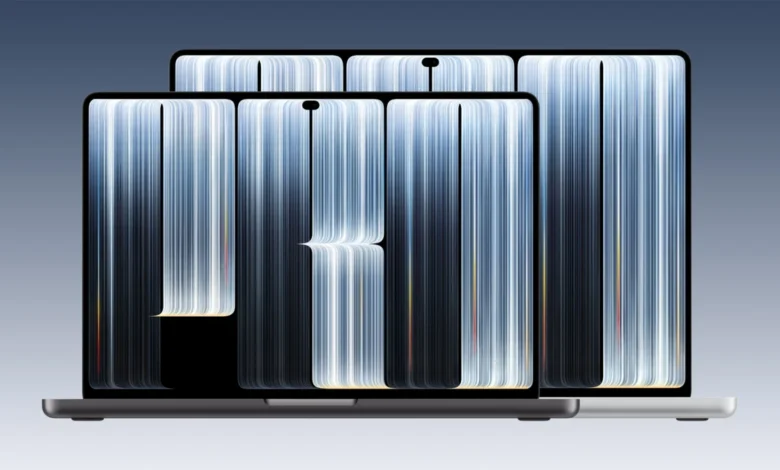
Simultaneously, the portable computing sector sees the arrival of the next-generation MacBook Pro models. The refreshed 14-inch MacBook Pro arrives outfitted with the brand-new M6 chip. Featuring a robust 12-core CPU—comprising 2 super cores, 4 performance cores, and 6 efficiency cores—paired with a matching 12-core GPU, the M6 marks a substantial performance upgrade over its predecessor, the M5, which utilized a 10-core CPU and 10-core GPU configuration. Combined with upgraded connectivity specifications and expanded memory bandwidth, the new MacBook Pro caters heavily to creative professionals and software developers seeking uncompromising computational power on the move.
The ecosystem expansion extends deeper into the living room and home entertainment sectors. The fourth-generation Apple TV 4K arrives alongside the newly introduced Apple HomeView smart home hub, creating a unified ecosystem for ambient computing, home automation, and media consumption. To complement these entertainment upgrades, Apple has also made the fourth-generation Siri Remote available for standalone purchase. While the remote is fully backward-compatible with the second-generation Apple TV 4K and newer models, advanced functionalities like Precision Finding require a paired iPhone Duo, iPhone Air, or a device from the iPhone 17, iPhone 17 Pro, or iPhone 17 Pro Max lineups.
Expanding Accessories and Unique Collaborations
Beyond the flagship computing and entertainment hardware, Apple’s October release calendar includes a variety of specialized peripherals, lifestyle accessories, and limited-edition items designed to capture niche consumer markets.
Among the more unexpected releases is the special-edition Beats Pill × Pokémon speaker, blending high-end consumer audio technology with globally recognized pop-culture branding. This limited collaboration positions the iconic portable speaker as a collector’s item for both tech enthusiasts and franchise fans.
On the productivity and travel fronts, Apple has introduced a newly styled Smart Folio for the A20 Pro-powered iPad mini in a sophisticated navy blue finish, alongside an updated World Travel Adapter Kit designed to accommodate global travelers with versatile, modular plug configurations. These smaller ecosystem additions ensure that every touchpoint of the user experience—from mobile power management to daily device protection—receives a thoughtful refresh.
Addressing Early Hardware Concerns: The iPhone Duo Response
While the vast majority of October’s announcements have been met with unmitigated consumer enthusiasm and positive developer feedback, the rapid launch schedule has not been entirely without turbulence. The immediate post-launch period for the iPhone Duo brought unexpected scrutiny following reports from a small fraction of early users concerning inner display durability.
Shortly after the device hit store shelves on October 23, isolated reports emerged detailing hinge-related pressure points that allegedly caused hairline cracks along the folding inner display. Recognizing the potential PR and consumer confidence implications of these reports, Apple moved swiftly to address the issue. In an official statement provided to media outlets, Apple confirmed that a very small number of units have been affected by manufacturing tolerances related to the initial production batch.
Industry analysts have noted that early production runs of radically new hardware architectures frequently encounter minor QA hurdles, but Apple’s transparent and rapid response has helped mitigate broader panic. Early customer sentiment toward the iPhone Duo remains overwhelmingly positive, with software developers rapidly updating their applications to take advantage of the dual-screen canvas. Apple’s customer support channels have been directed to streamline replacement logistics for any users experiencing the verified hinge anomalies, ensuring that consumer trust remains intact during a critical sales quarter.
Market Implications and Strategic Outlook
The cumulative impact of Apple’s October 2026 announcements signals a confident hardware strategy aimed at stimulating upgrade cycles across all major product lines. By refreshing the iPad mini with an OLED panel and the A20 Pro chip, Apple is revitalizing the small-tablet market, which has faced stagnant growth in recent years. Similarly, the introduction of the M6 chip in the 14-inch MacBook Pro cements Apple’s silicon dominance in the professional laptop space.
The simultaneous push into smart home integration via the Apple HomeView hub and the fourth-generation Apple TV 4K demonstrates a concerted effort to capture market share in residential automation. As consumers increasingly prioritize interconnected living spaces, Apple’s ecosystem lock-in becomes exponentially stronger.
Financially, spacing these releases across late October and mid-November positions the company exceptionally well for the upcoming holiday shopping season. With pre-orders for the latest wave of five products now live and deliveries set for November 6, Apple has successfully set the stage for robust fourth-quarter revenue. Despite minor early hurdles with the iPhone Duo, the overarching sentiment from Wall Street and consumer analytics firms is that Apple’s 2026 product portfolio is among its most cohesive and technologically ambitious to date. What a month indeed.
Related posts: