The Enigmatic Legacy of Europe’s Peat Bog Mummies and the Science of Ancient Preservation

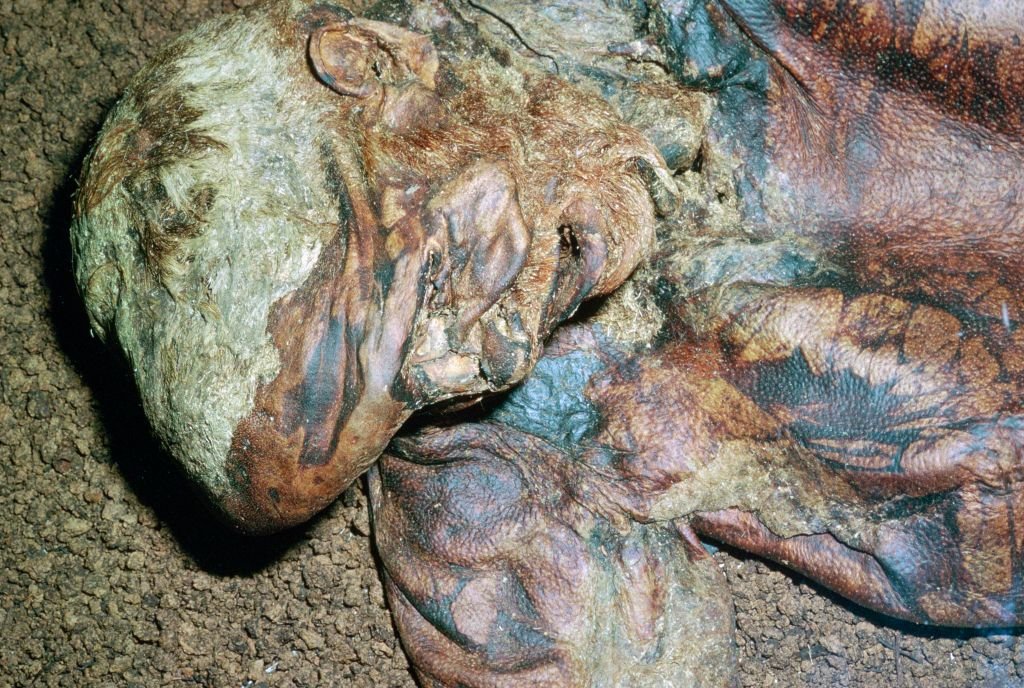
In August of 1984, commercial peat cutters operating near Wilmslow, roughly thirty minutes south of Manchester, England, unearthed a discovery that would challenge modern understanding of Iron Age mortuary practices. While clearing away layers of accumulated vegetation, the workers revealed a human corpse, remarkably preserved within the anaerobic depths of the Lindow Moss. Subsequent forensic analysis identified the remains as those of a 25-year-old male. Despite two millennia of submersion, the body exhibited an eerie state of suspended animation; his beard remained neatly shorn, and his fingernails were meticulously manicured, suggesting a level of grooming that belied the violent end he met. He had sustained a fractured rib, a slashed throat, and at least two or three heavy, localized blows to the head. This individual, now globally recognized as the Lindow Man, is the most famous example of a phenomenon that has fascinated historians, archaeologists, and forensic scientists for decades: the bog body.
The discovery of the Lindow Man provided a window into the complex ritualistic landscape of Iron Age Britain. His presence in the peat serves as a tangible link to a period largely documented only through fragmented Roman accounts or archaeological remnants. While he is a singular focal point of study, he is part of a much larger, continent-wide collection. Archaeologists estimate that at least 2,000 bog bodies have been recovered from the peatlands of Northern Europe, spanning a vast temporal range from the Mesolithic period—ending roughly 5,500 to 8,500 years ago—through to the casualties of the Second World War.
The Chemistry of the Bog: A Natural Laboratory
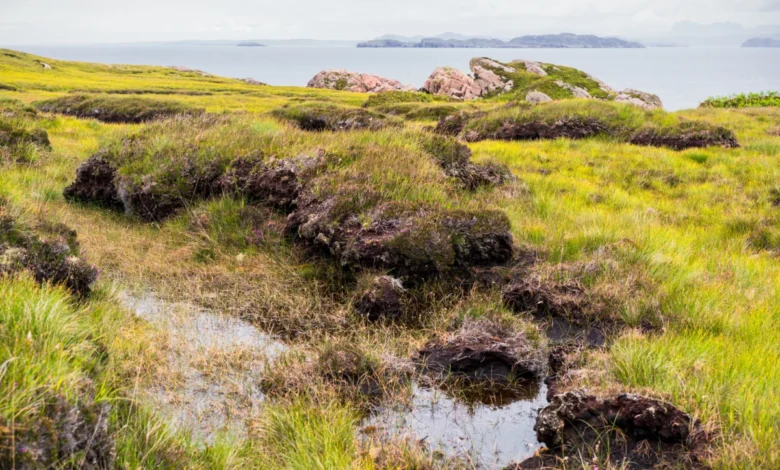
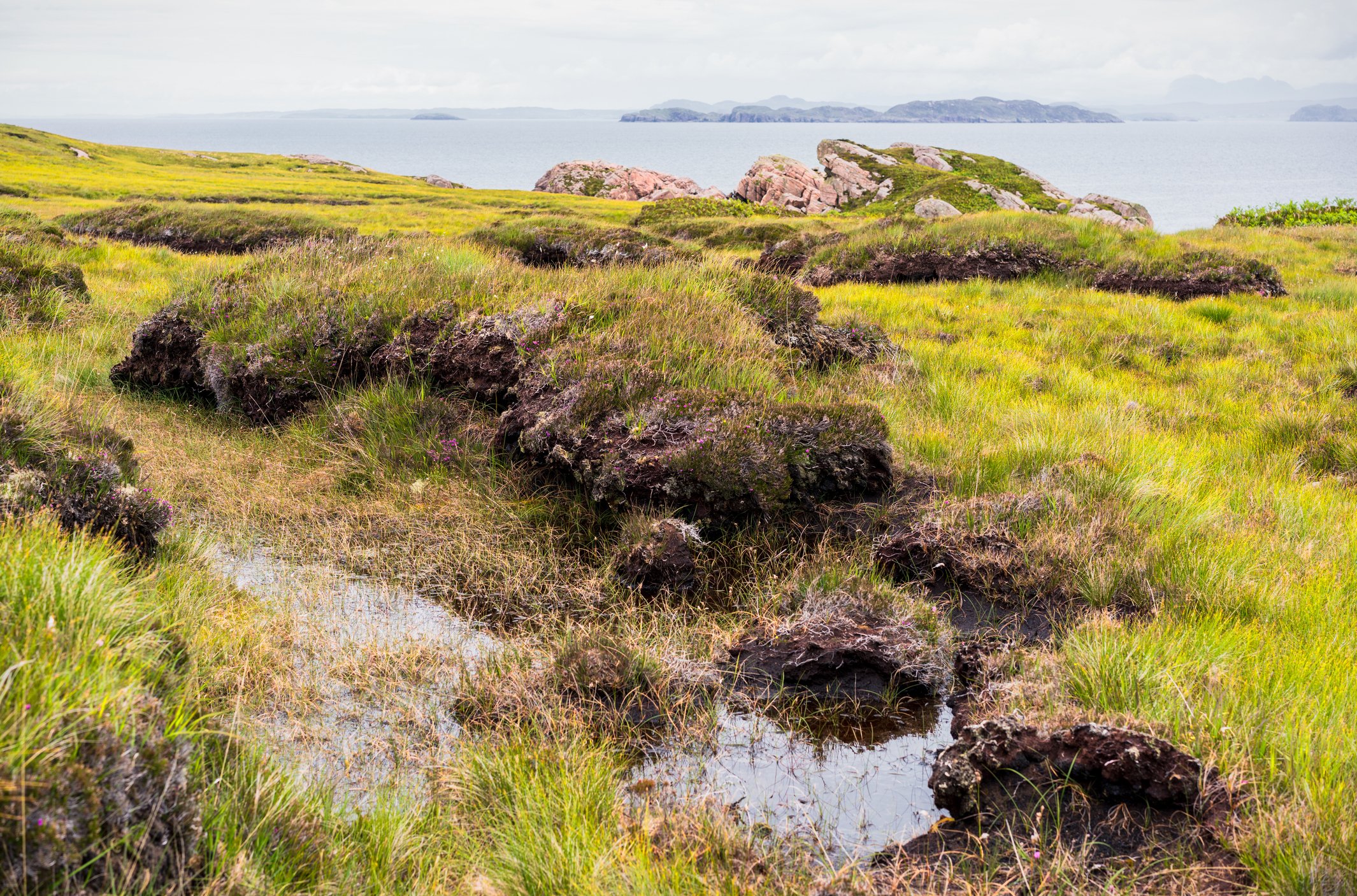
The remarkable preservation of these human remains is not a product of embalming, but rather a byproduct of the unique environmental conditions inherent to peat bogs. A bog is, fundamentally, a nutrient-poor, acidic wetland ecosystem defined by its accumulation of partially decayed organic matter, or peat. This peat is primarily composed of Sphagnum moss, a plant genus known for its extraordinary water-retention capabilities.
The preservative power of the bog relies on a precise intersection of chemistry and physics. As Sphagnum moss accumulates, it creates a spongy, waterlogged mat that prevents the circulation of oxygen. This lack of oxygen is critical; without it, the aerobic bacteria and fungi responsible for decomposition cannot thrive. Furthermore, these environments are highly acidic, typically maintaining a low pH level that acts as a natural "pickle brine."

A key chemical agent in this process is a carbohydrate known as sphagnan. Released by the moss, this complex carbohydrate binds to the proteins within human tissue, effectively tanning the skin and turning it a dark, leathery, reddish-brown. This process is so effective that internal organs, hair, and skin can remain intact for centuries. Conversely, the high acidity of the bog is detrimental to skeletal integrity. The low pH leaches calcium carbonate from the bones, often leaving them decalcified, softened, or even entirely dissolved, resulting in the paradoxical sight of a perfectly preserved face attached to a skeleton that has all but vanished.
A Chronology of Discovery and Research
The study of bog bodies has evolved significantly since the early 20th century. Early discoveries were often treated as modern crimes, with local authorities frequently called to investigate "recent" murders before carbon dating confirmed the antiquity of the remains.
The Lindow Man remains a centerpiece of the British Museum’s collection, providing a longitudinal study subject for modern bioarchaeologists. Author and journalist Anna North, who extensively researched the phenomenon for her novel Bog Queen, notes that the encounter with such a preserved individual creates a profound cognitive dissonance. Observing a human who walked the earth 2,000 years ago, still possessing recognizable features, challenges our perception of death and time.
The investigative process surrounding these bodies has become increasingly sophisticated. Bioarchaeologists now use CT scanning and isotopic analysis to determine the diet, health, and geographic origins of the deceased. Forensic pathologists, meanwhile, have identified patterns in the injuries sustained by these individuals. Many, like the Lindow Man, exhibit "overkill"—a combination of trauma suggesting ritualized violence. Theories regarding these deaths range from judicial execution to sacrifice intended to appease deities during times of famine or social unrest.
Forensic Identification and Biological Insights
Identifying the era and lifestyle of a bog body requires a multidisciplinary approach. One of the most effective indicators of the individual’s time period is dental wear. Before the advent of refined milling, the consumption of ground grain often involved the accidental ingestion of grit from the stones used in the grinding process. This leads to distinct patterns of tooth abrasion not seen in populations that consumed flour processed with more advanced machinery.
Collaborative efforts between forensic anthropologists and pathologists allow researchers to build a profile of the individual. While the anthropologist focuses on biological age, sex, and physical health, the pathologist investigates the traumatic events that led to the body being deposited in the bog. In many instances, the combination of trauma and the lack of traditional burial suggest these individuals were treated differently than those buried in conventional cemeteries, perhaps indicating they were social outcasts, criminals, or, as some evidence suggests, honored individuals sacrificed for the greater good of their community.
Ecological Implications: The Carbon Connection
Beyond their archaeological value, peat bogs are essential components of the Earth’s climate regulation system. The same lack of oxygen that preserves human remains also prevents the decomposition of plant matter, which allows peat to function as a massive carbon sink.
Although peatlands cover only about three percent of the global land surface, they are estimated to store twice as much carbon as all the world’s forests combined. The implications of this are significant: when bogs are drained or destroyed, the sequestered carbon is released back into the atmosphere as carbon dioxide, contributing to global warming. Protecting these ecosystems is, therefore, a dual imperative: it preserves our biological history and safeguards our future climate.
Comparative Preservation: Raised Bogs vs. Fens
Not all wetlands offer the same degree of preservation. Scientists classify peatlands into categories based on their water source and nutrient content. Raised bogs, which are dome-shaped and rely entirely on precipitation, are the most effective at preserving human tissue. Their high acidity and extreme lack of oxygen create an environment where decay is almost entirely halted.
In contrast, fens—wetlands that receive water from mineral-rich groundwater—are less acidic and more nutrient-dense. Consequently, bodies deposited in fens are more likely to undergo normal decomposition, as the higher pH levels and mineral content support the microbial life that breaks down organic matter. Blanket bogs, while effective, often offer a middle ground, leading to varied states of preservation depending on the depth of the peat layer.
The Myth and the Reality
For centuries, peat bogs have occupied a dark corner of the cultural imagination. Their shifting, mist-covered surfaces and the occasional emergence of a preserved face have made them the perfect setting for gothic literature and detective fiction. Works such as Arthur Conan Doyle’s The Hound of the Baskervilles and Daphne du Maurier’s Jamaica Inn utilize the bog as a symbol of the unknown, an unstable landscape where the past literally surfaces to haunt the present.
However, the reality for the modern visitor is far less ominous. While these areas were once treacherous for those without local knowledge, today’s bogs are managed for conservation and public access. The risk of accidentally falling into a bog and becoming a "bog body" is negligible for those who remain on designated pathways.
Looking Toward the Future
The study of bog bodies continues to provide invaluable data on the lives of our ancestors. As technology advances, researchers hope to uncover even more secrets held within these peat-stained vessels. From mapping the migration patterns of Iron Age peoples through strontium isotope analysis to understanding the cultural rituals that led to their final moments, the "bog people" continue to inform our historical narrative.
The legacy of the Lindow Man and his peers is a testament to the intersection of environmental and human history. They remind us that the earth is not merely a stage for the living, but a record-keeper for the dead. As we continue to study these preserved figures, we gain not only a better understanding of the past but also a deeper appreciation for the fragile, complex ecosystems that make such discovery possible. The bog is a quiet archive, a place where time, through a simple yet powerful chemical process, is held in a state of perpetual waiting, offering up its secrets to those who look closely enough at the damp, dark earth.
Related posts: