Gemini Notebook rolls out new integrated audio recording features across Android and iOS platforms

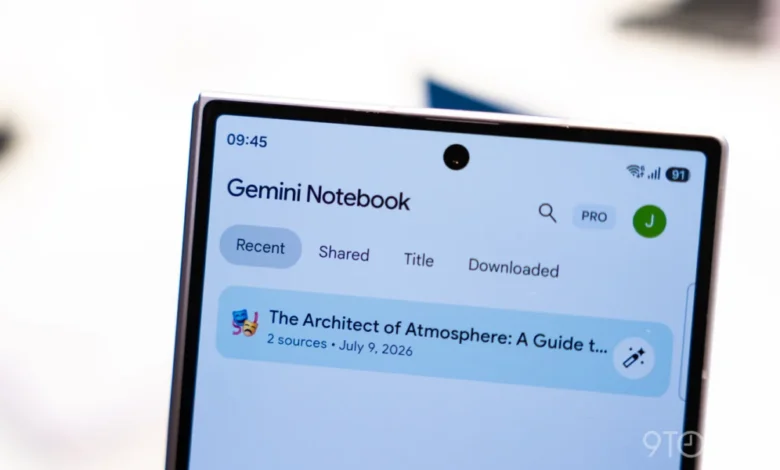
Following a series of rapid updates designed to bolster Google’s AI-driven productivity ecosystem, Gemini Notebook has officially integrated a native audio recording tool into its mobile applications on both Android and iOS. This enhancement, which follows the introduction of Connected App integration just last week, marks a significant pivot toward making the platform a comprehensive capture-and-synthesis hub for researchers, students, and professionals alike.
The new feature, accessible via a microphone icon positioned between the camera tool and the "Create New" floating action button (FAB) at the bottom of the interface, allows users to record lectures, meetings, and spontaneous ideas directly within the application. By centralizing audio capture alongside existing note-taking capabilities, Google is positioning Gemini Notebook as a unified environment where raw information—whether textual, visual, or auditory—can be transformed into structured, actionable insights.
The Functionality of the New Recorder
The audio recorder is designed with a focus on simplicity and efficiency. Upon tapping the microphone icon, the interface transitions to a streamlined capture mode that displays a proprietary Gemini-themed waveform alongside a live duration counter. The tool supports background recording, meaning users can lock their screens or switch to other applications without interrupting the capture process.
According to technical specifications, the recorder includes a one-hour capture limit per session. Once a recording is completed, users tap a checkmark icon to trigger the upload process. The application offers two distinct workflows based on the user’s intent: launching the recorder from the application’s homepage initiates the creation of an entirely new notebook, while activating it from within the "Sources" tab of an existing notebook automatically attaches the audio file to that specific project.
Once the audio file is processed, it becomes a source for the Gemini AI. Users can then leverage the model’s capabilities to chat with the recording, cite specific points, or synthesize the audio into summaries, outlines, or deeper research notes. This seamless integration ensures that the audio remains a living part of the project rather than a static, disconnected file.
Chronology of Recent Gemini Notebook Developments
This update represents the latest milestone in an aggressive development roadmap that Google began outlining in mid-2026. The evolution of the tool has been rapid, moving from a static research assistant to a dynamic, multimodal productivity suite.
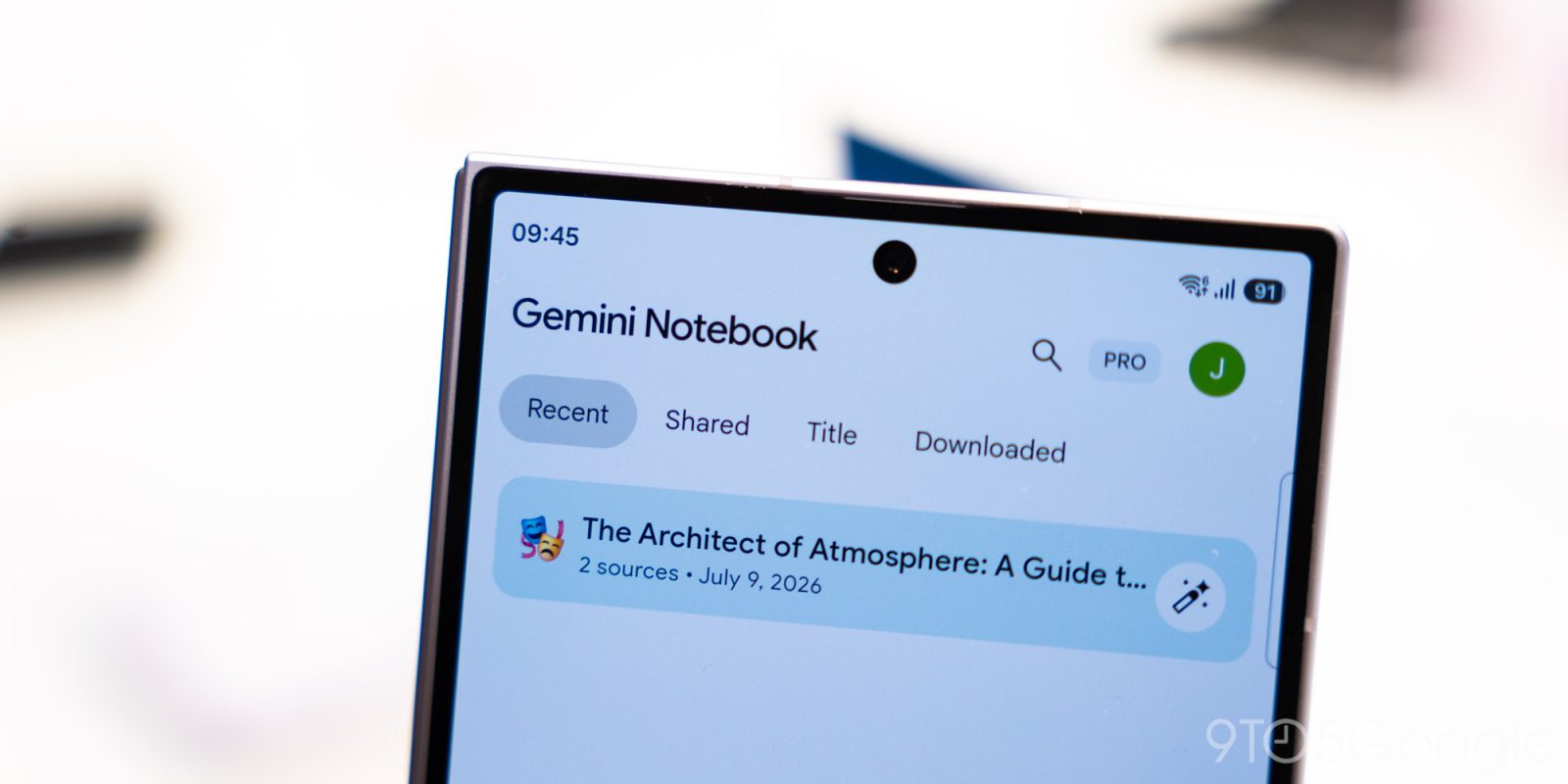
- September 2026: Google formally announced the development of the audio recording feature, signaling an intent to capture the mobile productivity market dominated by traditional voice memo apps.
- Late October 2026 (Week of Oct 23): Google introduced Connected App integration, allowing Gemini Notebook to pull data from other Google services, significantly increasing the relevance of the information stored within the notebooks.
- Early November 2026: The company implemented a structural change to the user interface, modifying the "Create New" floating action button (FAB). Previously, this button opened a menu to "Add a source"; now, it immediately launches a new notebook, reducing the friction for users starting fresh projects.
- Present: The widespread rollout of the audio recorder on the Google Play Store and the Apple App Store, finalizing the feature set previewed earlier in the autumn.
These incremental updates have been punctuated by the earlier launch of the "Live" button within the Chat tab, which enables real-time voice-based conversational interaction with the AI regarding the contents of a user’s notebooks.
Supporting Data and Market Context
The move into audio capture is not merely a feature enhancement; it is a calculated response to the changing landscape of AI productivity. As generative AI models become more adept at processing multi-modal inputs, the ability to ingest and synthesize spoken language has become a "table stakes" requirement for productivity platforms.
Current industry metrics suggest that productivity applications incorporating AI-driven transcription and summary tools see significantly higher user retention rates. By providing a 1-hour limit, Google is specifically targeting the academic and corporate sectors, where typical lectures and meetings often fall within the 45-to-60-minute window.
Furthermore, the integration of audio into the "Sources" tab addresses a common pain point in modern research: information fragmentation. Users previously had to record audio in a separate app, transcribe it using a third-party service, and then manually import the text into a note-taking tool. By removing these steps, Google is effectively collapsing the research workflow, saving users an estimated 10 to 15 minutes of administrative overhead per recorded session.
The "Connected App" Philosophy
The recent addition of the audio recorder must be viewed in tandem with the "Connected App" integration released previously. This integration allows Gemini Notebook to pull data from a user’s wider Google workspace—including emails, documents, and cloud storage—and cross-reference that information with new inputs like audio recordings.
For example, a user could record a meeting discussing a specific project, and the AI could then compare the contents of that recording against a project proposal stored in Google Docs or a series of emails from stakeholders. This ability to synthesize data across different formats—spoken, written, and stored—represents the next frontier of personal knowledge management.
Official Stance and User Implications
While Google has not released a formal press release detailing the specific engineering challenges of this rollout, the company’s recent messaging emphasizes a shift toward "ambient intelligence." The goal, as reflected in the interface updates, is to make the technology disappear so that the user can focus on the content.

Analysts suggest that this update may place pressure on competitors like Notion, Obsidian, and Microsoft’s OneNote, all of which are racing to integrate similar generative AI features. The differentiator for Google remains its proprietary Gemini model, which offers a level of contextual awareness—linking audio to existing notebooks—that remains difficult for third-party integrations to replicate with the same level of fluidity.
Broader Impact and Ethical Considerations
The introduction of native, AI-assisted audio recording on mobile devices raises inevitable questions regarding privacy and data governance. As with all Google services, recordings uploaded to Gemini Notebook are subject to Google’s data privacy policies. Users are encouraged to be mindful of local regulations concerning the recording of private conversations, as the convenience of the tool does not supersede the legal requirements of consent in many jurisdictions.
From an institutional perspective, the implications for education and corporate security are significant. Educators may need to update policies regarding the use of AI in classrooms, while enterprises will likely need to evaluate whether their internal security protocols allow for the storage of potentially sensitive meeting audio on cloud-integrated AI platforms.
Conclusion and Future Outlook
The rollout of the audio recorder marks the completion of a major phase in the development of Gemini Notebook. With the ability to capture real-time audio, converse with the AI, and integrate data from across the Google ecosystem, the platform is rapidly maturing into a comprehensive digital assistant.
Users who find the update is not yet available on their devices are advised to perform a manual update via the App Store or Google Play Store, or to perform a "force stop" of the application to refresh the server-side configuration. As Google continues to refine the interface and integrate further capabilities, it is clear that the focus will remain on reducing the friction between information gathering and knowledge creation.
The integration of voice, text, and data into a single, chat-enabled notebook format suggests that Google is betting on a future where the primary interface for work is not the keyboard, but a continuous, intelligent dialogue with one’s own accumulated information. Whether this becomes the standard for professional productivity remains to be seen, but the rapid pace of these updates indicates that the company is committed to securing its position at the forefront of the generative AI revolution.