Apple Releases tvOS 27.2 for Apple TV 4K With FaceTime Upgrades, Screen Saver Shuffling, and Find My Remote Integration

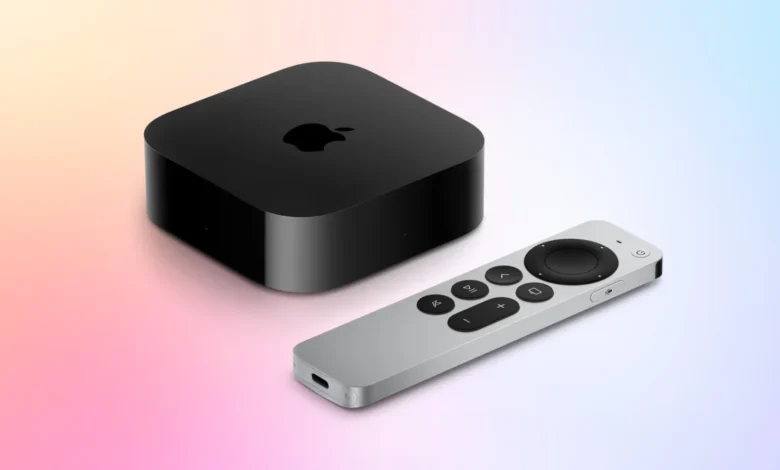
Apple has officially rolled out tvOS 27.2, the latest software update designed for the Apple TV 4K (second generation) and subsequent models. Initially launched to the public on a Monday, the new firmware arrives as the first major software iteration for Apple’s set-top box since the deployment of tvOS 27 in September. Notably, Apple skipped a tvOS 27.1 release entirely, moving directly from the initial major fall operating system launch to this intermediate 27.2 patch.
Because Apple’s tvOS operating system does not natively display detailed software release notes within the on-device Settings application, users must rely on Apple’s official web-based support documentation to track changes. Following the software’s distribution, Apple updated its central support channels to outline the specific enhancements, bug fixes, and security patches included in the tvOS 27.2 package. While the update brings several practical additions to compatible hardware, it also leaves notable questions unanswered regarding future AI capabilities for older device generations.
Detailed Breakdown of tvOS 27.2 Features
The newly published release notes highlight a trio of core feature categories: FaceTime communications, screen saver customization, and hardware tracking via the Find My ecosystem.
For video calling enthusiasts, tvOS 27.2 introduces streamlined integration with FaceTime links. Users can now join scheduled or ad-hoc video calls directly from their television interface with fewer manual hurdles. Furthermore, Apple has expanded accessibility features within the living room FaceTime experience by introducing support for third-party services, including sign language interpreters and real-time captioning integrations. These additions are designed to make Apple TV video calls more inclusive and practical for group meetings and family catch-ups on a large screen.
Screen savers have also received a notable personalization overhaul. Consumers can now utilize an iPhone to select specific, curated photos for their Apple TV screen saver without needing to grant the set-top box complete access to their entire iCloud photo library. In addition, a long-requested shuffle feature has been integrated, allowing the system to seamlessly rotate and cycle through different screen saver categories dynamically, preventing visual fatigue for users who leave their screens idle for extended periods.
The Find My application has similarly expanded its hardware purview. With tvOS 27.2 installed, users can locate a misplaced Siri Remote (second generation or newer) using their paired iPhone. However, hardware limitations dictate that advanced tracking features, such as Precision Finding utilizing Ultra Wideband technology, remain exclusively bound to the newest fourth-generation Siri Remote. Alongside these user-facing upgrades, the software package contains standard background security updates and system stability bug fixes.
The Broader Smart Home and Hardware Timeline
The rollout of tvOS 27.2 occurs against the backdrop of a major hardware and software push by Apple into the smart home and living room sectors. The chronology of recent Apple TV developments underscores a deliberate, phased strategy by the Cupertino-based technology giant heading into the critical holiday shopping season.
During late September, Apple released tvOS 27, establishing the foundational architecture for the current product cycle. This was followed in mid-October by a flurry of leaks and official product announcements. Prominent industry reporting from Bloomberg’s Mark Gurman initially detailed an expansive slate of upcoming home ecosystem hardware, including a dedicated smart home hub provisionally referenced as HomeView, an updated HomePod mini 2, and a refreshed Apple TV 4K.
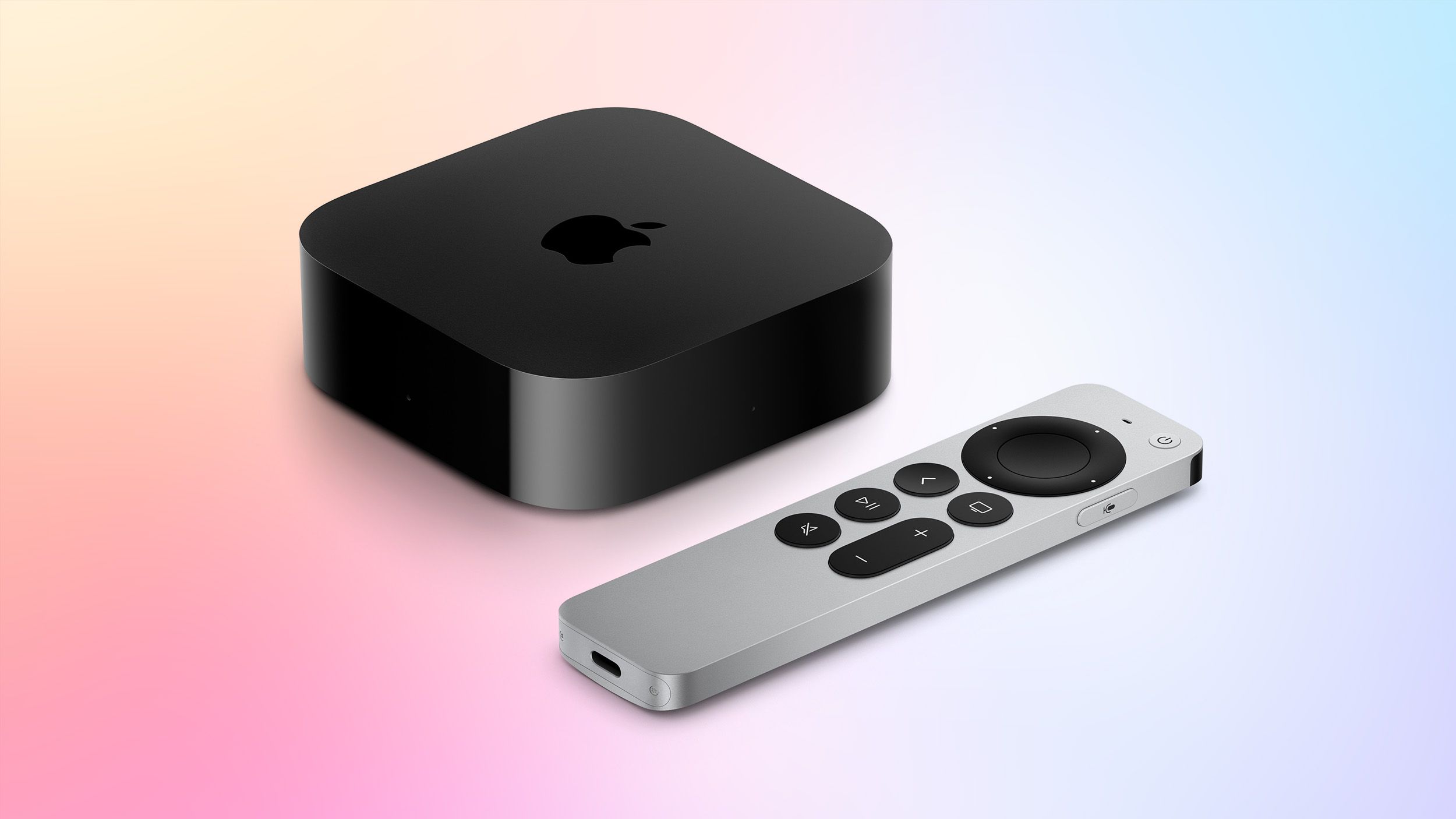
On October 13, Apple formally confirmed these hardware ambitions by announcing the fourth-generation Apple TV 4K. This latest flagship streaming box boasts the high-performance A19 chip—delivering up to a 50 percent increase in CPU performance and double the graphics processing capabilities of its predecessor—alongside built-in far-field microphones, expanded audio routing supporting up to four HomePods in dual front and rear configurations, and the redesigned Siri Remote.
Siri AI and Future Implications for Older Hardware
One of the most heavily anticipated aspects of Apple’s autumn hardware and software cycle is the integration of advanced artificial intelligence features, broadly marketed under the banner of Siri AI. Apple previously indicated that Siri AI capabilities would eventually extend backward to encompass the Apple TV 4K (second generation) and newer models.
However, users updating to tvOS 27.2 will notice that these advanced artificial intelligence functions are not yet active on legacy hardware. Industry analysts suggest that the delayed activation on older devices is strategically tied to the commercial launch of the fourth-generation Apple TV 4K, which arrives on shelves on Friday, November 13. Because Siri AI serves as a primary marketing pillar for the new hardware tier, Apple may be staggering the software enablement to prioritize the debut of its latest flagship device before rolling out parallel capabilities to existing installed bases via subsequent point releases later in the year.
The release of tvOS 27.2 ultimately represents a consolidation update. It addresses immediate consumer requests—such as improved remote tracking, flexible screen saver rotation, and enhanced accessibility in video communication—while quietly laying the groundwork for a more deeply integrated, AI-driven home entertainment ecosystem as Apple prepares for its late-autumn retail push.
Related posts: