Apple Integrates Google’s SynthID Watermarking into iOS 27.2 for AI-Generated and Altered Images

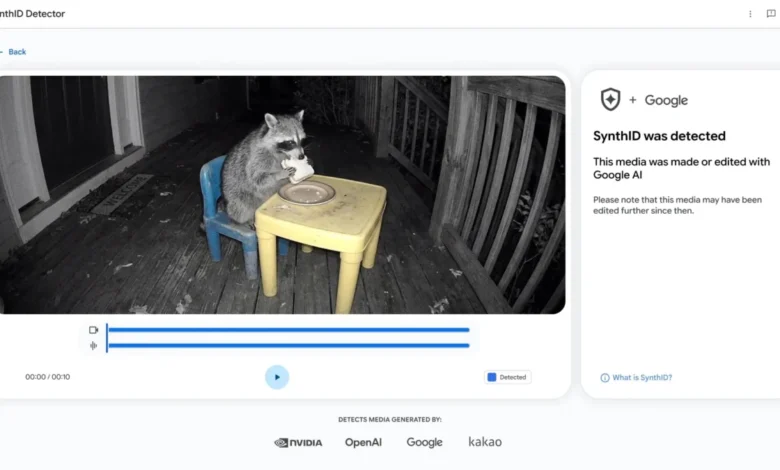
Apple has officially rolled out native support for Google’s SynthID watermarking technology with the release of iOS 27.2. The integration marks a significant milestone in the technology industry’s ongoing efforts to establish universal standards for identifying artificial intelligence-generated and manipulated media. Originally announced by Apple during its Worldwide Developers Conference (WWDC) in June, the feature is now live on compatible iPhones, automatically embedding invisible digital watermarks into pictures created via Apple Intelligence features and the dedicated Image Playground application.
As the boundary between authentic photography and synthetic media continues to blur, major technology companies face mounting pressure from regulators, journalism watchdogs, and consumers to provide transparent markers of digital provenance. By adopting SynthID—an open-source-friendly watermarking framework developed by Google DeepMind—Apple is aligning itself with an industry-wide coalition that includes OpenAI, Microsoft, and Google itself, all striving to combat misinformation, deepfakes, and unauthorized synthetic content.
Mechanics of SynthID: Pixel-Level Identification
Unlike traditional digital watermarks that rely on easily stripped metadata, visible stamps, or steganographic tags that degrade with routine image processing, SynthID operates directly at the pixel level. According to Google, the algorithm alters individual pixels across an image in a way that remains imperceptible to the human eye, preserving the original visual fidelity and aesthetic quality of the photograph.
Crucially, this pixel-level modification is engineered to survive common, everyday manipulations. Whether a user applies heavy digital filters, crops the aspect ratio, compresses the file size for web uploads, or takes a screenshot of the image, the SynthID signature typically remains intact. This resilience makes it an effective forensic tool for content moderators, journalists, and platforms seeking to verify the origin of digital media long after it has been shared across various social networks and communication channels.
However, verifying the presence of a SynthID watermark requires external tools. Apple has not built a native scanning or detection interface into the iOS Photos app or the broader operating system. Instead, users, researchers, and platforms must utilize dedicated verification gateways, such as the official SynthID Detector web portal, to query an image file and determine whether it contains the algorithmic signature.
Real-World Application Within iOS 27.2
Testing of the iOS 27.2 software reveals nuanced implementation across Apple’s suite of generative editing tools. The application of the watermark is not uniform across every single photo modification; rather, it scales depending on the nature and depth of the AI intervention.
For instance, images generated from scratch using the Image Playground app universally carry the SynthID watermark. Because these assets are entirely synthetic, they serve as prime candidates for digital provenance tracking.
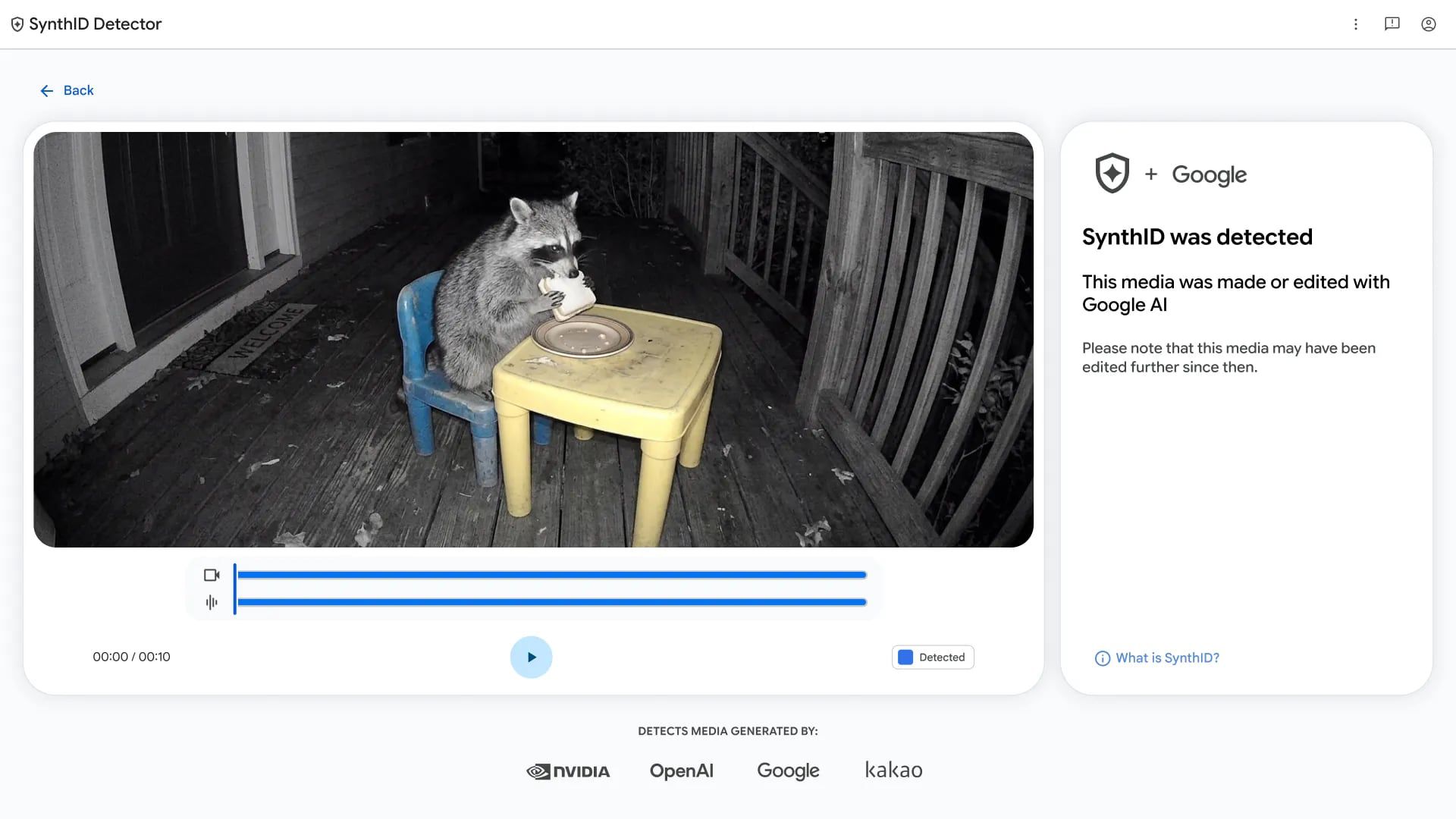
When examining the built-in Photos app editing suite, the results vary based on the specific tool utilized:
- Extend and Reframe: Photos that undergo structural expansion or AI-driven recomposition consistently test positive for SynthID watermarks. These tools fundamentally generate new pixels to fill in missing canvas areas, necessitating algorithmic tracking.
- Clean Up: The application of the Clean Up tool—which allows users to remove unwanted objects or photobombers from a scene—yields conditional results. Minor, localized edits that remove small blemishes or minor objects often do not trigger the watermarking process. Conversely, larger, substantial Clean Up edits that alter a significant portion of the visual composition reliably include the SynthID watermark.
This tiered approach reflects a practical balance between privacy considerations for minor photo retouches and the broader societal need to flag heavily altered or entirely fabricated visual narratives.
A Chronology of Apple’s AI Transparency Initiative
The deployment of iOS 27.2 represents the culmination of a multi-year strategy by Apple to address the ethical implications of generative artificial intelligence.
- June (WWDC): Apple officially outlines its roadmap for AI transparency, confirming plans to integrate industry-standard provenance markers, including SynthID, into its forthcoming operating systems.
- Early October: Apple accelerates testing schedules, distributing the iOS 27.2 release candidate to registered developers and public beta testers for stress-testing of system-level integrations.
- Mid-October: Reports emerge regarding minor bug fixes and network patches in parallel software releases, such as iOS 27.0.1, ensuring overall system stability prior to the widespread deployment of feature-rich updates.
- Late October: iOS 27.2 officially launches to the public, turning on background SynthID watermarking for Image Playground and Apple Intelligence editing utilities.
This structured rollout underscores Apple’s deliberate methodology: introducing advanced generative capabilities first, followed closely by safety, security, and attribution infrastructure to mitigate potential downstream risks.
Industry Implications and the Path Forward
The adoption of a shared standard like SynthID by competitors such as Apple and Google signals a maturation in how the technology sector approaches the synthetic media crisis. Historically, proprietary watermarking systems fragmented the market, making it difficult for third-party platforms to build universal detection tools. By consolidating around frameworks capable of cross-platform recognition, the tech industry moves closer to a standardized digital bill of health for media.
Nevertheless, challenges remain. The reliance on web-based detectors rather than on-device scanning means that everyday consumers cannot easily verify the authenticity of an image in real time while browsing their camera rolls or social media feeds. Privacy advocates will also monitor how these tools interact with user data, though developers emphasize that SynthID analyzes pixel patterns without exposing personal user identifiers or location metadata.
As generative AI tools become deeply embedded in mobile operating systems, features like iOS 27.2’s SynthID integration will likely transition from novel additions to mandatory baseline requirements. For Apple, this update establishes a foundation for trustworthy computing, ensuring that as creative capabilities expand, accountability and transparency evolve in tandem.