Forbidden Solitaire The Discarded DLC expands the haunted desktop experience with new mechanics and narrative depth

The landscape of independent card games has undergone a significant transformation since the breakout success of titles like Inscryption, which blended traditional card mechanics with meta-narrative horror. Building upon this foundation, the developers at Grey Alien Games and Night Signal Entertainment have released The Discarded, a substantial expansion for their cult hit Forbidden Solitaire. This downloadable content (DLC) introduces 30 new levels, fresh gameplay mechanics, and a continuation of the 1995-inspired atmospheric mystery that defined the original base game.
A Departure from Conventional Solitaire Mechanics
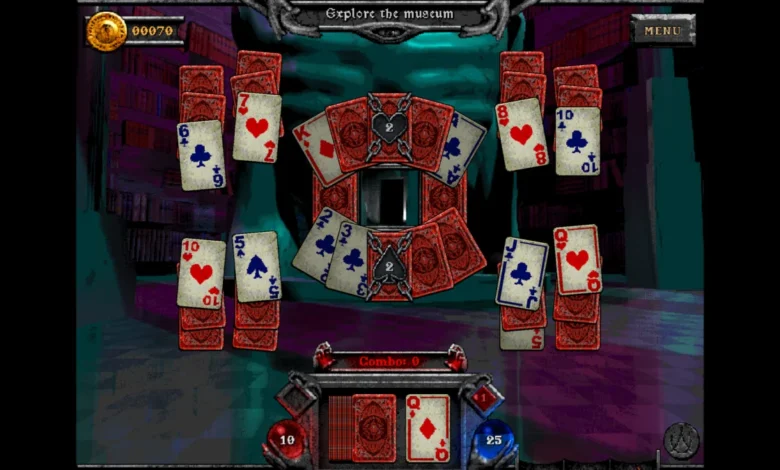
Forbidden Solitaire is not a conventional digital recreation of the classic Microsoft-era pastime. Instead, it operates as a "haunted" software simulation, where the game board is a battleground against supernatural entities. In The Discarded, the developers have ratcheted up the difficulty, forcing players to abandon traditional strategies.
The primary innovation in this expansion is the integration of combat-oriented mechanics into the solitaire framework. Players are no longer merely clearing columns; they are managing resources to survive direct assaults from enemies that manipulate the board state. For instance, the expansion introduces mechanics such as "wet paint," a status effect that obscures cards and prevents their use, and "marbled cards," which disrupt potential combos and render players unable to generate the necessary damage to progress.
Furthermore, the game’s core loop requires a deeper understanding of card management. Certain cards are now shielded by "bone" overlays, necessitating multiple plays before they can be removed from the tableau. These additions force players to prioritize efficiency and foresight, as the deck is finite and prone to depletion if the player fails to manage their moves effectively.
The Evolution of the Meta-Narrative
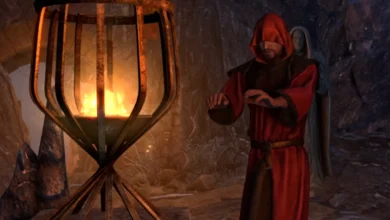
At the heart of the Forbidden Solitaire experience is its "90s-era PC interface" aesthetic. The Discarded leans heavily into the found-footage and analog-horror genres. Players assume the role of Robyn Cierra, a protagonist investigating the origins of the fictional 1995 software package.
The narrative is delivered through an external layer of communication, with the player receiving text messages, images, and fragmented full-motion video (FMV) clips. These narrative segments detail the chaotic development history of the in-universe game, suggesting that the software was never meant to reach the public. By framing the gameplay as a digital investigation, the developers have successfully integrated a layer of psychological tension that distinguishes Forbidden Solitaire from its peers in the digital card game genre.
Chronology and Development Context
The release of The Discarded follows a positive reception of the base game, which garnered attention for its unique blend of "solitaire-as-horror." The development timeline for this expansion began shortly after the base game’s launch, with the team focusing on player feedback regarding the original’s difficulty spikes.
- Initial Launch: Forbidden Solitaire debuted with a core set of levels that established the mechanical baseline: playing cards to fend off monsters while navigating a cursed software environment.
- Community Reception: Players noted the game’s potential for expansion, specifically requesting more complex enemy types and higher-stakes scenarios.
- Expansion Development: The Discarded was built to address these requests by introducing 30 levels that explicitly force players to utilize the "mutilation" mechanics—a feature where players sacrifice health or board state to perform actions like throwing cards or using magical glyphs.
- The Current State: With the release of the DLC, the developers have confirmed that the total play experience now encompasses both the original story arc and the expanded investigation undertaken by the character Robyn Cierra.
Mechanical Innovations and Strategic Depth
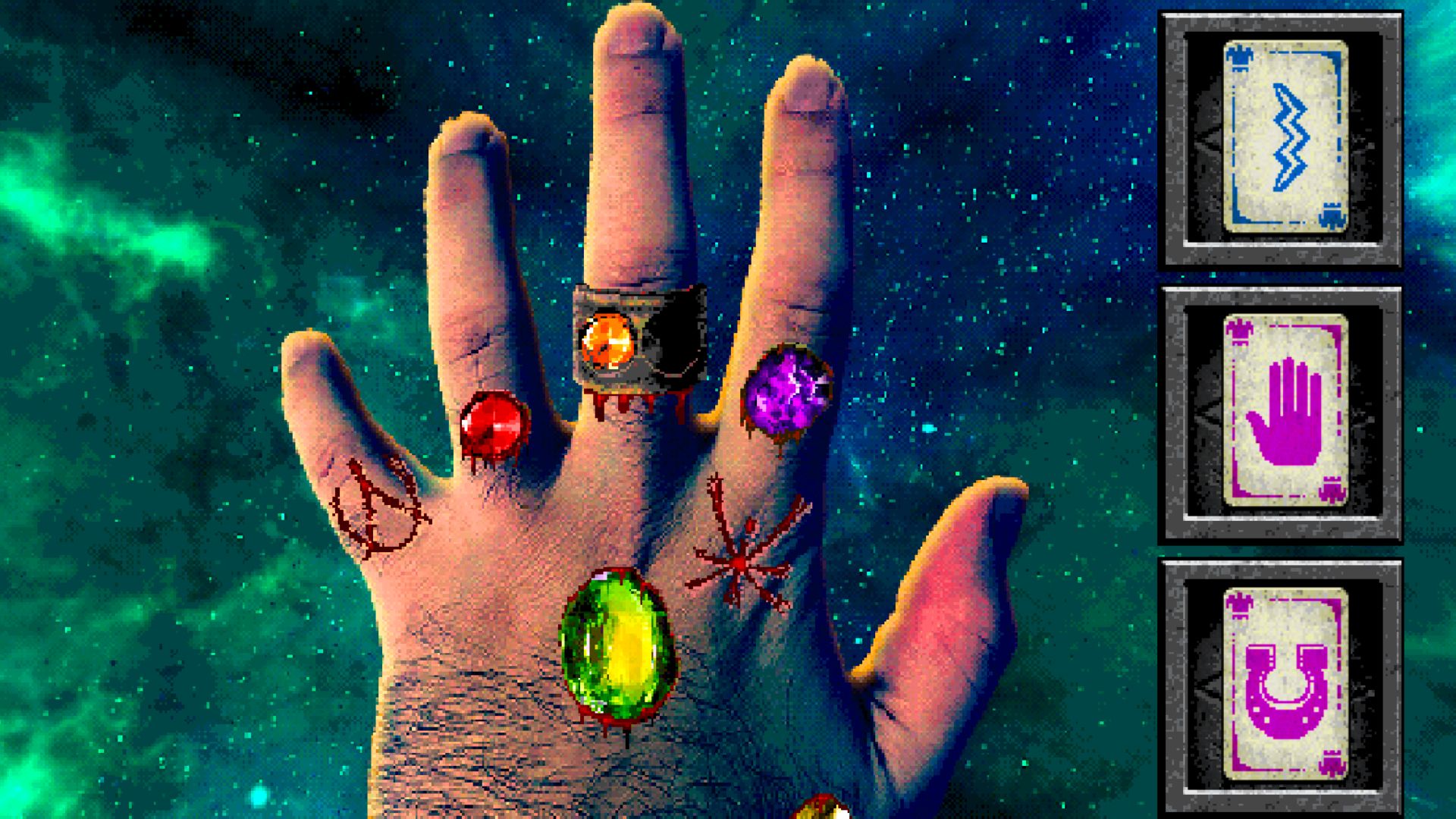
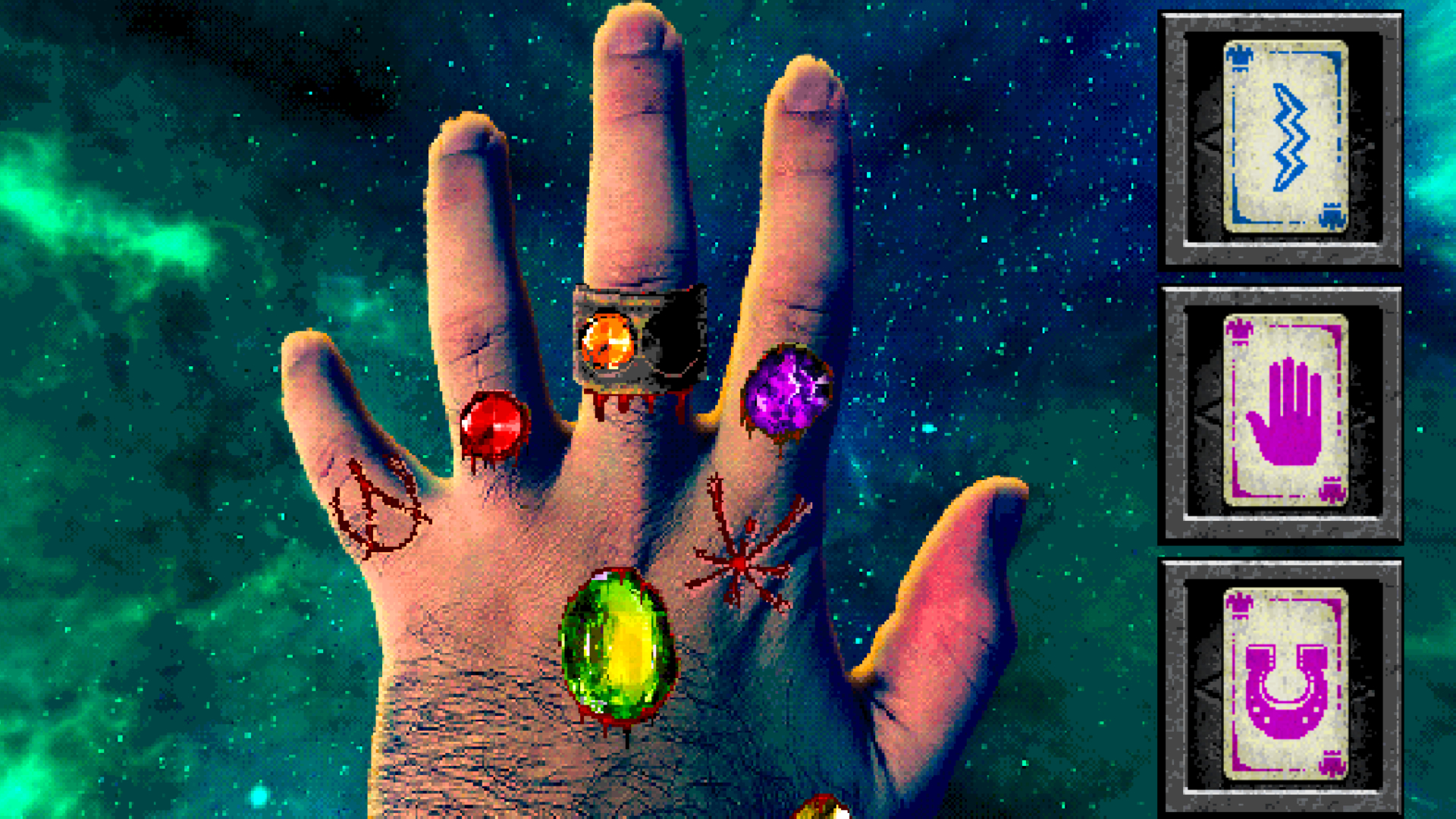
One of the most notable features carried over and expanded upon in The Discarded is the system of "unholy decorations." In the base game, players were introduced to the concept of modifying their own hand—specifically, embedding gems into their skin—to gain combat advantages.
The expansion builds on this by allowing players to sear glyphs into the character’s skin. These permanent buffs provide statistical advantages, such as increased damage output, but they come at a narrative and thematic cost. This risk-reward system ensures that players are constantly making choices between their survival in the solitaire game and the integrity of their character’s well-being. The integration of these elements turns what could have been a standard puzzle game into a strategic survival experience where the player’s own "body" acts as a resource management tool.
Market Impact and Industry Trends
Forbidden Solitaire, priced at $16 (currently discounted to $11.51), sits in a competitive indie market. The release of The Discarded at an $8 price point serves as a model for how smaller studios can extend the lifecycle of their titles without resorting to microtransactions or live-service models.
The industry at large has seen a renewed interest in "cozy horror" or "creepy analog" games. By utilizing the nostalgia of 90s CD-ROM software, Forbidden Solitaire taps into a specific aesthetic that resonates with players who grew up during the early days of Windows-based gaming. The success of the DLC suggests that there is a sustainable demand for high-concept, narrative-driven card games that prioritize atmosphere over endless replayability.
Implications for Future Development
The success of Forbidden Solitaire and its DLC highlights a shift in player expectations. Modern audiences are increasingly drawn to titles that subvert the conventions of their genre. By taking a game as ubiquitous and "safe" as Solitaire and injecting it with high-stakes combat, horror elements, and a multi-layered narrative, Grey Alien Games has effectively created a new sub-genre of "metagame" card titles.
Analysts observe that this trend of "genre-blending" is likely to continue as indie developers look for ways to distinguish their products in an oversaturated market. For Forbidden Solitaire, the implication is clear: the player base is hungry for content that respects their intelligence and challenges their perception of what a card game can be.
Conclusion: A Notable Addition to the Genre
The Discarded DLC is not merely an increase in quantity; it is a refinement of the mechanics that made the base game a standout in the indie scene. By increasing the difficulty and deepening the mystery, the developers have ensured that the experience remains engaging for those who finished the original game.
For newcomers, the path remains clear: the base game provides the necessary foundation for the increased complexity of the 30 new levels found in the expansion. As the industry continues to evolve, Forbidden Solitaire stands as a testament to the power of creative, high-concept game design. It challenges the boundaries of traditional software, inviting players into a digital environment where the simple act of arranging cards is transformed into a tense, harrowing, and deeply rewarding experience. With the DLC now available, it marks a definitive point for the project, showcasing a complete, polished, and uniquely disturbing vision that is likely to be discussed in the context of modern indie card games for some time to come.