The Evolution of the Ghost Plate Phenomenon
At their core, ghost plates are engineered to exploit the technical limitations of standard traffic enforcement optics. While they may appear indistinguishable from standard, government-issued registration plates to the naked eye of a patrolling officer, their underlying material composition is radically different. Manufacturers of these illicit plates employ highly reflective, specialized plastics and infrared-scattering coatings that create a "washout" effect when illuminated by the infrared light sources utilized by the majority of modern ANPR systems.
To an ANPR camera, which relies on high-contrast imagery to perform Optical Character Recognition (OCR), a ghost plate effectively obscures the alphanumeric characters, rendering the vehicle either invisible to the system or causing the software to return a "no match" error. This technological camouflage has created a significant loophole in the UK’s road safety infrastructure. While these plates are often associated with criminal activity, their use has become increasingly common among everyday drivers seeking to avoid toll fees, parking fines, and speeding penalties, contributing to a broader erosion of traffic law compliance.
The Supply Chain Vulnerability
A critical factor fueling the ghost plate crisis is the ease of acquisition. Rather than sourcing these items from clandestine, black-market operators, investigations have revealed that many such plates are produced by entities officially registered with the Driver and Vehicle Licensing Agency (DVLA). There are currently over 30,000 registered license plate suppliers in the UK.
Reports from organizations such as the BBC have highlighted a systemic failure in the oversight of these businesses. In many instances, vendors have been found willing to provide ghost plates to customers with minimal or no verification of identity, vehicle ownership, or registration documents. The current regulatory framework requires little more than a nominal fee and the completion of a standard form to procure a plate, creating a low-barrier-to-entry environment for those intent on bypassing the law. This administrative weakness has effectively turned the legal supply chain into an unintentional partner for motorists looking to evade digital surveillance.
Technological Countermeasures: The MAV Systems Breakthrough
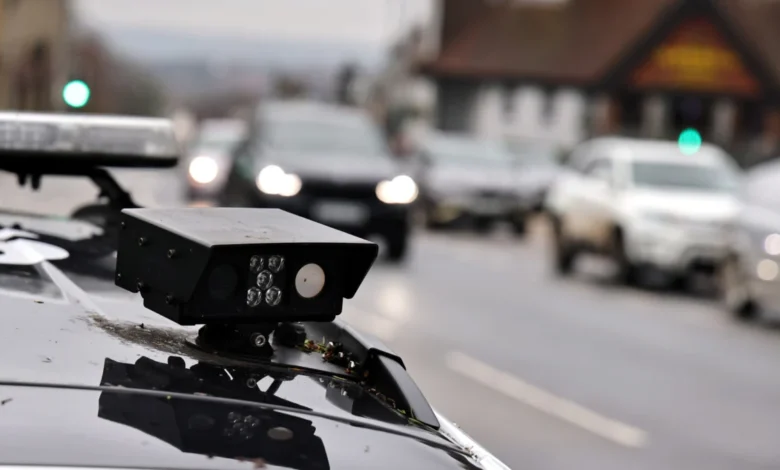
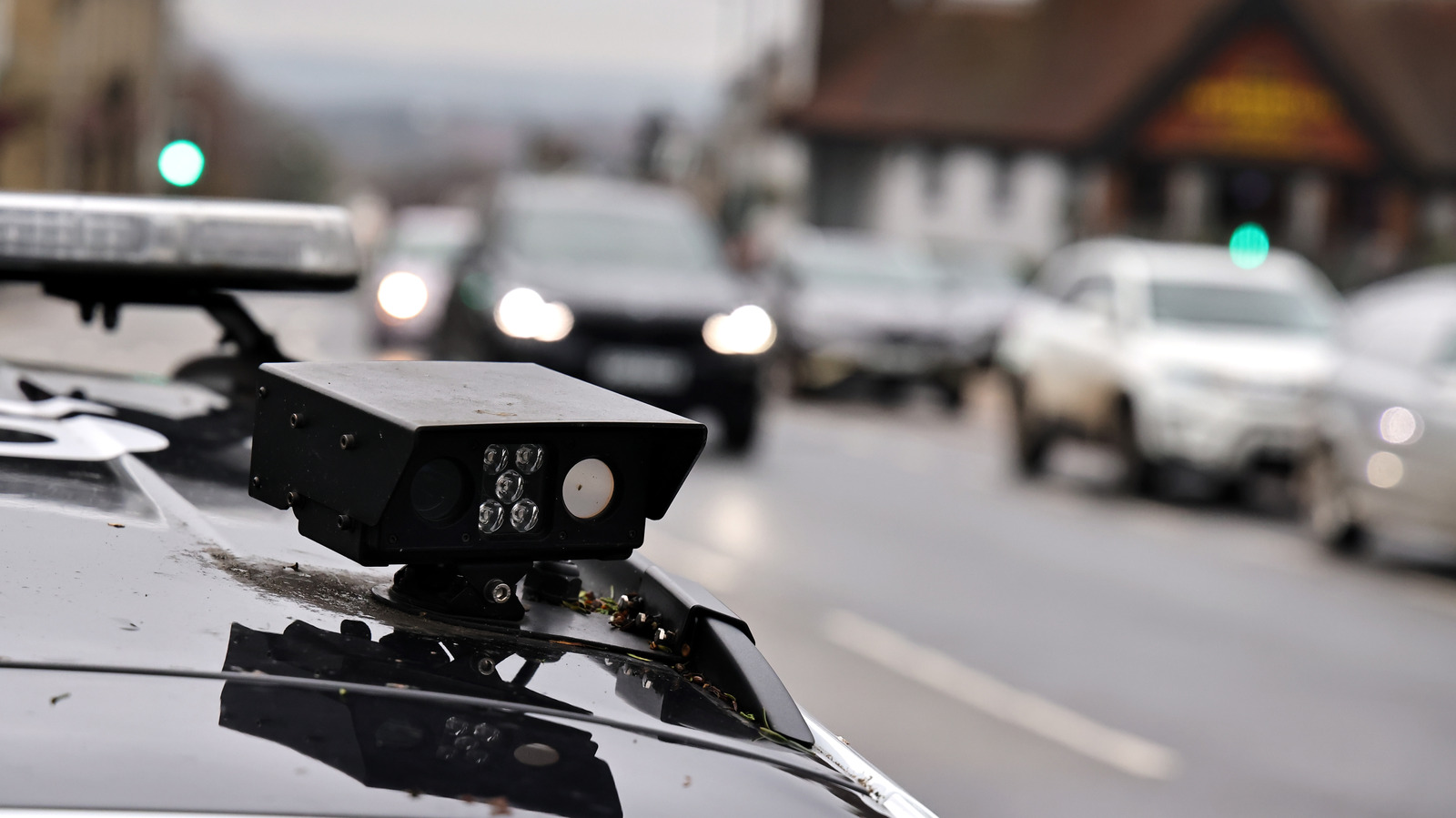
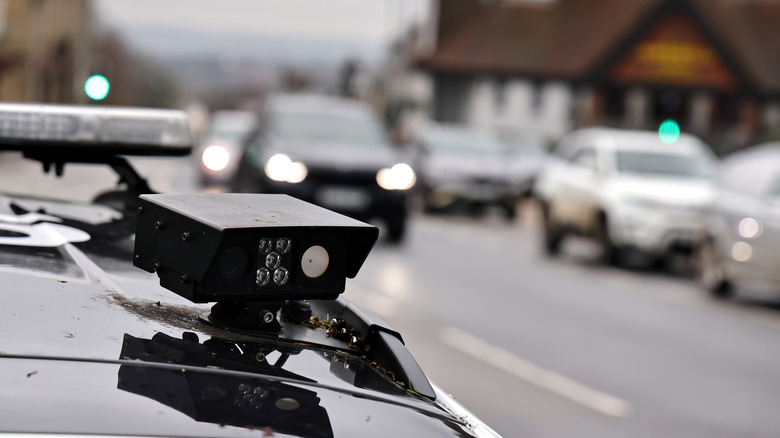
The tide appears to be turning with the introduction of advanced sensory hardware from MAV Systems. Unlike legacy cameras that rely on a single spectrum or basic contrast imaging, the new generation of MAV units employs multi-spectrum analysis. By simultaneously capturing high-resolution color imagery and utilizing advanced AI algorithms to process infrared feedback, these cameras can "see through" the reflective properties of ghost plates.
The system functions by identifying the unique light-scattering patterns characteristic of the specialized plastics used in ghost plates. When the AI detects a mismatch between the plate’s physical appearance and its digital signature, it flags the vehicle for manual review. Testing of this technology, which has been ongoing for nearly two years as of September 2026, has yielded promising results. In high-traffic metropolitan areas, law enforcement agencies have reported detecting several hundred to several thousand instances of ghost plate usage daily. This capability represents a paradigm shift, moving the focus of enforcement from passive data collection to active, intelligent verification.
A Chronology of Surveillance and Evasion
The history of ANPR systems is one of a perpetual "arms race" between law enforcement and those seeking anonymity.
- Early 2000s: The widespread deployment of ANPR systems across the UK creates a comprehensive network for tracking vehicle movements.
- 2015–2018: The rise of digital retail and niche manufacturing allows for the rapid, decentralized production of reflective and "stealth" license plates.
- 2020–2022: The expansion of Low Emission Zones (LEZ) and Ultra Low Emission Zones (ULEZ) provides a financial incentive for drivers to adopt ghost plates to avoid daily charges.
- 2024: Investigative reports expose the ease with which ghost plates can be purchased from registered suppliers, prompting calls for legislative reform.
- 2025–2026: The implementation of MAV Systems’ AI-enhanced cameras in select test zones begins to demonstrate significant success in identifying previously "unreadable" vehicles.
Implications for Law Enforcement and Privacy
The implications of this technology are far-reaching. For the police, the ability to identify vehicles that were previously ghosts in the system is a significant force multiplier. Beyond simple traffic violations, the identification of these vehicles is vital for tracking suspects involved in serious criminal activity, including organized crime and human trafficking, where the use of untraceable vehicles is a standard operational tactic.
However, the widespread deployment of AI-enhanced surveillance also invites a necessary conversation regarding privacy and the role of the state in monitoring movement. Civil liberties groups have frequently voiced concerns about the cumulative effect of a pervasive camera network. As the capabilities of these systems improve—moving from simple character recognition to sophisticated pattern detection—the potential for data misuse or "function creep" becomes a concern for privacy advocates. Law enforcement agencies maintain that the primary intent is the preservation of public safety and the enforcement of established traffic laws, arguing that the technological upgrade is a measured response to an escalating criminal workaround.
Broader Impact: A Global Challenge
The issue of ghost plates is not confined to the United Kingdom. In the United States, particularly in major metropolitan areas like New York City, the use of obstructed or falsified plates has reached crisis levels. New York officials have engaged in frequent crackdowns, citing millions of dollars in lost toll revenue and the inability of automated systems to hold reckless drivers accountable. The "ghost plate" phenomenon has evolved into a global challenge for urban planning and traffic management.
The UK’s experience with MAV Systems serves as a potential blueprint for other nations grappling with similar issues. By addressing the technological side of the equation—through AI-driven detection—and coupling it with calls for stricter regulatory oversight of license plate manufacturers, the UK government is attempting a two-pronged approach to restoring the integrity of its enforcement network.
Future Regulatory Directions
As the evidence of the effectiveness of these new cameras mounts, it is highly probable that the UK government will move toward a more stringent regulatory environment for plate manufacturers. Potential legislative updates may include:
- Mandatory Biometric/ID Verification: Requiring in-person, government-verified identity checks for any license plate purchase.
- Centralized Digital Ledger: Implementing a real-time, blockchain-based, or centralized registry for all issued plates to ensure traceability from production to vehicle attachment.
- Manufacturer Liability: Increasing the penalties for suppliers who provide non-standard or "ghost" equipment, potentially including the revocation of business licenses.
Conclusion
The development of AI-enhanced cameras capable of identifying ghost plates marks a critical juncture in the ongoing effort to maintain the rule of law on the UK’s roadways. While technology can be exploited to facilitate evasion, the inverse is also true: technological advancement can be used to close the loopholes that threaten the efficacy of public infrastructure. As these systems continue to roll out, the combination of superior optics and intelligent software will likely render the "ghost plate" an obsolete tool for evasion. For the authorities, the task remains to ensure that these advancements are implemented with the necessary oversight to balance public security with the fundamental expectations of privacy in a modern, monitored society. The era of the invisible vehicle, it seems, is drawing to a close.