Deadlock remains firmly in the development phase as Valve signals a long-term approach to its latest multiplayer project

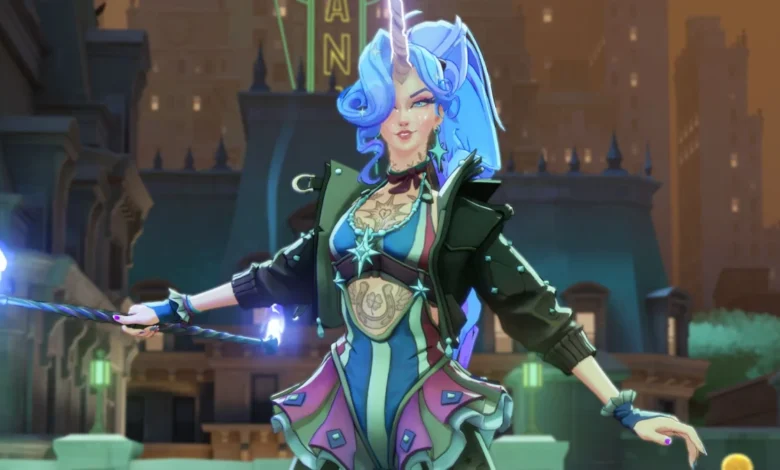
The highly anticipated multiplayer title Deadlock, which has captivated the gaming industry through its mysterious invite-only playtest phase, is not approaching a public release in the near future. Despite a series of significant updates that have introduced new heroes, substantial map overhauls, and refined mechanical systems, Valve Corporation has clarified that the project remains in an early stage of development. In a recent development update, the studio emphasized that its iterative, player-driven philosophy takes precedence over arbitrary launch timelines, suggesting that the game will continue to evolve behind the curtain for the foreseeable future.
The Philosophy of Open-Ended Development
Valve’s approach to Deadlock stands as a testament to the company’s "build in public" strategy, albeit one restricted to a closed circle of participants. By inviting players into the ecosystem at an early state, Valve aims to mitigate the inherent risks associated with launching a large-scale, competitive multiplayer game. According to the developers, the primary goal of the current testing phase is to discern what constitutes "fun" through raw data and community feedback rather than adhering to traditional marketing-led release schedules.
This methodology is not entirely new for Valve; it draws parallels to the development of titles like Dota 2 and Counter-Strike, where long-term community involvement helped shape the final product. However, the scale of Deadlock—a fusion of hero-shooter mechanics with complex MOBA-style lanes and objectives—presents unique challenges that require extensive balancing, map iteration, and system architecture testing before the game can be considered ready for a broader audience.
A Chronology of Iteration
The development of Deadlock has been marked by a series of rapid, high-impact updates that have led some observers to speculate that a wider launch was imminent. The "Old Gods, New Blood" update, released earlier this year, served as a significant milestone, introducing six new heroes and a comprehensive rework of the game’s "Patrons" and primary play modes.
Following this, the "City Never Sleeps" update further solidified the game’s aesthetic and tactical depth, introducing a redesigned map and significant itemization changes. These updates were accompanied by visual polish that arguably exceeded the standard for typical early access titles, leading to premature rumors regarding a transition to open beta. However, Valve’s latest communication indicates that these updates were part of a parallel development process, where the team shifted from siloed feature development to a broader, more holistic approach to game design.
Structural Changes and Future Features
Valve has confirmed that while the core gameplay loop has matured, the infrastructure surrounding it—such as progression systems and customization options—is still in a state of flux. The studio is actively soliciting feedback on these elements, noting that they are prepared to make significant adjustments based on how the current player base interacts with these systems.
Among the more speculative additions currently in testing are:
- Large-scale item reworks: Adjustments to the game’s economy and equipment pool to ensure competitive viability across various hero archetypes.
- Alternative game modes: Expansion of the core MOBA experience to include potentially PvE-focused content, a move rumored to involve the expertise of former Risk of Rain developers who have joined the project.
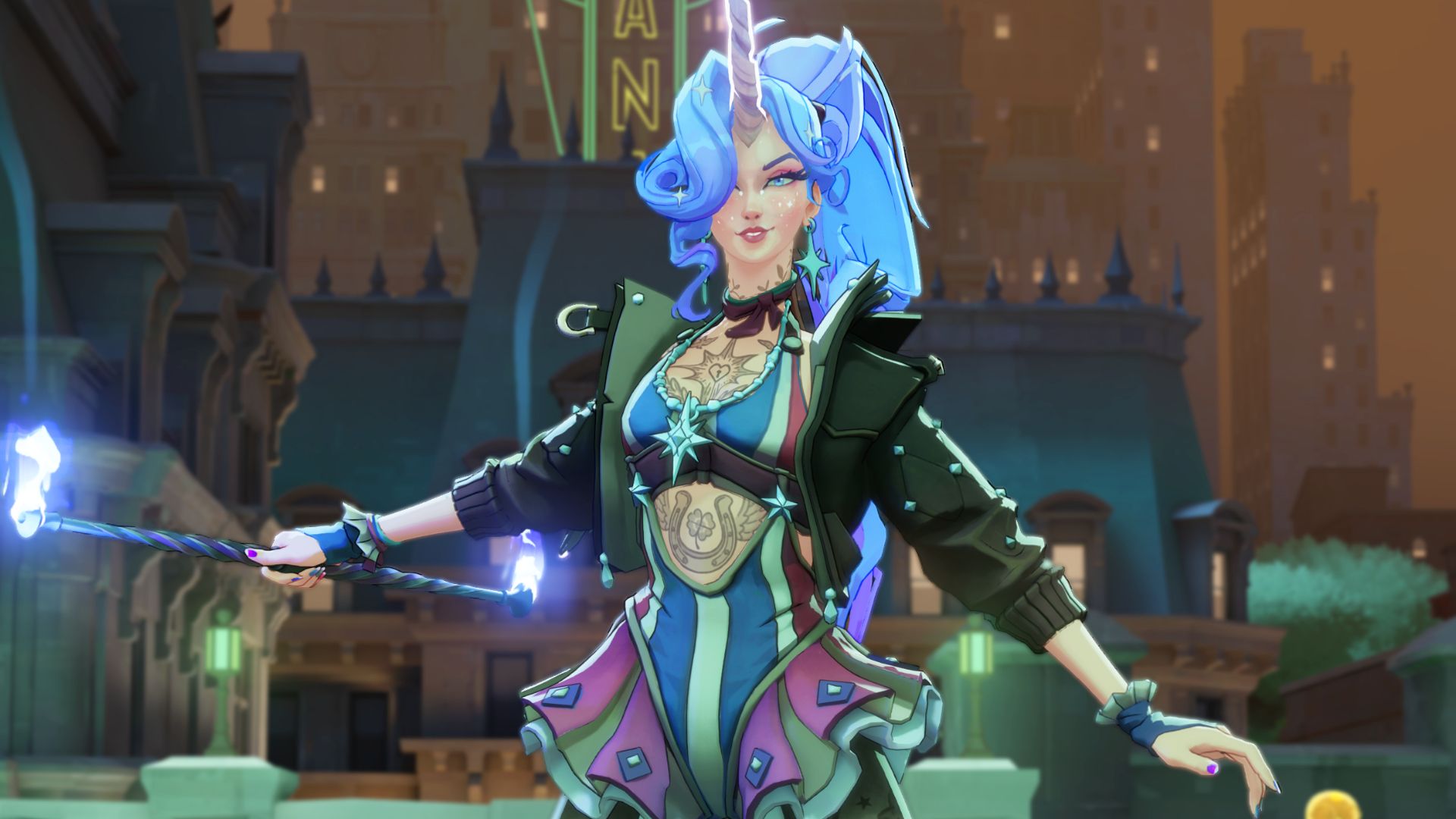
- Hero and Hideout Customizations: A wardrobe system that would allow for cosmetic personalization, a feature currently glimpsed in internal test builds and datamined files.
The decision to prioritize these features suggests that Valve is looking to build a robust "live service" foundation rather than simply finalizing the game’s core mechanics. By integrating these systems during the development phase, the team hopes to avoid the post-launch feature bloat that often plagues modern multiplayer titles.
The Role of Community and Feedback
The "invite-only" nature of the game has created an exclusive atmosphere that has arguably bolstered interest. By requiring existing players to issue invitations, Valve has fostered a self-selecting community of testers who are inherently invested in the game’s success. This approach provides the developers with high-quality, focused feedback from a dedicated cohort, though it simultaneously keeps the general public in a state of prolonged anticipation.
The inclusion of visual overhauls for older heroes, which were originally slated for the final stages of development, indicates a shift in the internal roadmap. Valve now intends to integrate these visual updates alongside mechanical patches, suggesting that the team is comfortable refining existing assets while continuing to experiment with new gameplay variables.
Market Implications and Industry Context
The gaming industry is currently seeing a saturation of "hero shooters" and competitive titles. Deadlock’s distinct visual style—a stylized, urban, and supernatural aesthetic—sets it apart from competitors like Overwatch 2 or Valorant. However, the MOBA market is notoriously difficult to penetrate, with established titles like League of Legends and Dota 2 maintaining dominant market shares.
By choosing not to rush Deadlock to market, Valve is effectively avoiding the "launch-day failure" trap that has claimed many high-profile multiplayer games in recent years. Historical data shows that games released in a state of technical or design incompleteness often struggle to recover their player base. Valve’s commitment to "getting it right" over "getting it out" reflects a mature understanding of long-term player retention.
The Road Ahead
While the lack of a defined release window may frustrate those currently locked out of the experience, the technical evidence suggests that the game is undergoing a massive, foundational expansion. The transition from the "early development" phase to a "polish phase" remains undefined, and Valve has provided no specific indicators that the game is nearing completion.
Analysts suggest that Deadlock will likely remain in its current state until the core systems—specifically the progression and secondary game modes—reach a level of maturity that satisfies internal performance benchmarks. For the average player, this means the wait is likely to continue for several more months, if not longer. Until Valve deems the product ready for a mass audience, the game will continue to serve as a laboratory for the developers, with the current playtesters acting as the primary architects of its eventual design.
In conclusion, the message from Valve is clear: Deadlock is a long-term project. The company’s refusal to commit to a public release date underscores its commitment to high-fidelity, high-polish gameplay. As the team continues to integrate complex systems and experiment with new modes, the game is slowly evolving into a robust, albeit still private, experience. For now, the "City" remains closed to the public, awaiting the time when the core, the polish, and the meta-systems finally coalesce into the definitive product Valve expects from its internal standards.
Related posts: