A Chronology of the Haystack Phenomenon
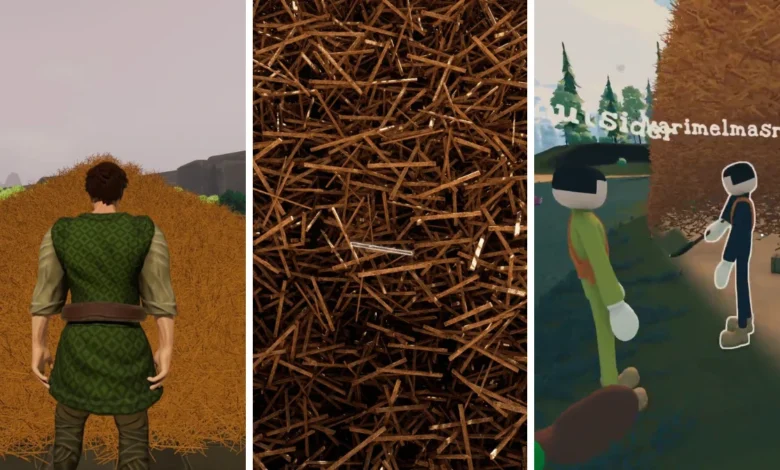
The current trend began to materialize as a notable curiosity in mid-2024. While the concept of a "needle in a haystack" is a classic idiom, its transformation into a commercial software product has been swift. The primary catalyst appears to be a series of viral social media posts and early concept trailers that captured the attention of the gaming community.
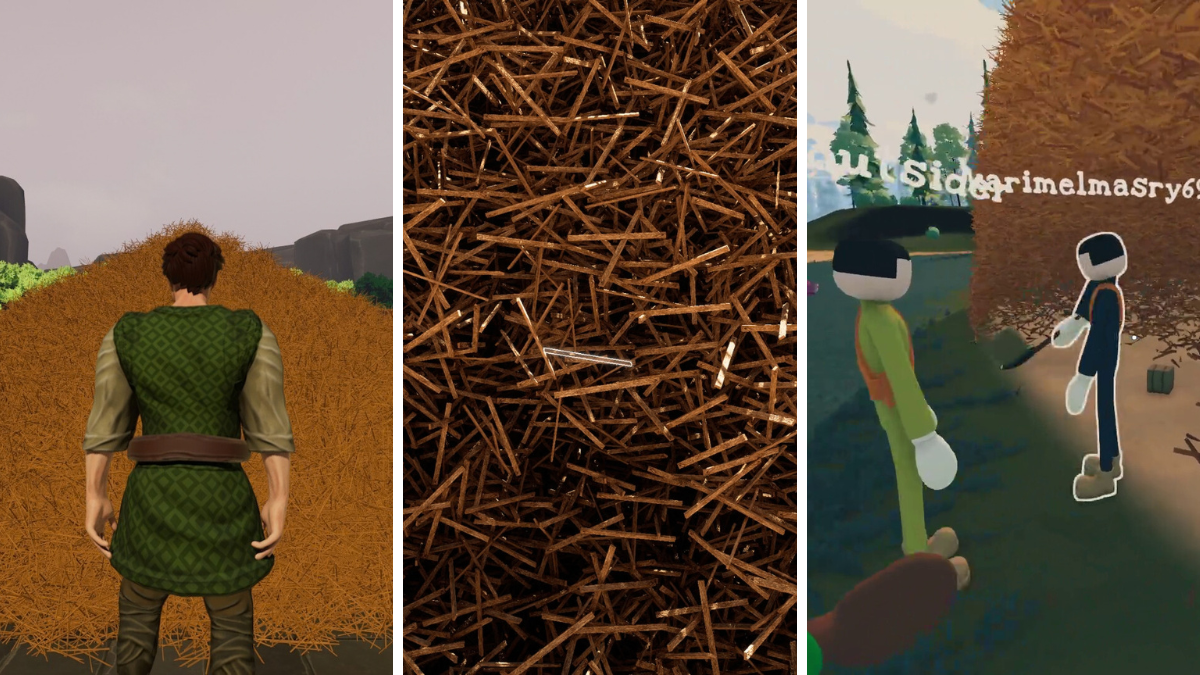
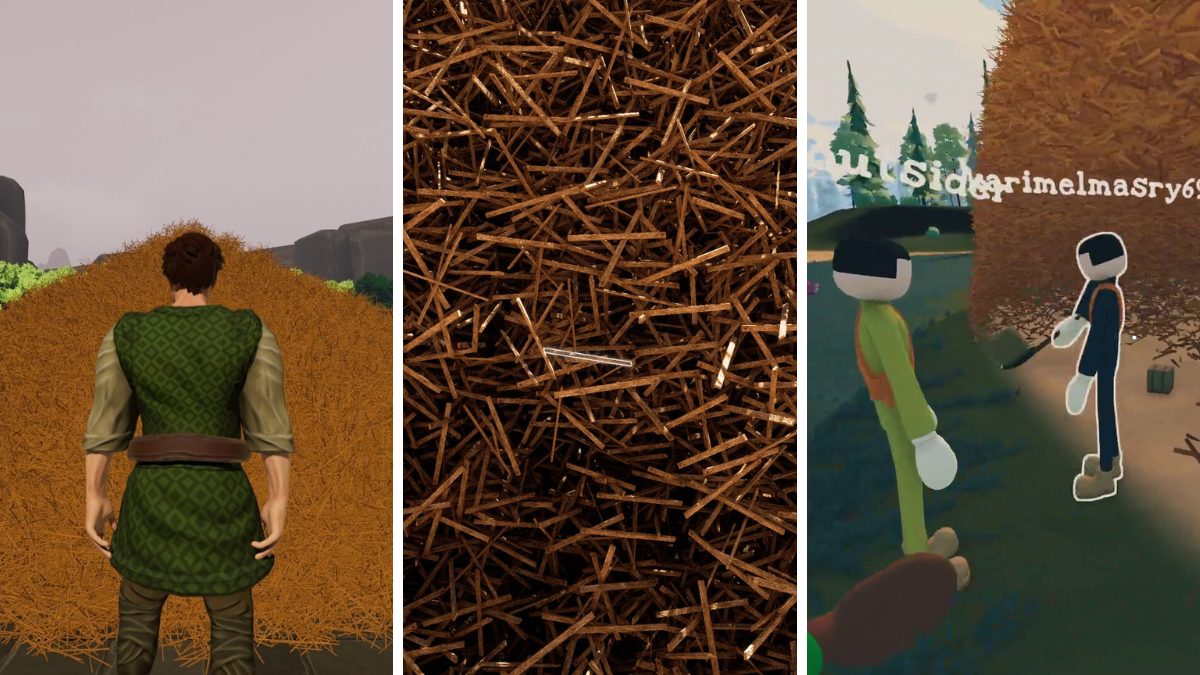
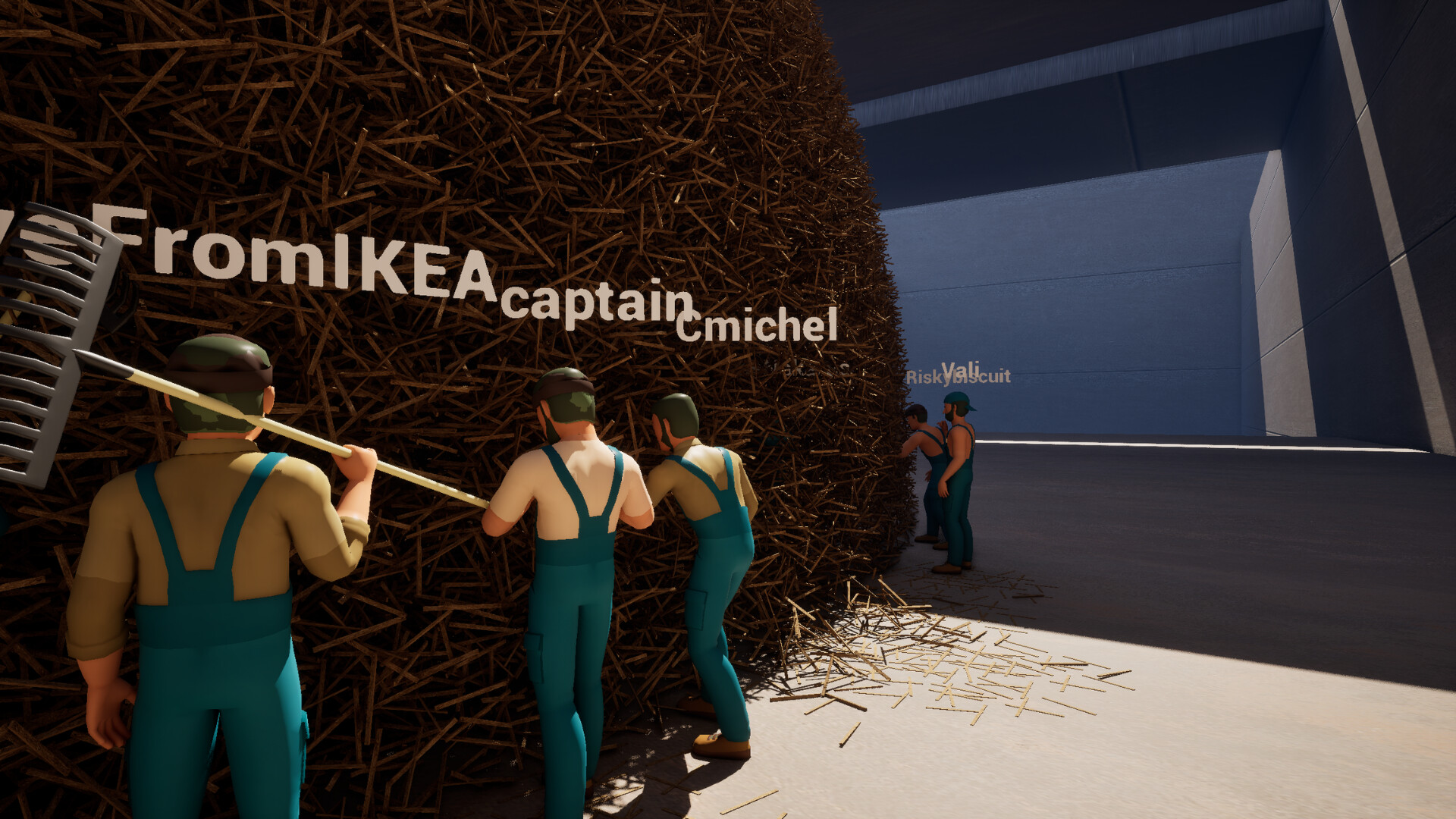
By August 2024, Studio Bitdot reported that their upcoming project, Needle In A Haystack Simulator, had successfully engaged approximately 23,000 players during a public playtest. This figure is statistically significant for a title centered on a task traditionally used as a metaphor for impossibility. Following this, the market saw a rapid succession of similar titles. Needle In A Haystack – A Time For Goats, developed by Red Key Games, launched on September 19, 2024, recording over 1,000 unit sales within its first week. This was quickly followed on September 25 by the release of A Needle In A Haystack: Sorting Game, with further titles such as Story of The Needle In a Haystack slated for release in late November.
Industry Implications and the Mechanics of Slopification
The emergence of these games is being categorized by industry analysts as part of a broader trend often referred to as "slopification"—a term describing the mass production of low-effort, high-repetition content designed to exploit algorithm-driven storefronts. These titles typically hybridize elements of "idle" games and "sorting" simulators, requiring players to engage in mundane, repetitive labor to unlock incremental upgrades, such as automated sorting tools or haystack-sifting machinery.
The economic model relies on the low barrier to entry for developers and a specific segment of the market that finds satisfaction in the "meaningless labor" loop. By offering a digital equivalent to meditative, albeit tedious, manual work, these games tap into a psychological niche similar to that seen in viral hits like Banana, where the engagement is driven by the act of clicking rather than traditional narrative or mechanical depth.
Official Responses and Developer Transparency
The sudden influx of identical themes has led to inevitable questions regarding intellectual property and originality. In response to the growing discourse surrounding the "copycat" nature of these releases, several developers have publicly addressed their timelines. Red Key Games, the developers behind A Time For Goats, issued a formal statement on the Steam community hub to clarify that their production had been underway for months prior to the surge in popularity of the genre. To substantiate these claims, the studio provided internal development logs and SteamDB data, aiming to differentiate their creative process from opportunistic cloning.
However, the industry remains skeptical of the "coincidence" defense. The addition of a first-person shooter endgame to A Time For Goats shortly after launch—a move that was met with confusion by its own player base—illustrates the desperate measures developers are taking to differentiate their products in a crowded, homogeneous market.
Nas, the lead developer behind the original viral hit, Needle In A Haystack Simulator, has taken a more fatalistic approach. In public communications, the developer offered a formal apology to the Steam storefront, acknowledging the satirical nature of their game while distancing themselves from the wave of "serious" or profit-driven clones that followed. This underscores the precarious reality of modern indie development: when a project achieves viral success, it effectively paints a target on its back for the "churn industry"—entities that specialize in rapidly replicating successful concepts to secure a share of the market.
Market Data and Revenue Context
The broader context of the Steam marketplace during the third quarter of 2026 demonstrates that while niche simulators are capturing attention, they remain secondary to established live-service titles. For the week of September 15–22, 2026, the top-performing games by revenue were dominated by industry staples. Wardogs, a live-service multiplayer title from UK-based developer Bulkhead, continued its strong performance, having sold over three million units since its pre-order phase began in August.
The ranking for that week is as follows:
| Rank | Game |
|---|---|
| 1 | Wardogs |
| 2 | EA Sports FC 27 |
| 3 | Counter-Strike 2 |
| 4 | PUBG: Battlegrounds |
| 5 | Dota 2 |
| 6 | Apex Legends |
| 7 | Marvel Rivals |
| 8 | Aniimo |
| 9 | Diablo 4 |
| 10 | Trails in the Sky 2nd Chapter |
The performance of EA Sports FC 27 at number two, despite only being in the pre-order phase during this period, highlights the continued dominance of established franchises. Furthermore, the inclusion of a disclaimer regarding the use of generative AI in the development of FC 27—specifically for pre-rendered or live-generated content—signals a new era of transparency requirements for major publishers.
The Risk of Social Media Visibility
The "haystack" incident serves as a case study for the risks inherent in transparent, social-media-focused development. For indie developers, publicizing a game in its early stages is a double-edged sword. While it is essential for building a community and securing wishlists, it also provides competitors with a roadmap of upcoming concepts.
The churn industry monitors these social media trends with sophisticated tracking tools, enabling them to initiate development on similar projects before the original title has even reached its official release date. As the barrier to creating these types of simplistic, repetitive games continues to lower due to advancements in game engines and asset libraries, the pressure on indie creators to keep their concepts private until completion is likely to increase.
Future Outlook and Market Saturation
The long-term viability of the needle-in-a-haystack genre is likely limited. As with previous trends—such as the rapid proliferation of "digging a hole" simulators or clicker-based item farming—the market will eventually reach a point of exhaustion. Players who seek out these games are often looking for a fleeting, novel experience; once the novelty wears off, the low-effort nature of the games becomes a liability.
However, the underlying trend of "slopification" is not going away. As long as Steam remains an open marketplace where thousands of games are released annually, the temptation to create low-cost, high-volume products will persist. For the consumer, the challenge lies in discerning between genuine, experimental indie projects and the artificial "slop" that seeks to exploit time and attention.
Ultimately, the haystack saga is a reminder of the volatility of the digital games market. It demonstrates that in the modern era, the line between a genuine indie hit and a cynical, algorithm-driven product is thinner than ever. For developers, the lesson is clear: innovation is only as valuable as one’s ability to protect the concept until it is ready for the world, or at the very least, being prepared for the inevitable, and often bizarre, rush of imitators that follows a viral moment.