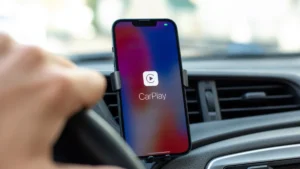
General Motors Doubles Down on EV Strategy by Refuting Rumors of Apple CarPlay Reversal

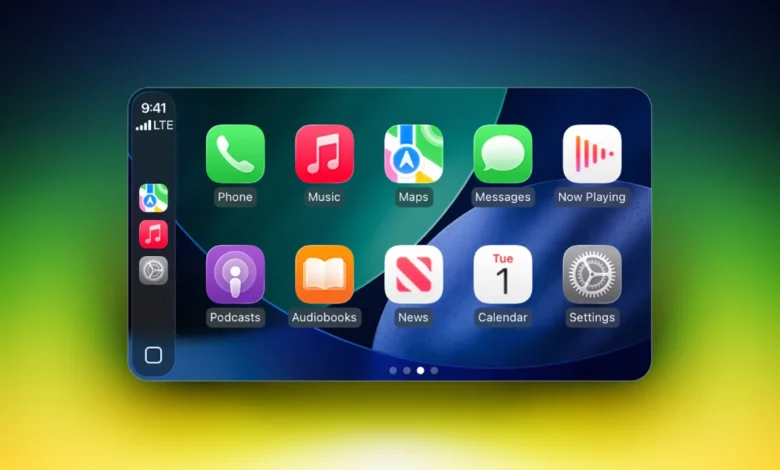
Recent media reports suggesting that General Motors (GM) has reversed its controversial decision to phase out Apple CarPlay and Android Auto in future electric vehicles are entirely incorrect. The automotive giant remains firmly committed to its proprietary software ecosystem for upcoming electric lineups, despite widespread consumer demand and intense industry debate surrounding phone-mirroring technologies.
The speculation began swirling after automotive publications highlighted upcoming software interfaces in select 2027 vehicle models. However, clarification from GM representatives and industry analysts has definitively shut down the narrative that the automaker is bringing CarPlay back to its modern EV portfolio.
Clarifying the 2027 Lineup and Gasoline-Powered Exceptions
The confusion arose from announcements regarding 2027 model-year vehicles, specifically heavy-duty and light-duty pickup trucks such as the Chevrolet Silverado and GMC Sierra. According to statements verified by prominent tech journalists, a GM spokesperson confirmed that the new software interfaces designed to seamlessly display CarPlay or Android Auto alongside native vehicle systems are strictly limited to internal combustion engine (ICE) variants of these trucks.
This distinction is crucial. GM previously established a clear boundary: while the company would systematically eliminate smartphone-projection software from its battery-electric vehicles (BEVs), it would continue to support CarPlay and Android Auto in gas-powered vehicles for the foreseeable future. Consequently, the presence of these features in the 2027 gas-powered Silverado and Sierra models represents business as usual rather than a strategic pivot or a concession to consumer complaints.
Furthermore, a minor exception exists within GM’s current lineup: the all-electric 2027 Cadillac LYRIQ continues to support Apple CarPlay and Android Auto. Industry observers remain divided on whether the LYRIQ will permanently retain this capability as a legacy feature or if it simply represents one of the final electric vehicles from the automaker to utilize traditional phone-mirroring software before a complete transition to GM’s native infotainment system.
Regardless of these exceptions, corporate representatives have reiterated that the overarching long-term strategy for all forthcoming electric platforms remains unchanged. Future generations of GM electric vehicles will not feature Apple CarPlay or Android Auto, signaling a stubborn adherence to a software strategy that continues to divide drivers and tech enthusiasts alike.
A Controversial Chronology: GM’s Shift Away from Phone Mirroring
The friction between traditional automakers and smartphone giants like Apple and Google has escalated rapidly over the past several years. To understand GM’s current stance, it is helpful to examine the timeline of decisions and announcements that brought the company to this juncture.
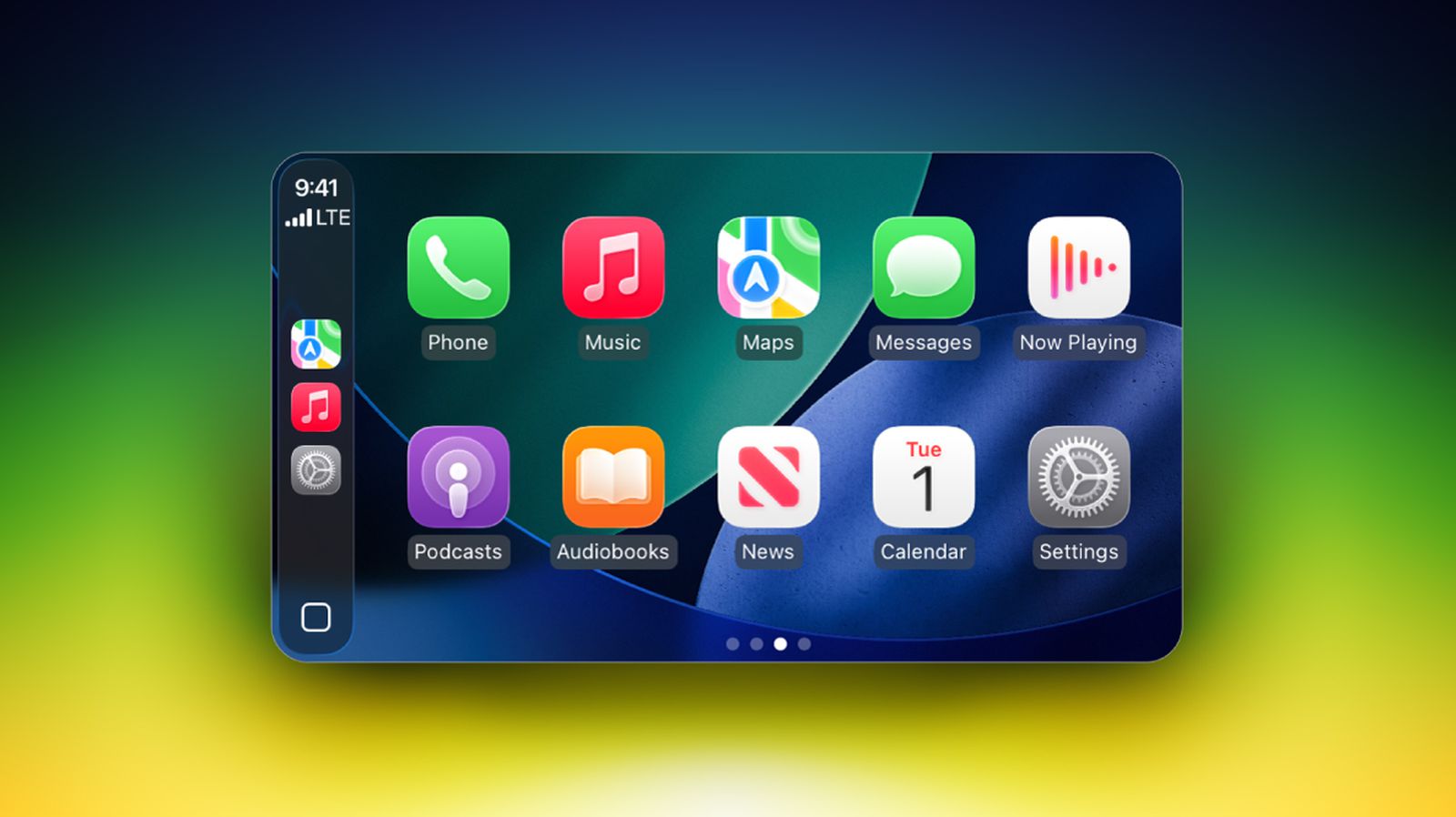
- March 2023: General Motors makes waves across the automotive and technology sectors by announcing that it will phase out Apple CarPlay and Android Auto starting with its upcoming electric vehicles, beginning with the 2024 Chevrolet Blazer EV. The company cites safety concerns, driver distraction management, and the desire to build a tightly integrated vehicle architecture that can better manage battery performance and route planning.
- Late 2023 to 2024: Consumer backlash mounts. Studies and consumer surveys indicate that a significant percentage of car buyers consider Apple CarPlay or Android Auto a dealbreaker when purchasing a new vehicle, particularly in the premium EV market where in-cabin technology is a primary selling point. Despite this pushback, GM defends its strategy, arguing that native software—developed in collaboration with Google—will offer a superior, more cohesive user experience over the lifespan of the vehicle.
- 2025: Competitors adopt varied approaches. While companies like Rivian double down on proprietary systems and argue that traditional phone mirroring will eventually become obsolete, other luxury and mainstream brands lean heavily into advanced integrations, such as supporting deeper vehicle telemetry within Apple’s next-generation CarPlay frameworks.
- September 2026: Misinterpreted reports suggest a soft-launch reversal by GM as new 2027 vehicle configurations are teased. GM swiftly steps in to correct the record, clarifying that traditional phone integration will remain exclusively tied to its internal combustion engine portfolio, while the EV division presses forward with its isolated ecosystem.
The Strategic Rationale Behind GM’s Closed Ecosystem
General Motors is not alone in its desire to untangle its vehicles from smartphone dependencies, though it remains one of the most aggressive legacy automakers to attempt it. Traditional automotive manufacturing is undergoing a paradigm shift, transforming cars from mechanical hardware into software-defined platforms.
By controlling the entire infotainment stack, automakers unlock several potential revenue streams and operational advantages:
- Data Collection and Monetization: Operating system control allows automakers to gather granular telemetry data regarding driving habits, charging routines, and in-cabin preferences, which can be leveraged for software improvements or targeted services.
- Subscription Services: Proprietary software serves as a gateway for recurring subscription revenues, ranging from advanced navigation and premium streaming apps to autonomous driving features and remote vehicle management.
- Hardware Integration: EV powertrains require complex thermal management and precise route planning that accounts for charging station availability. Automakers argue that native routing systems can interface more effectively with vehicle battery management systems than a smartphone projecting a simplified interface onto a center screen.
However, this closed-ecosystem strategy carries substantial financial and consumer-relations risks. Consumer loyalty to smartphone ecosystems—particularly Apple’s iOS—is remarkably strong. For many drivers, the friction of learning a new, proprietary automotive interface when a familiar, highly optimized smartphone layout is preferred can be a significant deterrent when shopping for a high-ticket item like an electric vehicle.
Broader Industry Trends: CarPlay Evolves Elsewhere
While General Motors pushes ahead with its isolated software strategy, the rest of the automotive and tech landscape continues to innovate rapidly around Apple CarPlay and Android Auto. Apple’s ongoing software updates have introduced deeper vehicle integration, customized widgets, and support for third-party tools, cementing CarPlay as an indispensable feature for millions of drivers globally.
Recent developments across the industry highlight this contrasting trajectory:
- Advanced Integrations: Modern iOS updates have expanded CarPlay’s capabilities far beyond basic media playback and navigation, enabling third-party AI chatbots, customized dashboard widgets, and immersive audio experiences via technologies like Dolby Atmos, which recently began rolling out in luxury vehicles like Volvo’s EX90.
- Divergent Competitor Philosophies: While brands like Rivian argue that future software features will render traditional phone mirroring redundant, other manufacturers view CarPlay compatibility as a vital selling point that protects vehicle resale value and satisfies modern consumer expectations.
Market Implications and Future Outlook
The steadfastness of General Motors’ policy places the company in a high-stakes gamble against consumer preference. As the electric vehicle market matures and transitions from early adopters to mainstream buyers, the availability of preferred tech integrations will likely play an increasingly decisive role in purchasing decisions.
For now, buyers shopping for a gas-powered Chevrolet Silverado or GMC Sierra can rest assured that traditional phone mirroring will remain available through the 2027 model year. However, consumers shopping in GM’s rapidly expanding electric vehicle showroom must prepare to adapt to a strictly native interface. Whether consumers will ultimately accept the loss of Apple CarPlay and Android Auto in exchange for GM’s proprietary software vision—or vote with their wallets by purchasing from competing manufacturers—remains the defining automotive technology question of the decade.