Flock Safety Offers Lucrative Voluntary Buyouts Amid Surging Privacy Backlash and Contracting Municipal Partnerships

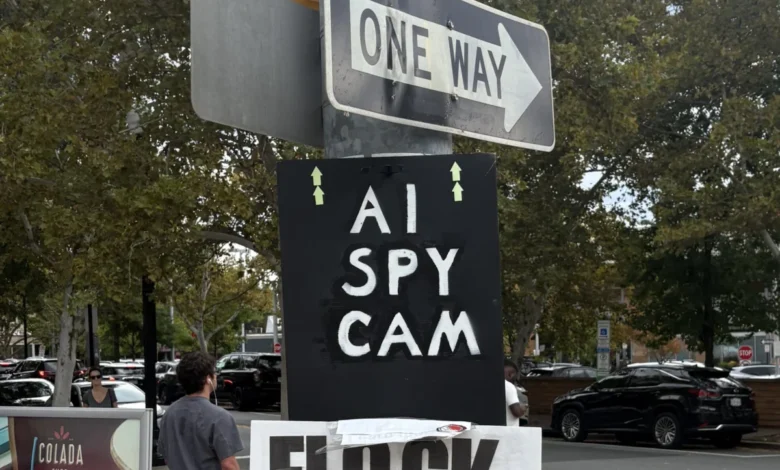
Surveillance technology firm Flock Safety has announced a sweeping voluntary buyout program offering what internal communications describe as the most generous severance packages in the company’s history. The initiative, confirmed through recent reports, arrives as the 1,500-person company grapples with an unprecedented wave of public scrutiny, municipal contract terminations, and legislative pushback stemming from the alleged misuse of its automated license plate recognition (ALPR) systems.
According to internal company memos, Flock Safety anticipates that a substantial portion of its workforce will express interest in the voluntary departure program and intends to approve a majority of those requests. Industry observers and internal assessments note that without this voluntary reduction strategy, the startup would have faced the near-certainty of conventional layoffs. By providing an amicable exit path, executive leadership aims to right-size the organization and trim internal costs while simultaneously easing out personnel demoralized by the relentless public relations crisis surrounding the company’s core product offerings.
Anatomy of a Crisis: The Misuse Allegations and Legislative Fallout
The roots of Flock Safety’s current predicament trace back to a compounding series of investigative reports and official policy shifts that accelerated sharply over the summer of 2026. For years, Flock built a dominant market position by marketing its solar-powered, high-definition cameras and machine-learning-driven analytics software to both private neighborhood associations and municipal law enforcement agencies. The technology was sold as a vital tool for combating property crime, locating stolen vehicles, and assisting amber alerts.
However, the architecture of the system—which aggregates massive quantities of vehicular movement data into searchable, interconnected law enforcement databases—became the focal point of a national debate regarding civil liberties and digital privacy.
The tipping point arrived in August 2026, when an exhaustive investigative report published by The Washington Post exposed widespread vulnerabilities and systemic abuse within law enforcement agencies utilizing Flock technology. The report identified at least 46 distinct instances where police officers allegedly misused the vast network of cameras to stalk, surveil, or harass intimate partners, including wives, girlfriends, and ex-partners. The revelation that state-sanctioned surveillance tools could be so easily co-opted for domestic stalking sent shockwaves through privacy advocacy groups and local government chambers alike.
The fallout was swift and punishing. State governments began taking direct regulatory action against the company. Authorities in both Florida and Texas announced formal initiatives to block or outright ban the deployment of Flock cameras on state-managed infrastructure, citing severe and unresolved privacy concerns. Concurrently, municipal governments nationwide began severing ties with the startup at an alarming velocity. An independent anti-surveillance advocacy organization tracking municipal procurement data reported that approximately 90 cities canceled or chose not to renew their Flock contracts during the month of August alone. This figure represented a staggering fourfold increase in contract terminations compared to the preceding month, signaling a systemic loss of institutional trust.
Internal Morale and Executive Response
While the external hemorrhage of municipal contracts poses a severe long-term threat to Flock’s revenue streams, leadership has signaled that the psychological toll on the company’s workforce may be equally damaging.

Garrett Langley, chief executive officer and co-founder of Flock Safety, addressed the crisis during a recent appearance on the All-In podcast. During the interview, Langley candidly admitted that the most acute and damaging impact of the ongoing controversy has not been the financial or legal friction, but rather the erosion of internal morale. Employees who joined the startup with the mission of enhancing community safety have found themselves caught in the crosshairs of intense public protests, legislative inquiries, and ethical debates over the limits of mass surveillance.
By rolling out a robust voluntary severance package, executive management is attempting a delicate balancing act. The program offers disgruntled or exhausted employees a dignified exit with financial cushioning, thereby preventing bitter workplace friction while naturally shrinking headcount to match the rapidly contracting addressable market. Industry analysts suggest that this proactive approach to workforce reduction may insulate the company from some of the reputational damage typically associated with mandatory, sweeping layoffs.
A Chronology of Escalating Pressure
To fully understand the velocity of Flock Safety’s current restructuring, it is necessary to examine the rapid sequence of events that transformed the company from a high-flying tech darling into a target of intense regulatory investigation:
- Early 2026 and Prior: Flock Safety expands its footprint rapidly, securing lucrative contracts with thousands of communities and police departments across the United States, positioning its network as an indispensable modern policing utility.
- August 2, 2026: The Washington Post publishes an investigative exposé detailing 46 documented cases of police officers misusing Flock camera networks to spy on romantic partners and exes, sparking nationwide outrage.
- Mid-August 2026: Privacy advocacy organizations and municipal watchdogs report an unprecedented surge in contract cancellations. Data reveals that approximately 90 cities terminated their Flock agreements in August alone—a fourfold month-over-month increase.
- Late August 2026: State-level pushback intensifies as lawmakers and transit authorities in Florida and Texas officially move to block or restrict the use of Flock technology over fundamental privacy concerns.
- Early September 2026: CEO Garrett Langley appears on the All-In podcast, publicly acknowledging that the relentless public backlash has severely impacted internal employee morale.
- September 19, 2026: Reports emerge that Flock Safety has introduced its most lucrative voluntary buyout package to date, targeting a workforce of 1,500 employees as the company braces for a smaller operational footprint.
Broader Industry Implications and the Future of Municipal Surveillance
The challenges facing Flock Safety extend far beyond the balance sheet of a single enterprise; they represent a watershed moment for the broader law enforcement technology and GovTech sectors. For the past decade, municipal budgets have increasingly flowed toward private technology vendors promising algorithmic efficiency, predictive policing, and comprehensive public safety monitoring.
The rapid unraveling of Flock’s municipal partnerships underscores a growing skepticism among local lawmakers regarding the procurement of data-heavy surveillance apparatuses without stringent, enforceable oversight mechanisms. Civil liberties organizations have long warned that the aggregation of location data—collected continuously and stored in searchable repositories—creates irresistible temptations for abuse and presents severe constitutional challenges under the Fourth Amendment.
Furthermore, the willingness of major states like Florida and Texas to intervene directly in municipal technology contracts signals that local procurement autonomy may increasingly be superseded by state-level legislative mandates concerning data privacy and digital rights. If other states follow suit, the business model of selling standardized surveillance hardware directly to police departments may face permanent structural hurdles.
As Flock Safety processes its wave of voluntary departures, the company faces a formidable path toward rehabilitation. Restoring institutional trust will require more than just right-sizing the organization; it will demand fundamental transparency, enhanced access controls to prevent officer misuse, and a renewed commitment to ethical data stewardship. Whether the company can successfully pivot its narrative and rebuild its fractured municipal relationships remains one of the most closely watched storylines in the intersection of technology, law enforcement, and civil liberties.
Related posts: