Snap Inc. Officially Launches Its Flagship Specs AR Glasses at High-Stakes Fall Event Following Summer Teaser


Snap Inc. has officially pulled back the curtain on its long-awaited augmented reality hardware, hosting a dedicated launch event for its flagship AR glasses, aptly named Specs. Initially previewed earlier this year in June at the Augmented World Expo (AWE) 2026, the device represents Snap’s most ambitious hardware undertaking to date. Company executives are framing the release as a pivotal milestone, marking the beginning of a fundamental computing paradigm shift away from traditional handheld smartphones and toward wearable, optical interfaces.
As technology journalists and industry analysts gather at the launch venue, anticipation surrounds what new features, software lenses, and ecosystem integrations Snap will announce. While the device was given its initial debut during the summer, today’s presentation aims to solidify the consumer value proposition of the Specs, offering a clearer picture of availability, pricing, and the developer ecosystem required to sustain a spatial computing platform.
The Road to Launch: From AWE 2026 to the Fall Showcase
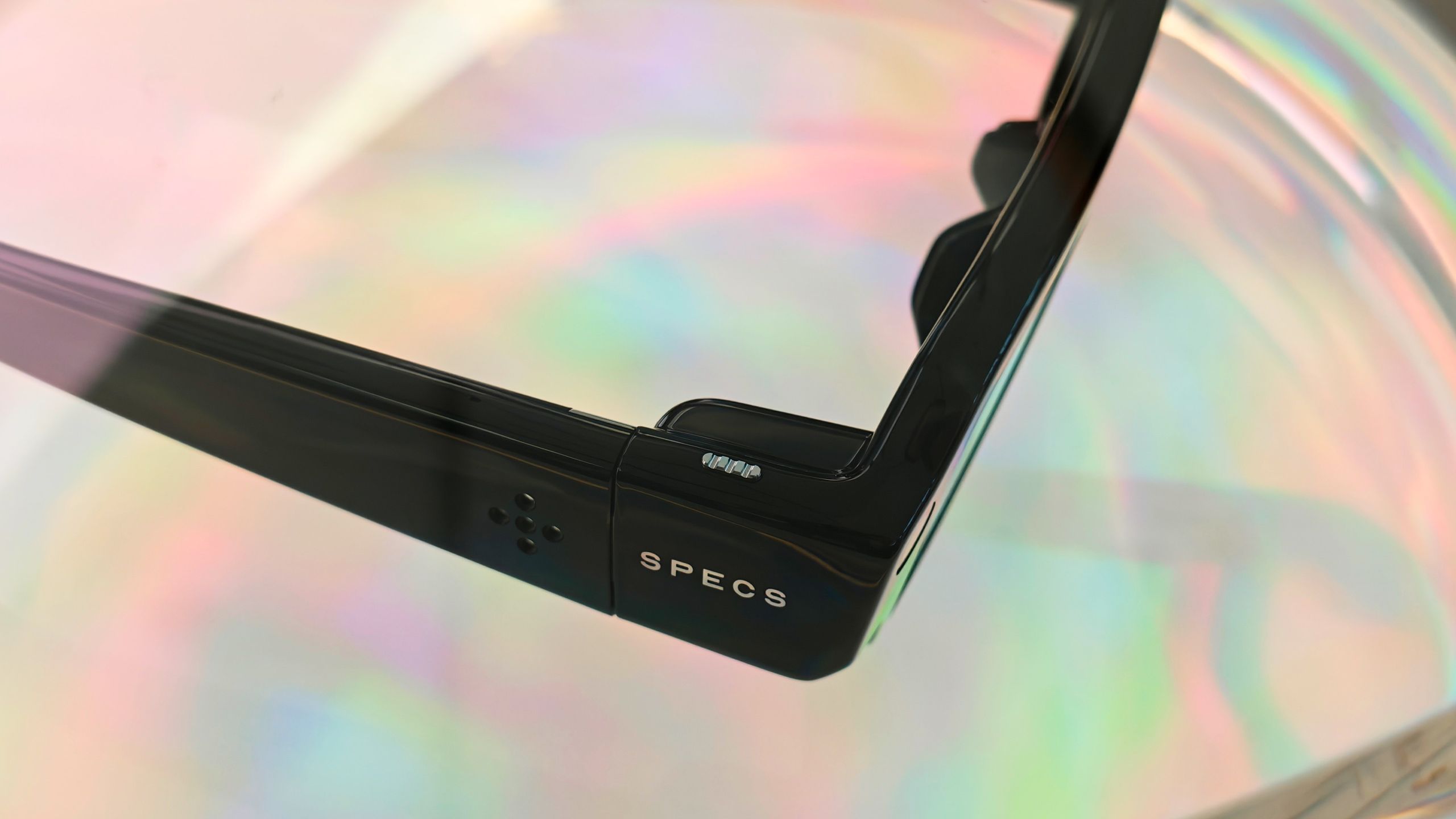
The journey toward the commercial introduction of Snap’s Specs has been closely watched by the consumer technology sector. When the company first showcased the hardware at AWE 2026 in June, it generated substantial buzz within the augmented reality community. Snap positioned the device not merely as an accessory, but as the vanguard of a generational computing transition.
However, the summer reveal was accompanied by a nebulous "fall" release window, leaving developers and consumers waiting for concrete details regarding shipping dates, regional availability, and final hardware specifications. Today’s event addresses many of those lingering questions, even as industry watchers await definitive confirmation from Snap CEO Evan Spiegel regarding exact fulfillment timelines.
Despite the delay between the initial summer preview and the current hardware showcase, Snap’s product leadership has maintained that the extra development time was necessary to refine the device’s optical engine, spatial tracking capabilities, and visual artificial intelligence systems.
Design Philosophy: Balancing Ergonomics and Cutting-Edge AR

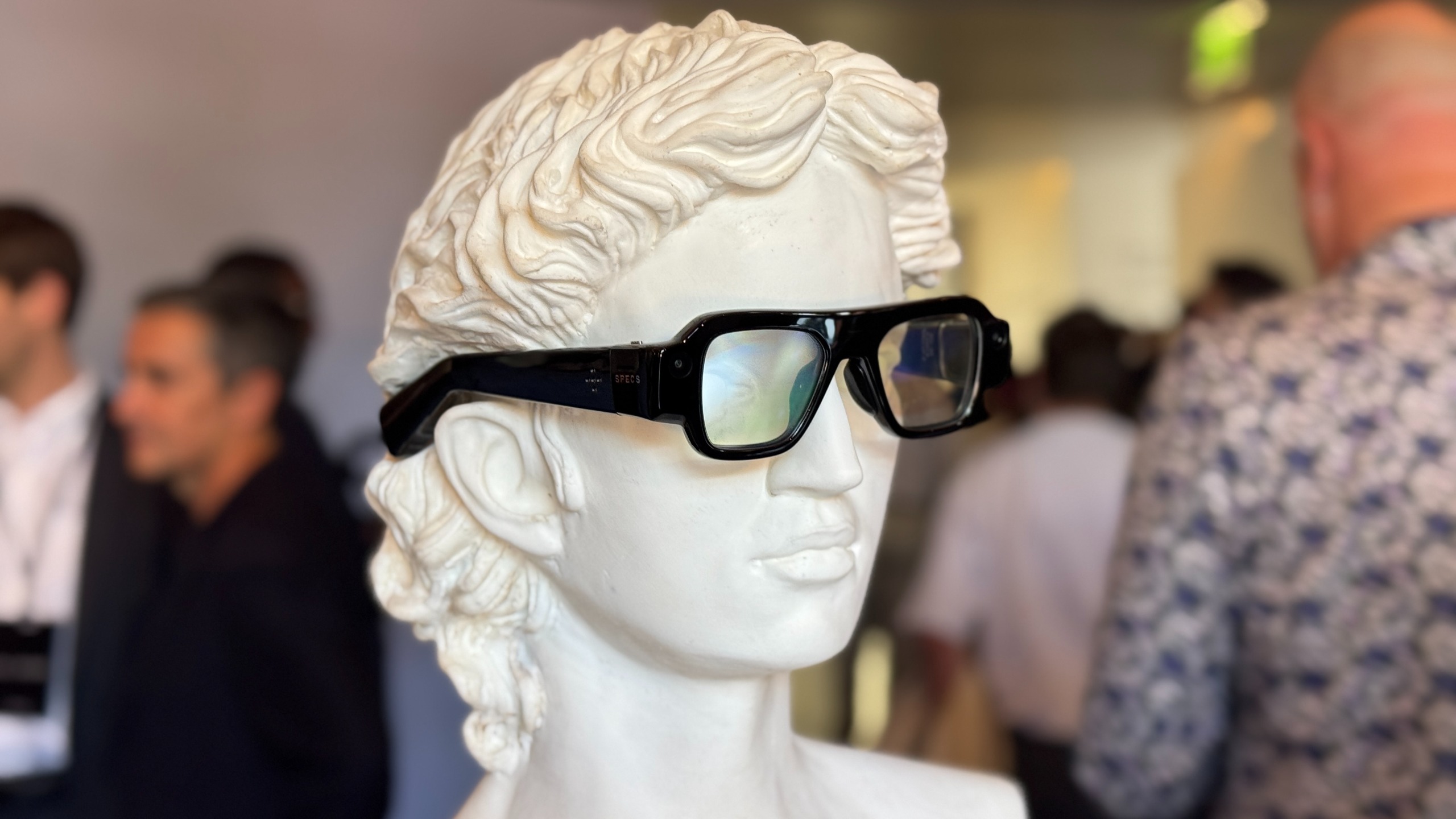
One of the most heavily scrutinized aspects of the Specs is their physical form factor. Compared to earlier, bulkier iterations reserved strictly for internal development and specialized creator programs, the consumer-ready version of the Specs exhibits a noticeably more refined and svelte aesthetic. Nevertheless, when evaluated against standard optical eyewear or simpler audio-first smart glasses, Snap’s hardware remains decidedly chunky and thick.
Early hands-on evaluations from industry journalists indicate that despite their robust dimensions, the glasses offer surprising ergonomic comfort during extended wear. However, engineers and designers have had to grapple with the physical constraints of housing advanced micro-projectors, spatial sensors, and battery systems within a spectacle frame, occasionally resulting in pressure points around the wearer’s ears due to the reinforced arms.
This design compromise underscores the fundamental tension facing the AR industry: packing complex computing architecture into a package light and unobtrusive enough for all-day public wear remains an elusive engineering holy grail. Snap’s approach leans heavily into capability over absolute discretion, betting that consumers will tolerate a bolder silhouette in exchange for genuine spatial computing features.
A New Paradigm in Computing and Visual AI
Snap’s product strategy for the Specs explicitly rejects the notion that the future of wearable technology is merely about shrinking smartphone applications down to a tiny virtual screen. During interviews surrounding the launch, Russell Patton, product manager for Specs at Snap, emphasized that the transition from phones to glasses requires native spatial design.
"We’ve seen these different shifts in computing happen, and we see a shift is coming," Patton noted during discussions with technology publications. "Going forward, it’s going to be that shift from phones to glasses, and I think it’s not just taking the apps that are on our phones and putting them into glasses."
This philosophy manifests in the device’s heavy reliance on spatial content and advanced visual AI. Rather than serving as passive heads-up displays, the Specs are designed to actively interpret the user’s physical environment. Snap’s visual intelligence layer is engineered not just to recognize objects, but to contextualize them in real-time, functioning as an interactive, educational tool that overlays contextual digital information directly onto the physical world.
Market Landscape: Navigating a Maturing Smart Glasses Sector

Snap’s entry into the consumer AR market arrives at a complex juncture for the wearable technology sector. According to recent market intelligence data from the International Data Corporation (IDC), the momentum behind smart glasses has experienced a cooling phase following a meteoric surge earlier in the year. While global shipments recorded an extraordinary 130% year-over-year increase during the first quarter of 2026, the broader annual growth rate has moderated to approximately 35%.
Furthermore, Snap faces a formidable competitive landscape. Market tracking data indicates that Meta Platforms commands a dominant 70% share of the global smart glasses market, driven largely by the commercial success and mainstream cultural adoption of its Ray-Ban Meta audio-centric smart glasses. Other competitors, such as RayNeo, occupy distant single-digit market shares, leaving a massive structural gap between the market leader and emerging challengers.
Despite Meta’s dominant position in lightweight audio wearables, true augmented reality glasses with full visual overlays remain an open battleground. Industry observers note that the upcoming autumn release window—synchronized with Snap’s hardware rollout and Meta’s own annual Connect conference scheduled for next week—could inject a vital wave of consumer excitement and developer investment back into the sector.
Implications and Consumer Adoption Challenges

As Snap prepares to open pre-orders and eventually ship the Specs to consumers, the broader implications for the wearable tech industry hinge on user acceptance and privacy considerations.
The primary hurdle for Snap will be overcoming social and aesthetic resistance. While tech enthusiasts routinely embrace novel form factors, mainstream consumers have historically demonstrated reluctance toward facial computing hardware that deviates significantly from traditional fashion norms. Privacy advocates are also expected to scrutinize the device’s always-on or easily activated cameras and sensors, mirroring the regulatory and public relations challenges that accompanied earlier generations of smart eyewear.
Nevertheless, if Snap can successfully communicate the practical utility of its visual AI and spatial computing features—while maintaining a competitive price point—the Specs could catalyze a broader industry shift. As tech giants and independent innovators alike converge on the autumn product cycle, the launch of Snap’s hardware serves as a critical stress test for consumer readiness in the burgeoning age of spatial computing.
Related posts: